Digital twins: transforming sustainable design and operations
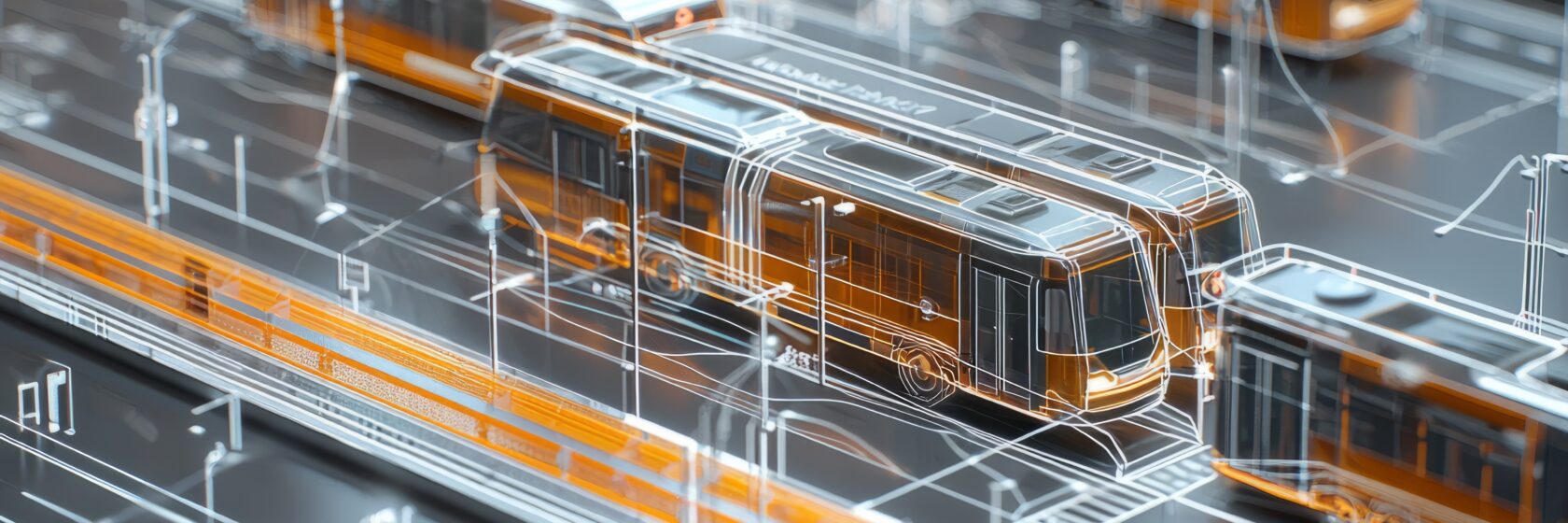
Digital twins are revolutionising how we design, monitor and manage buildings and infrastructure. At Sweco, this technology is a key enabler in our digitalisation strategy—driving sustainability, efficiency, and data-driven decisions throughout the entire asset lifecycle.
A living model
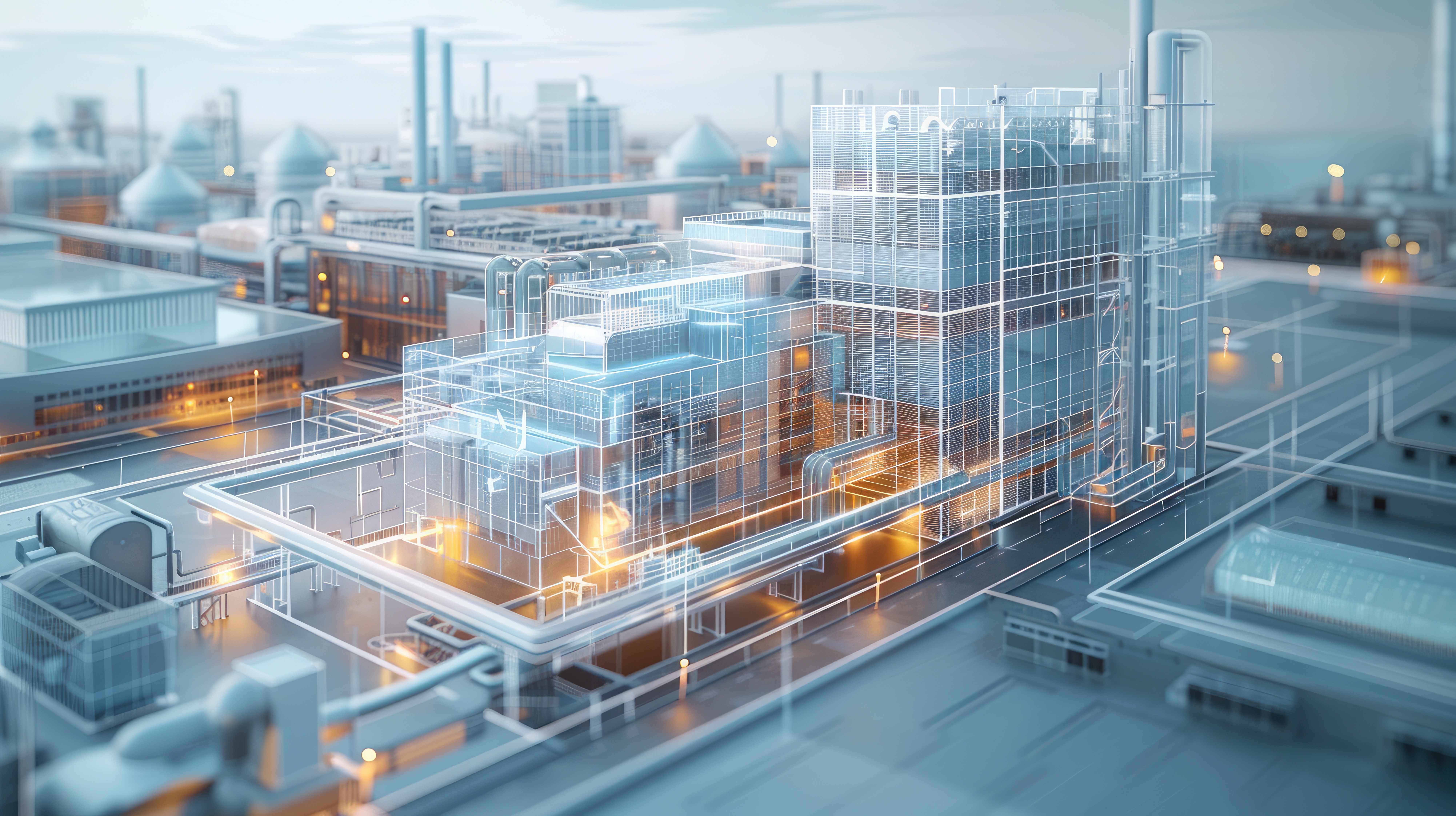
A digital twin is a dynamic virtual replica of a physical asset or system. Unlike a static 3D model, it continuously updates with real-time data from IoT sensors and connected platforms. This “living model” allows us to monitor performance, simulate scenarios, and predict future outcomes—supporting better decision-making from day one.
For example, in a smart building, a digital twin might link BIM data with live sensor readings for energy, occupancy or air quality. Advanced analytics and AI then help predict issues or optimise performance before changes are made in the real world.
Real-time monitoring and predictive maintenance
Digital twins offer live insight into how an asset is performing. By continuously analysing sensor data, they enable predictive maintenance—identifying when components may fail before it happens. This reduces unplanned downtime, extends asset life and lowers maintenance costs. From bridges and tunnels to HVAC systems and water pumps, digital twins transform maintenance into a proactive, data-driven process.
Operational optimisation and sustainability
Digital twins unlock powerful opportunities to reduce energy use and emissions. By providing real-time feedback, they help optimise operations such as lighting, heating and ventilation based on occupancy and weather conditions. Sweco has helped clients cut energy use by up to 38% through smart adjustments made possible by digital twins. These benefits go beyond buildings. Factories, utilities and even cities can apply digital twins to streamline operations and reduce environmental impact—supporting net-zero targets and ESG goals.
Lifecycle value and smarter asset management
A digital twin supports every phase of a building or infrastructure’s life: from design and construction to operations, upgrades and reuse. It serves as a central knowledge base, retaining insights about performance, maintenance history and future scenarios. Sweco used a BIM-based digital twin during the design of Velodroom Limburg to simulate airflow and optimise ventilation—ensuring comfort and performance from the start. Once operational, the twin continues to support lifecycle planning, from efficiency upgrades to regulatory compliance.
Sweco’s vision for digitalisation through digital twins
Digital twins are central to Sweco’s broader vision for digitalisation. We believe in solutions that combine local insight with global expertise—turning cutting-edge technologies into real-world impact. Our Twinfinity® platform is one example: it connects live data to 3D models to help owners manage assets more intelligently and sustainably. At Sweco, digitalisation is not about adopting technology for its own sake. It’s about working together with clients to create smarter, greener communities. We’re proud to lead the way in applying digital twin technology across Europe.


