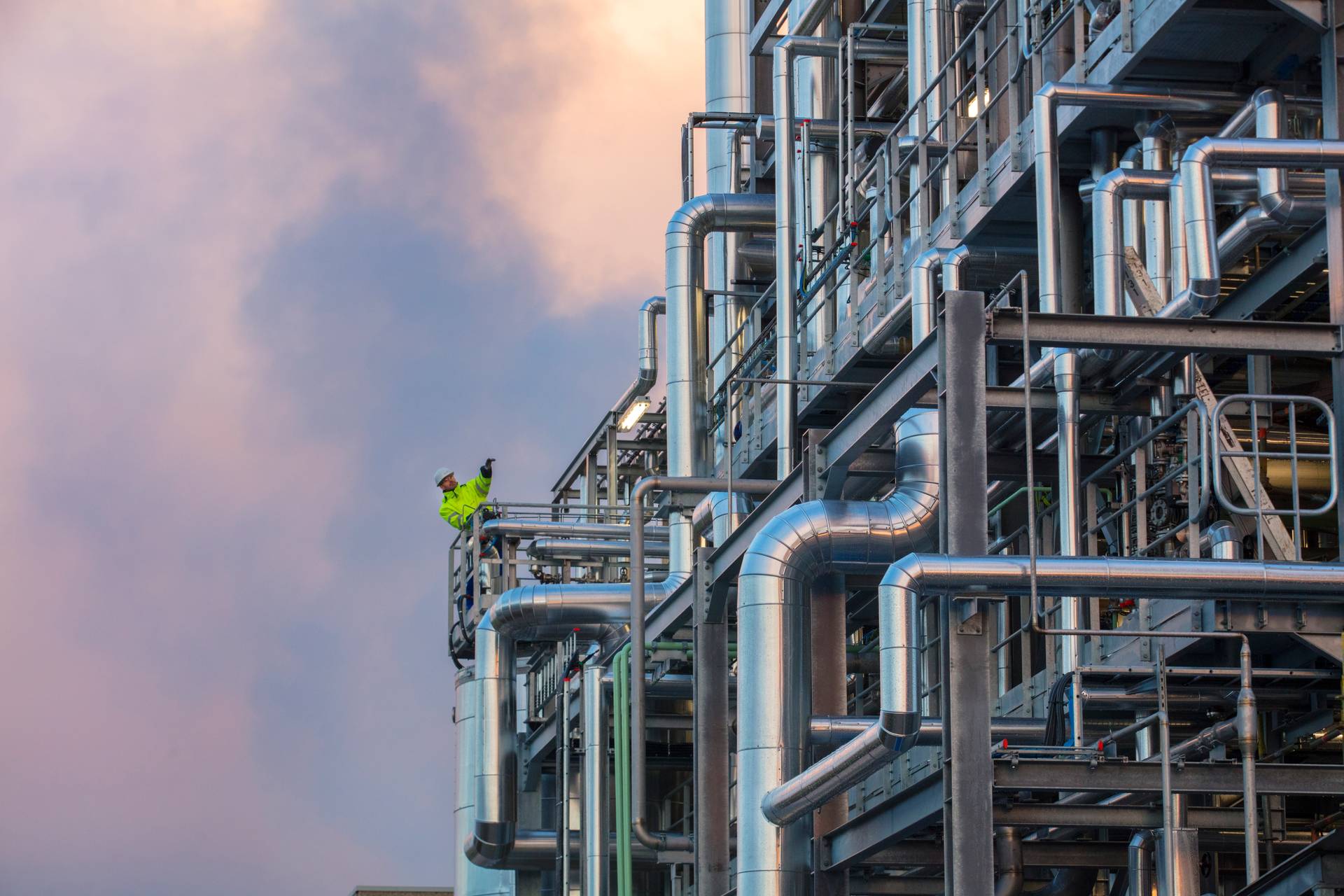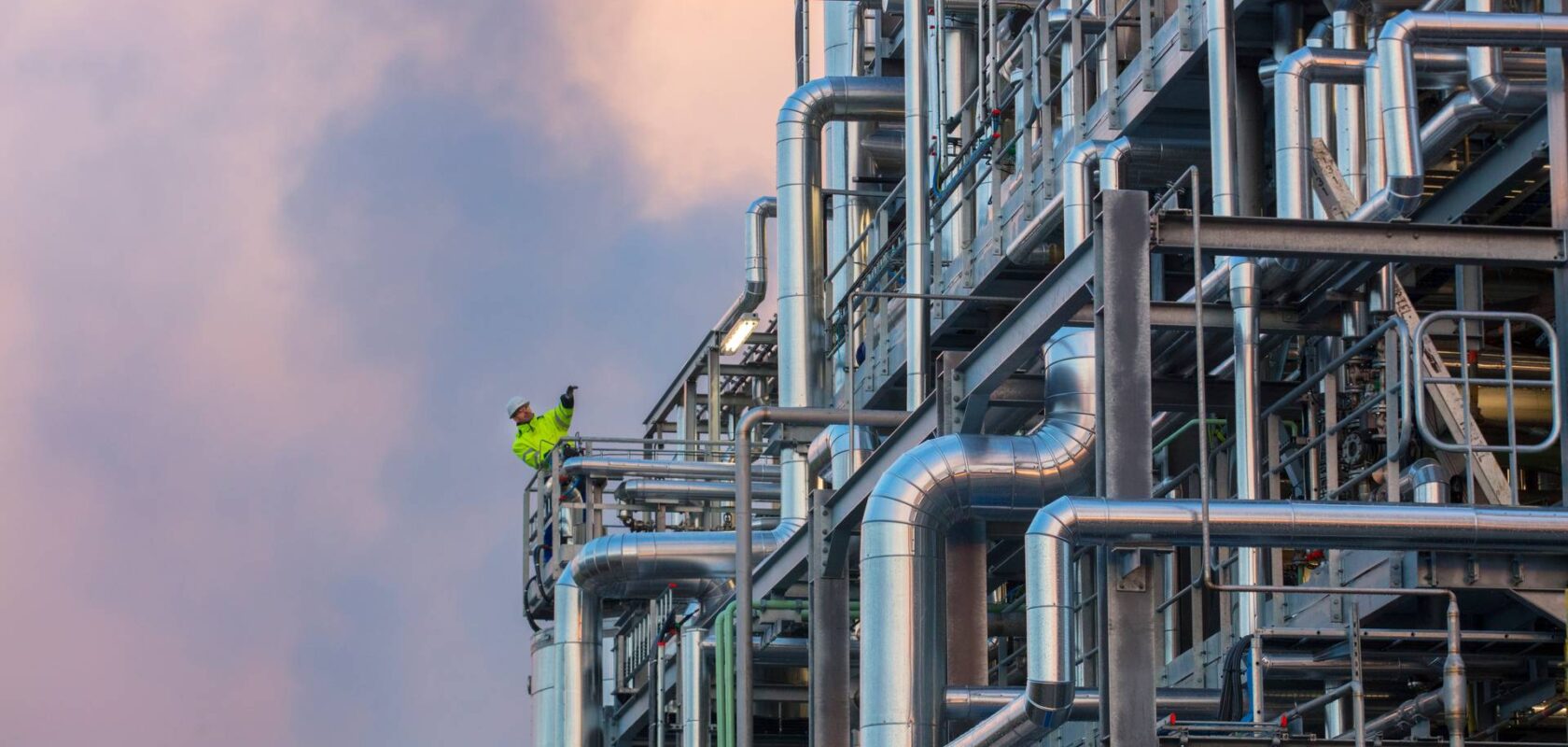
Piping & Stress Engineering for industry, buildings and infrastructure
A reliable piping system is essential for any technical installation. Whether it concerns an industrial plant, a high-performance building environment or a complex infrastructure project, piping forms the critical connection between installations, energy sources and users. With our expertise in Piping & Stress Engineering, we design and calculate piping systems that are safe, compliant with current standards and sustainable. We ensure that the connection between point A and point B is not only logical, but also technically robust under all loads. This guarantees a piping system that operates reliably, efficiently and is future-proof, in line with the latest techniques, standards & practices
What is Piping & Stress Engineering?
Piping engineering focuses on designing piping systems with attention to correct routing, material selection, accessibility, maintenance and safety. Stress engineering analyses how pipes respond to loads such as pressure, temperature, weight, wind or seismic influences. The combination of both disciplines is essential. Without thorough stress analysis, stresses can lead to leakages, cracking, equipment misalignment or premature material fatigue.
We design piping systems that comply with current standards such as ASME B31.3 and EN13480 and that demonstrably meet applicable legislation, including PED 2014/68/EU where relevant.
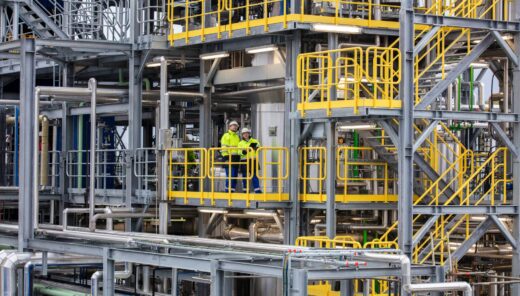
Industrial projects
Within (petro)chemicals, pharmaceuticals, food, energy and water management, piping systems form the network connecting pumps, heat exchangers, tanks and other installations. Errors in routing or support can have a direct impact on production, safety and costs. Within our stress department, we perform nozzle load checks, optimise routing and design supports that prevent overloading. This increases the reliability of the entire installation.
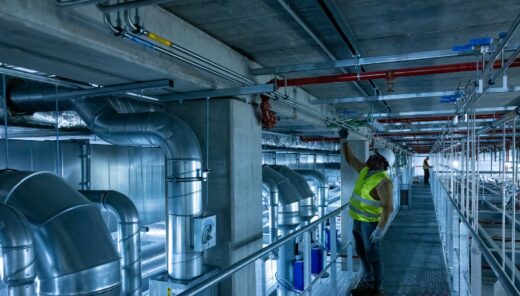
Buildings and high-performance technical installations
In hospitals, laboratories, data centres and other high-performance buildings, piping systems also play a key role. Think of HVAC distribution networks, sprinkler systems, and in-building energy and steam plants. Here, safety, fire protection, accessibility and maintenance are essential. Our integrated approach ensures that technical installations are not only high-performing, but also sustainable and future-oriented.
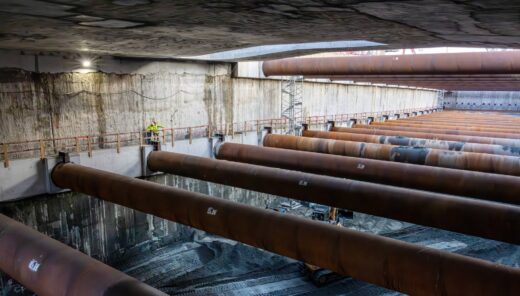
Infrastructure projects
Within infrastructure projects, such as energy and utility networks, piping systems must withstand external loads, environmental influences and complex spatial constraints. By combining piping design with advanced stress analysis, we ensure stable and safe operation in demanding environments.
From concept to detail engineering
The greatest added value is achieved when Piping & Stress Engineering is integrated as early as possible in the design process. In industrial projects, this means involvement from PFD and P&ID stages. In buildings and infrastructure, this relates to integration within the initial technical concept and spatial layout. We work closely with process engineers, civil designers, E&I engineers, mechanical/equipment specialists, HVAC specialists & fire safety experts, E&I teams and civil designers. This multidisciplinary collaboration reduces clashes, avoids rework and optimises the total project cost.
Stress analysis and risk management
Piping systems are continuously exposed to internal and external loads. Our stress engineering includes:
- Analysis of thermal expansion and flexibility
- Calculation of sustained, operating and occasional loads
- Verification of nozzle loads on equipment
- Flange and bolt calculations
- Verification against current codes and standards
We also design support systems according to our own Sweco supporting standard, ensuring correct anchoring, guidance and flexibility of piping under all conditions.
This approach reduces risks such as leakages, vibrations, water hammer, corrosion and structural damage.
Digital piping engineering and BIM integration
Our piping systems are designed within an integrated 3D and BIM environment. Using tools such as Autodesk Plant 3D, ACC, Autodesk Recap, Navisworks and CAESAR II, we ensure a consistent link between the 3D model, isometrics and stress model.
This digital workflow enables:
- Early clash detection
- Consistent data flow between disciplines
- Improved quality control
- Standardised and reliable deliverables
Digital engineering improves efficiency during design and execution and reduces failure costs in later project phases.
Related expertise
Build your future at Sweco
Make an impact and help transform the world at Sweco! With our focus on innovation and sustainability, we give you the opportunity to truly make a difference in multidisciplinary projects.
Sweco offers a flexible work environment, sustainable mobility options, and a healthy work-life balance. Join a dynamic team where personal development and enjoyment go hand in hand, and help build the future.
Related news

Making CCS Work: Insights from Real Industrial Projects
Read more

New national hockey stadium ready for the 2026 World Cup
Read more

UZ Gent is building the care of tomorrow with Project U
Read more