Compact and future-oriented hospital in Vilvoorde
AZ Jan Portaels
On the former Renault site in Vilvoorde, the new AZ Jan Portaels is taking shape: a compact, flexible, and sustainable healthcare facility where patient-centred care is at the heart of everything.
Facts about the project
- AZ Jan Portaels
- Client
- Vilvoorde, Belgium
- Location
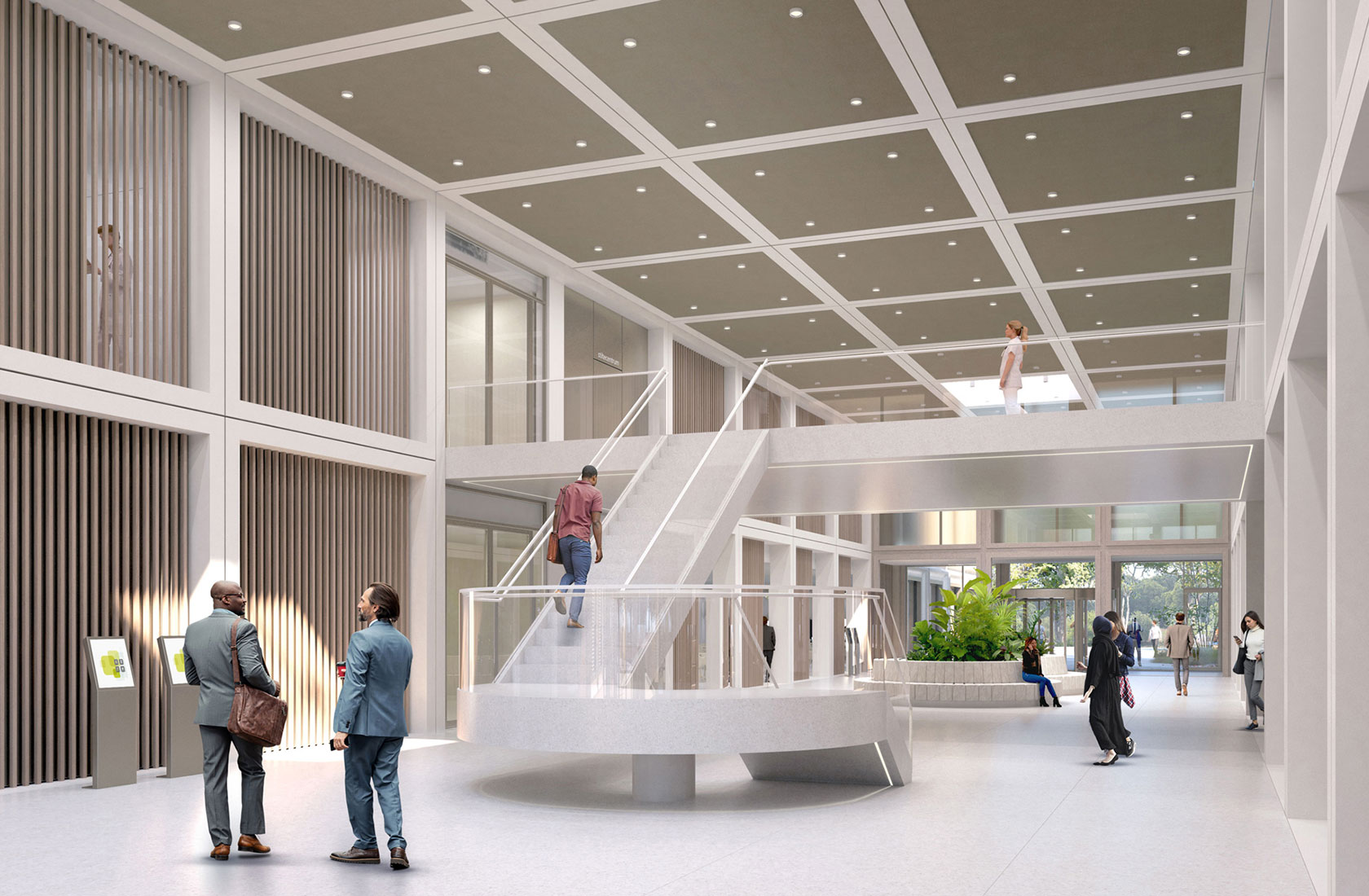
Two wings connected by a bright entrance hall
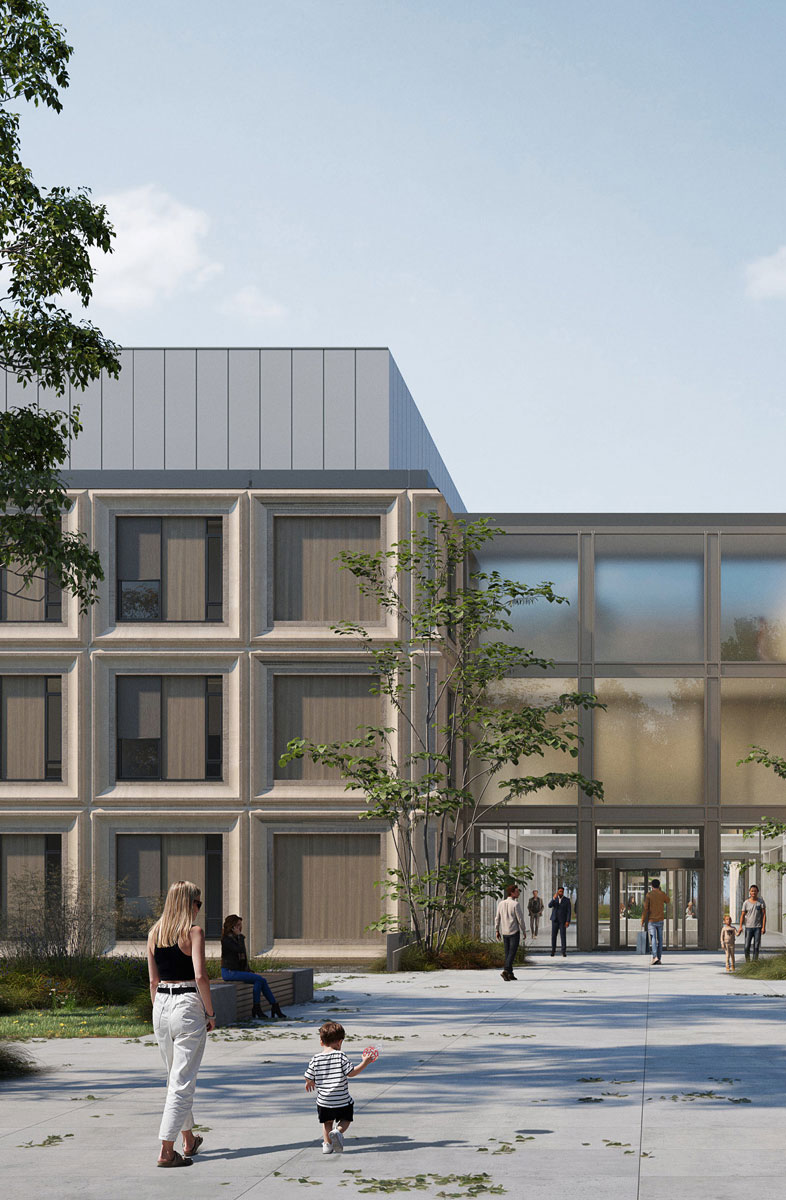
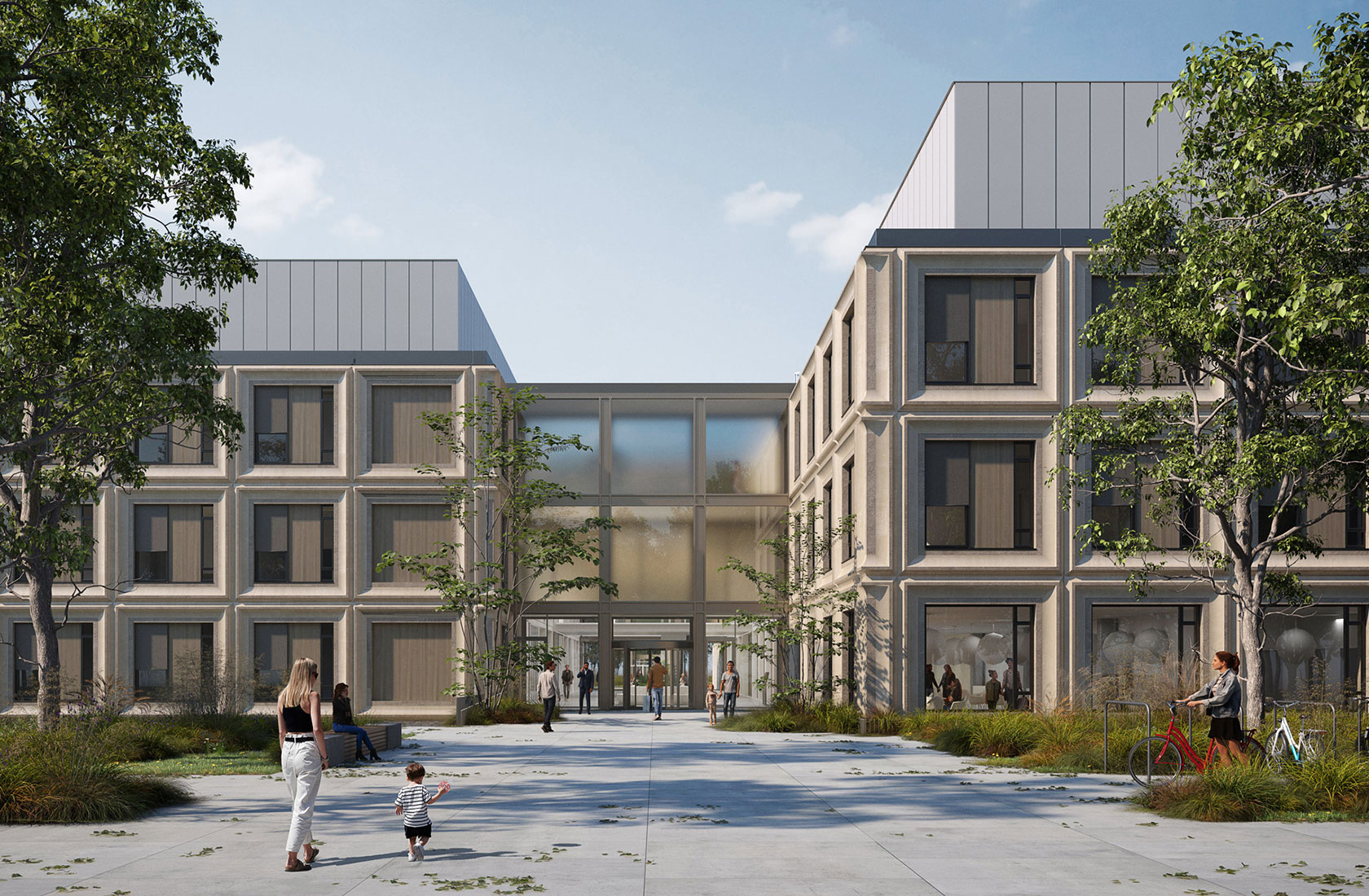
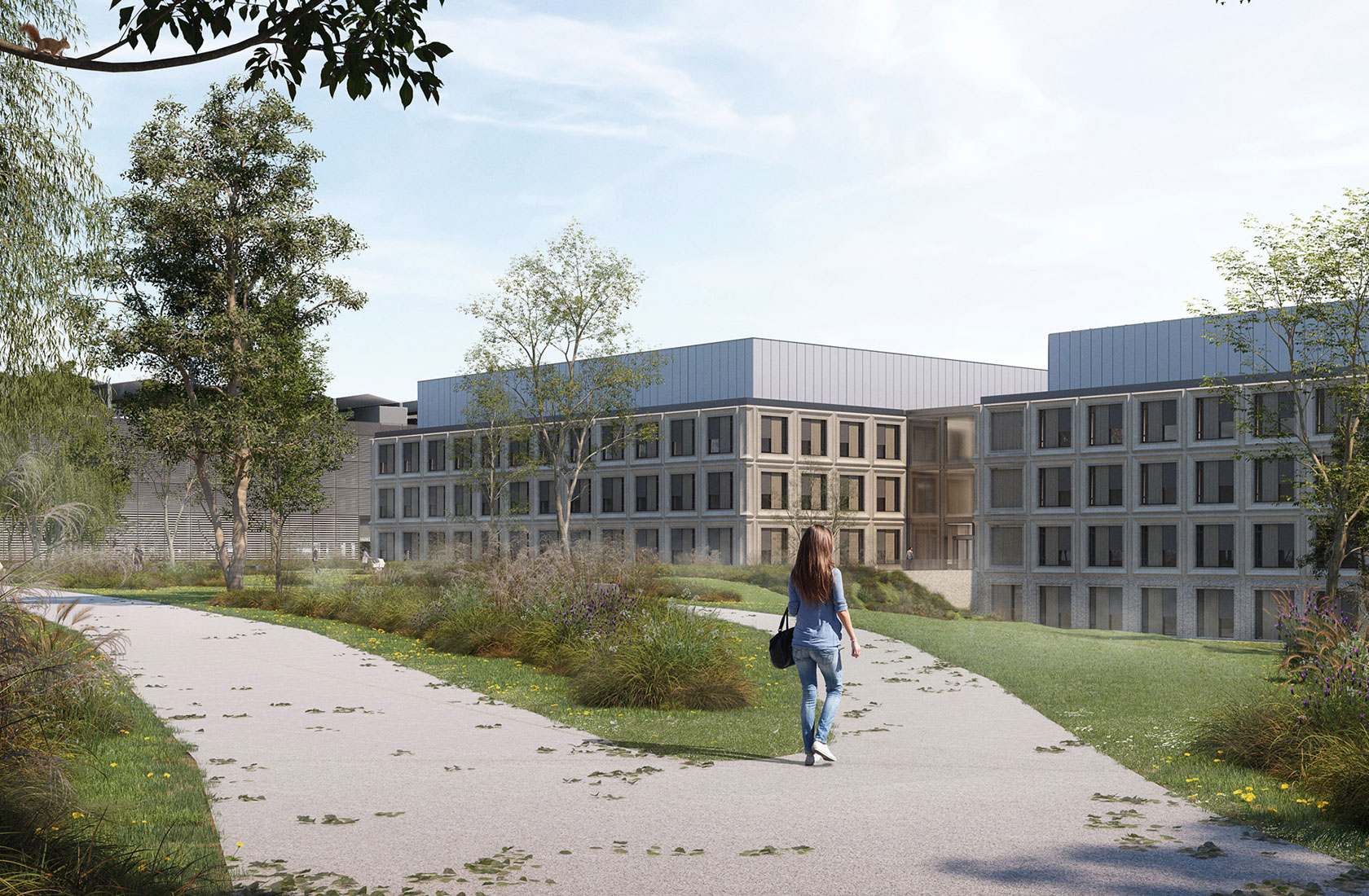
The new building will be smaller than the current hospital and consists of two main volumes connected by a tall, transparent entrance hall. One wing houses the inpatient wards and consultation areas; the other contains a high-tech care zone with examination and treatment rooms, the “hot floor,” emergency department, medical imaging, and an oncology day centre.
Flexibility through modular design
Thanks to its modular construction concept, the hospital can easily adapt to new medical technologies and changing care needs. All spaces share the same structure and dimensions within a ring-shaped layout. This allows rooms to be repurposed quickly, departments to scale up or down efficiently, and specific circulation routes to be introduced—for example, in case of pandemics.
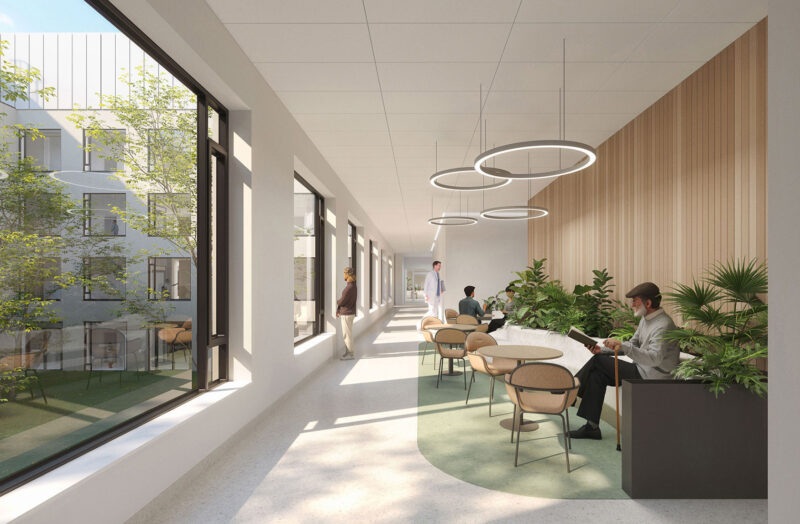
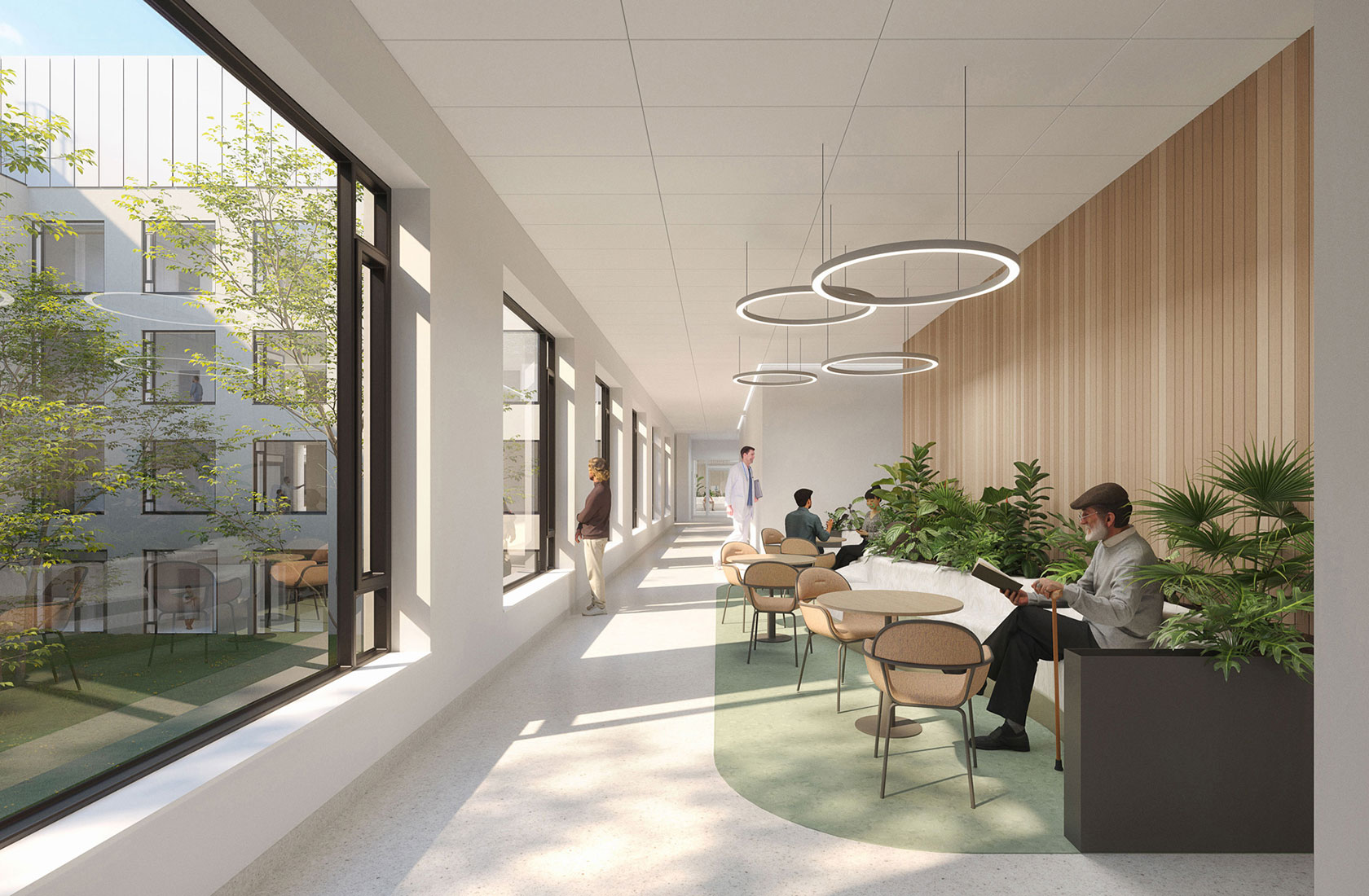
The design strongly emphasises patient wellbeing and comfort. Every room benefits from daylight and a view of either the city park or an internal patio. Warm materials, thoughtful colour schemes, and calming green areas contribute to a healing environment. Accessible rooftop gardens are also provided for palliative and psychiatric patients.
Innovation as a core value
Smart technologies are designed to give healthcare staff more time for direct patient care. The hospital is exploring the use of robotics and telemonitoring. Through a patient portal, patients will be able to manage appointments and access information about their treatments.
Sustainable and efficient
The energy concept includes heat recovery, solar panels, and an aquifer thermal energy storage system (ATES) with geothermal heat pumps. Rainwater is collected and reused. The logistical setup is also optimised, for example by providing each department with its own kitchen rather than one central kitchen. This approach aligns with the shift towards more day and outpatient care, which reduces the number of meals that need to be prepared.
In collaboration with Wiegerinck.