Green Turtle battery energy storage park combines energy transition and biodiversity in Dilsen-Stokkem
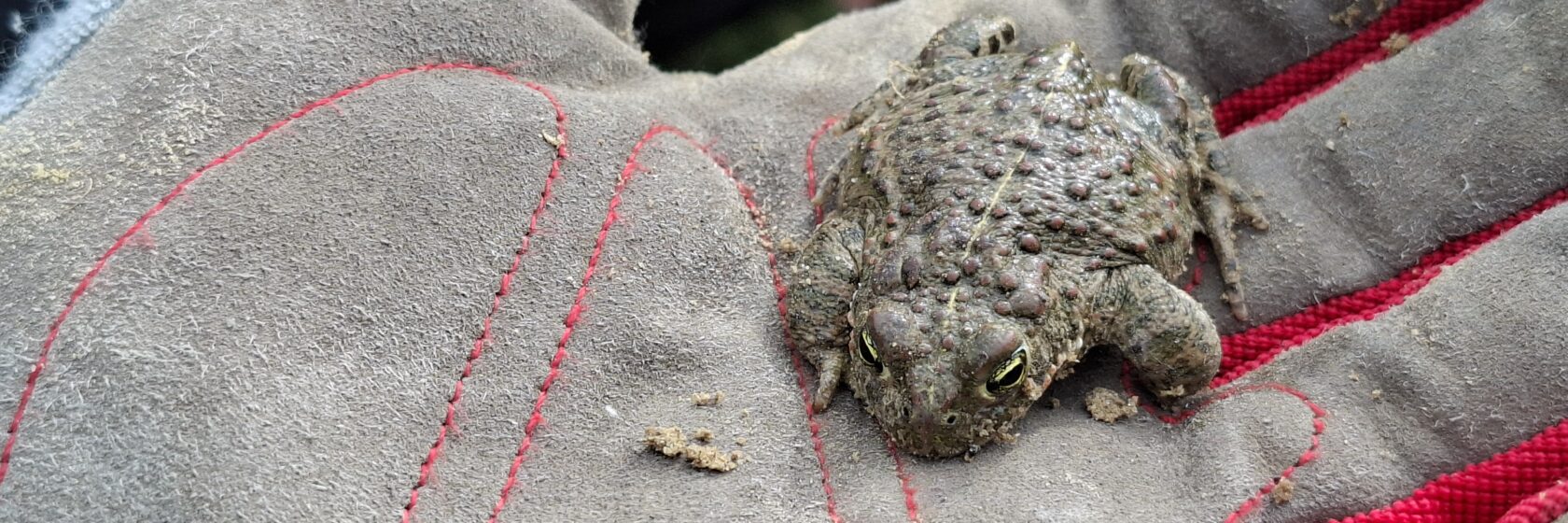
In Dilsen-Stokkem, Sweco is contributing to Green Turtle, one of the largest battery energy storage parks in Europe. The project plays a key role in the energy transition by temporarily storing renewable electricity and helping to create a more stable and flexible power grid. At the same time, the site is located within an ecologically valuable area that provides habitat for several protected species, including the Natterjack Toad.
For Sweco, Green Turtle is a strong example of how complex energy infrastructure and biodiversity can go hand in hand. By actively integrating ecological considerations from the very beginning of the design and permitting process, an integrated approach is created in which technology, nature and the surrounding environment reinforce one another.
- Client
- Giga Storage
- Location
- Dilsen-Stokkem, Belgium
- Sweco scope
- Environmental permitting, ecological studies, species protection, landscape integration, construction support
Battery storage as a driver of the energy transition
The continued expansion of renewable energy brings new challenges for the electricity grid. Energy generated by wind and solar farms is not always available when demand is at its highest. Large-scale battery storage therefore plays a crucial role in the energy system of the future.
Green Turtle will temporarily store renewable energy and make it available again when the grid requires additional capacity. In this way, the project helps balance fluctuations in energy production and accelerates the integration of renewable energy sources.
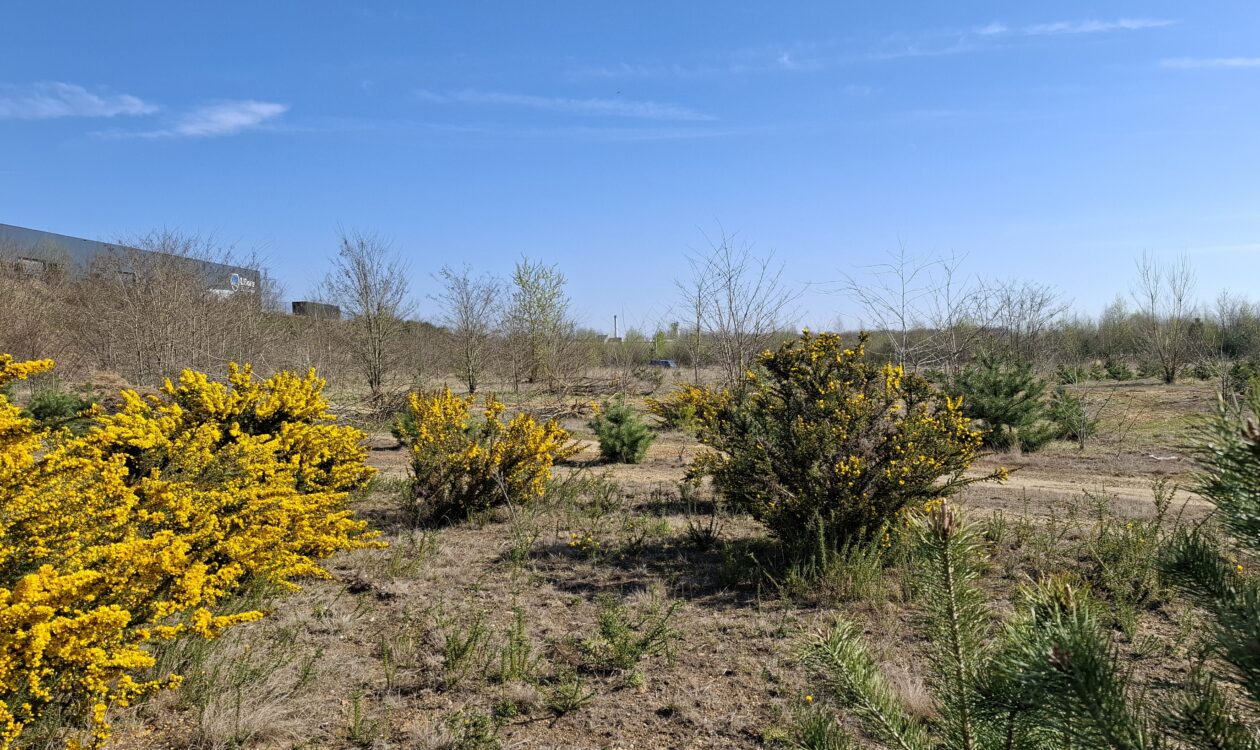
The project is being developed on a former industrial site in Dilsen-Stokkem. Although the area was designated for industrial use, it gradually evolved into a valuable habitat for a wide range of plant and animal species.
Protected species on a future construction site
During site visits and ecological surveys, Sweco identified the area as a suitable habitat for several reptile and amphibian species, including the European protected Natterjack Toad.
The combination of sandy areas, stones, slopes and temporary ponds created ideal conditions for breeding, shelter and survival. Since a large part of the site will be developed into a battery storage facility, part of the existing habitat would inevitably be affected.
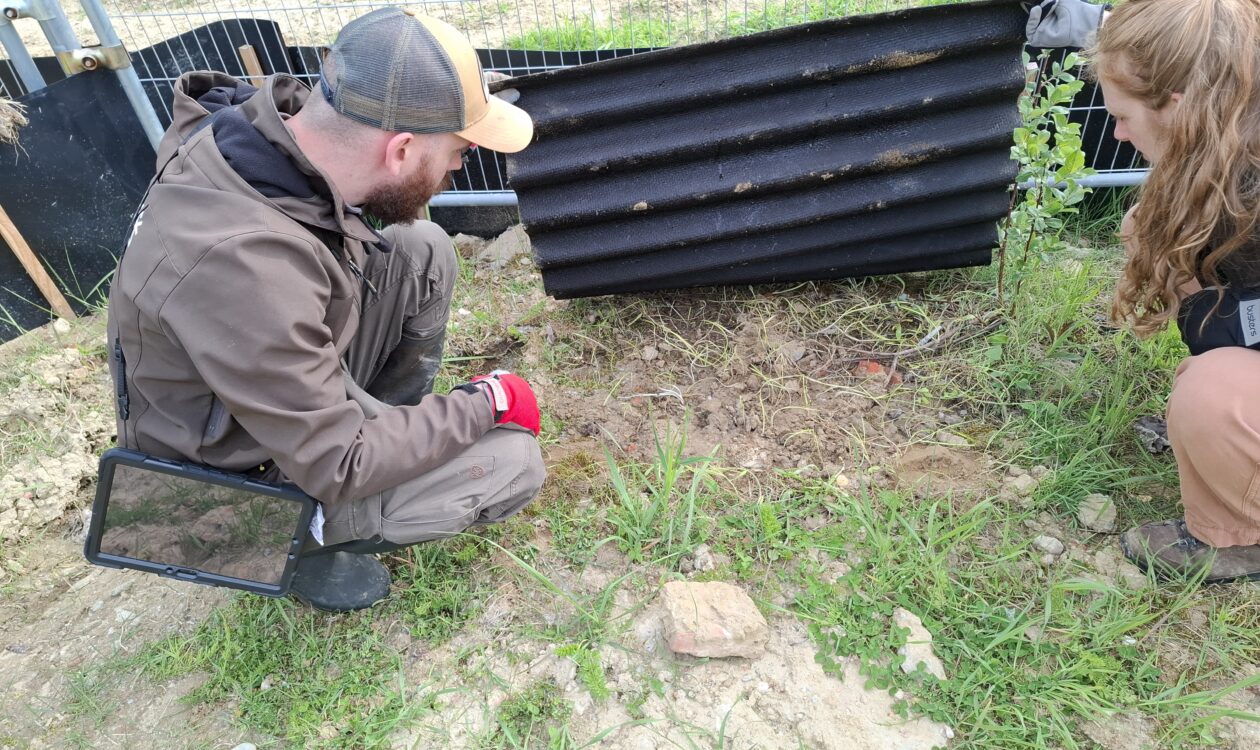
There can easily be hundreds of toads on site without you noticing, as they hide beneath stones and in small shelters.
Carmen Van Mechelen, Project Manager / Ecologist, Sweco
From ecological research to concrete measures
The Natterjack Toad is protected under the Flemish Species Protection Decree and is listed under the European Habitats Directive. This means that activities resulting in habitat loss cannot simply proceed without additional measures and approvals.
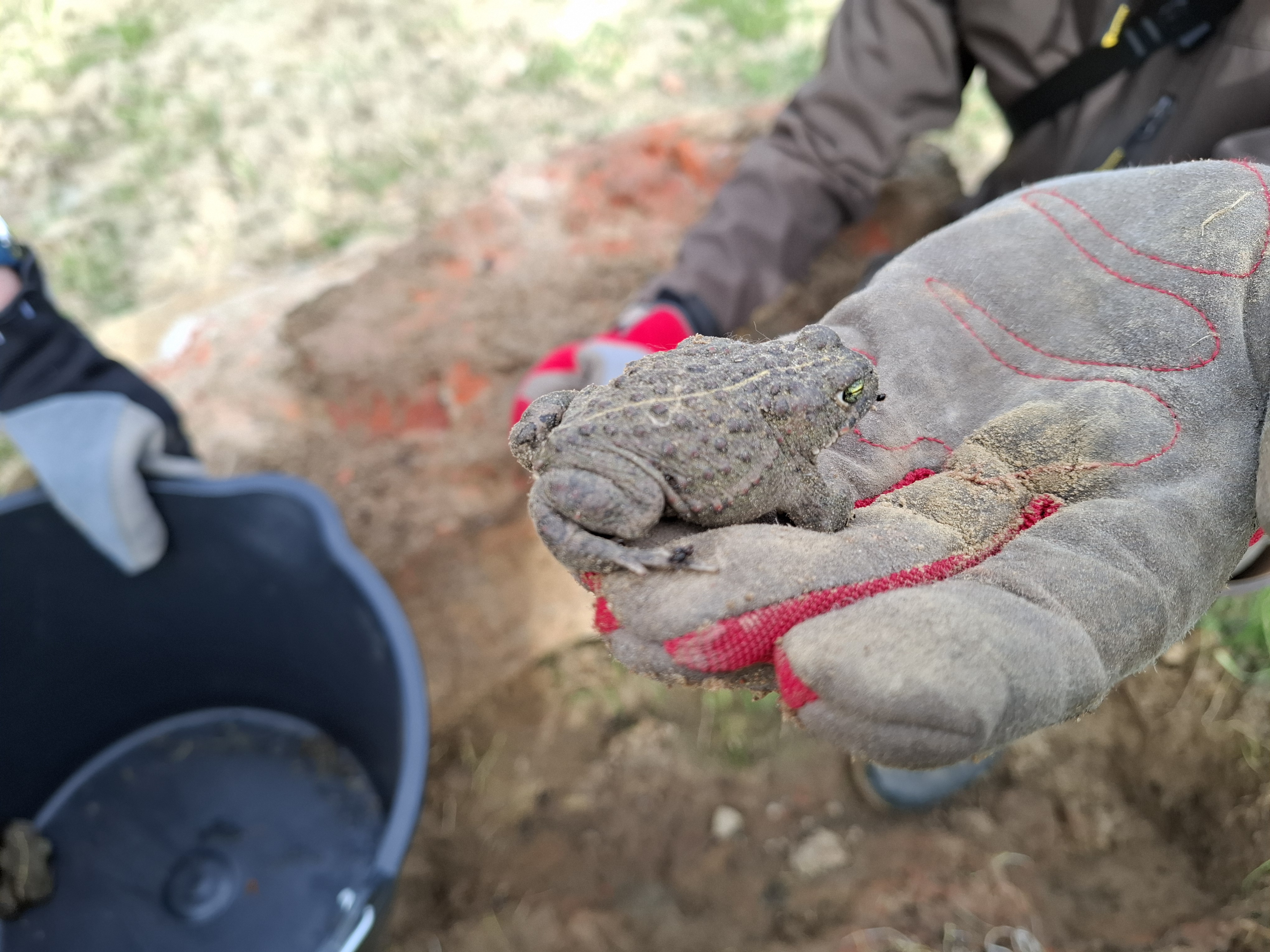
As part of the environmental permitting process, Sweco therefore prepared an ecological work protocol, ecological logbook and a formal derogation request under the Species Protection Decree. Advice and approval were obtained from the Flemish Agency for Nature and Forests (ANB). Based on field surveys, local ecological knowledge and experience from similar projects, a comprehensive strategy was developed for the controlled capture and relocation of the animals.
At Sweco, we deliberately choose not to simply overlook protected species, but to actively design new habitats for them and bring them to safety.
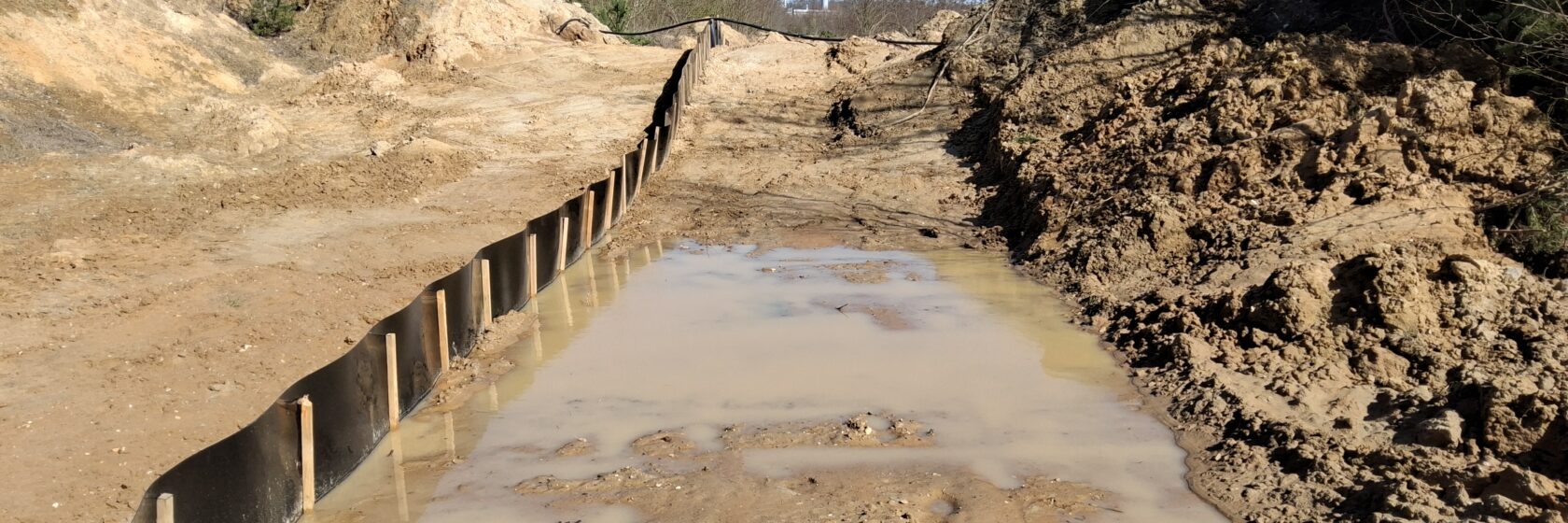
Before construction activities begin, a new pond and habitat area will first be created. A temporary amphibian fence will then be installed around the construction zone to prevent animals from re-entering the site.
Within this area, Sweco’s specialist ecologists will carry out systematic monitoring throughout an entire active season. Animals will be carefully searched for beneath specially installed cover boards, recorded and safely relocated to their new habitat.
All capture operations are performed according to strict protocols and under close supervision. Observations are documented in ecological logbooks and databases such as Waarnemingen.be. The results are subsequently reported to the Flemish Agency for Nature and Forests.
A permanent habitat for the Natterjack Toad
The ecological measures extend beyond temporary protection during construction. Sweco also developed a permanent ecological enhancement plan that will remain in place after project completion.
The new pond and surrounding green zone are specifically designed to meet the needs of the Natterjack Toad and other reptile and amphibian species. Sandy areas, natural slopes, shelter opportunities and overwintering habitats create a sustainable environment in which these species can thrive over the long term.
“The pond and green zone will remain in place. That represents a lasting benefit for the Natterjack Toad and many other species.”
By integrating new nature areas into an energy infrastructure project, biodiversity becomes an integral part of the design rather than a constraint.
A permanent habitat for the Natterjack Toad
The ecological measures extend beyond temporary protection during construction. Sweco also developed a permanent ecological enhancement plan that will remain in place after project completion.
The new pond and surrounding green zone are specifically designed to meet the needs of the Natterjack Toad and other reptile and amphibian species. Sandy areas, natural slopes, shelter opportunities and overwintering habitats create a sustainable environment in which these species can thrive over the long term.
“The pond and green zone will remain in place. That represents a lasting benefit for the Natterjack Toad and many other species.”
By integrating new nature areas into an energy infrastructure project, biodiversity becomes an integral part of the design rather than a constraint.
Ecology integrated into design and permitting
For Sweco, Green Turtle demonstrates the importance of early ecological integration within complex infrastructure projects. By involving ecologists from the earliest stages, potential risks could be identified and incorporated into the design, planning and permitting process.
This approach prevents delays during construction and avoids the need for corrective measures at a later stage. It also creates stronger support among permitting authorities, stakeholders and the local community.
In addition to the ecological studies, Sweco’s ecologists contributed to the landscape integration study, helping optimise the integration of the battery storage facility within its surroundings. Particular attention was paid to nearby nature areas and the existing landscape character.
“With the right scientific foundation, you can see everyone aligning behind the same vision: a modern energy facility that also delivers tangible benefits for biodiversity.”
Collaboration between engineering, ecology and construction
The project illustrates how multidisciplinary collaboration is essential for today’s energy projects. Ecologists, permitting specialists, designers, landscape architects and construction partners work closely together to achieve both technical and ecological objectives.
This integrated approach ensures that construction activities can proceed safely and efficiently while simultaneously creating ecological added value for the surrounding environment.
The client also benefits significantly from this methodology. By investing in ecological guidance from the outset, risks related to unexpected project interruptions or additional permitting procedures during construction are minimised.
Collaboration between engineering, ecology and construction
The project illustrates how multidisciplinary collaboration is essential for today’s energy projects. Ecologists, permitting specialists, designers, landscape architects and construction partners work closely together to achieve both technical and ecological objectives.
This integrated approach ensures that construction activities can proceed safely and efficiently while simultaneously creating ecological added value for the surrounding environment.
The client also benefits significantly from this methodology. By investing in ecological guidance from the outset, risks related to unexpected project interruptions or additional permitting procedures during construction are minimised.
A forward-looking example for energy infrastructure
Green Turtle demonstrates that the energy transition does not have to come at the expense of biodiversity. On the contrary, by actively integrating nature into both design and implementation, the project creates a synergy between infrastructure, ecology and sustainability.
For Sweco, the project serves as an inspiring example of how future energy developments increasingly require a multidisciplinary approach. Today, sustainable infrastructure development encompasses not only technical performance, but also nature conservation, permitting, climate adaptation and spatial integration.
The fact that we can combine a high-tech energy project with concrete measures for a vulnerable species demonstrates that the energy transition and biodiversity can perfectly go hand in hand.