Cycle infrastructure
Kolenspoor: Limburg builds the longest cycle highway route ever
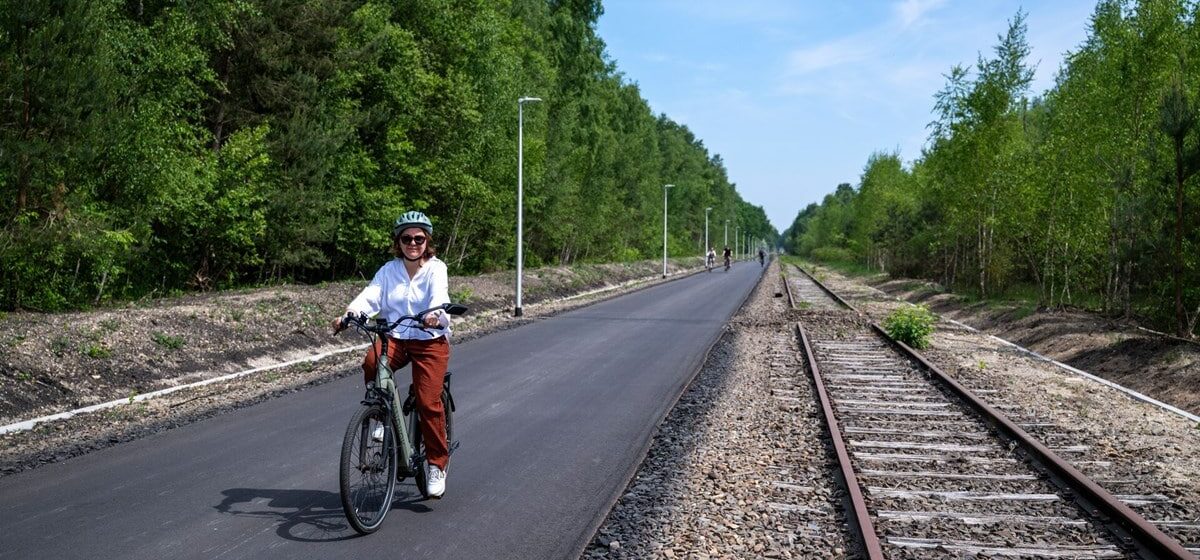
The Kolenspoor in Limburg is one of the most ambitious cycle highway projects in Belgium. The first section of the F75 cycle highway was officially opened on 20 June 2025 by the Province of Limburg.
Sweco was responsible for process management, design, and execution files, including supervision of the construction works. Ultimately, this route will become a 77 km long cycling connection linking the former mining municipalities between Beringen and Maasmechelen.
- Client
- Province of Limburg
- Location
- Limburg
- Expertise
- Process management, design, and execution files, supervision of the construction works
Cycle highway opens up Limburg
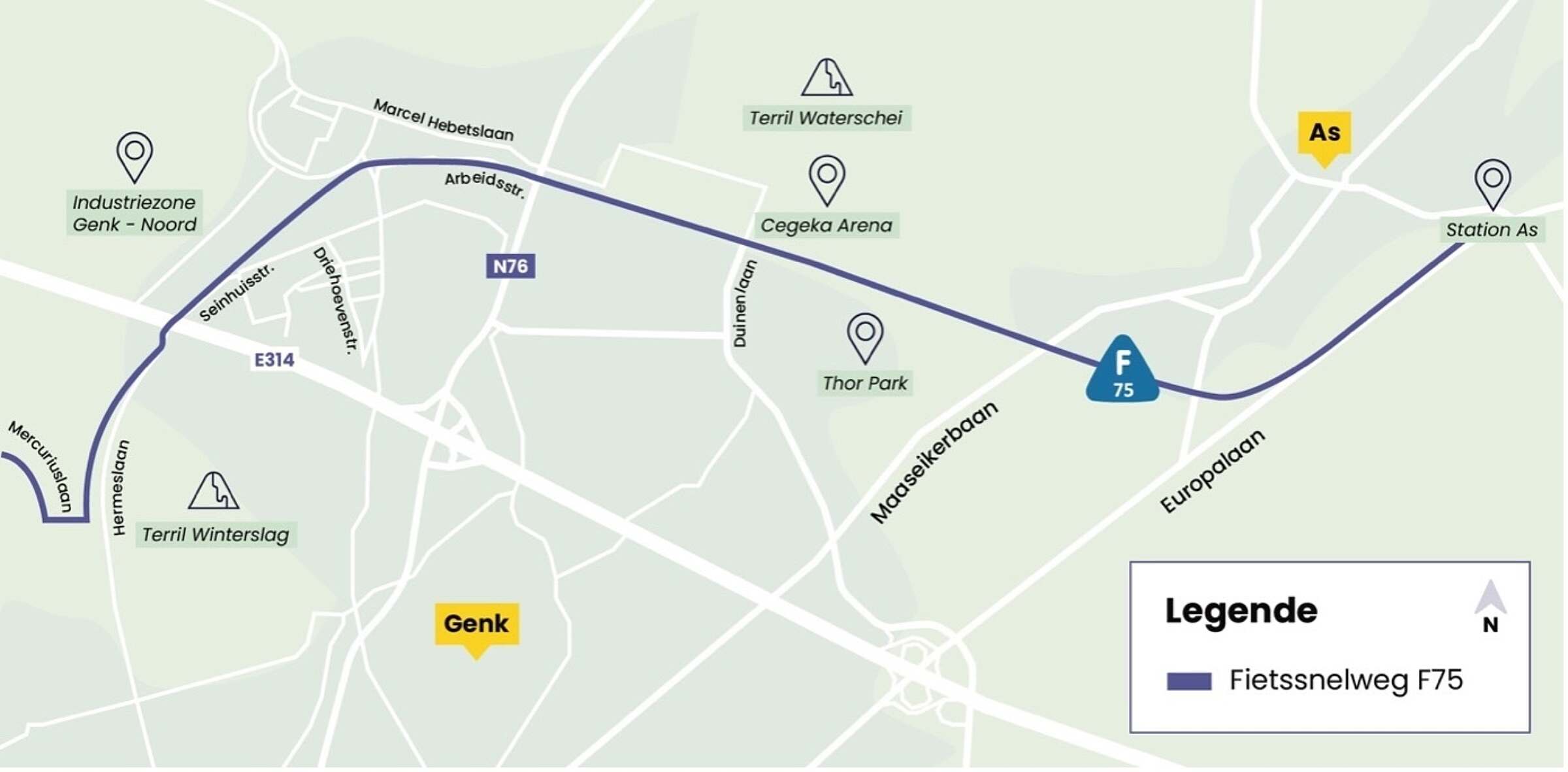
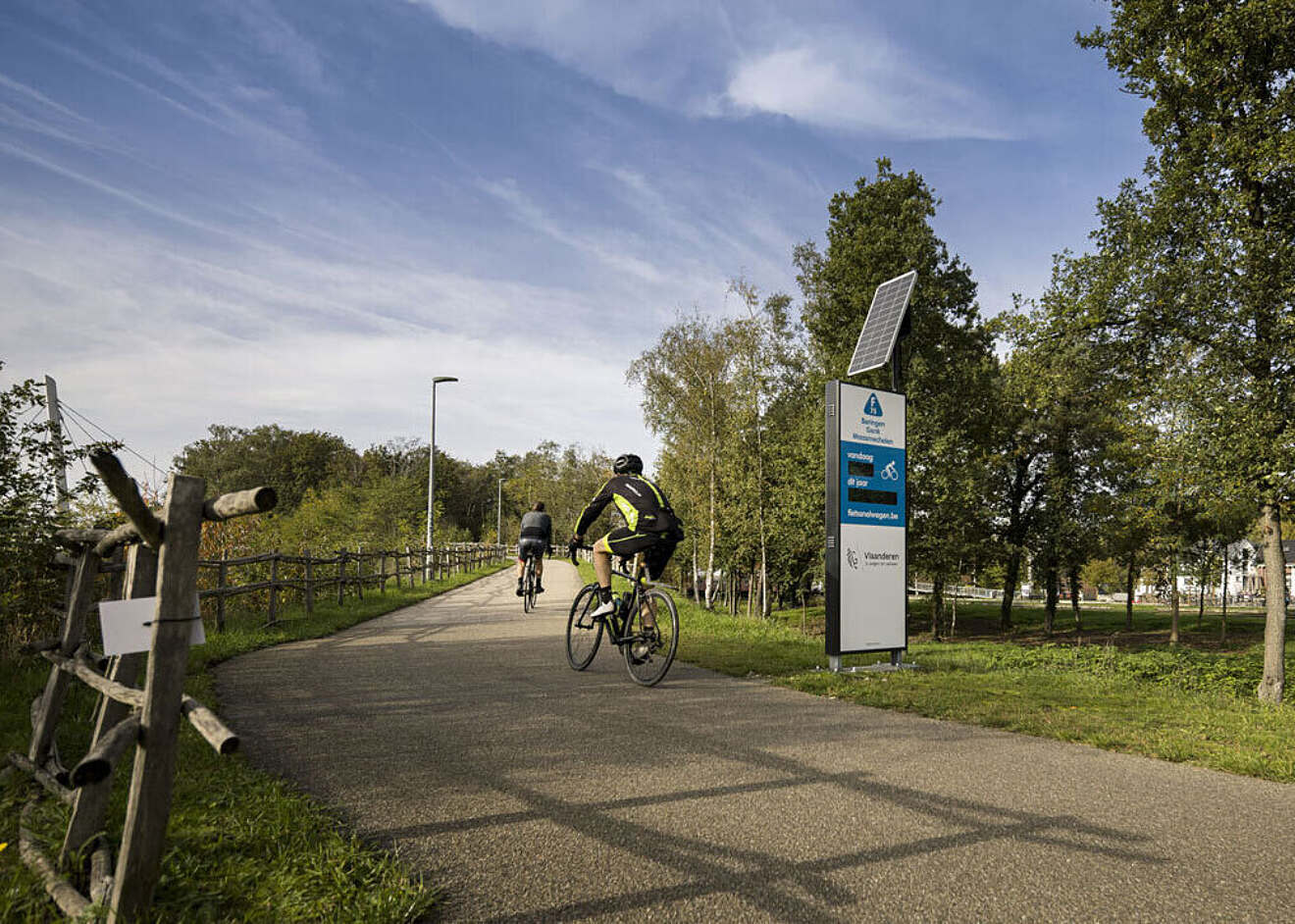
The first completed section is a 12 km route between Genk-Noord and As station. The route starts at Ikea in the Genk-Noord industrial zone and winds through Driehoeven and Zwartberg past the KRC Genk stadium. It then passes Thor Park and Klaverberg, ending at As station.
The section from Genk to As was deliberately chosen as the first route. This connection was a missing link in Limburg’s cycle highway network. With this realisation, the Maasland is now functionally connected to Central Limburg.
Bert Lambrechts, Deputy for Mobility
I’m convinced this route will be heavily used. For the many KRC Genk supporters from our region alone, it’s a blessing that the cycle highway leads directly to the stadium. But daily commuters and tourists will also quickly find their way here.
Tom Seurs, Mayor of As
A model of multidisciplinary project approach
This project showcases how Sweco uses its broad expertise to successfully complete complex projects. From design to execution, various disciplines work closely together. Attention is paid to infrastructure and mobility, but also to ecology, landscape design, and stakeholder management. Even technical aspects such as soil surveys and demolition monitoring are carefully considered. Thanks to this integrated approach, the Kolenspoor is taking shape as a future-oriented and sustainable cycle highway.
Integrated design invites relaxation and experience
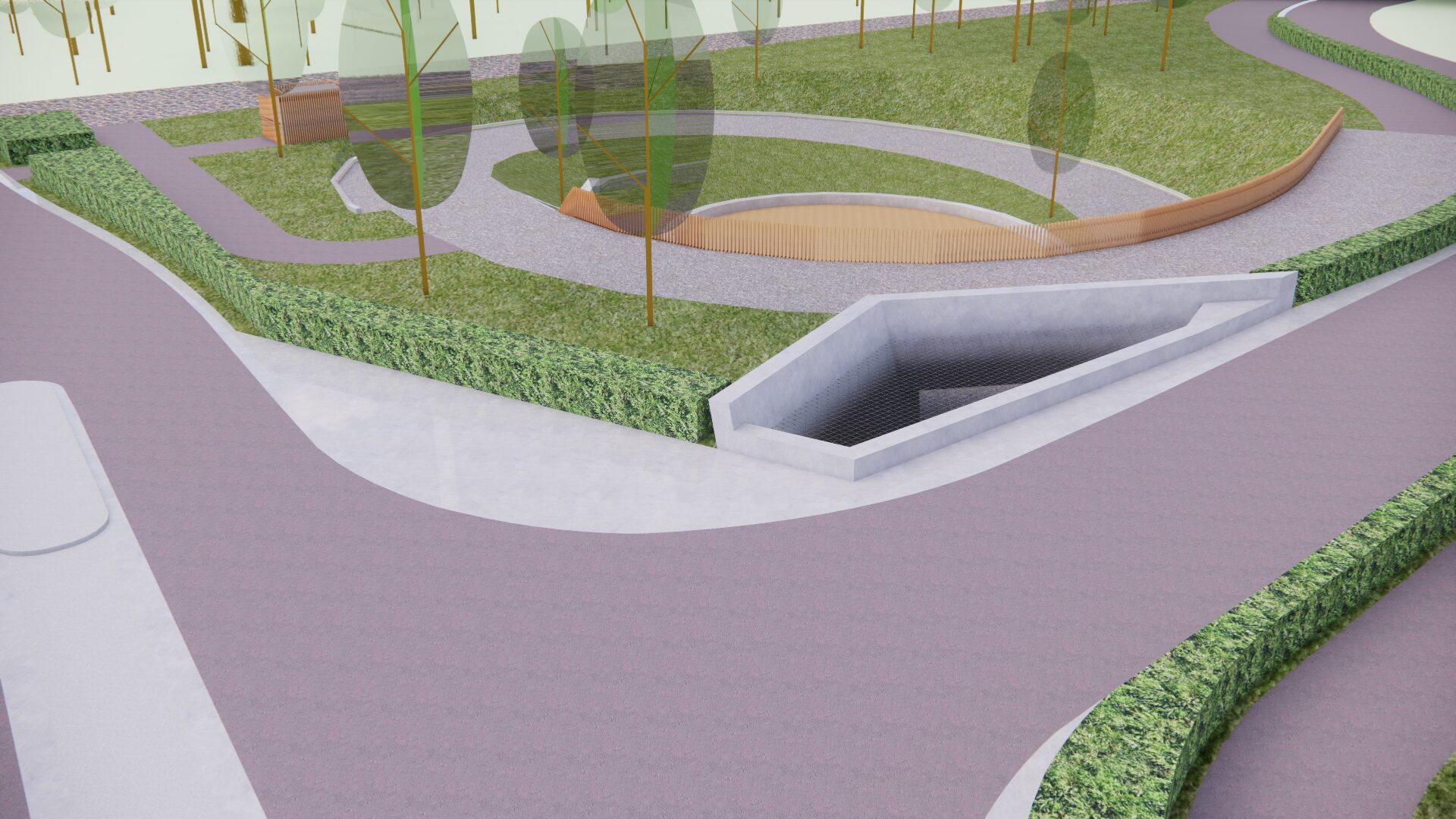
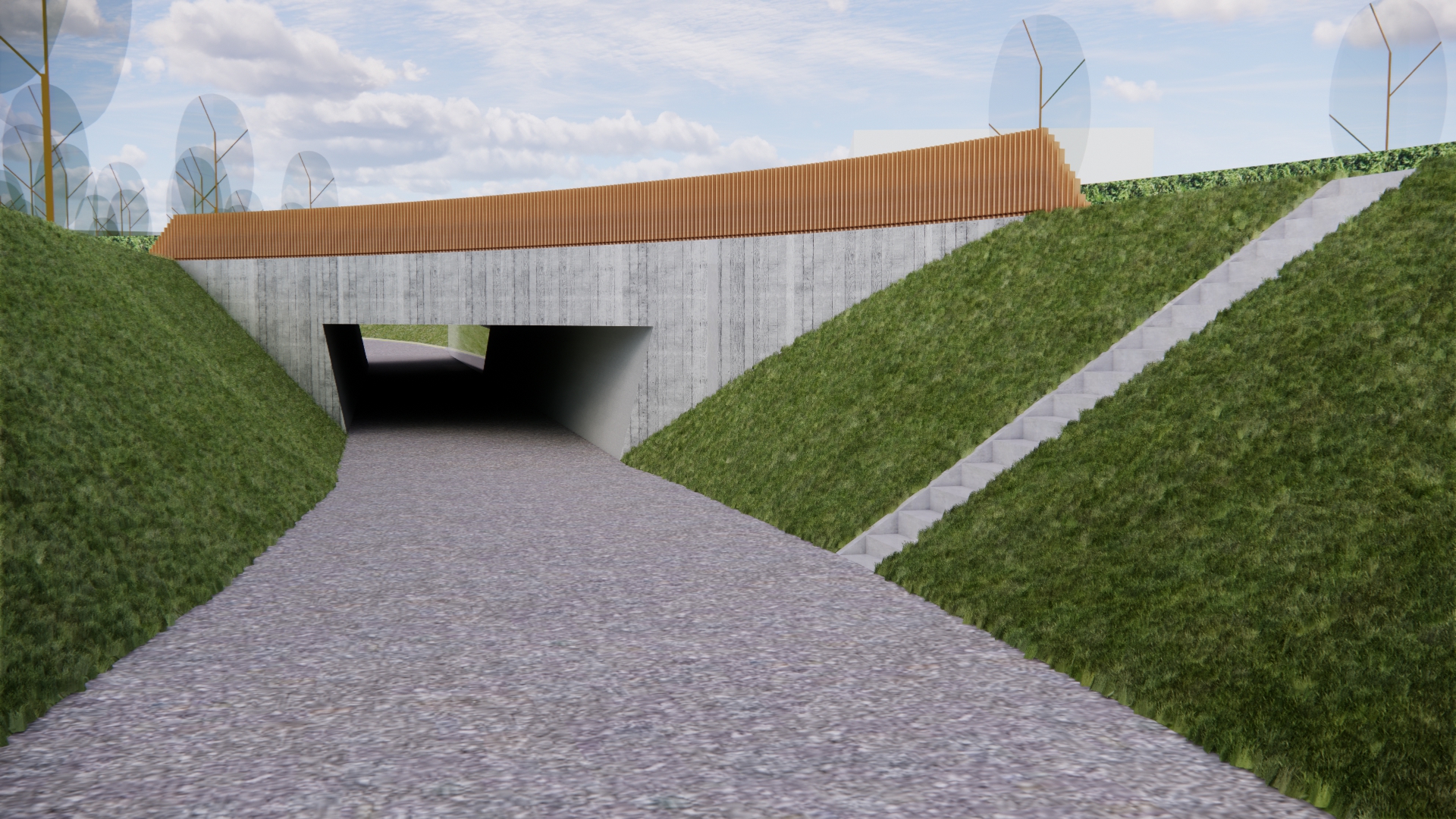
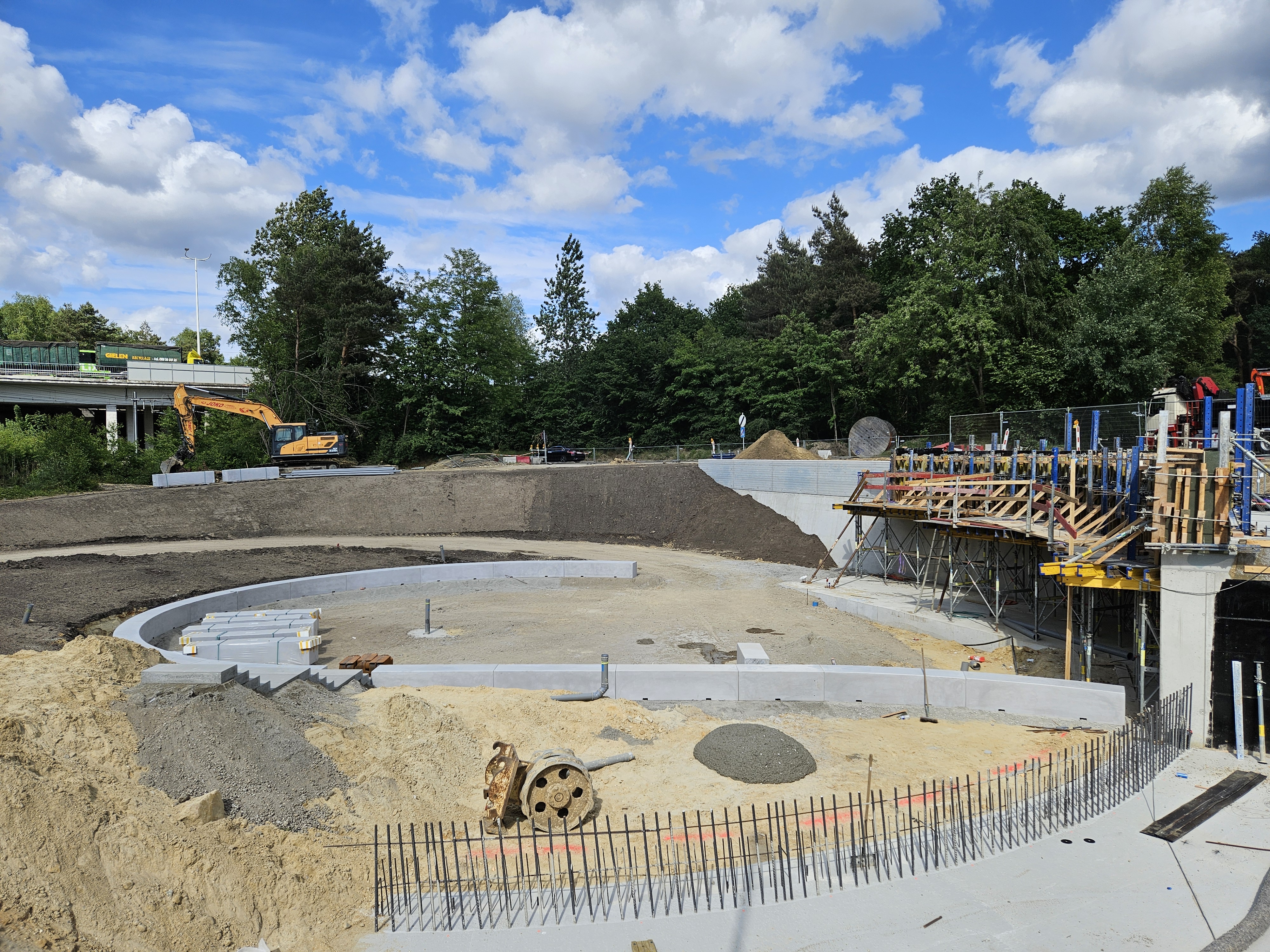
The Kolenspoor crosses Hengelhoefstraat via a grade-separated junction. Space on both sides of the crossing was limited. On the south side, the slope was placed as close as possible to Hermeslaan to leave room for a future building. On the north side, the slope was integrated in a spiral shape, with a circular resting area surrounded by benches in the centre.
Benches are also provided on the embankments between this rest area and the cycle path, in the form of an amphitheatre. Scots pines will be planted here and lit atmospherically in the evening with uplighters. For social safety, a straight sightline through the tunnel was created, and openings were added where possible to let in daylight.
The tunnel walls slope slightly outward to create a sense of openness. The materials subtly reference the mining past: vertical joints are placed at regular intervals between the formwork panels, aligned with skylights in the ceiling. The outer walls will have a wood-textured formwork, and the balustrade will feature vertical wooden slats. One wall will also include space for a poem.
Maximum use of circular materials
Modern infrastructure projects increasingly focus on on-site reuse and recycling of materials. The Kolenspoor is a great example. Under Sweco’s guidance, the existing railway ballast – the gravel under the old tracks – was fully reused during the construction of the first section. Processing it on-site avoided the need for new raw materials and significantly reduced transport and CO₂ emissions.
Thanks to smart phasing, the works proceeded efficiently. By tackling the project in steps, there was room for adjustments, and material reuse was seamlessly integrated. The result? A sustainable cycle highway with a minimal ecological footprint.
From industrial artery to green corridor
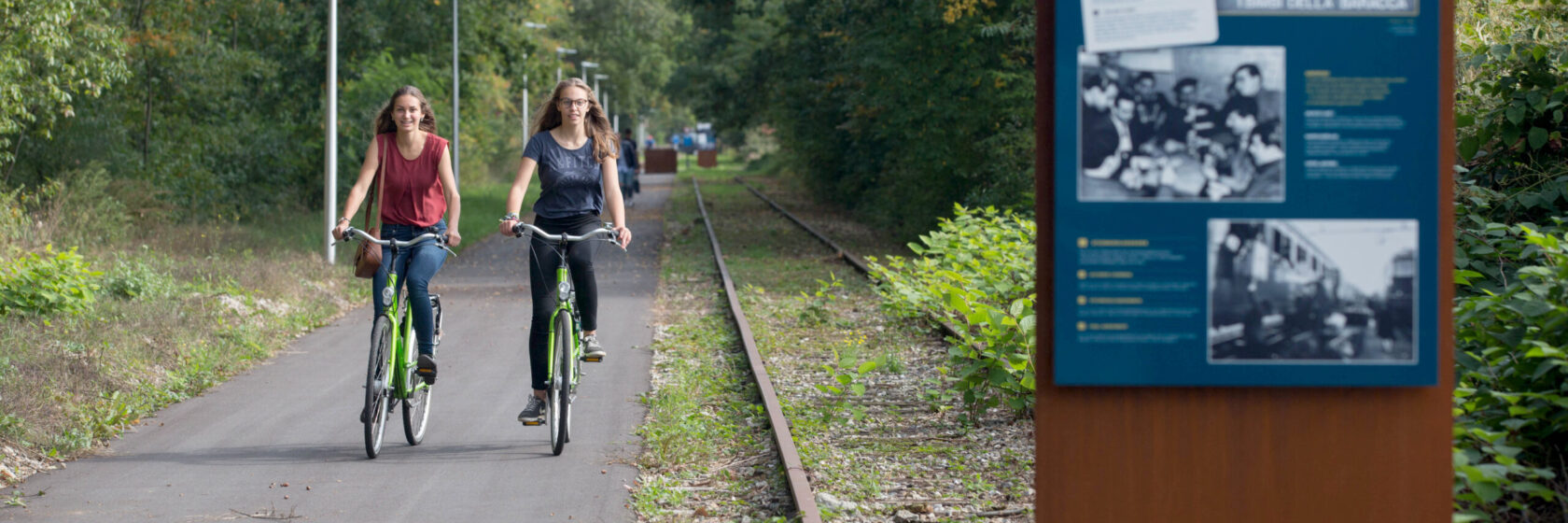
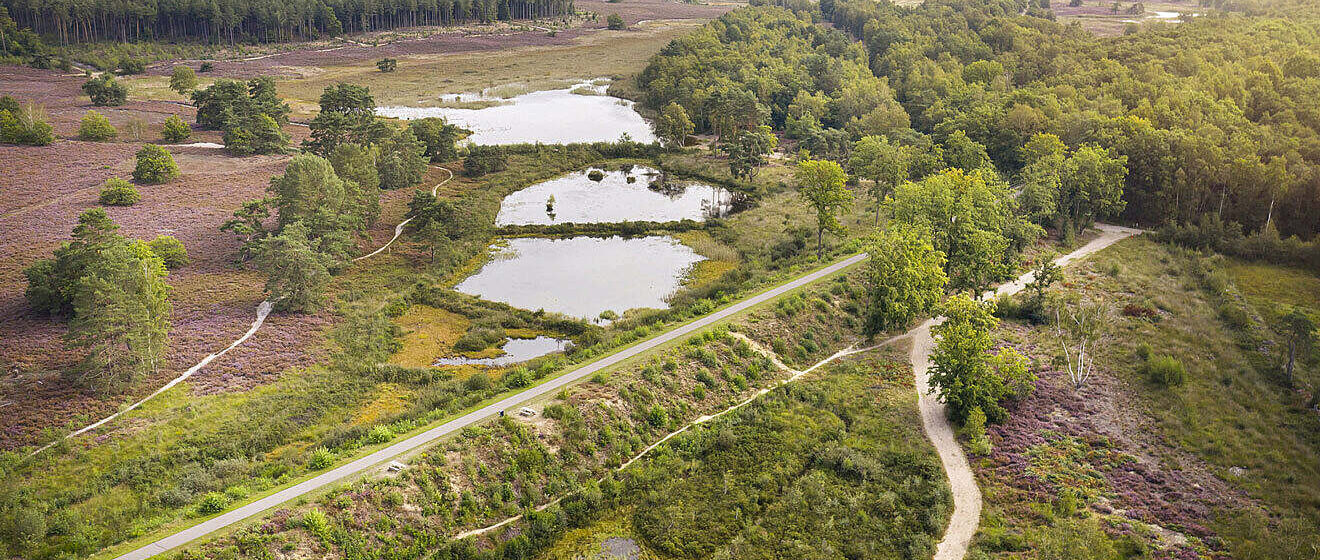
The Kolenspoor, once the lifeline of Limburg’s mining region, connected municipalities in Central Limburg over a distance of 70 kilometres. Now, this historic route is being reborn as a cycle highway reconnecting seven mining towns. Along the way, you pass iconic sites that recall the mining past: from be-MINE in Beringen and the Luchtfabriek in Heusden-Zolder to Thor Park, C-Mine, the Mining Site in As, and Terhills in Maasmechelen.
This historic connection is evolving into a strategic corridor between municipalities with a shared past and future. The Kolenspoor is an investment in sustainable mobility, economic renewal, experience, and the connection of unique landscapes and valuable nature.
Catalyst for safety, recreation, and economy
Part of the route is already accessible to cyclists but does not yet meet the standards of a full-fledged cycle highway. Some segments are even completely missing. To successfully realise this project, Sweco’s teams consider many factors:
- Fast track: Connections to other cycle highways and the Functional Cycle Route Network are significantly improved. A total of 67 intersections will be redesigned to ensure safety and flow.
- Slow track: Several segments connect to the recreational cycling network and link green gems in Central Limburg, such as De Wijers and the Hoge Kempen National Park. This strengthens Limburg’s position as a top tourist region.
- Smart track: The project also considers the Kolenspoor’s role as an intelligent collector of energy, data, and knowledge. The province collaborates with actors such as Energyville, LRM, KRC Genk, and civil society organisations.
Nature-enhancing measures
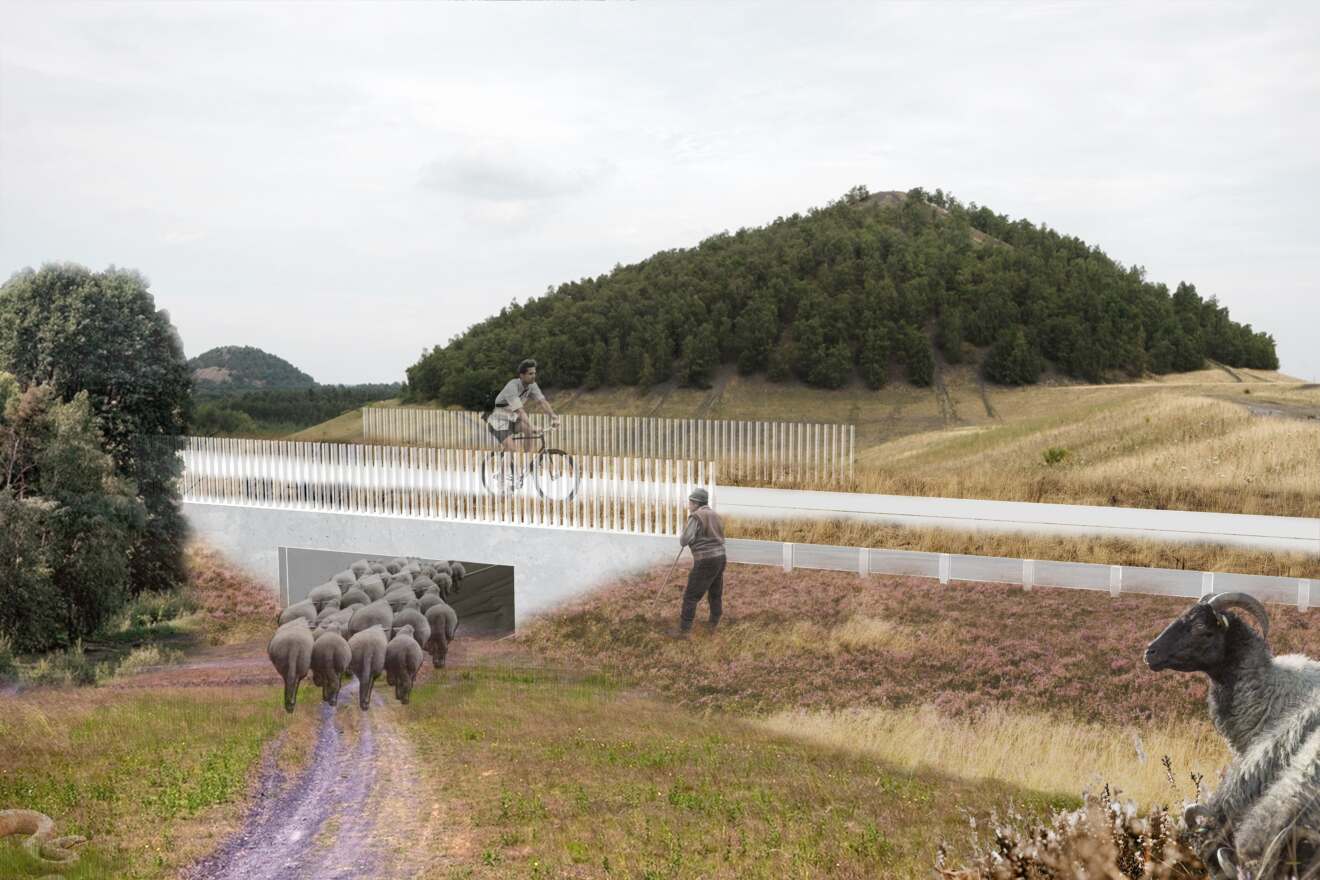
The Kolenspoor’s construction takes full account of the surrounding nature. The route crosses valuable natural areas home to protected species like bats, smooth snakes, and natterjack toads. Therefore, no hard boundary is drawn through the landscape.
To further limit the impact on flora and fauna, lighting is adapted to bat behaviour: it switches on and off automatically and dims at night. For the smooth snake, which needs warmth on both sides of the path, eco-tunnels are built to allow safe passage.
An ecological integration study was conducted by the Provincial Nature Centre. Its recommendations are being translated into concrete actions, such as planting edge vegetation along the route. This creates more sunlit open space, beneficial for plant and animal development. The entire route will also feature eco-guidance, including amphibian and reptile tunnels and even a sheep tunnel at Klaverberg for grazing projects.