A future-oriented healthcare campus in a green setting
PPC Pittem
In PPC Pittem, located in Pittem, a large-scale transformation is underway to create a sustainable and future-oriented healthcare campus. The masterplan combines masterplanning, architecture, infrastructure and sustainable technologies within an integrated vision focused on wellbeing, flexibility and a healing environment. The campus is being redeveloped into a contemporary care environment that not only responds to evolving healthcare models, but also strengthens the connection between patients, caregivers, visitors and the surrounding community.
Facts about the project
- Expertise:
- Architecture
- PPC Pittem
- Client
- Pittem
- Location
- Coussée Bouw & Project, VIPA
- Partners
- masterplanning, architecture, interior architecture, infrastructure, sustainable technologies
- Expertise
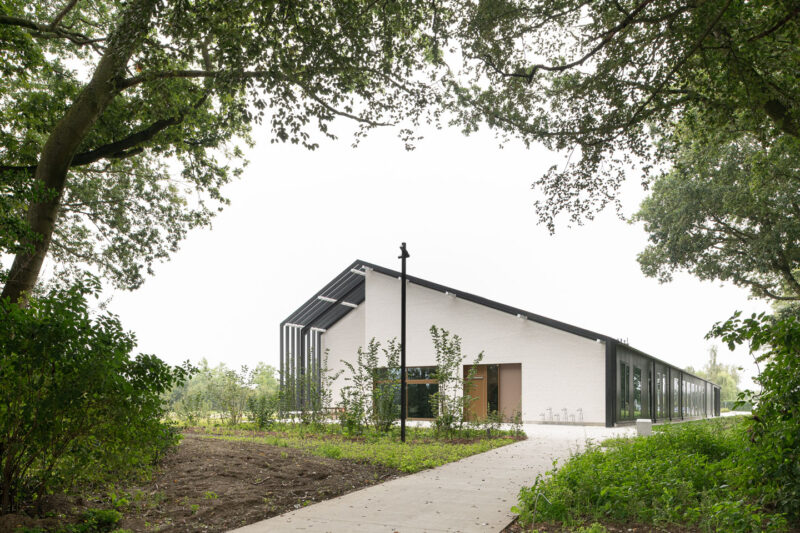 Photo © Klaas Verdru
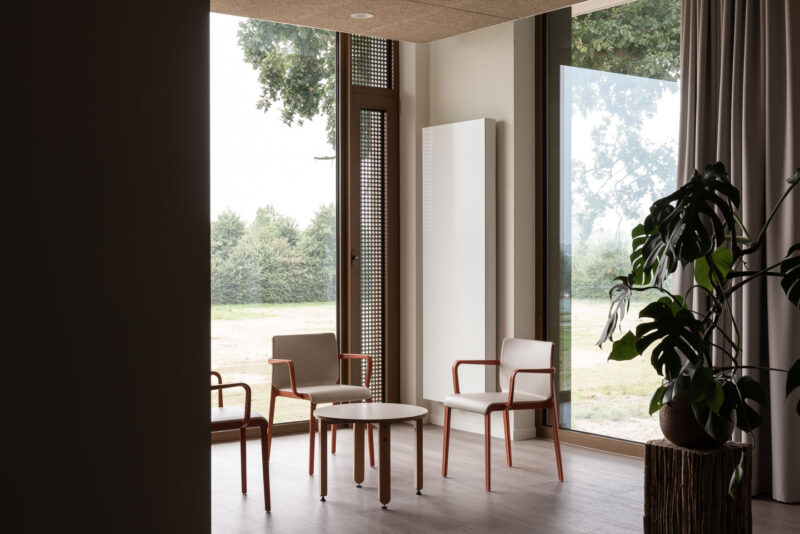 Photo © Klaas Verdru
A campus in transformation
The masterplan is being implemented in phases over a fifteen-year period, from 2021 to 2035, and includes the demolition and construction of residential, therapy and support buildings on the campus along Boterstraat.
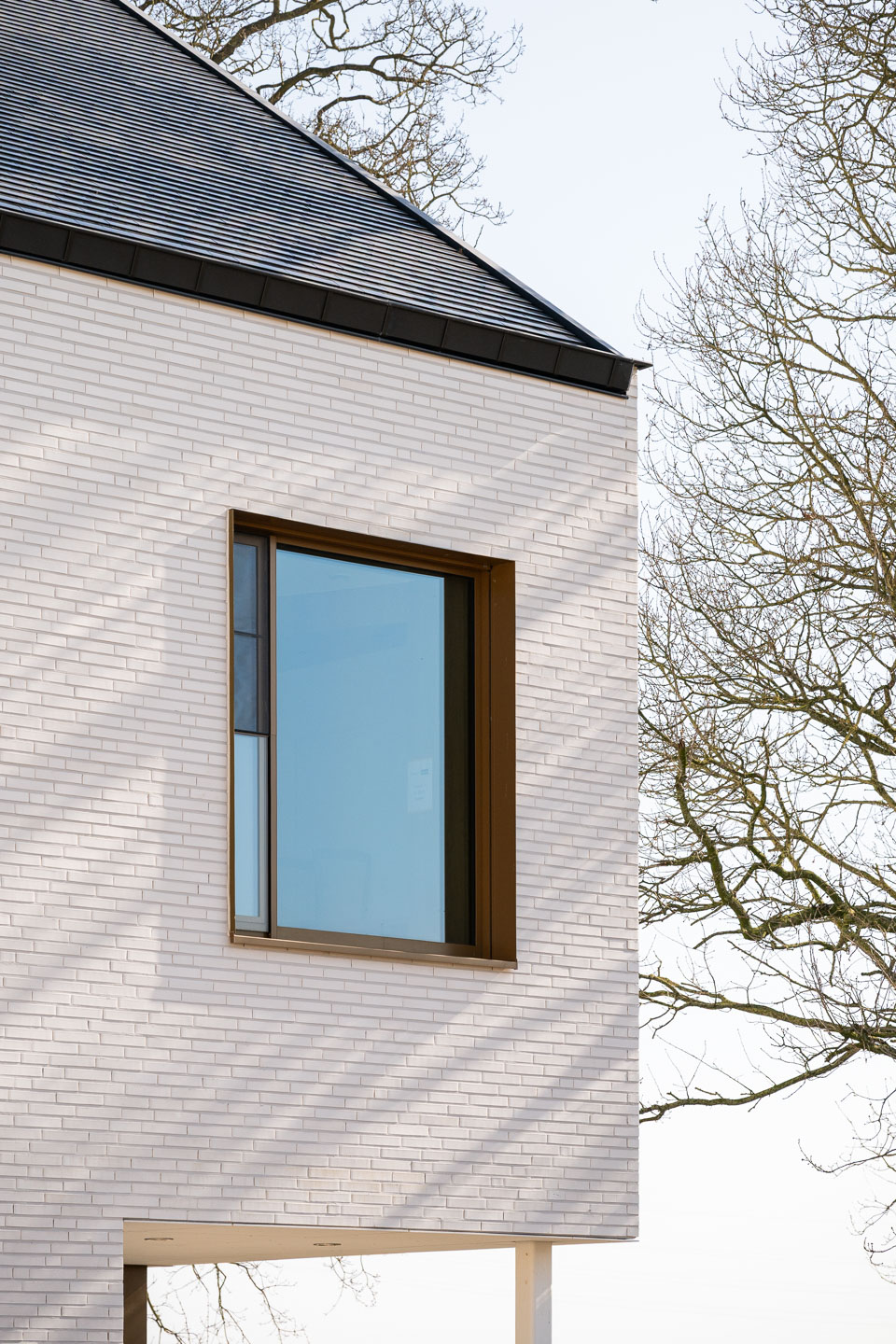
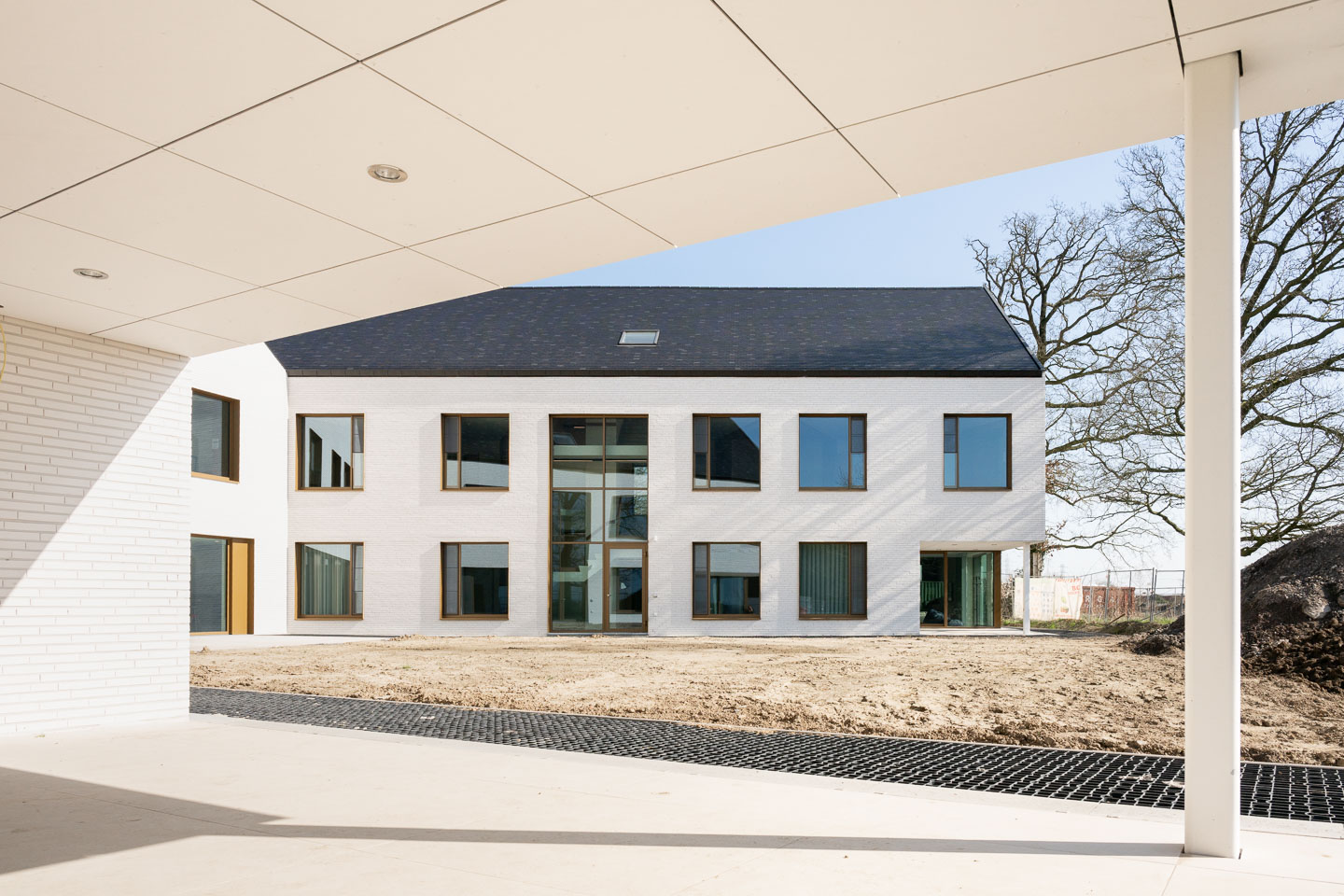
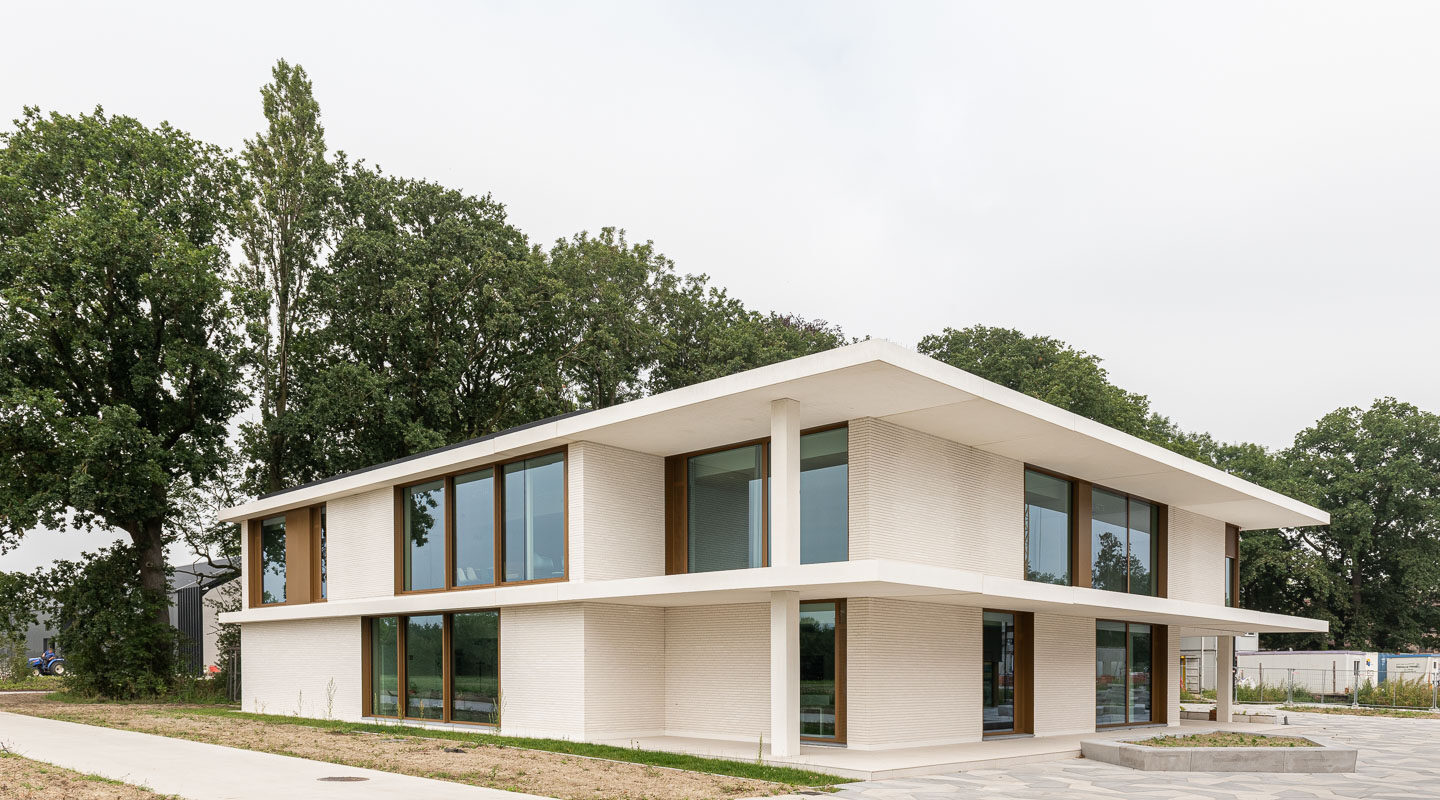
The first construction phase, covering 11,405 m², will continue until the end of 2027. Several new residential units have already been brought into use, followed by a new residential building for youth psychiatry and additional therapy and meeting facilities. These new volumes create space for therapy, interaction and support within an open and accessible campus structure.
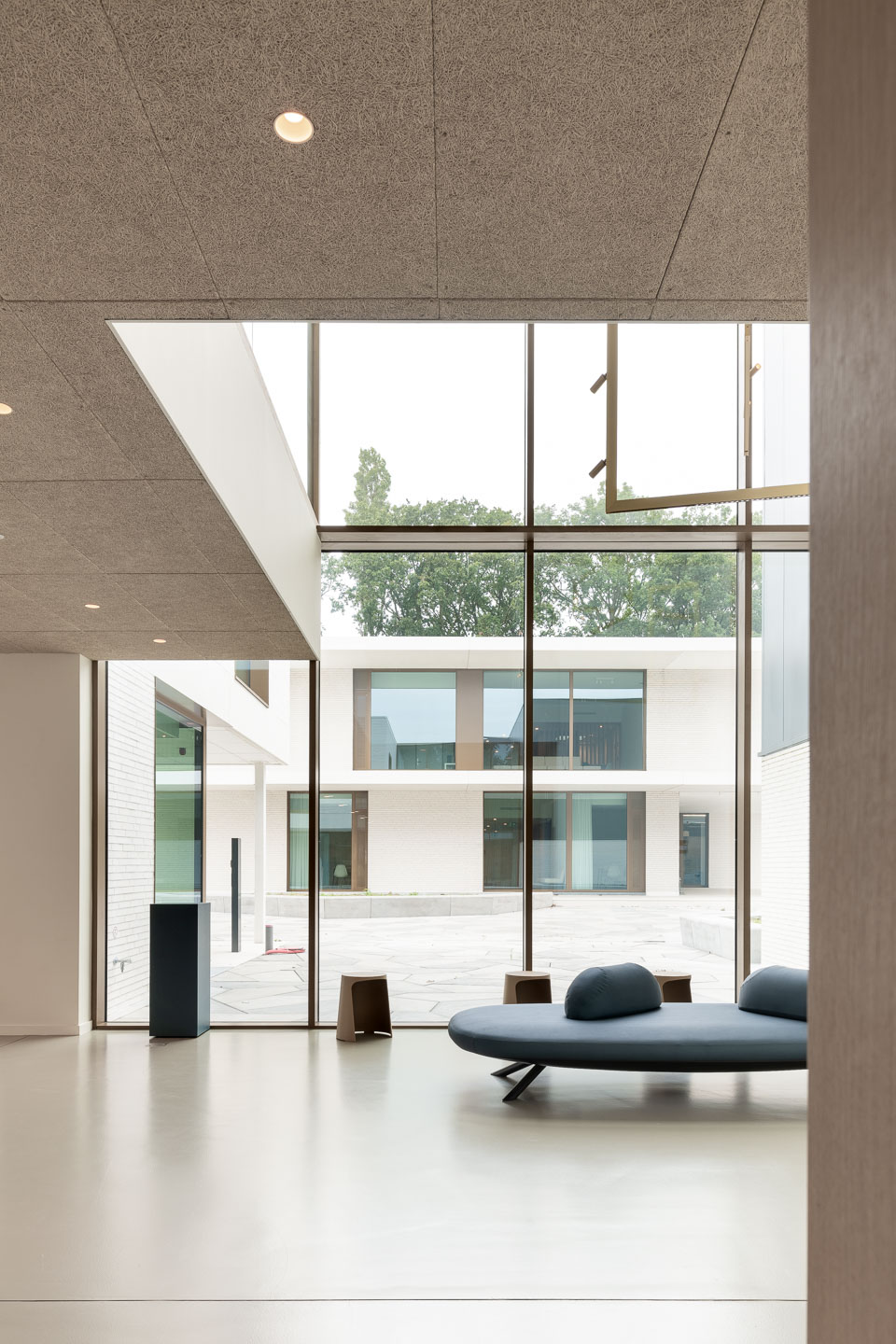
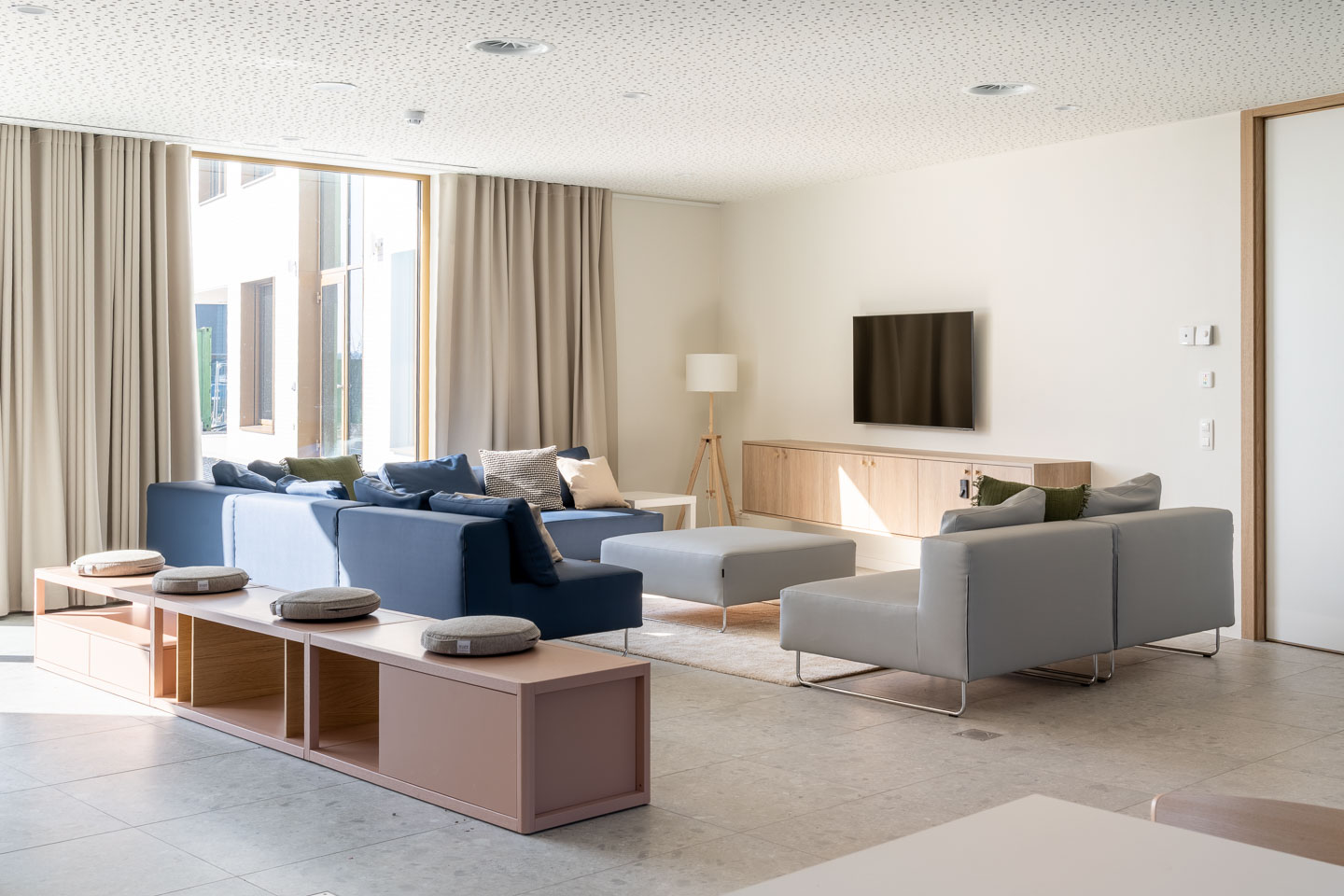
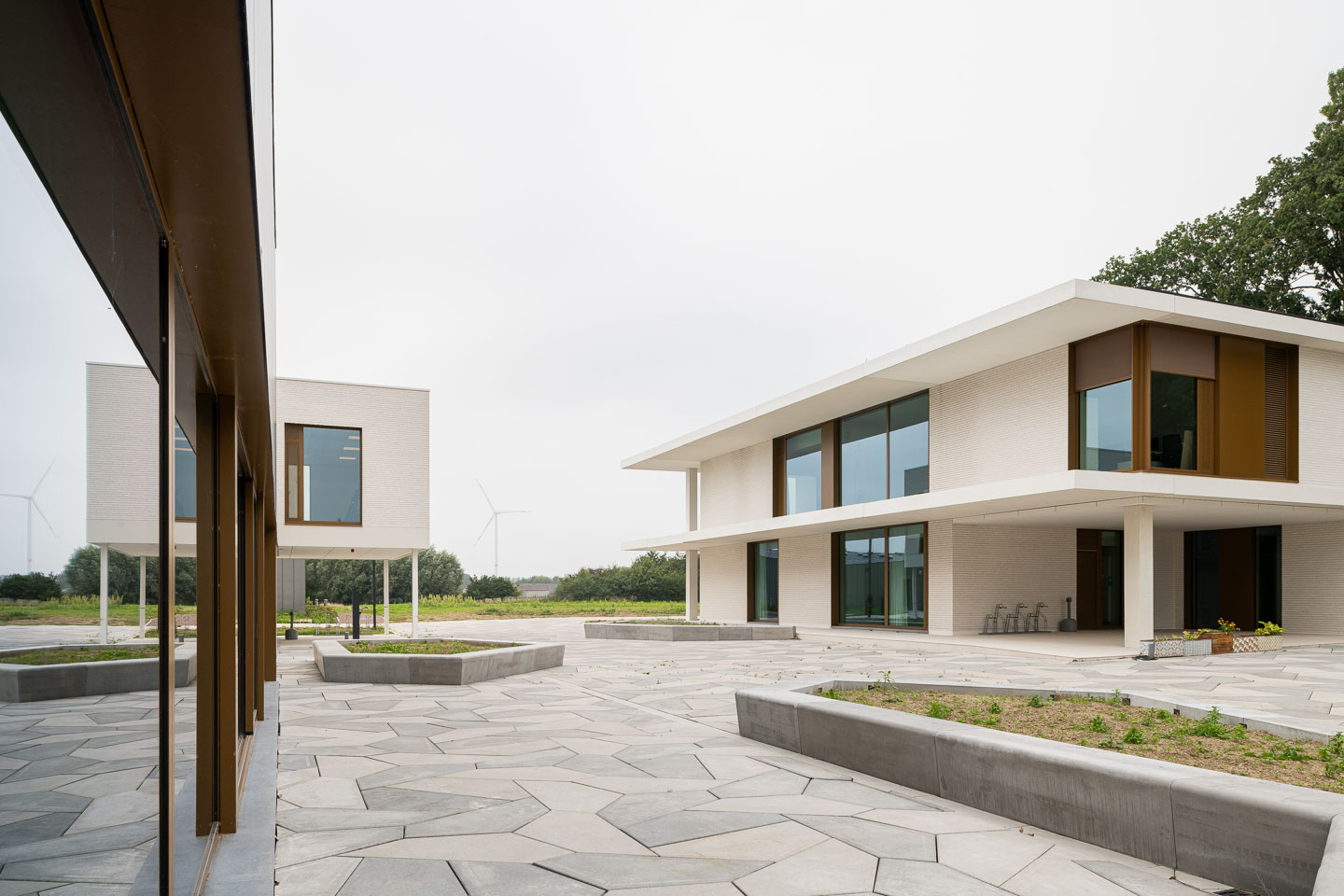
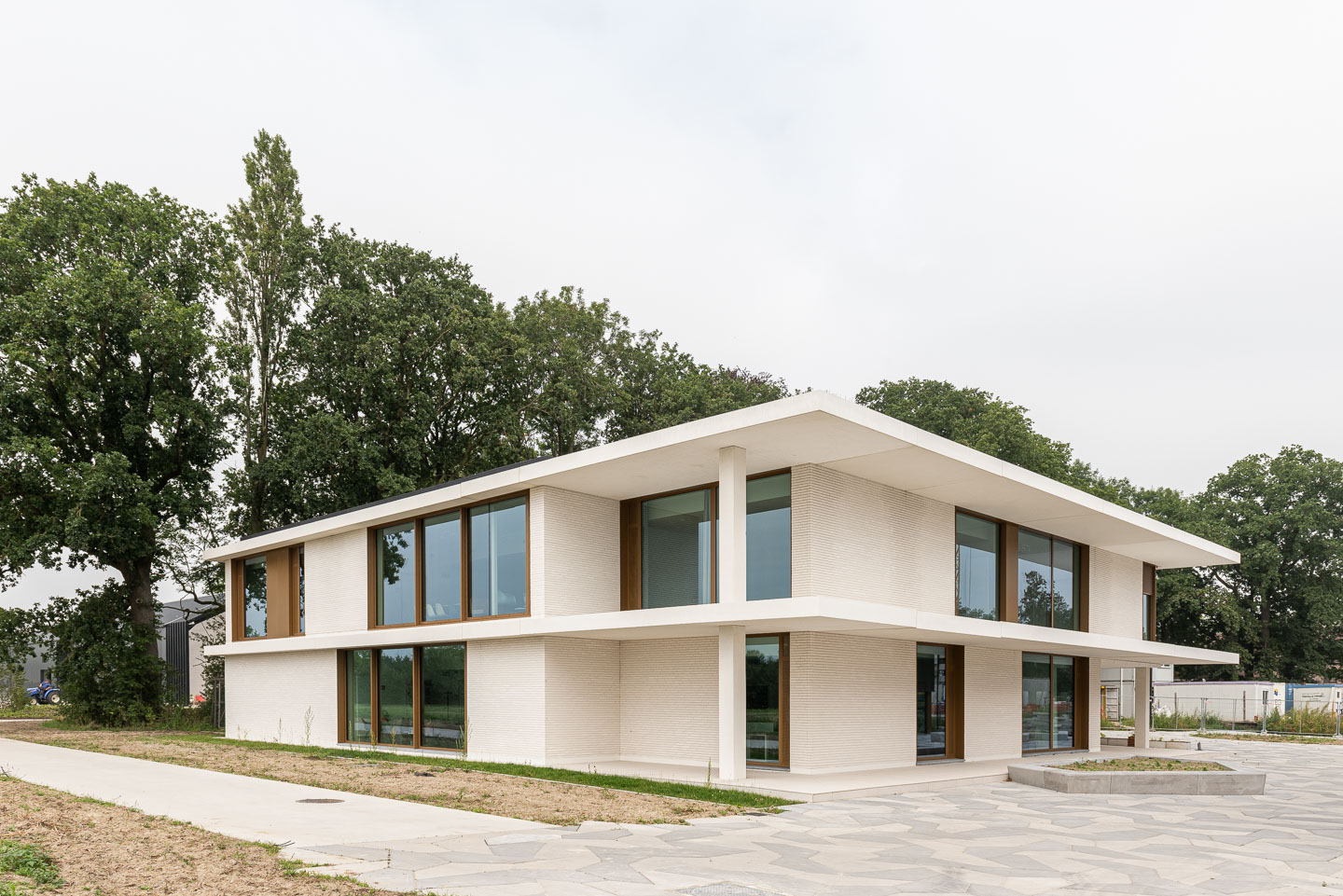
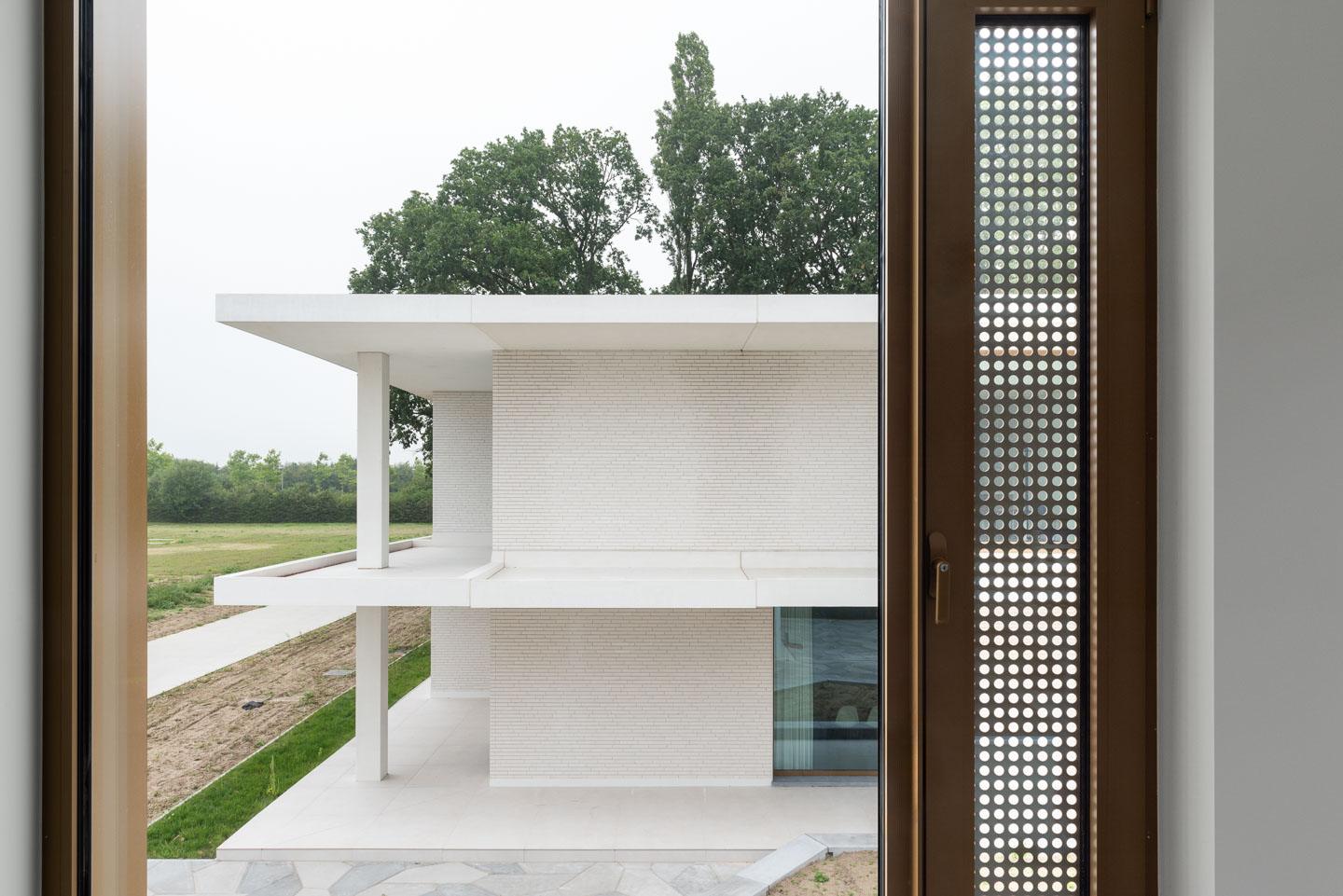
The therapy building for young people includes group therapy rooms, consultation rooms, workshops, offices and communal living spaces. Designed as a playful standalone volume with varied terraces, the building places daylight, sightlines and a strong connection with nature at the centre of the experience.
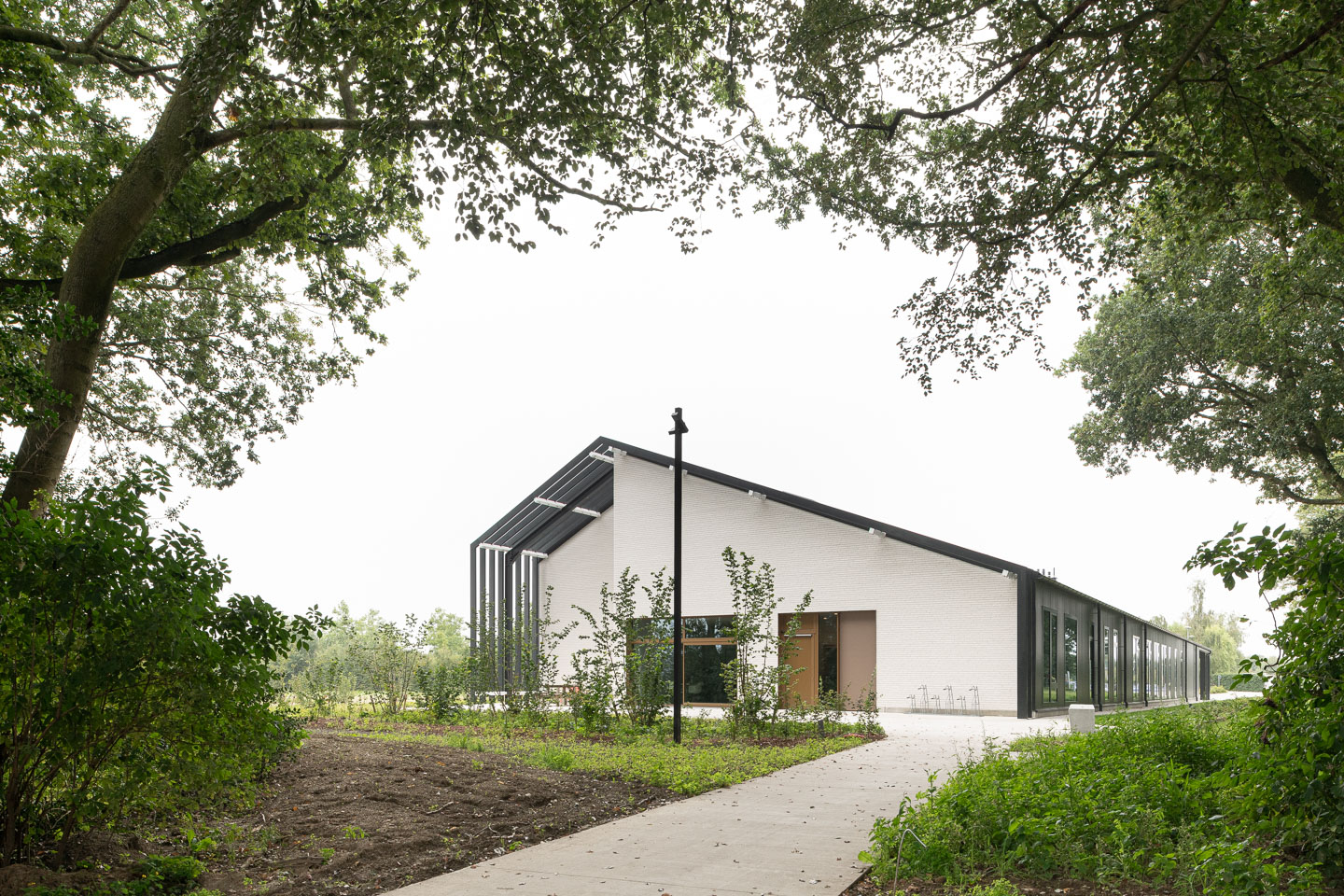
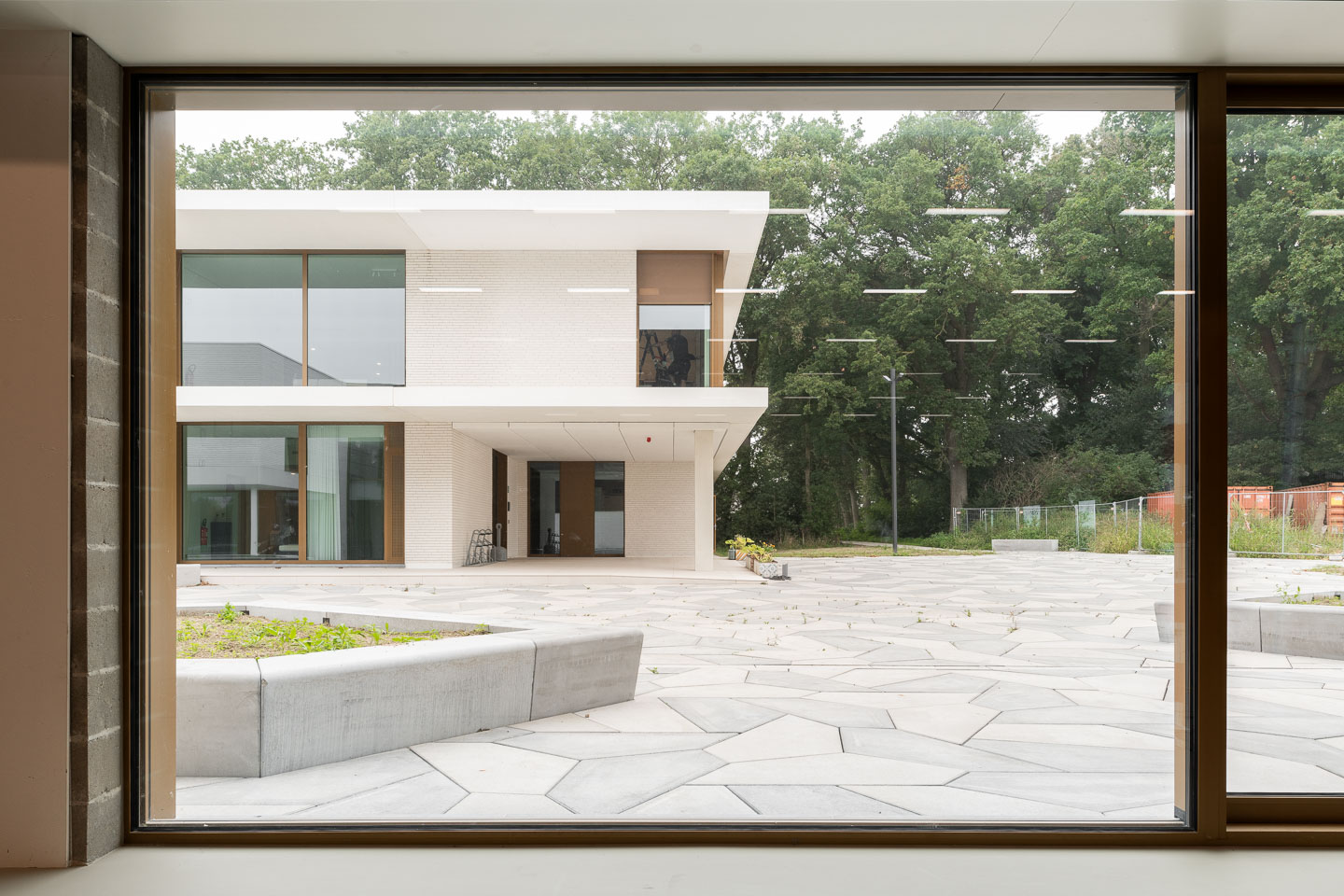
The meeting building forms the public heart of the campus. It combines logistical functions with public facilities such as a restaurant, hair salon, experiential library and the Studio Dada art workshop. Thanks to its open character, the building encourages encounters and social interaction between patients, visitors and staff.
A second construction phase, currently in the design stage, will add another 8,500 m² to the renewed campus by 2035.
Healing environment as a design principle
One of the key principles of the masterplan is the creation of a healing environment. The campus is organised as a series of small-scale standalone buildings set within a green landscape, creating a domestic scale and a strong relationship with nature.
A major shift within the care vision is the clear separation between residential and therapy buildings. Patients no longer stay in the same place where therapy takes place, but instead move through the campus according to a recognisable daily structure. This approach supports their independence and facilitates future reintegration into society.
Public outdoor spaces, including a multifunctional square and green meeting areas, play an important role in user wellbeing and strengthen social cohesion across the campus.
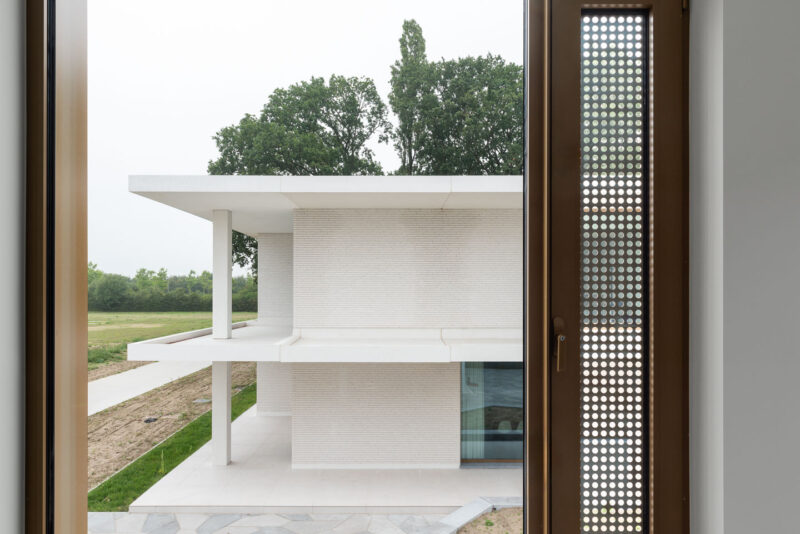 Photo © Klaas Verdru
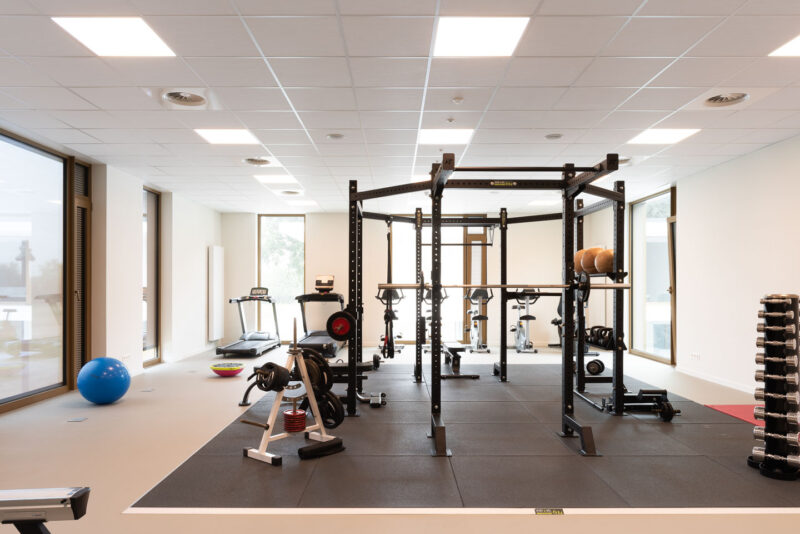 Photo © Klaas Verdru
Interior architecture focused on wellbeing
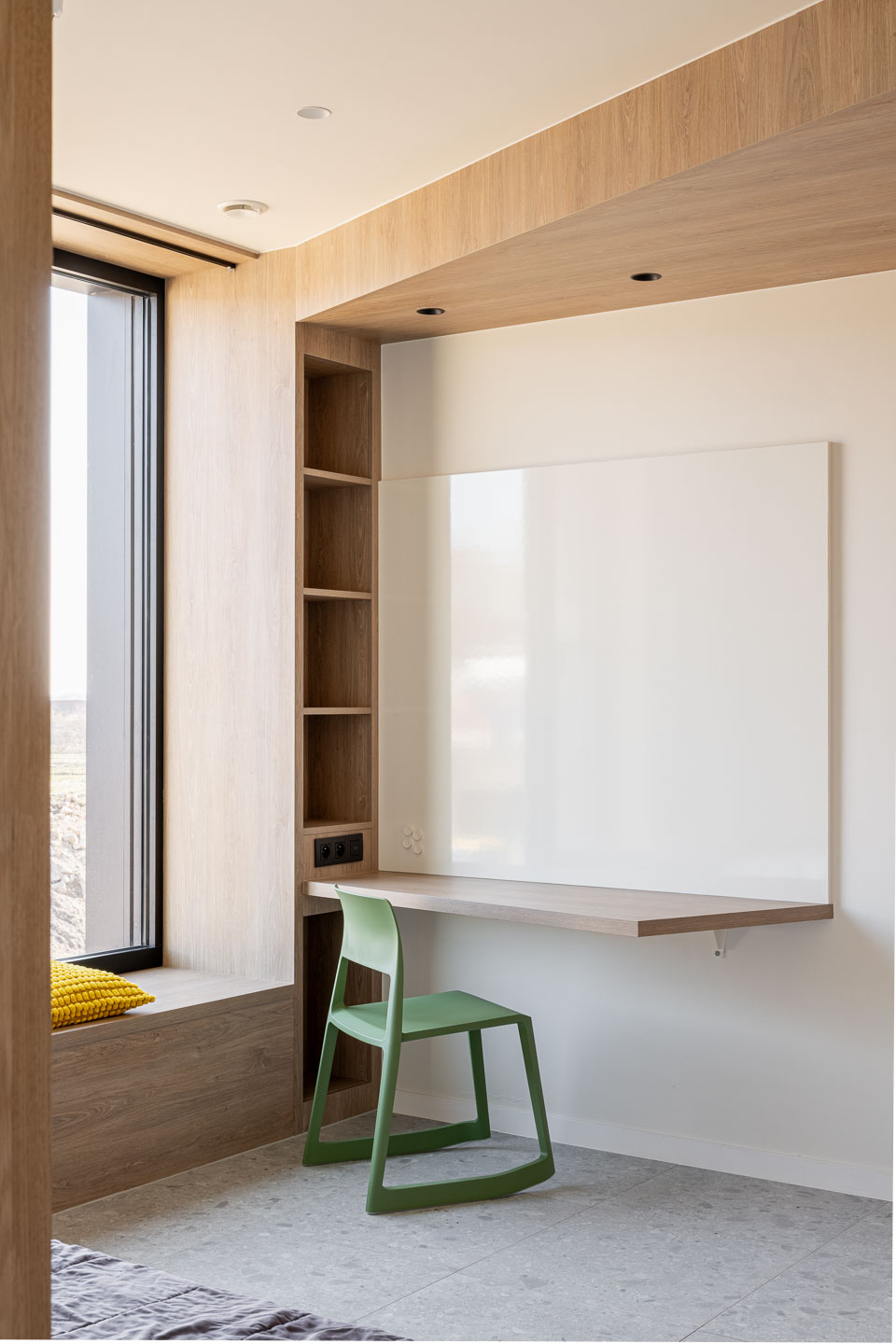
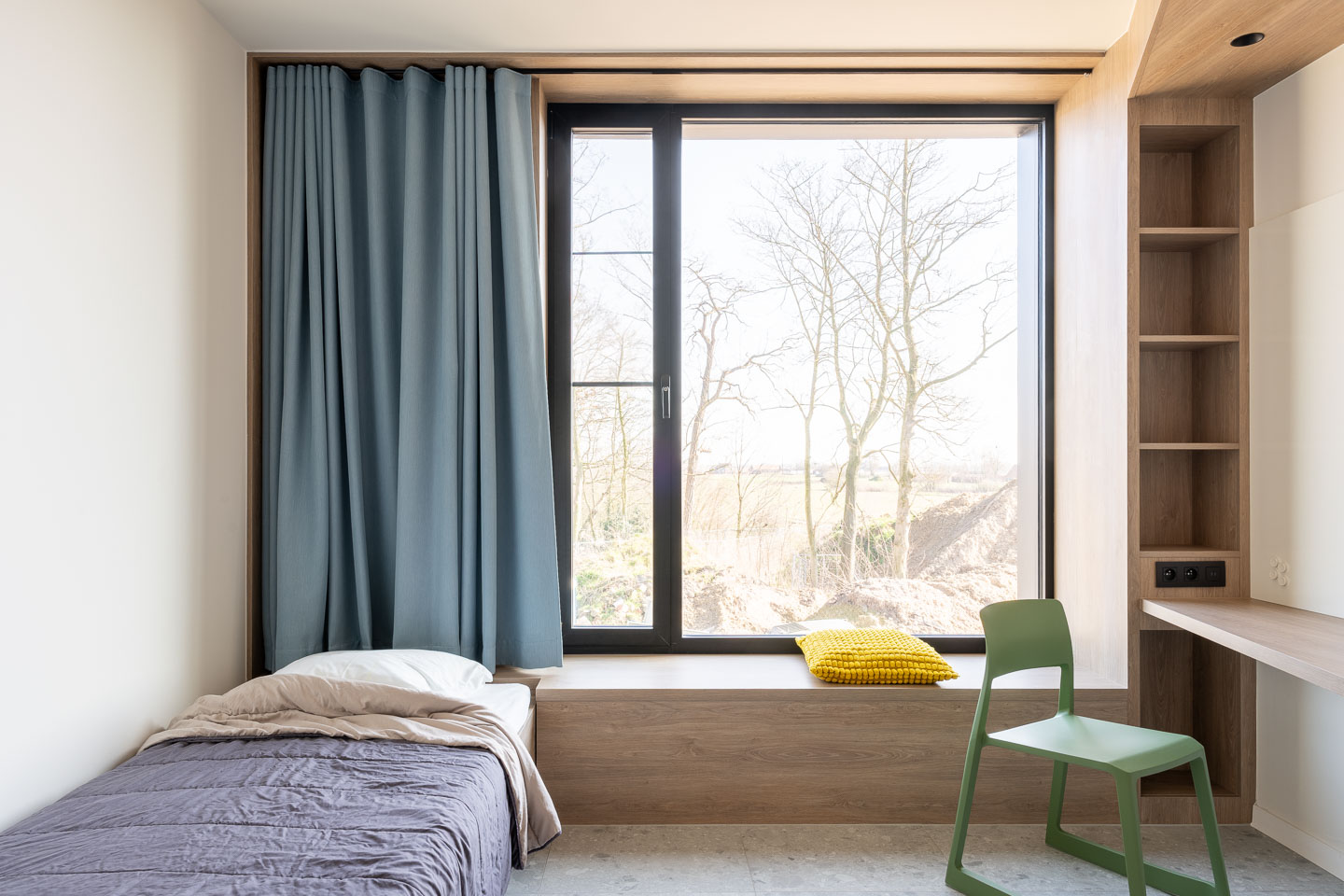
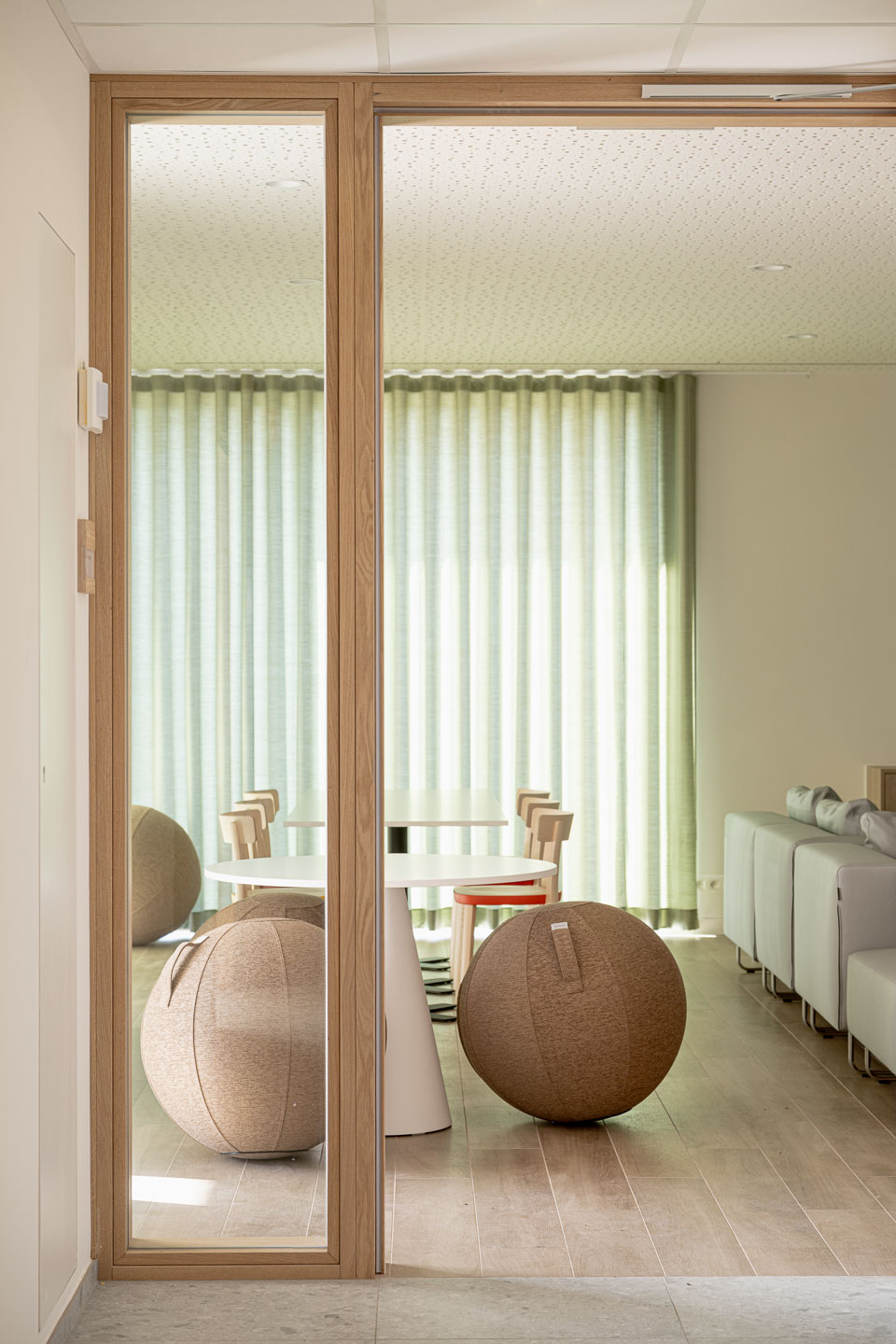
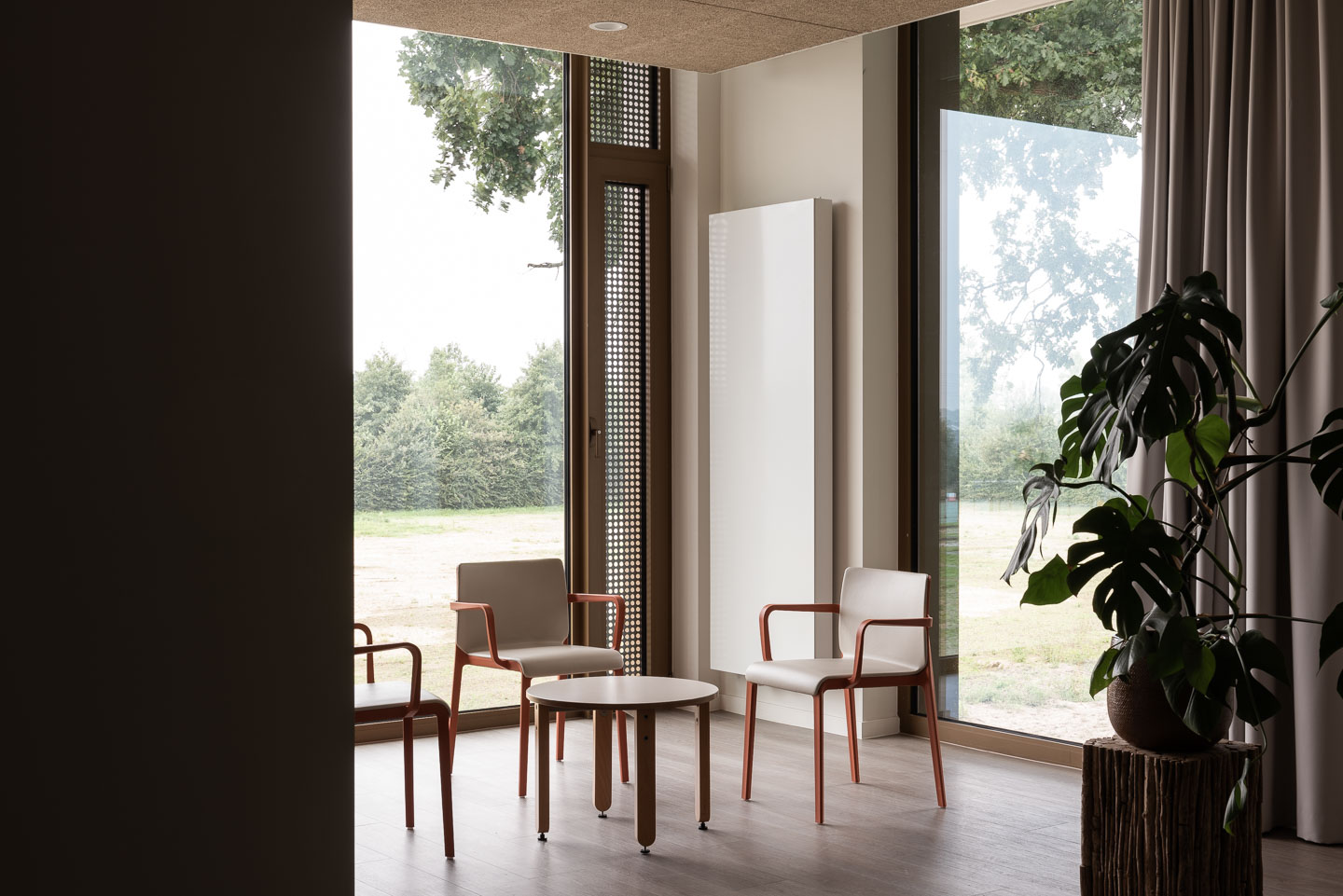
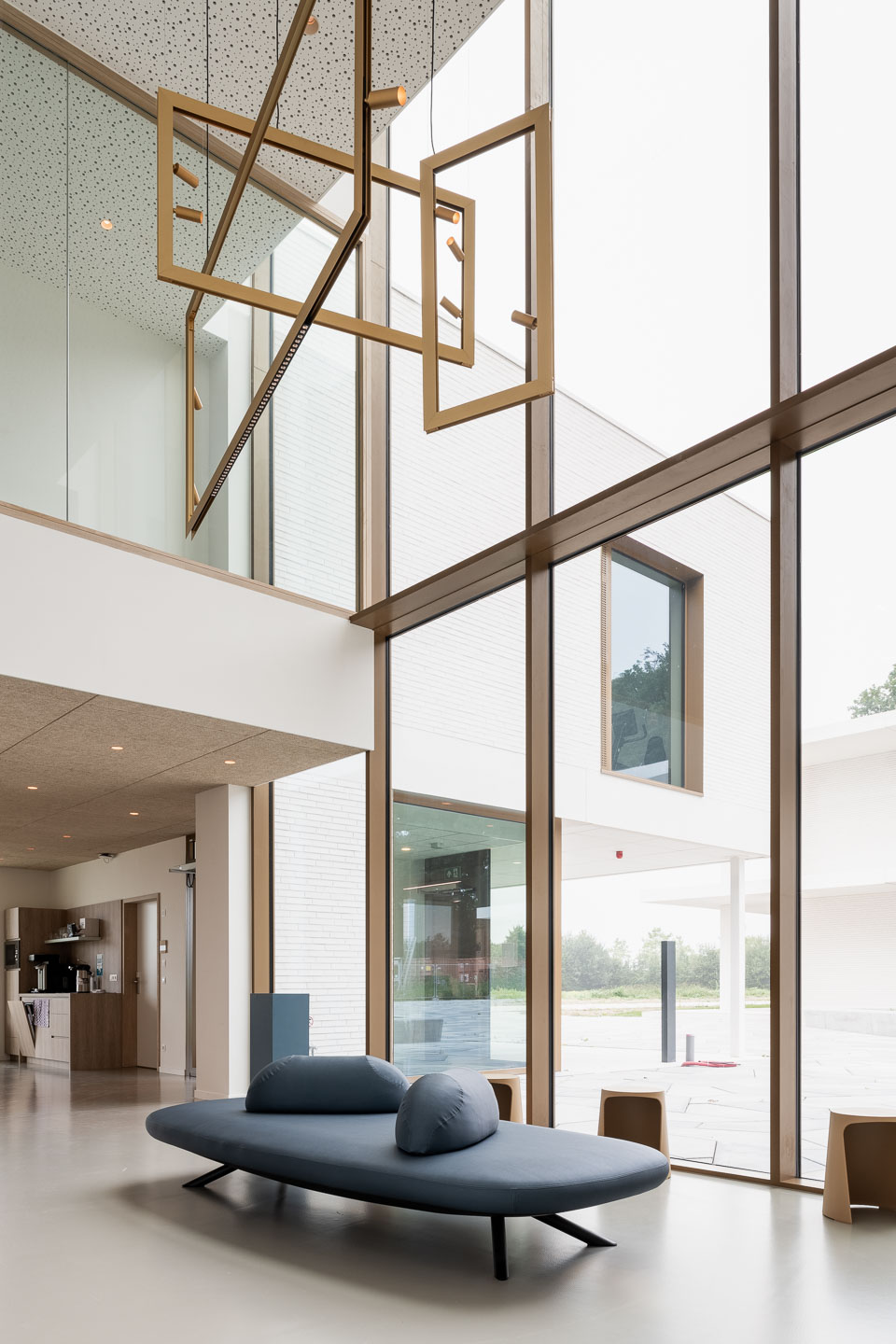
The interior concept is equally rooted in humanity, calmness and safety. Using contemporary and sustainable materials, the buildings achieve a warm and modern appearance that conveys trust and comfort.
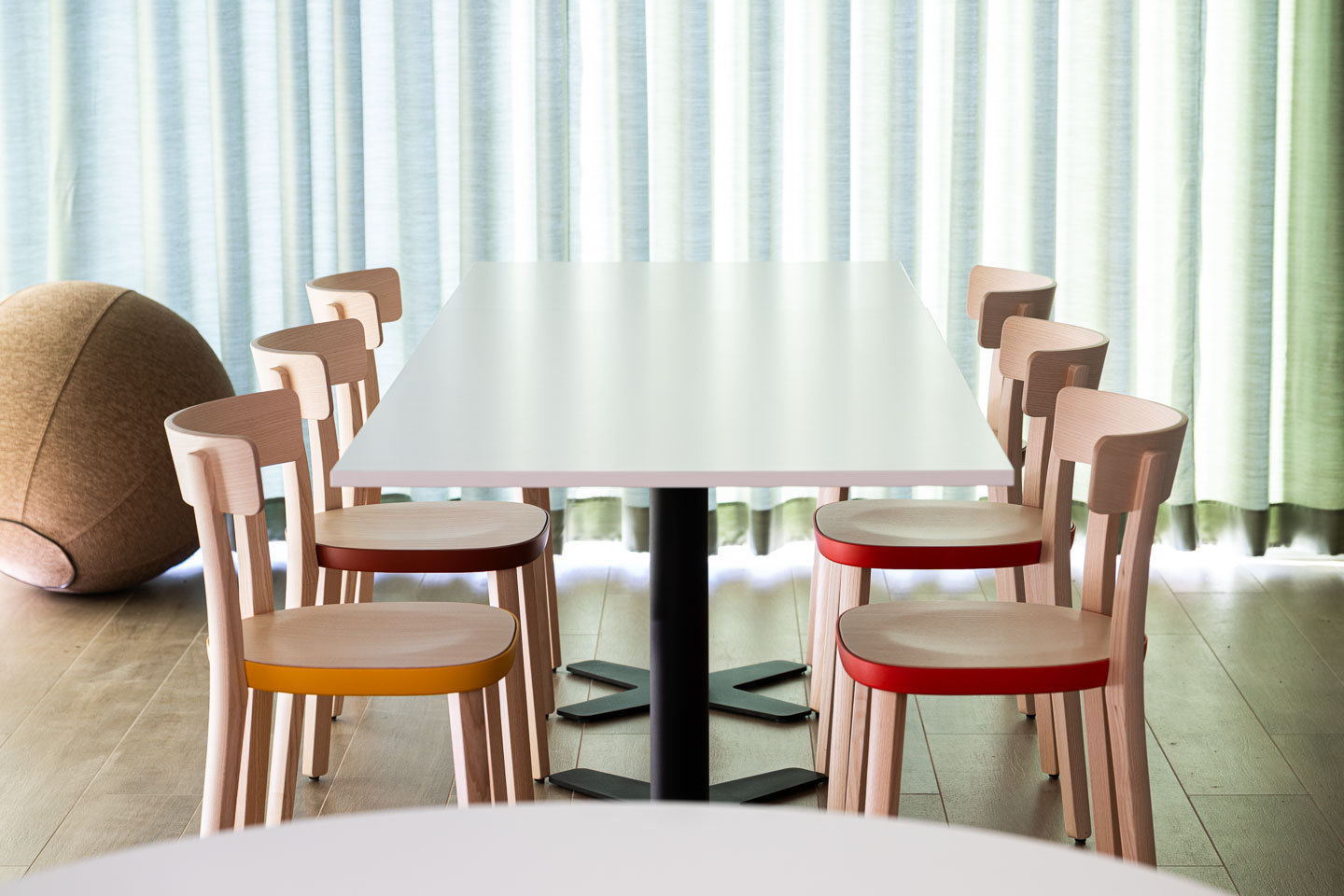
Wood plays a central role throughout the interiors. The natural material softens the spaces and creates a homelike atmosphere that supports familiarity and comfort. Soft pastel colours introduce nuance and balance, enhancing the calm and pleasant experience of the environment.
Special attention was also paid to safety and anti-suicide design principles. Materials, detailing and interior layouts were carefully considered to minimise risks without compromising the creation of an open, respectful and non-stigmatising environment.
The result is a care environment that supports patients, caregivers and visitors alike in their daily experience.
Flexibility and sustainability as the foundation
Flexibility is a key guiding principle throughout the design. Both the buildings and the technical installations were developed with future adaptations, long-term durability and minimal maintenance costs in mind.
The energy concept was developed based on a technical and economic feasibility study and is managed through an ESCO model. Sustainable technologies and innovative energy systems form the basis of a future-oriented energy supply with minimal environmental impact.
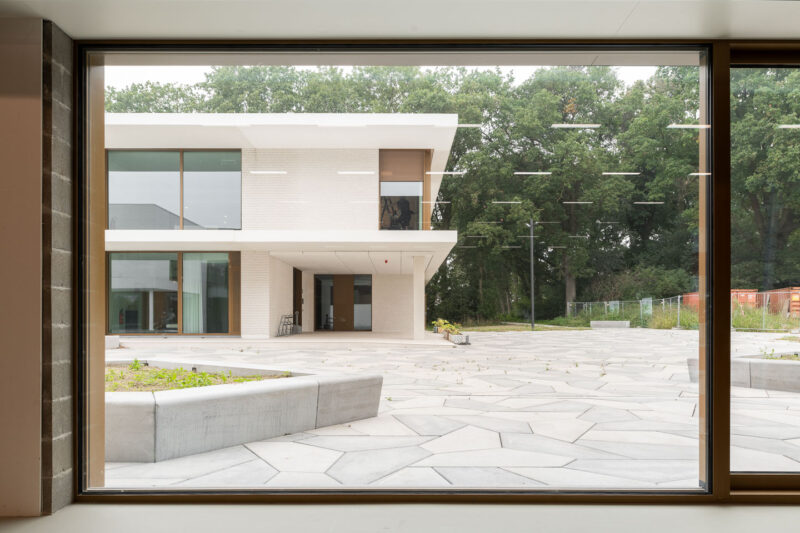 Photo © Klaas Verdru
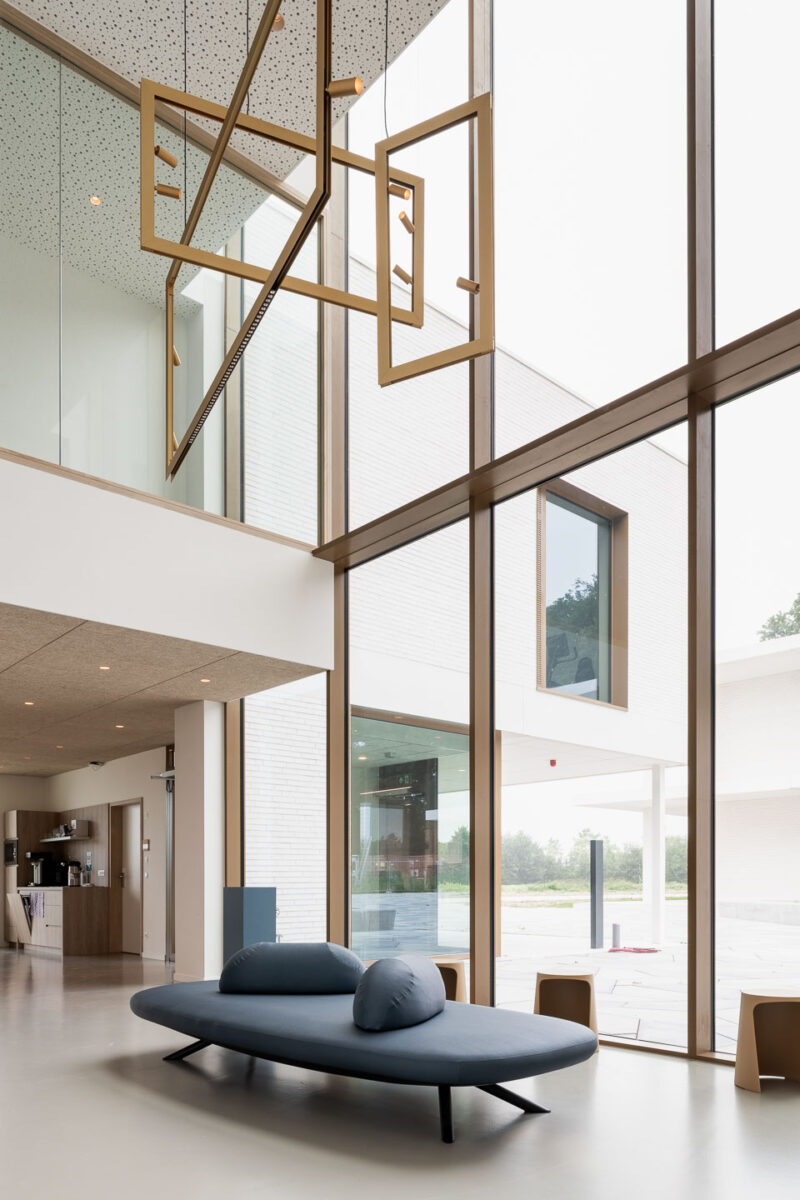 Photo © Klaas Verdru
An open campus with social added value
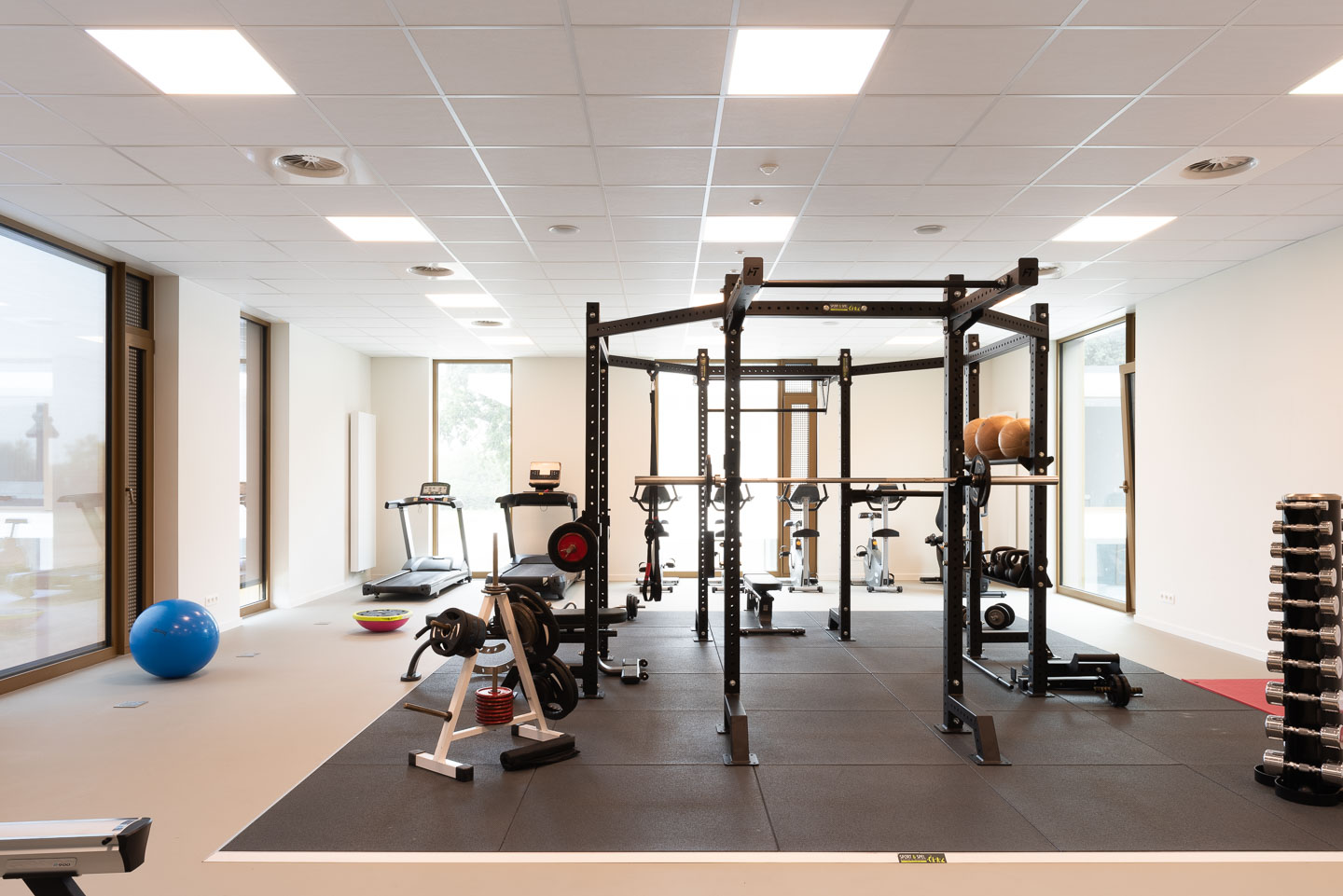
The renewed campus combines public and private functions while strongly focusing on social integration. Public facilities such as the sports hall, restaurant and central square create interaction between the healthcare campus and the wider community.
Accessibility was also integrated into the design, including soft mobility connections for cyclists and visitors woven into the campus layout.
Through intensive dialogue with staff, patients and local residents, support continues to grow for a campus that is not only sustainable and future-proof, but also actively contributes to social connection and wellbeing.
A campus ready for the future
With further demolition and construction works planned over the coming years, PPC Pittem is gradually evolving into a contemporary healthcare campus where architecture, landscape and care vision reinforce one another.
By 2035, the renewed campus will serve as a benchmark in sustainable healthcare architecture and healing environments, a place where wellbeing, humanity and future-oriented design take centre stage.