
Sint-Anneke Plage
For generations, Sint-Anneke Plage has been one of Antwerp’s most popular recreational destinations. Its unique location along the River Scheldt, the iconic open-air swimming pool designed by Renaat Braem, the marina and the combination of nature and proximity to the city make it a truly distinctive location. At the same time, the area faced significant challenges that required an integrated spatial vision.
- Client
- City of Antwerp
- Location
- Linkeroever, Antwerp
- Sweco scope
- Spatial planning, Mobility, Environment, Water management, Landscape architecture, Stakeholder participation, Spatial safety
Commissioned by the City of Antwerp, Sweco developed the Sint-Anneke Plage Spatial Implementation Plan (RUP). The plan establishes the legal and spatial framework for the area’s future development and creates a balance between recreation, nature, flood protection, mobility and marina activities.
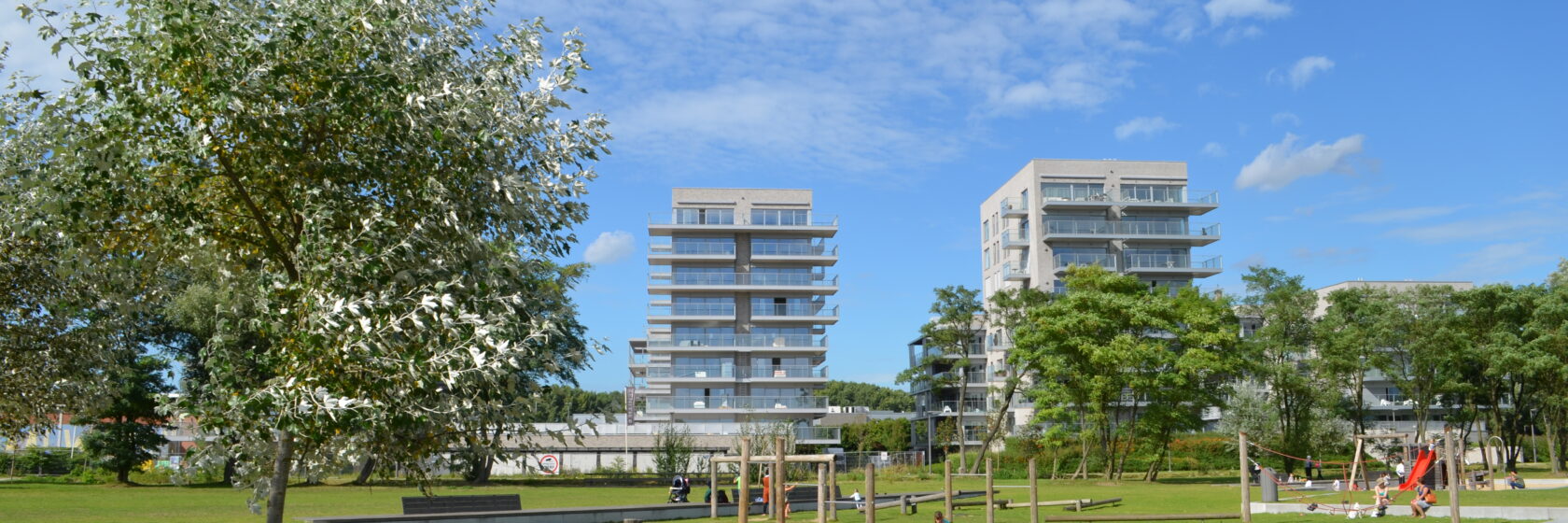
An area undergoing transformation
The Spatial Implementation Plan was developed in response to the need to better organise existing functions and future developments and to provide them with a clear legal framework. Several developments made an integrated approach essential.
The planned reinforcement of the Scheldt embankments as part of the Sigma Plan, requests from local hospitality businesses for greater development opportunities and legal certainty, the future relocation of Camping De Molen and the ambition of the marina clubs to jointly develop a modern marina all created the need to redefine the future of Sint-Anneke Plage.
The result is a plan that brings together the area’s different functions and creates opportunities for attractive and sustainable long-term development.
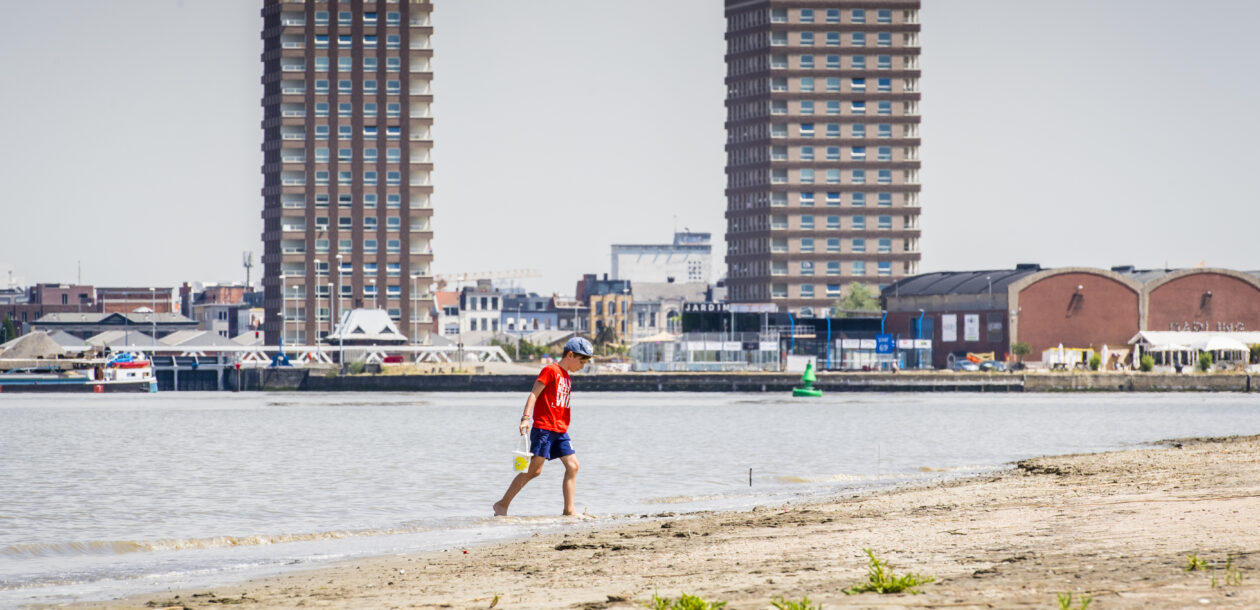
Balancing recreation, nature and safety
One of the greatest challenges was bringing together the many spatial interests within a relatively limited area. Recreation, hospitality, nature development, flood protection, mobility, quality of life and water-related activities needed not only to coexist, but also to reinforce one another.
The City of Antwerp also wanted to extend the appeal of Sint-Anneke Plage across all seasons. Today, many activities are highly dependent on good weather and the summer months. The plan therefore also explored opportunities to make the area attractive throughout the year, for example by creating space for additional recreational facilities.
The Spatial Implementation Plan builds on a previously developed masterplan and translates this vision into concrete land-use designations and urban planning regulations. The interests of visitors, local residents, hospitality operators, marina clubs and nature were carefully balanced throughout the process.
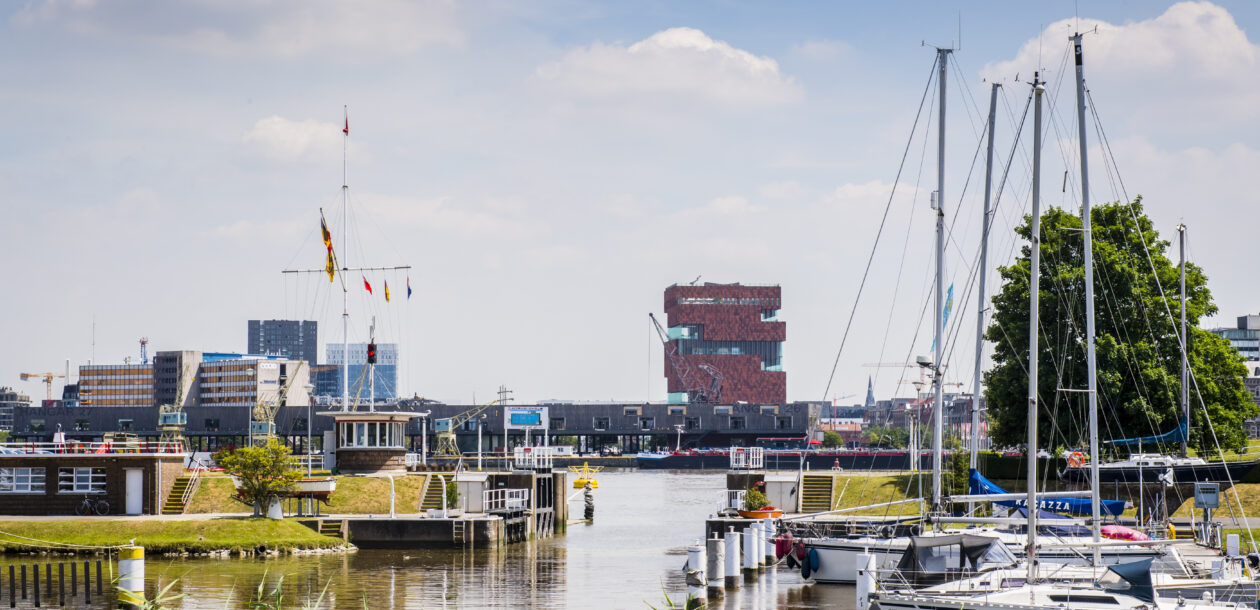
Multidisciplinary collaboration as the key to success
Developing the Spatial Implementation Plan required a broad multidisciplinary approach. Within Sweco, experts from different disciplines worked closely together.
The project team brought together expertise in:
- spatial planning
- mobility
- environment and climate
- water management
- landscape architecture
- stakeholder participation
- spatial safety
By integrating these disciplines from the outset, complex issues could be approached from different perspectives, resulting in a widely supported long-term vision for the entire area.
Close collaboration with the City of Antwerp and stakeholders
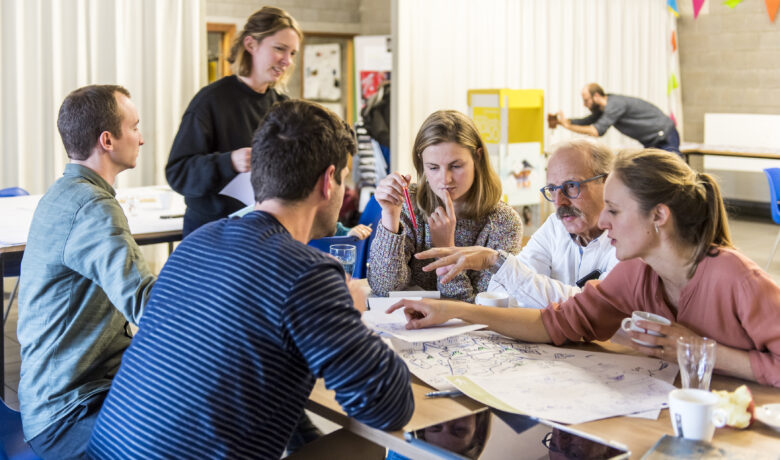
Throughout the entire process, Sweco worked closely with the City of Antwerp. In addition to the formal participation stages that form part of a Spatial Implementation Plan procedure, the city organised additional consultation sessions with hospitality operators, marina clubs and other stakeholders.
This intensive dialogue made it possible to incorporate local knowledge, ambitions and concerns into the final plan and to develop a broadly supported spatial vision.
From masterplan to implementable spatial plan
A masterplan outlines the desired future of an area. A Spatial Implementation Plan translates that vision into legally binding land-use designations and urban planning regulations.
This requires more than simply transferring ideas. Not every ambition included in a masterplan can be translated directly into regulations. Throughout the process, Sweco carefully balanced spatial quality, technical feasibility, legal requirements and societal interests.
The result is a future-oriented Spatial Implementation Plan that creates space for recreation, nature, flood protection and sustainable development while preserving the unique identity of Sint-Anneke Plage.
Sweco’s added value
By combining strategic spatial planning with multidisciplinary expertise, Sweco developed a robust Spatial Implementation Plan that reconciles a wide range of interests. This gives an iconic Antwerp location a future in which recreation, nature, safety and climate adaptation go hand in hand.
Photography: ©Frederik Beyens