A green and calm urban district behind Sint-Truiden station
Allegaer
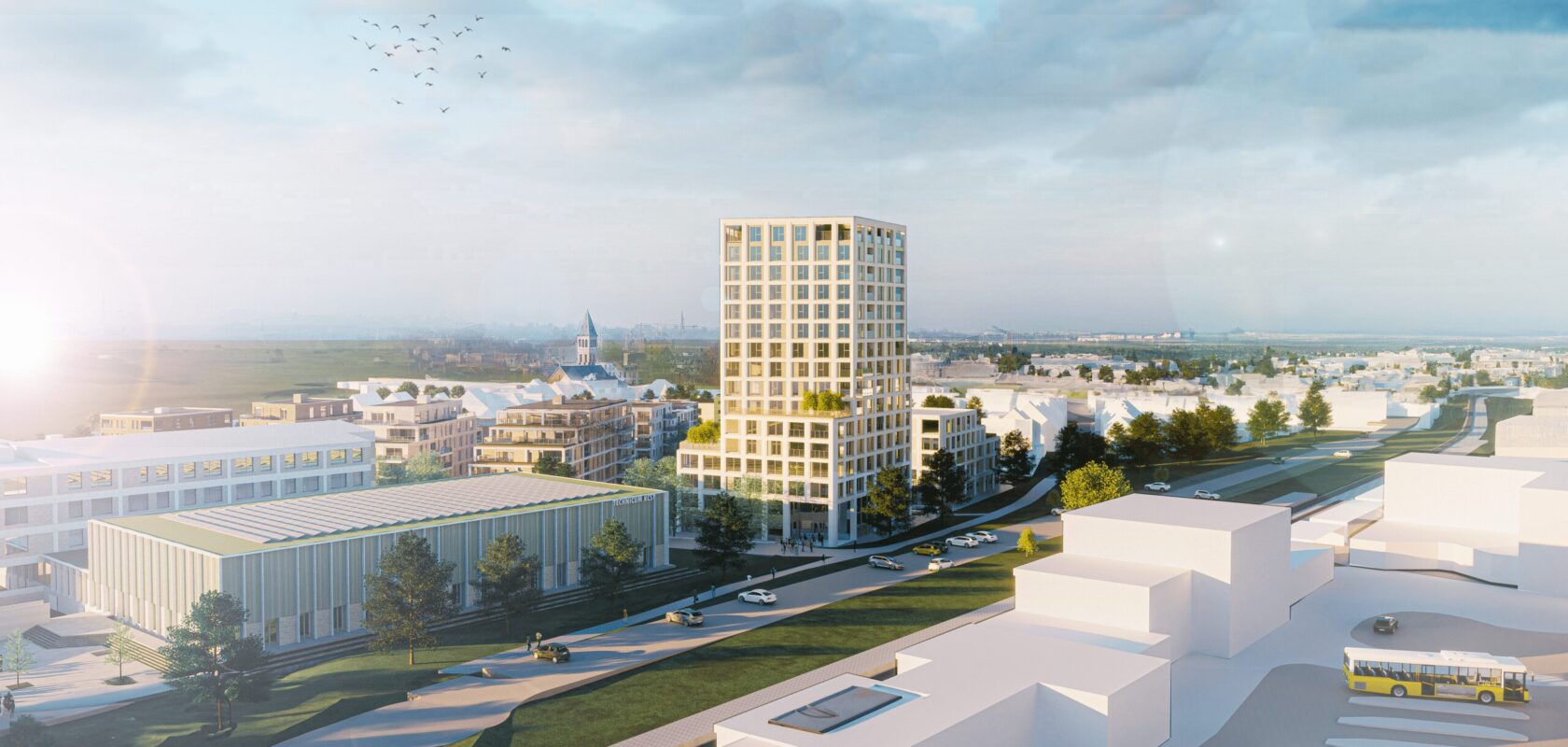
With the Allegaer masterplan, Sint-Truiden sets a new benchmark for sustainable urban development. The area behind the station is transformed into a green, low-traffic and vibrant district with 400 homes, collective gardens and spaces for social interaction. The project creates a future-oriented living environment where quality, biodiversity, daylight and connection to the surrounding landscape are central.
Facts about the project
- Gilen Immobiliën
- Client
- Sint-Truiden
- Location
- studio BNL – HOSBUR – M-gineers
- Partners
- architecture, master planning, environmental permit, execution
- Expertise
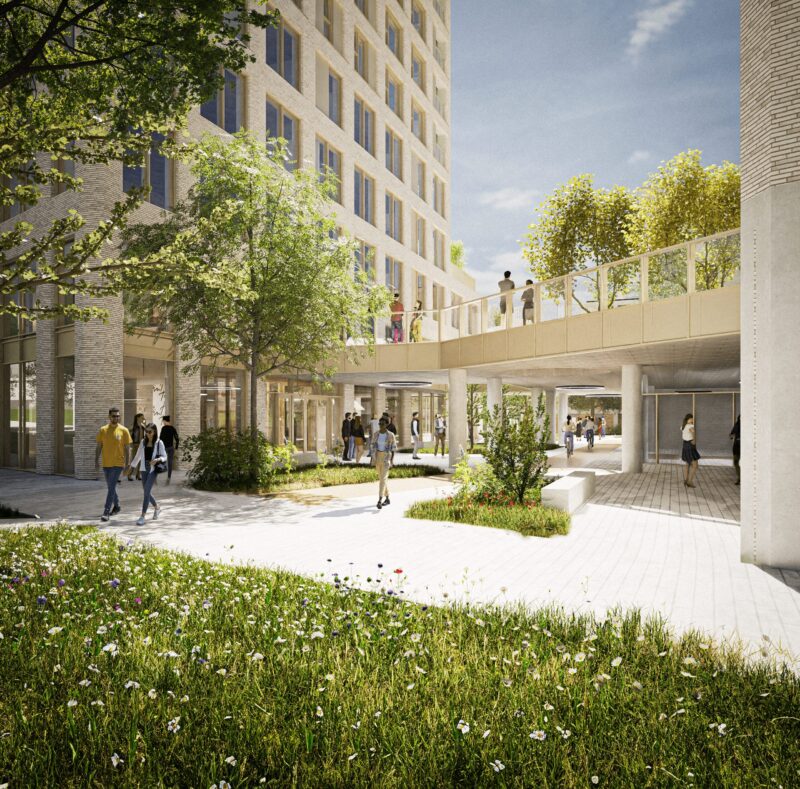 Photo © Sweco
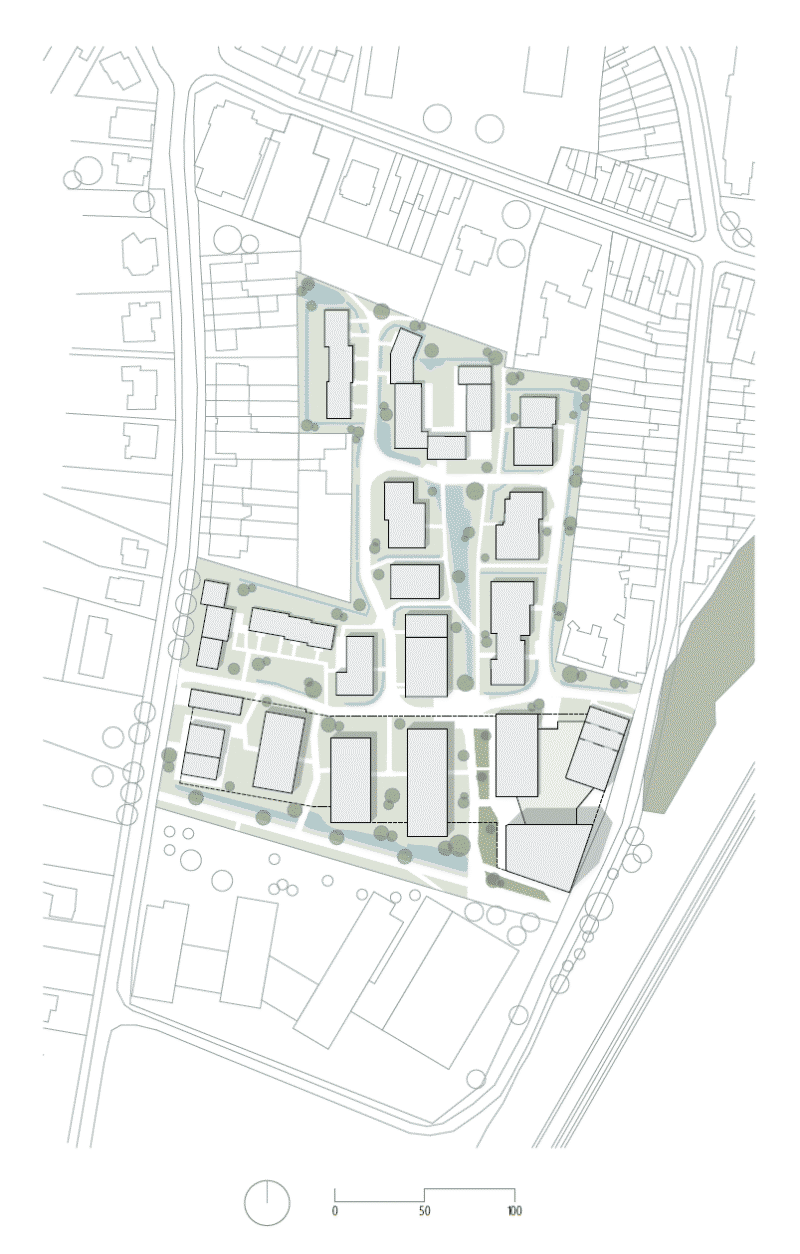 Photo © Sweco
Urban structure and programme
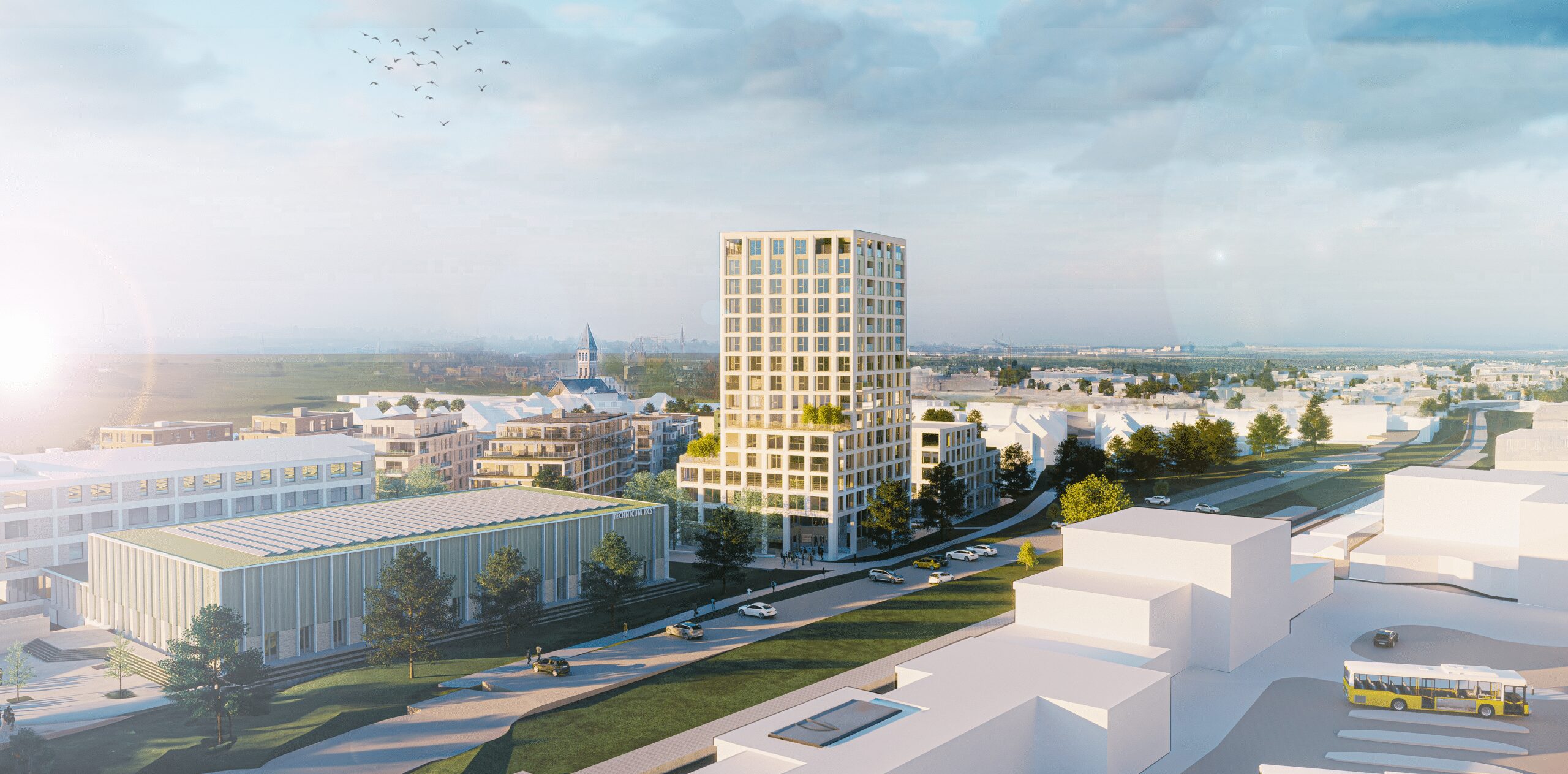
The masterplan comprises 18 buildings organised into five distinct character areas:
- Den Hof: small-scale, village-like character integrated into the existing neighbourhood
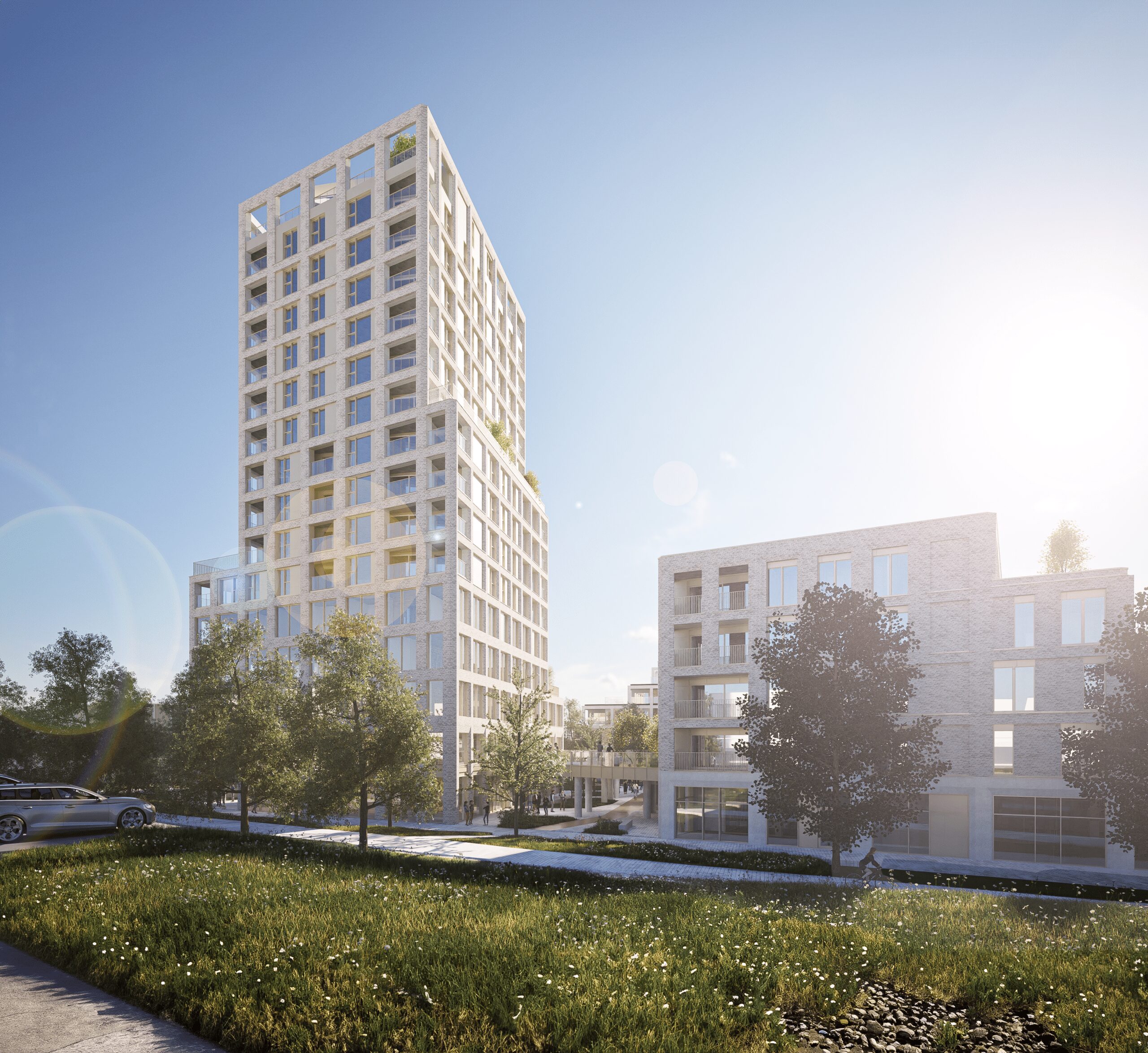
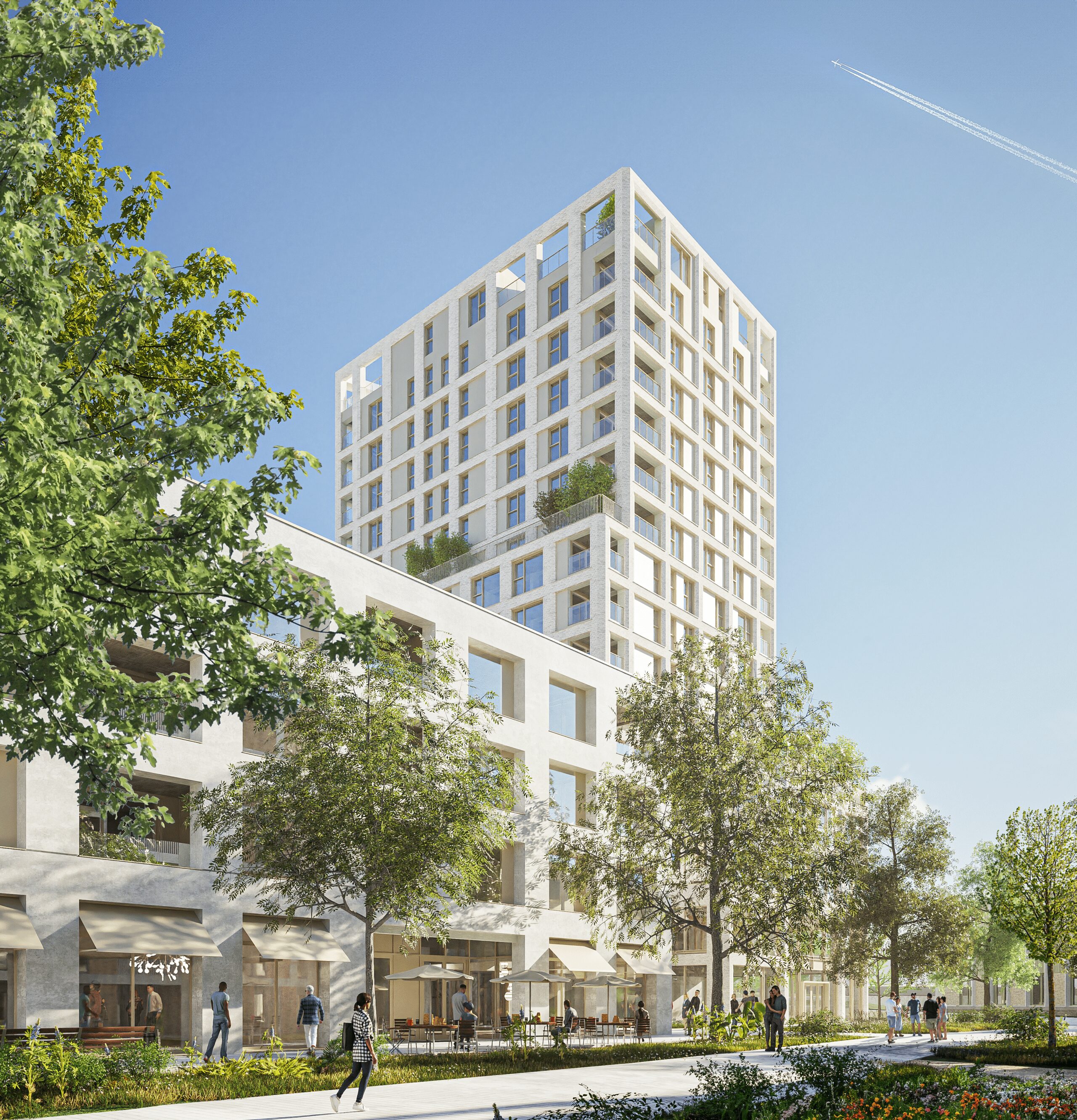
- De Kop: station area with mixed functions in an iconic tower volume
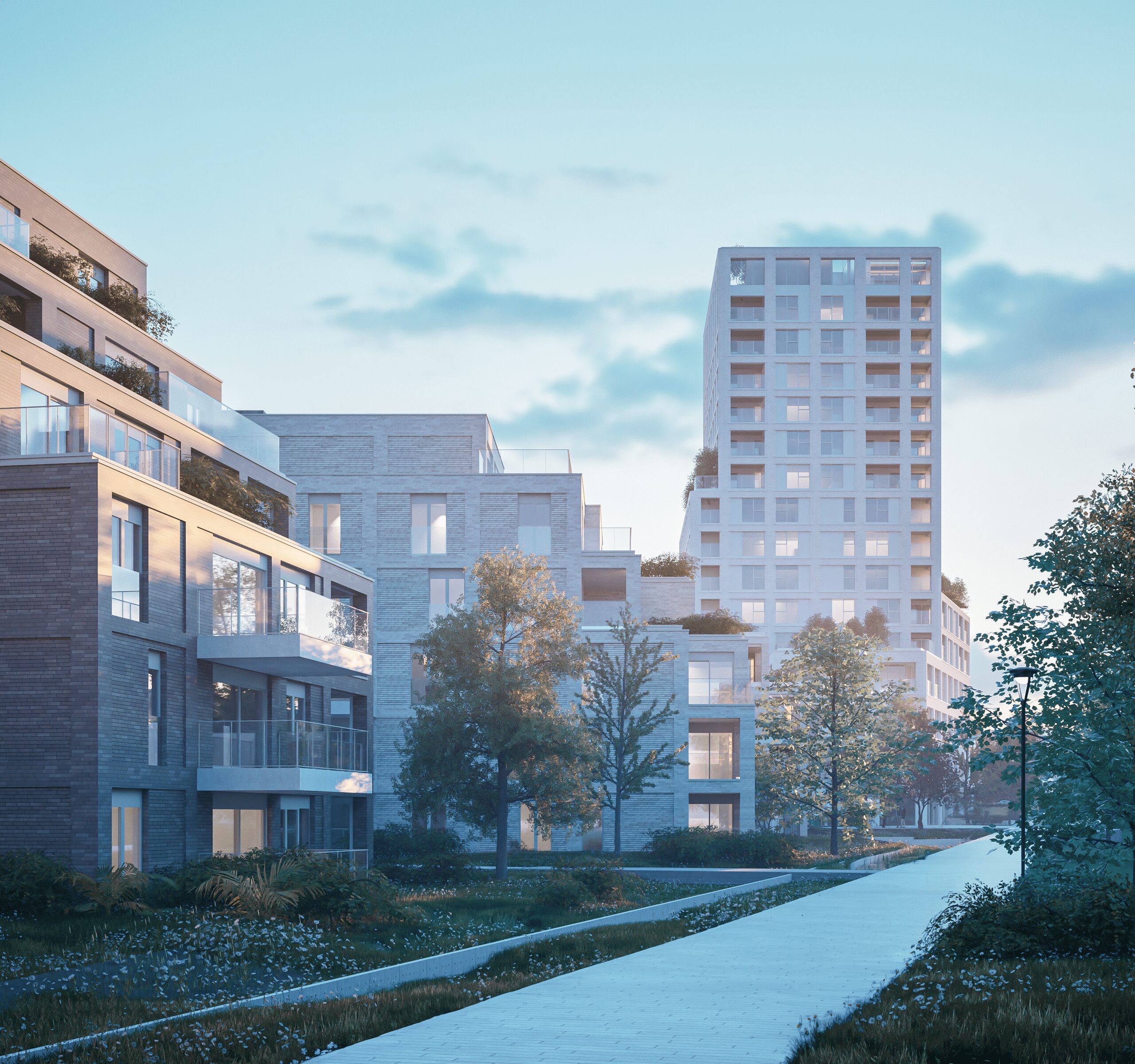
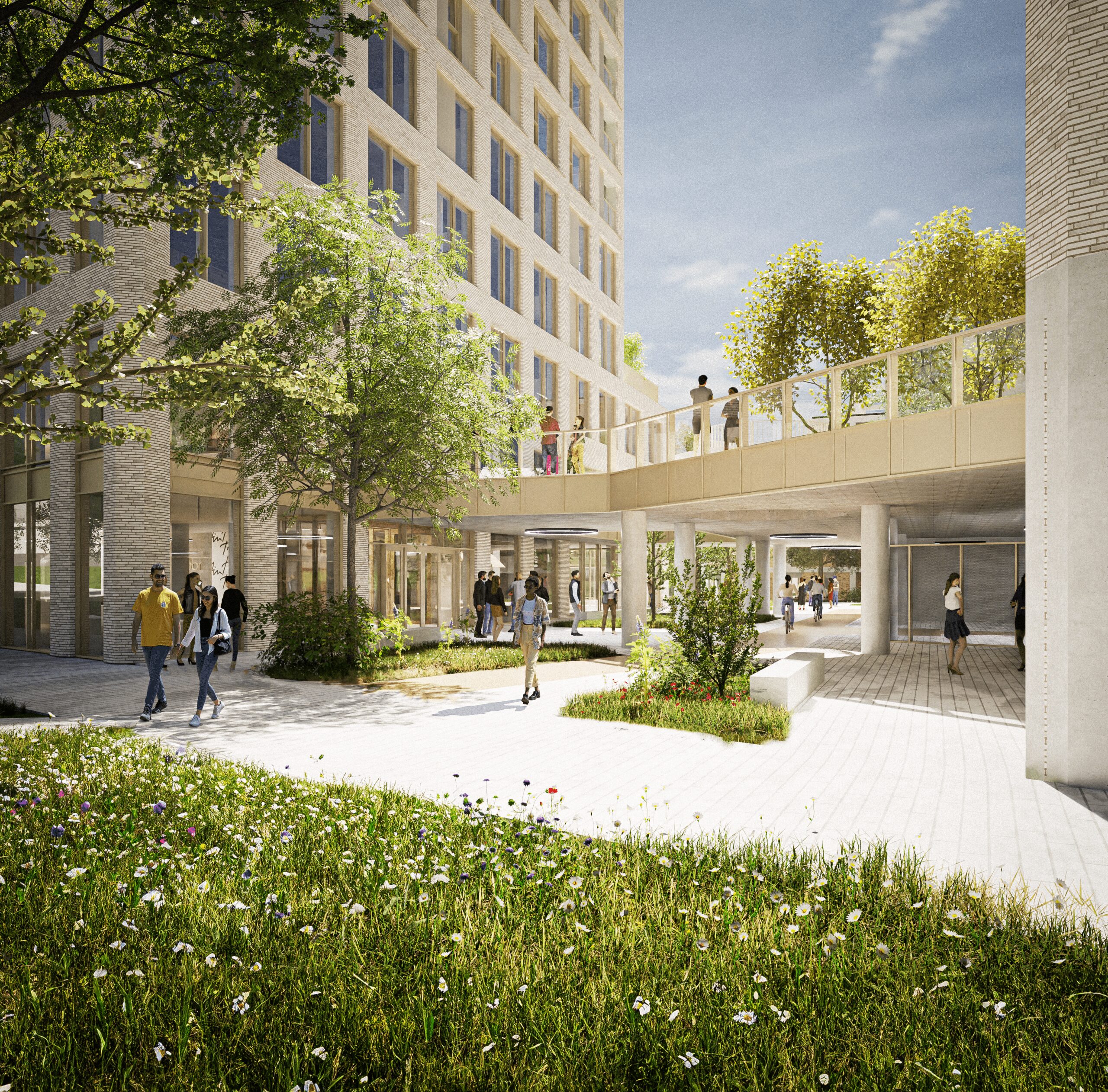
- De Boomgaard: open landscape structure around a central rain garden
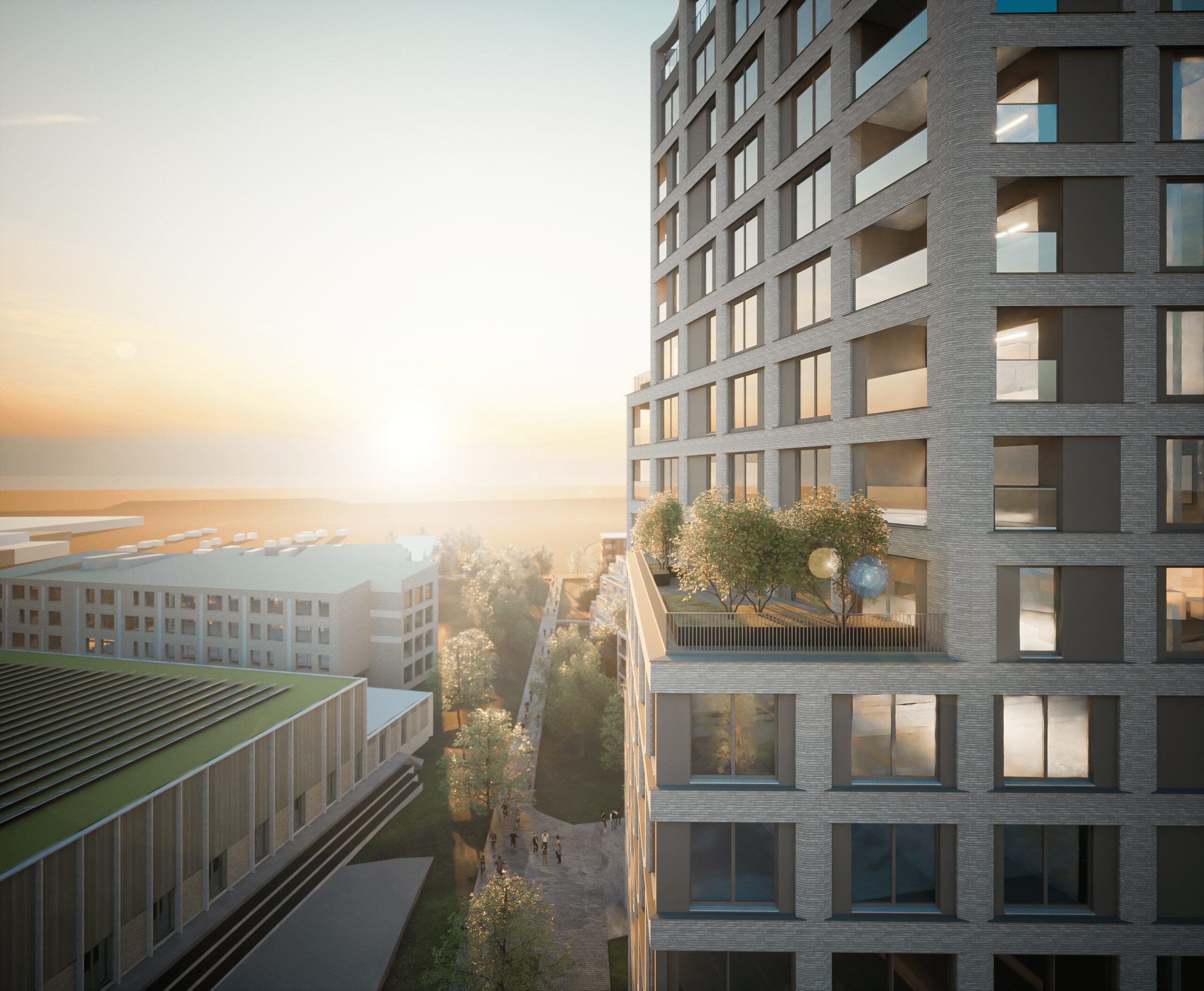
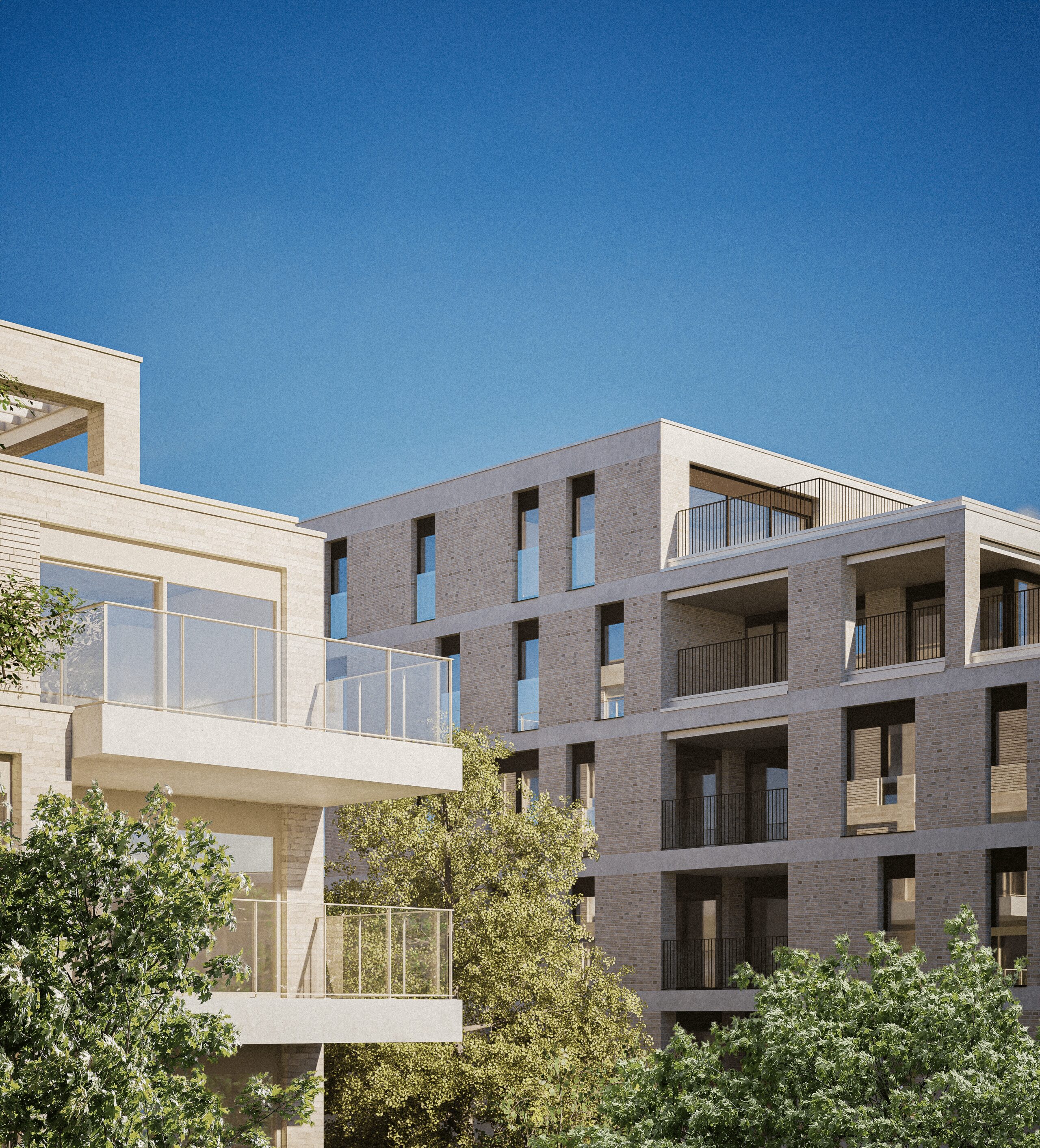
- De Belvédère: apartments with generous terraces and views towards the Green Spine
- De Tuin: collective area with play and meeting spaces
Together, these areas form a diverse residential landscape that strengthens the transition between city and countryside.
Landscape, mobility and liveability
A central Green Spine connects the city centre with the surrounding Haspengouw landscape and forms the structuring element of the project. The outdoor environment is designed as a cooling urban garden with strong focus on biodiversity, shading and water management.
Cars are removed from the surface and concentrated in a central underground parking facility. Narrow residential paths function as play streets and informal meeting spaces, fully prioritising pedestrians and cyclists.
Strategically placed bicycle parking facilities ensure maximum accessibility and support sustainable mobility.
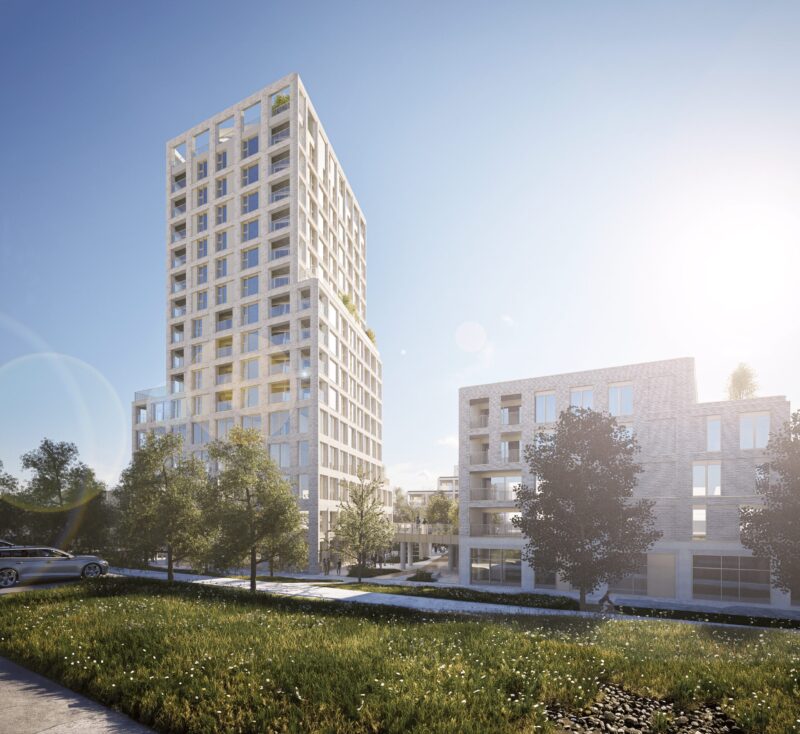 Photo © Sweco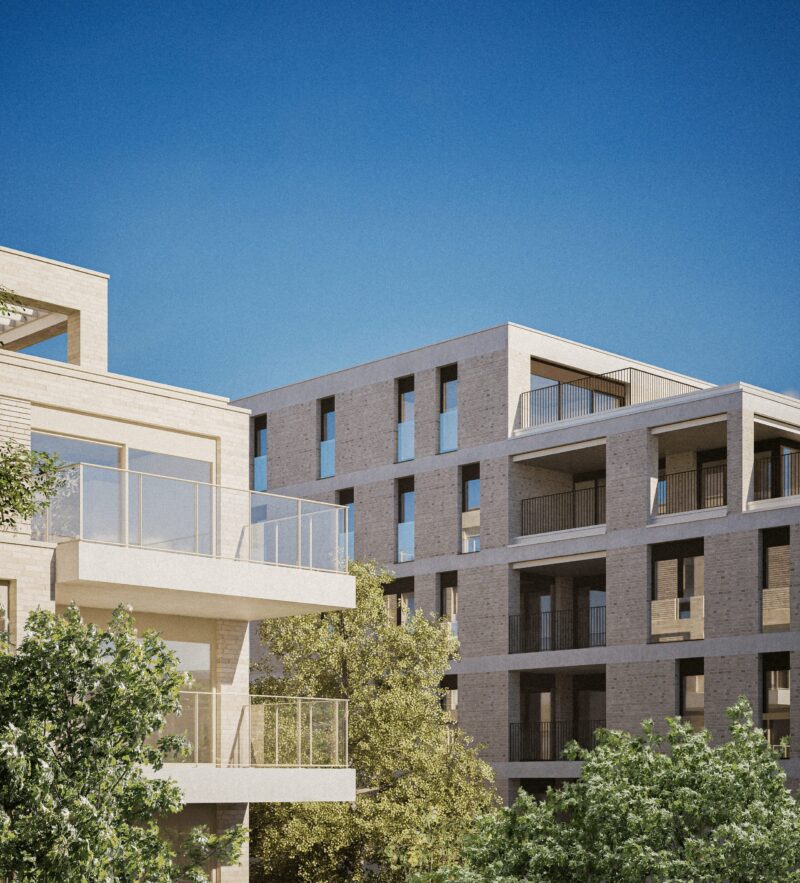
Ecology and climate resilience
The landscape actively contributes to climate adaptation. Green zones, fruit and nut trees, as well as shared gardens and allotments, enhance biodiversity and create new social spaces within the neighbourhood.
An efficient system of swales and rain gardens ensures natural water retention and drainage, turning Allegaer into a climate-resilient urban district.
Connection to the city
The masterplan integrates seamlessly into the surrounding urban fabric and strengthens connections with nearby primary and secondary schools. Safe and green links create a coherent environment where housing, nature and daily life reinforce each other.