Process and stakeholder management
N8 Vleteren–Ypres: process and stakeholder management
How can the N8 between Vleteren and Ypres be made safer and more liveable while building support for a solution to this long-running issue? Sweco guides this complex project from the formal procedure and integrated research to workshops and stakeholder consultation. Through a transparent approach, we bring together alternatives, impacts and interests as a basis for well-founded decisions.
- Expertise:
- Transport & Mobility
- Client
- Agency for Roads and Traffic (AWV)
- Location
- Vleteren–Ypres route
- Services
- Process and stakeholder management, mobility research, environmental impact assessment, feasibility study and cost-effectiveness analysis
- Partner
- Involved (communication and participation)
A regional connection with far-reaching impact
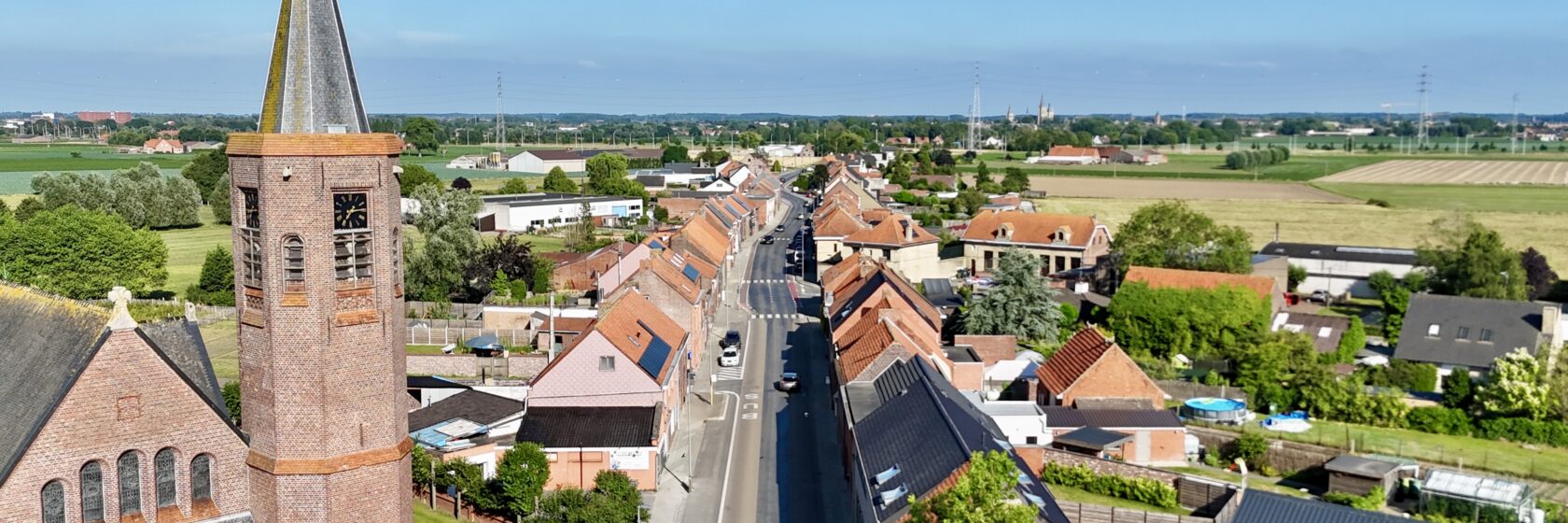
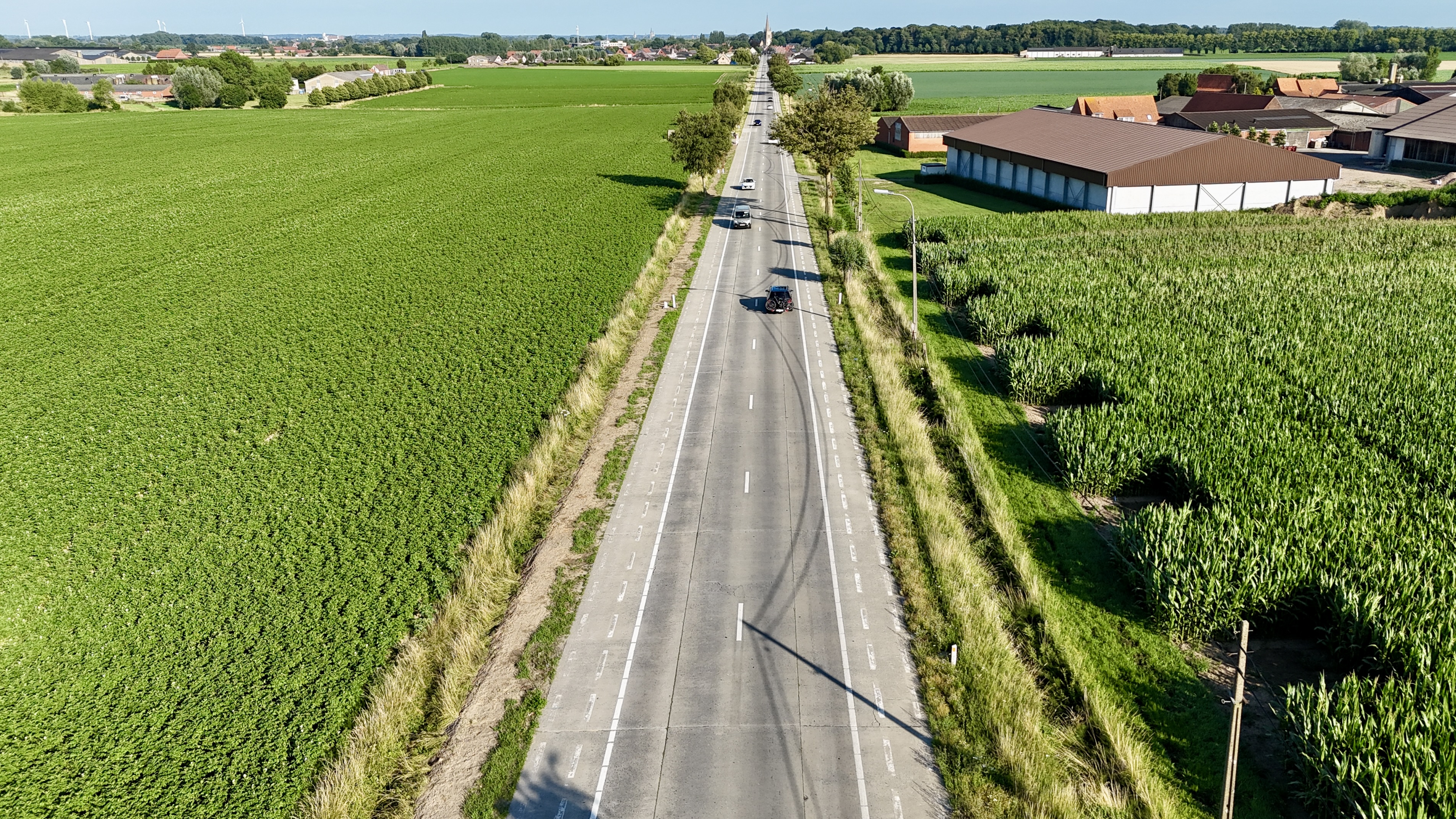
The N8 is the main north–south connection in the Westhoek region. For the section between Kruisboomstraat in Vleteren and the Noorderring (N38) in Ypres, AWV is investigating how the road can function more effectively as a regional route. The existing infrastructure has reached the end of its service life and no longer meets the relevant requirements. In and around Woesten, Elverdinge and Brielen, road safety, traffic flow, heavy and agricultural traffic, cycling infrastructure and quality of life converge in one complex challenge. The three villages are close together, and many homes between the centres have direct access to the N8. This calls for a different solution from the more rural section between Hoogstade and Veurne.
The project’s history makes the issue particularly sensitive. For decades, expectations regarding the future of the connection have differed widely. A technical design alone is therefore not enough: the best solution must emerge from a careful process in which knowledge, interests and concerns are weighed transparently.
One integrated process for research and dialogue
Sweco is responsible for the Complex Projects procedure and all its substantive components. Our experts help prepare the process memorandum, ambition memorandum, alternatives research memorandum, synthesis memorandum and preferred decision. They safeguard coherence between the formal process steps and structure information for decision-making and public consultation. The ambition memorandum describes the context, preconditions and ambitions for the road.
The alternatives research memorandum maps out all possible solutions and determines how they will be investigated further. This ensures that specialist knowledge feeds into consultation and decision-making at the right time. All alternatives are then assessed through integrated research. The findings are compiled in the synthesis memorandum and used to prepare a preferred decision for approval by the Flemish Government.
Involved is responsible for communication and participation. Sweco leads the workshops and bilateral and multilateral consultations with stakeholders, taking on a facilitating and informative role. We prepare decision points from a technical perspective, translate analyses into understandable scenarios and clearly show the consequences of each alternative. This creates one coherent process in which mobility, quality of life, landscape, water, environment, land use and feasibility are assessed together.
Participation turns ambitions into concrete priorities
A broad public survey, village walks along the route and bilateral and multilateral discussions revealed what residents and other stakeholders consider important. Their input made bottlenecks, local concerns and expectations for each village tangible. Sweco and Involved brought this information together in a public synthesis report, which directly informed the ambition memorandum. Participation therefore does not run alongside policymaking; it is an integral part of it.
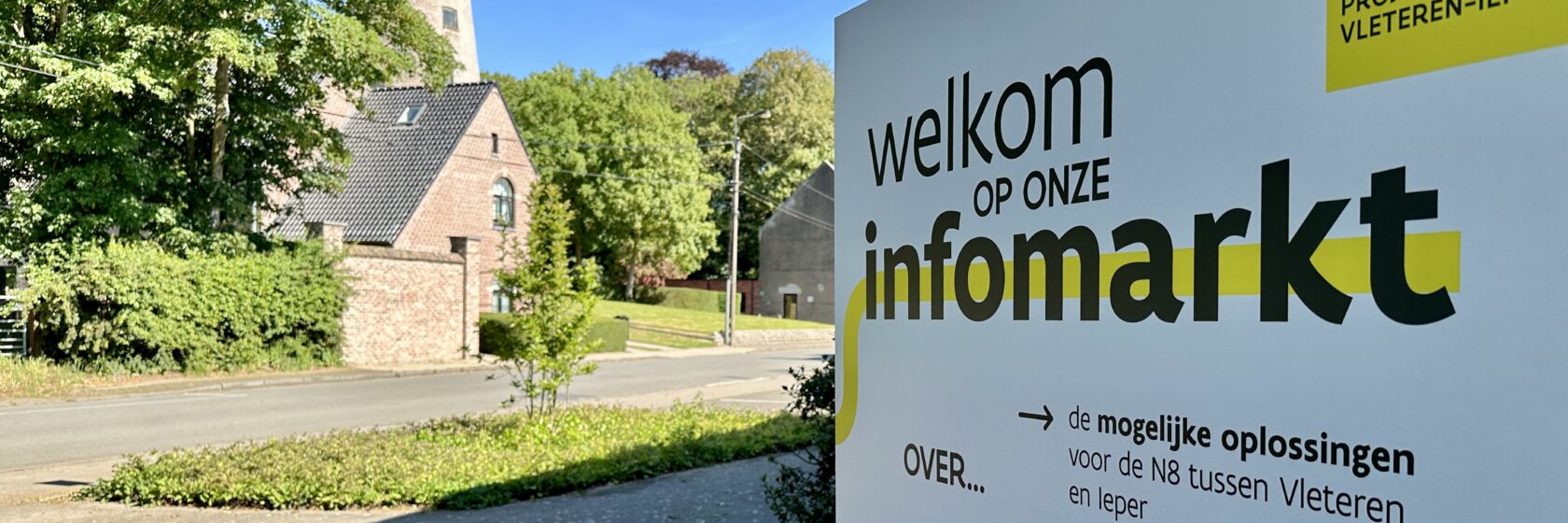
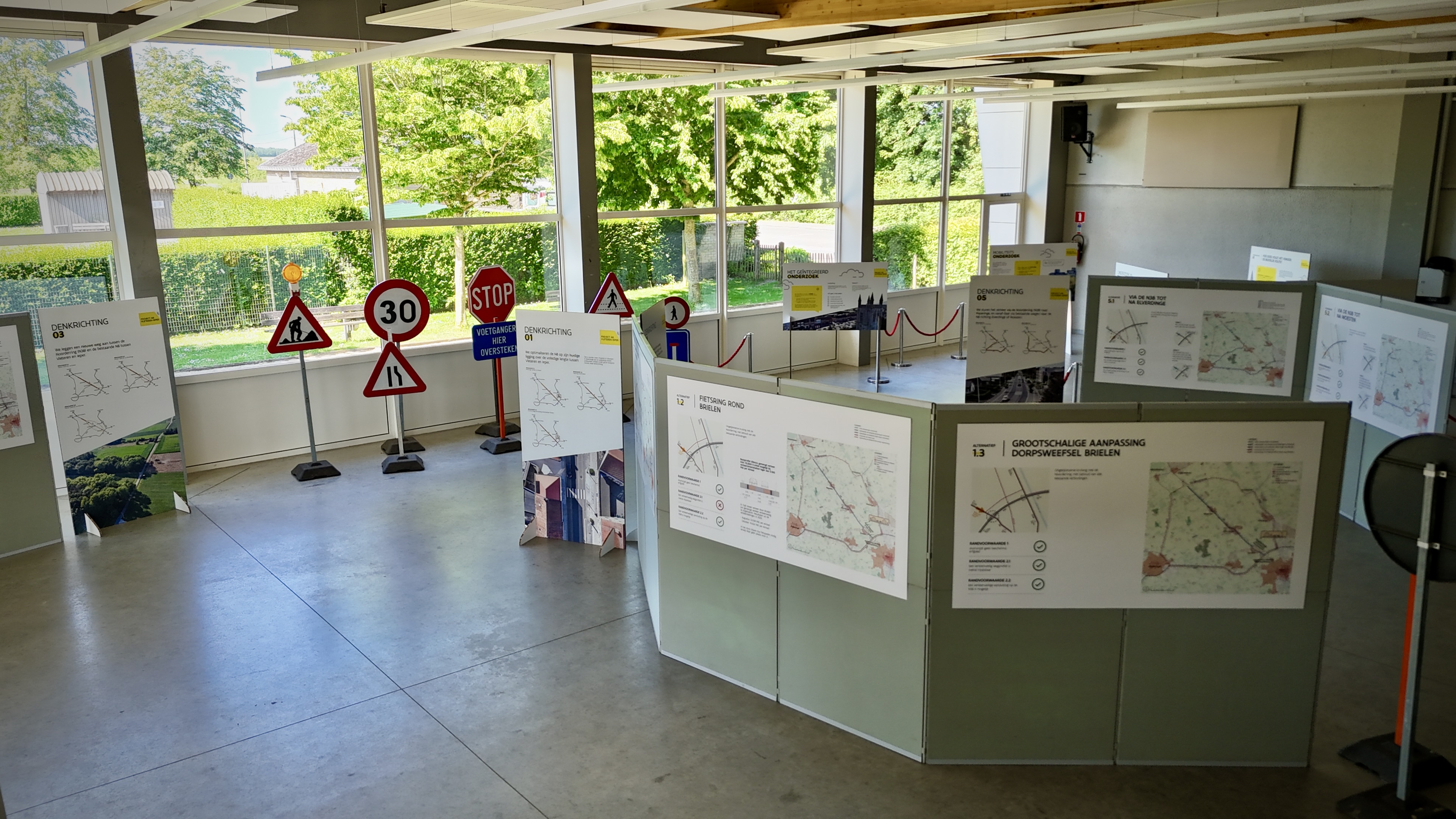
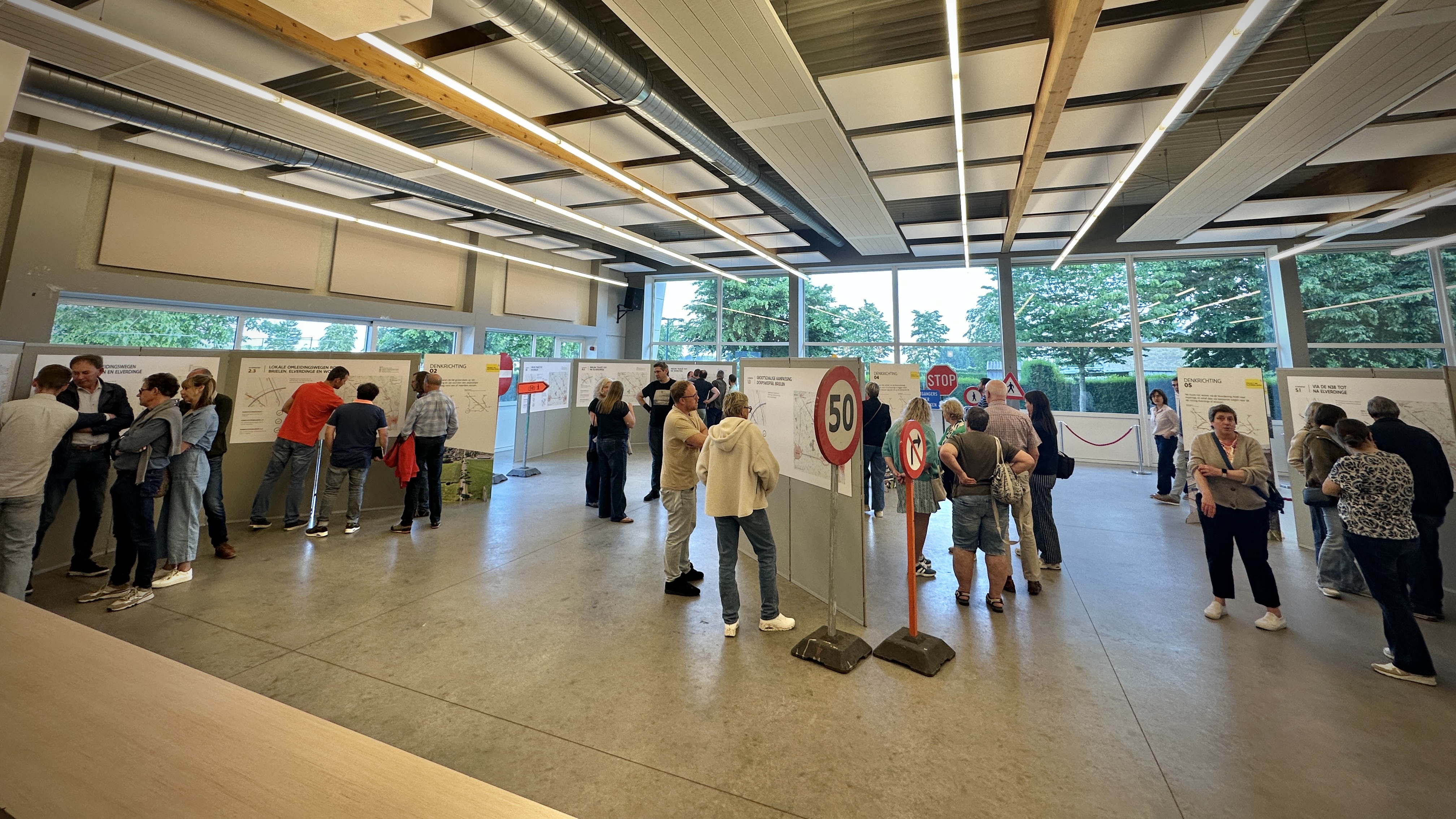
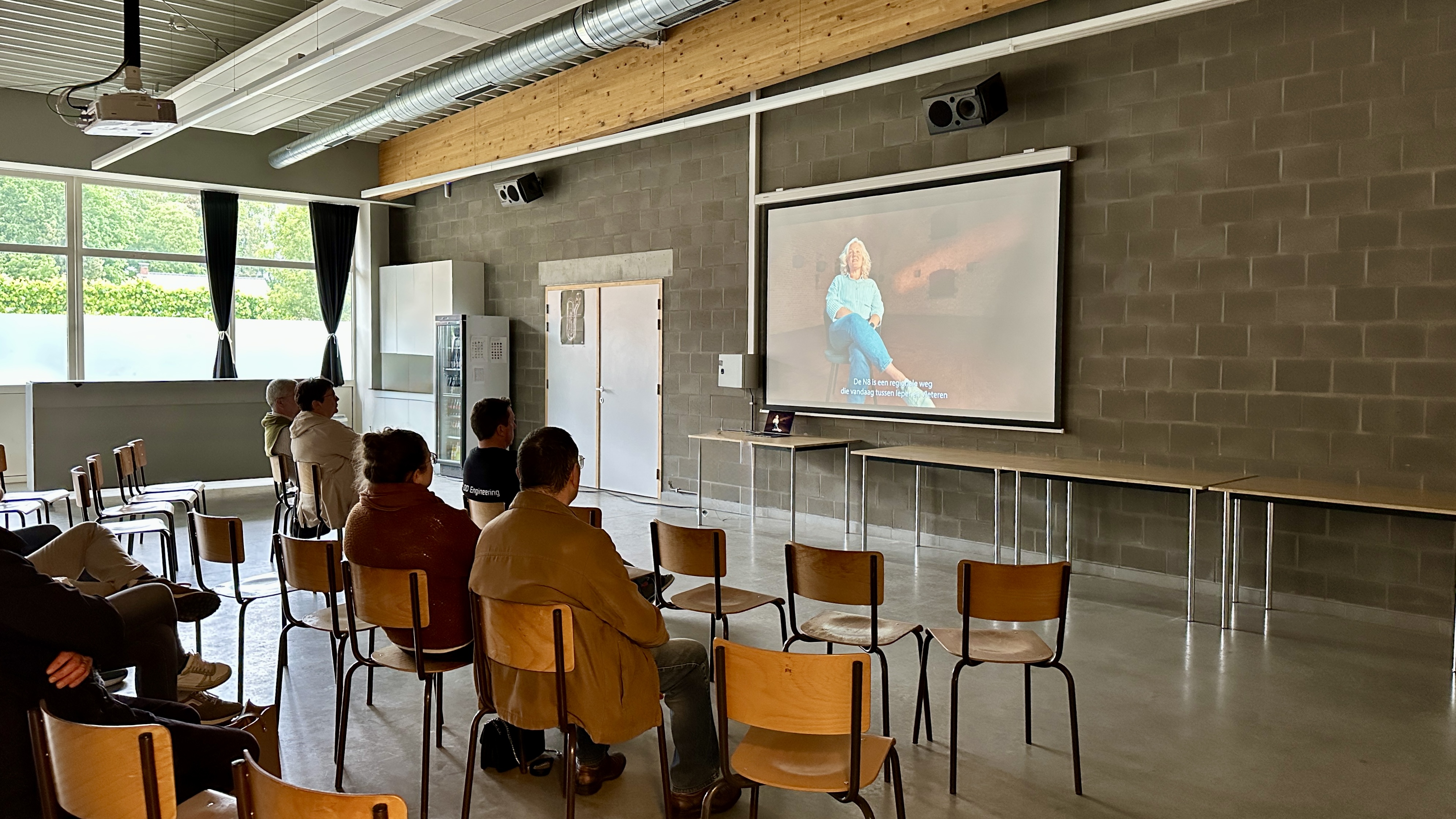
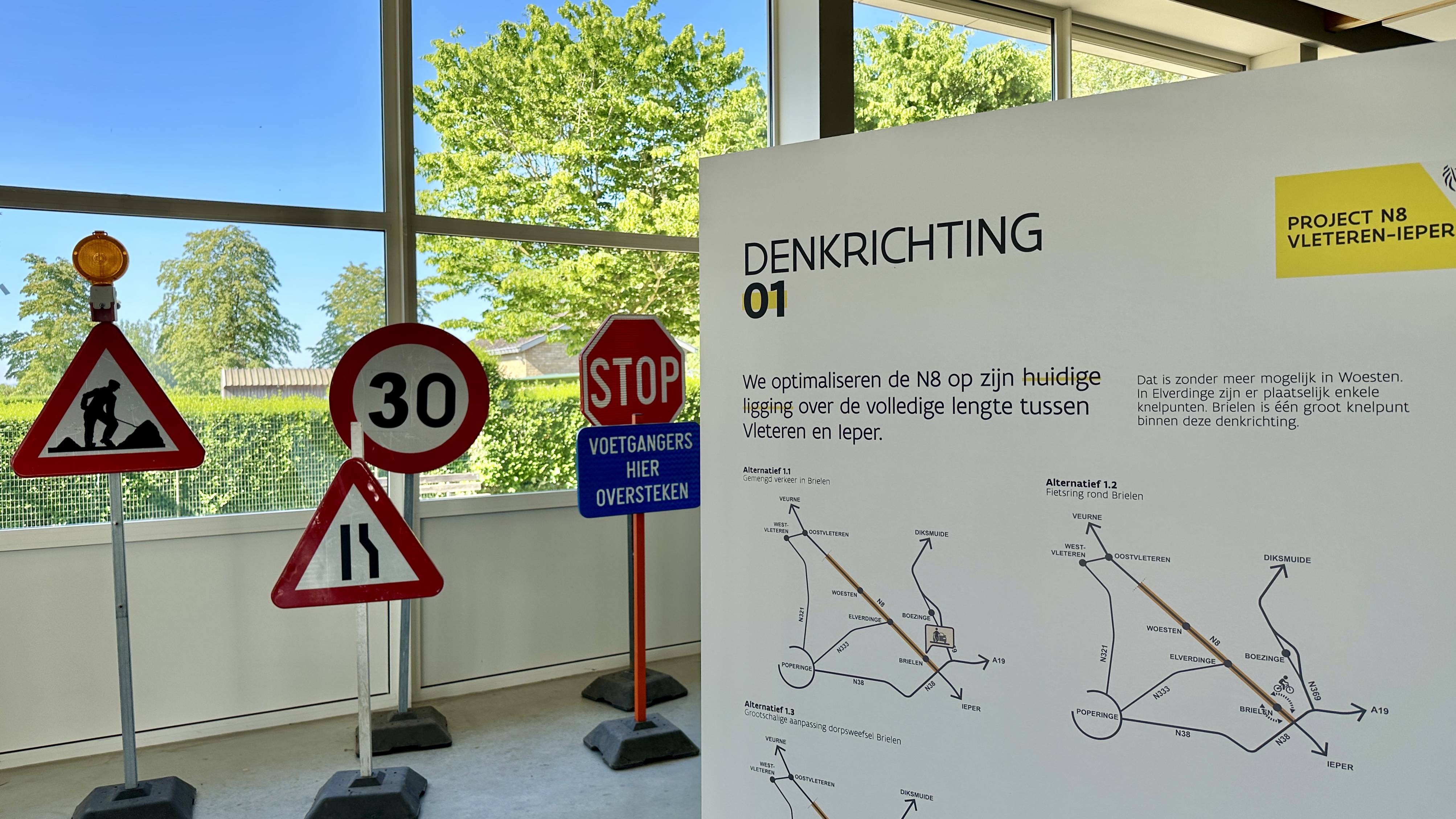
Clear and accessible information was also central to the alternatives research memorandum. At information markets, five themed islands with panels and maps made five broad directions tangible. A zigzag route with horizontal panels explained the course and methodology of the integrated research. An opening film featuring interviews and images of the N8 gave participants the context they needed for an informed discussion.
Research maps the alternatives step by step
Alongside the stakeholder process, Sweco is developing a transparent research methodology. In phase 1, the alternatives are narrowed down; in phase 2, the remaining solutions are assessed in detail. For each decision point, we develop several options and compare their advantages and disadvantages. This approach shows what each solution means for direct access, local traffic, land take, cycling connections, public transport, exceptional transport, landscape and water management.
The integrated research includes an extensive mobility study, an environmental impact assessment, a feasibility study and a cost-effectiveness analysis. Traffic counts from 2025 provide a concrete data basis. Sweco examines how potential solutions perform in terms of road safety, traffic flow and accessibility, as well as quality of life, nature and landscape, water, technical feasibility, costs and deliverability.
From public input to a broadly supported preferred solution
The alternatives research memorandum maps out the possible solutions and explains how they will be investigated further. Responses from the public consultation are processed in a consideration document and may lead to adjustments to the memorandum. By combining a clear procedure, integrated research and targeted dialogue, the project moves step by step towards a well-founded and broadly supported solution for the N8 between Vleteren and Ypres.
Photos: © AWV – Involved