Healthy Soil & Water
Oosterweel: smart groundwater management and infiltration
The Oosterweel Link is one of the most complex infrastructure projects in Belgium. In addition to mobility and liveability, water also plays a crucial role.
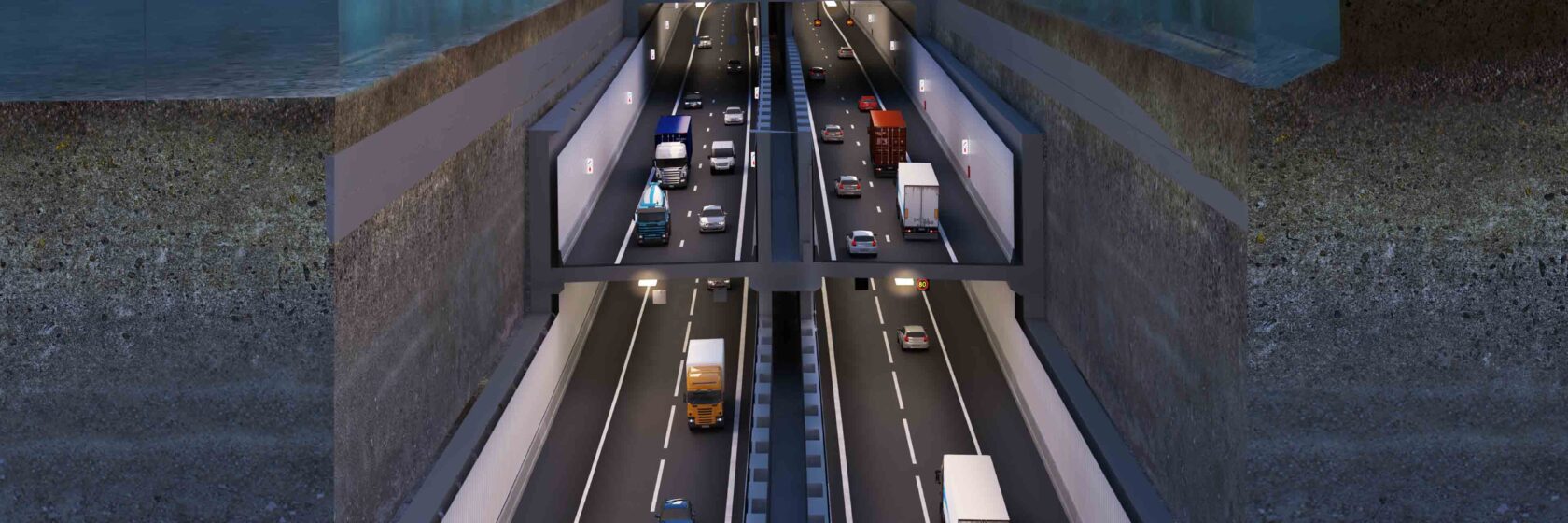
The ring sections and tunnels extend deep into the subsoil and interact with the local groundwater system.
Sweco supports the client with an integrated water and infiltration concept, from the study phase through to operation.
- Expertise:
- Climate resilience & nature, Water
- Client
- Lantis
- Location
- Antwerp
- Sweco scope
- Design of the groundwater monitoring network, development of the groundwater model, infiltration and buffering
Challenge: major works in a vulnerable groundwater system
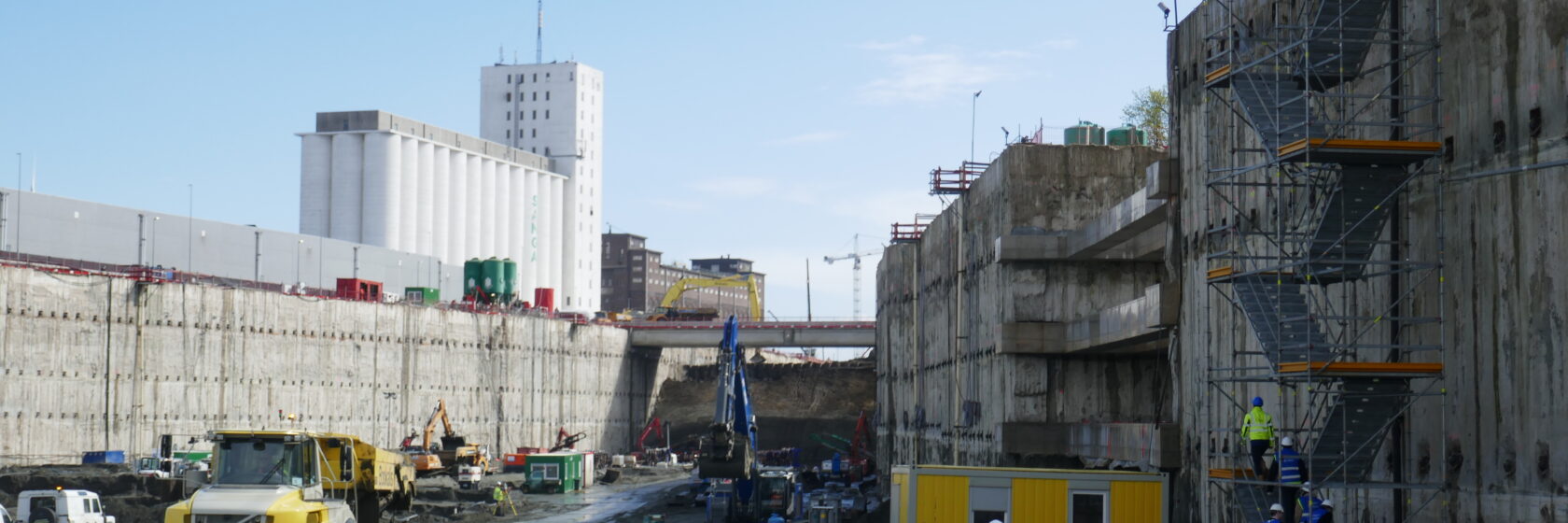
During the construction phase, large-scale, long-term dewatering operations are required to keep excavation pits, trenches and sunken ring sections dry. Such dewatering can locally result in:
- a drop in groundwater levels;
- settlement affecting existing infrastructure;
- drying out of green areas, parks and gardens;
- potential impacts on foundations and wells in the surrounding area.
Integrated approach: from measurement to on-site adjustment
To understand and manage impacts on the water system, Sweco contributed to an integrated approach covering all phases of the project:
Study phase: mapping the groundwater system
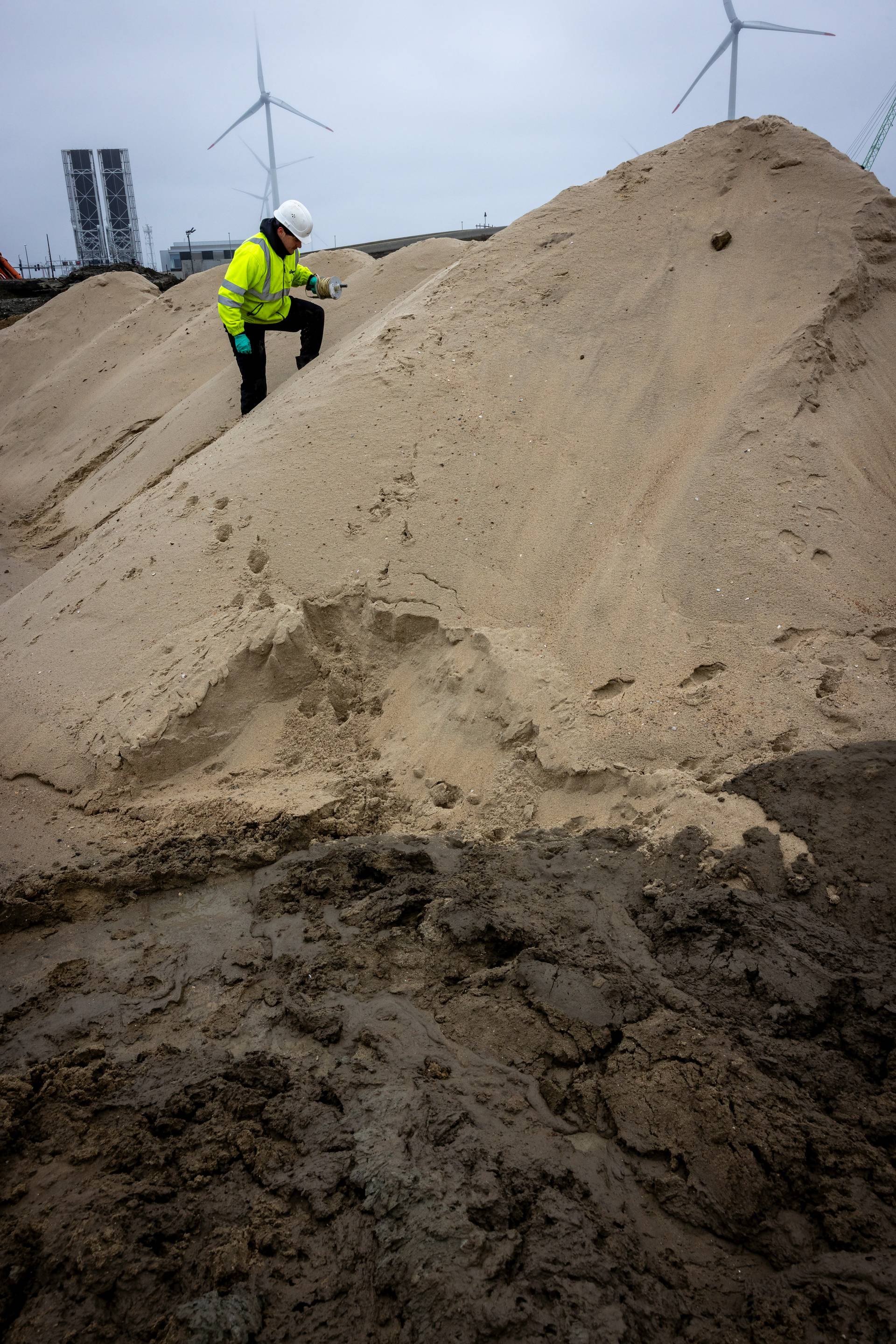
Within the Antwerp project area, an extensive groundwater monitoring network comprising more than 200 dataloggers and telemetric divers has been deployed. Based on these measurements, and taking seasonal fluctuations into account, the reference groundwater situation was mapped in detail.
These data provided the basis for a comprehensive groundwater model, used to test scenarios and mitigation measures.
Design: mitigation measures
Diaphragm walls extend down into impermeable subsoil layers. They slow groundwater flow and limit inflow into the excavation pits.
The design also accounts for potential long-term upstream effects, such as higher groundwater levels. These effects are assessed using the groundwater model.
Execution: real-time monitoring and level-controlled dewatering
The 200 dataloggers transmit real-time data, enabling level-controlled dewatering. As a water-saving measure, groundwater levels are not lowered more than strictly necessary.
The real-time data are reported periodically to advisory bodies and support adjustments where required.
Construction phase: water quality
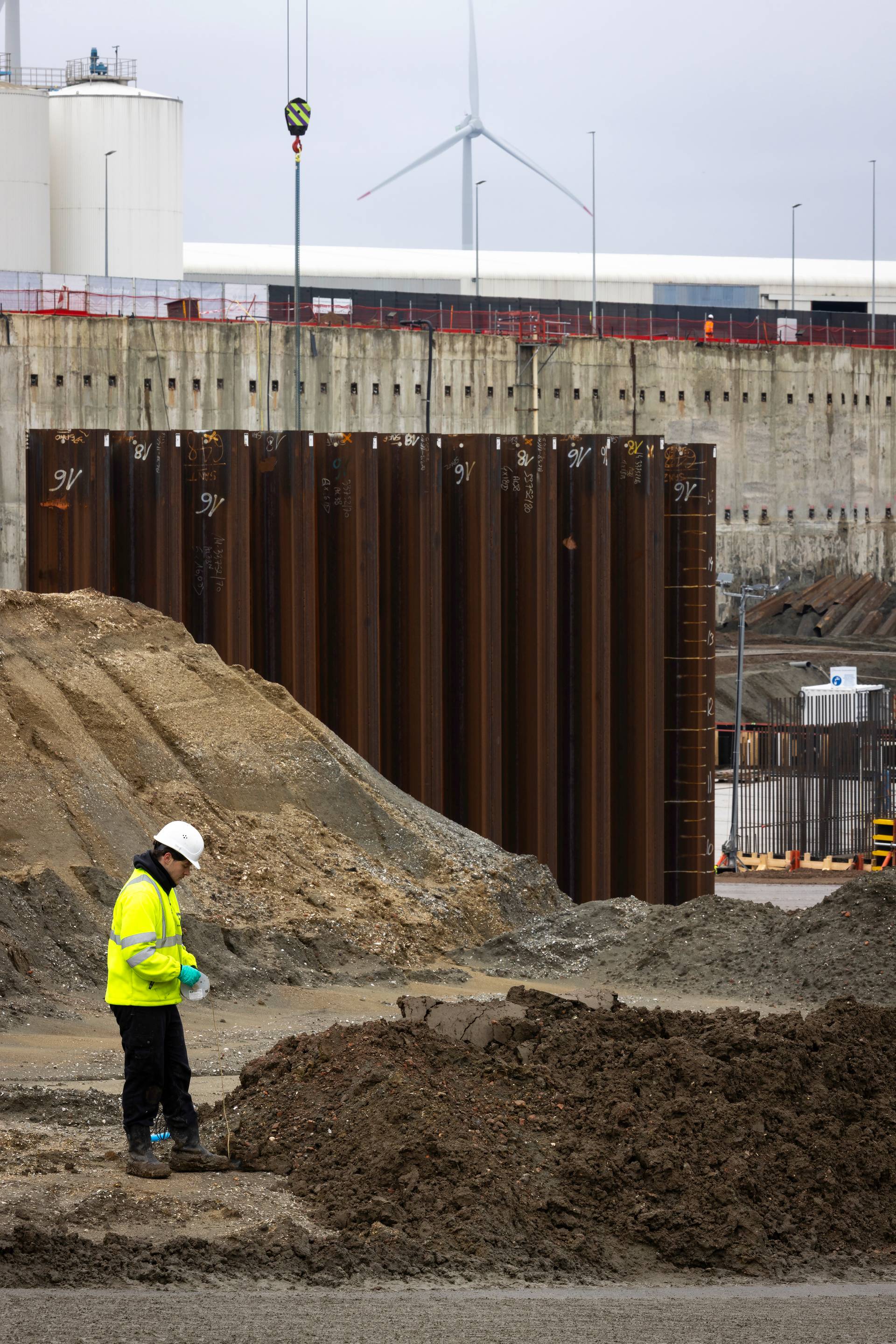
The quality of the effluent from dewatering operations is continuously monitored.
Before discharge, it is treated in a wastewater treatment installation: only treated water is released into the environment.
This results in a chain-based approach: from reference measurements, through modelling and the design of measures, to monitoring and adjustment during construction and operation.
Infiltration and buffering in the operational phase
The water story does not end after construction. The sunken ring and tunnels require limited permanent collection of leakage flows (seepage) to keep the infrastructure dry and safe. Here too, a structural monitoring programme ensures continuous oversight.
In addition, buffering and blue-green structures must limit peak discharges to sewers and watercourses.
For Oosterweel, Sweco supports the client and its partners, among other things, with:
- the design and roll-out of the groundwater monitoring network;
- the development and refinement of the groundwater model;
- advice on mitigation measures (diaphragm walls, dewatering concepts, infiltration and buffering solutions);
- the set-up of level-controlled dewatering and real-time monitoring;
- reporting to and coordination with advisory bodies;
- integrating infiltration and buffering into the design of blue-green structures.