
High Voltage (Energy) Systems
Underground 150 kV cable boosts electricity grid capacity in the Antwerp Kempen region
Between Herentals and Poederlee, Sweco studied a new underground 150 kV cable connection. This infrastructure project responds to the rapidly increasing electricity demand in the Antwerp Kempen, where industrial growth and renewable energy production reinforce each other.
- Expertise:
- Energy solutions
- Client
- Elia
- Location
- Herentals-Poederlee
- Services
- Engineering, permitting management, infrastructure design and planning
Integrated approach from route study to as-built
Sweco handled both the technical study and the full permitting process, laying a solid foundation for efficient execution. Choosing an underground installation limits the impact on landscape and nature, while significantly increasing the reliability of the high-voltage grid.
This project highlights Sweco’s broad engineering expertise, from route studies and permits to final CFC plans and as-built documentation. The knowledge gained and proven methodologies form a strong reference for future infrastructure projects, where technical complexity and societal value go hand in hand.
More capacity, less visual impact
The choice of an underground cable significantly reduces the visual impact and protects the valuable natural landscape of the Kempen. Moreover, once the new connection is operational, the overhead line between Poederlee and Mol will be removed, further improving landscape quality.
The demand for electricity continues to rise, both for households and businesses. That is why we must strengthen our grid in time.
Sarah Martens, spokesperson for Elia
Well-considered design and permitting in an ecologically sensitive area
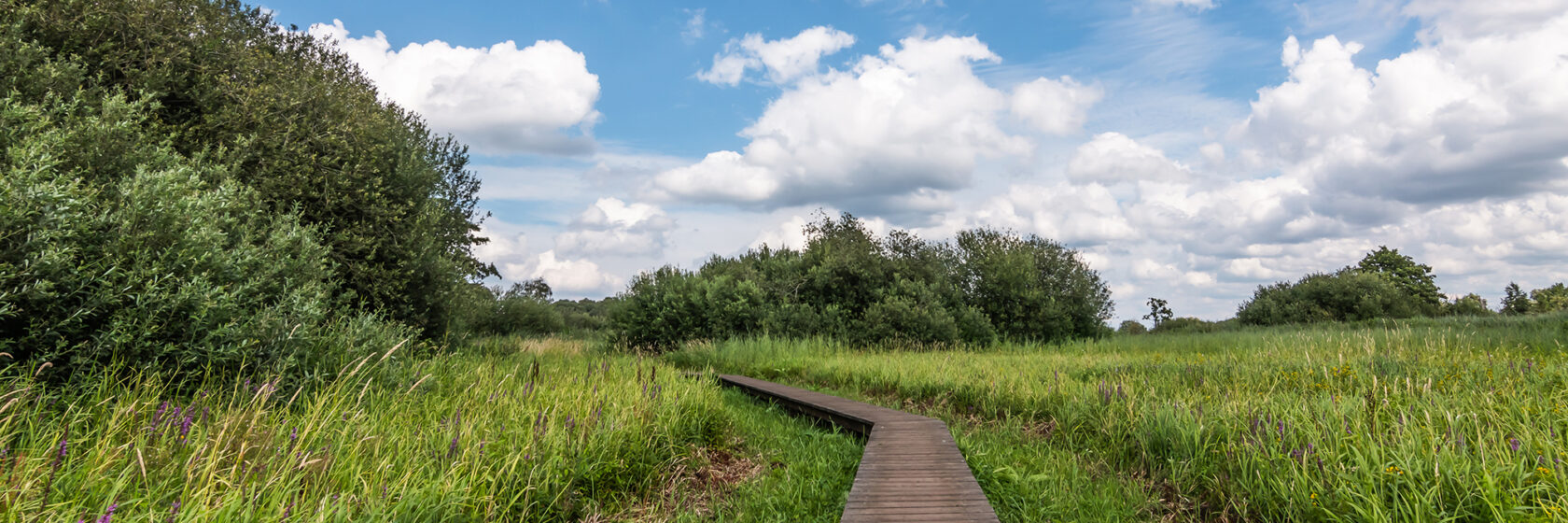
For this project, we developed a complete environmental permit (OMV) file, including all necessary plans, an EIA screening and an appropriate assessment. Part of the route runs through a habitat directive area along the Kleine Nete, where valuable heathland and forest areas enjoy additional protection.
A technical highlight of the project is the redesign of a horizontal directional drilling (HDD) under the new bridge over the Kleine Nete. This drilling passes beneath the bridge’s pile foundation and is subject to strict regulations. In close collaboration with Elia and the bridge manager, Sweco developed an innovative drilling technique that fully protects both the foundations and the watercourse.
Proactively managing soil and environmental risks
Elevated concentrations of substances such as arsenic, PFAS, BTEXN and mineral oil were identified along the cable route. Sweco proactively addressed this with an integrated soil and dewatering study. In addition, in consultation with the Agency for Nature and Forests (ANB), an extensive heavy metals monitoring programme was set up. This approach makes it possible to identify environmental risks early and translate them into a safe and feasible construction concept, with respect for surrounding nature and waterways.
Complex project, tight coordination
The realization of the new connection requires intensive coordination between various stakeholders, including Elia, Fluvius, the involved municipalities, the Flemish Agency for Roads and Traffic (AWV), and numerous landowners and utility owners. Throughout the entire design and permitting process, we managed the coordination and maintained a very tight schedule. This integrated approach is crucial to efficiently deliver complex infrastructure projects.
Key link in the energy transition
The new 150 kV connection not only increases the reliability of the electricity grid but also makes it future-proof. The project creates additional capacity for decentralized energy production, such as solar and biomass installations, thereby supporting Belgium’s climate objectives. Construction is scheduled to start in early 2027.