
Sweco Belgium
An integrated BIM approach strengthens digital construction strategy
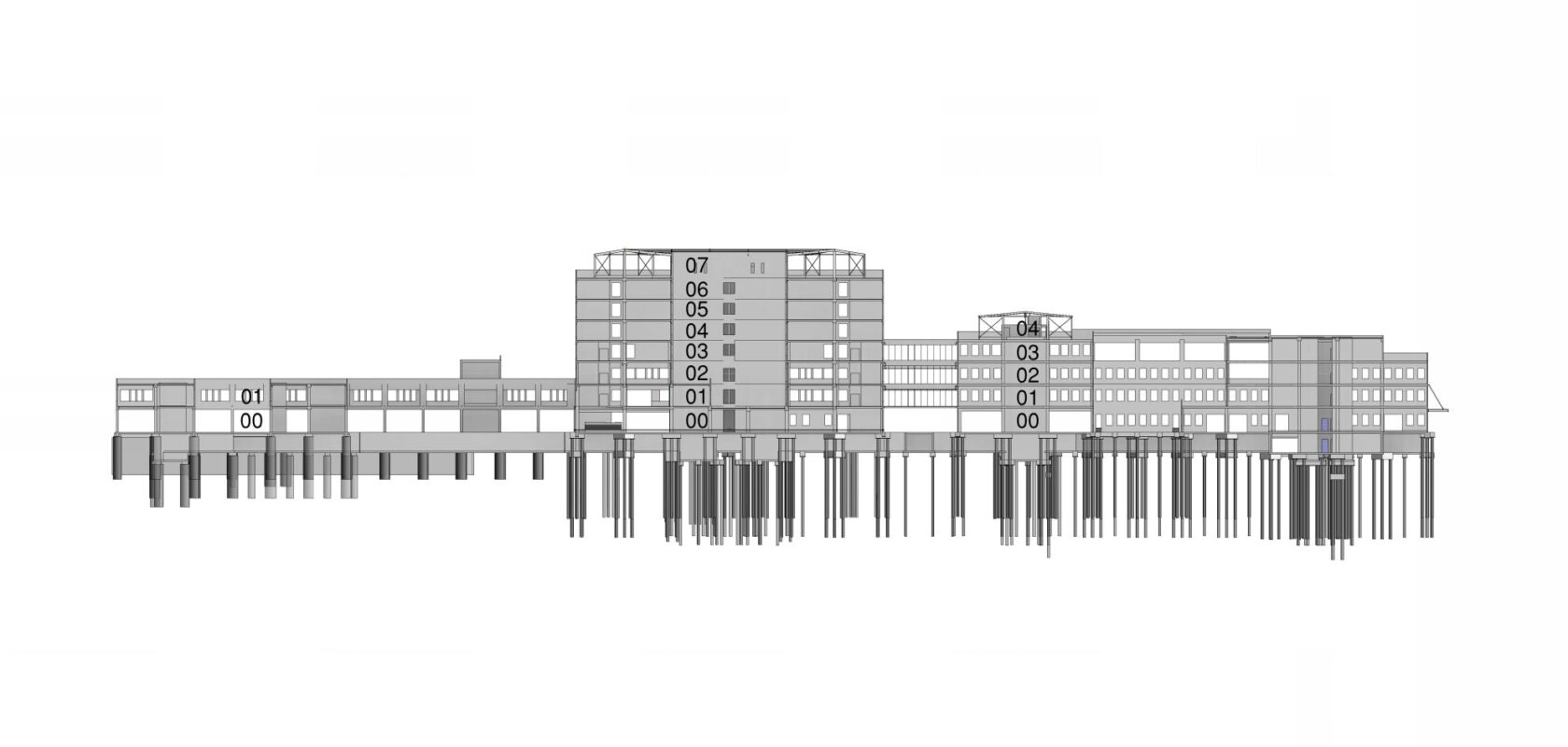
Within Sweco, architecture, engineering and consultancy are becoming increasingly interconnected. This integrated collaboration not only strengthens the multidisciplinary approach to projects, but also accelerates the further development of Sweco’s digital construction strategy. Through BIM, smart data applications and AI-supported processes, buildings become more high-performing while creating greater value for owners, operators and users.
One integrated digital project approach
Sweco’s architecture division works from an integrated design vision in which architecture, engineering and consultancy are aligned from the very beginning of a project. This collaboration is directly reflected in the way projects are developed digitally.
Architectural and technical models are approached in an integrated way from the earliest design stages. By connecting disciplines internally, alignment, coordination and decision-making become more efficient throughout the entire design process.
This approach responds to the growing complexity of construction projects and the increasingly high BIM expectations from clients. Sweco is therefore deliberately strengthening the connection between design, engineering and consultancy throughout the entire building lifecycle.
When workflows, protocols and responsibilities are aligned internally, you avoid a great deal of coordination loss. This allows projects to be designed faster and more consistently, especially in complex environments.
Dieter Wuyts, principal within Sweco’s architecture division
BIM as a driver of digital performance
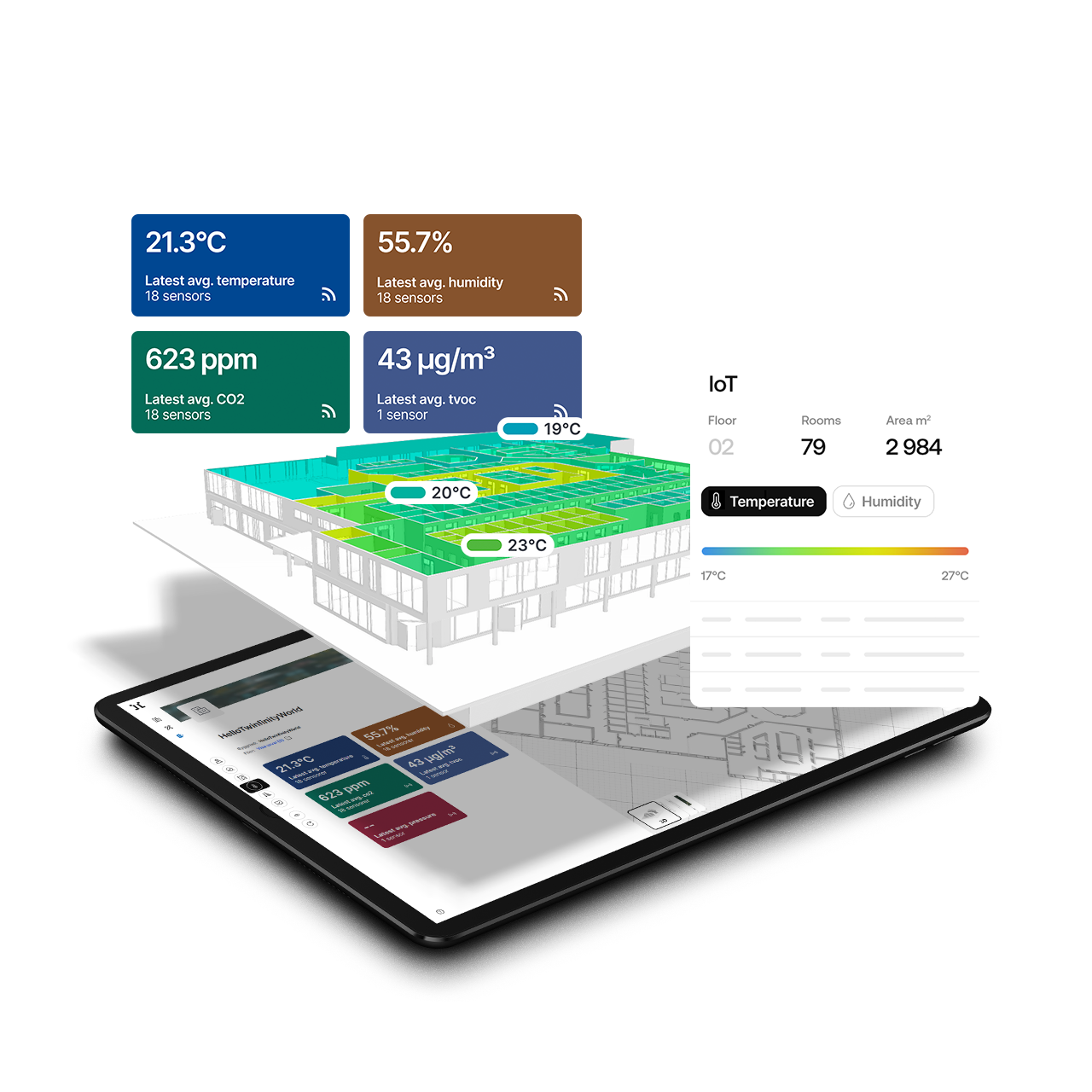
BIM forms the foundation of Sweco’s digital operations. The focus now extends far beyond design and coordination alone. Model data is increasingly being used to actively monitor, analyse and optimise building performance.
Anthony Kennes explains: “In the past, BIM was mainly focused on design coordination. Today, models are evolving into smart data sources that continue to create value during the operational phase as well.”
This evolution supports a more high-performing and sustainable design approach. Instead of traditional overdimensioning, the focus is shifting towards fit-for-purpose design, where systems are more accurately tailored to actual needs. By linking BIM data to Model Predictive Control (MPC), buildings can be managed more intelligently in terms of energy use, comfort and operational efficiency.
Regulations are evolving alongside this shift. Digital models are playing an increasingly important role in permitting processes, material data and sustainability reporting.
“It is only a matter of time before digital models become the standard in permitting procedures and sustainability reporting. The required data is already embedded in the models today,” says Dieter Wuyts.
AI accelerates and strengthens BIM processes
Artificial intelligence is being integrated into Sweco’s BIM processes to automate repetitive tasks, improve data quality and support faster design decisions.
AI engines are also connected to digital collaboration platforms such as Autodesk Construction Cloud (ACC), enabling quicker evaluation of material choices, particularly regarding environmental impact and CO₂ emissions.
AI is also accelerating architectural design processes.
“Where visualisations used to require a great deal of time, we can now generate scenarios much faster and evaluate design choices together with the client,” adds Dieter Wuyts.
Added value throughout the entire lifecycle
Sweco’s digital strategy is not only focused on internal efficiency, but above all on creating higher-performing buildings and better services.
Owners, operators and users increasingly expect accessible building data that actively contributes to management, maintenance and optimisation. Digital tools play a key role in this evolution. Through platforms such as Twinfinity, building data can be visualised and accessed in a user-friendly way. Combined with smart monitoring and MPC studies, this creates an integrated approach where architectural quality, technical performance and sustainability reinforce one another.
“It is not just about designing more efficiently, but above all about creating better buildings throughout their entire lifecycle,” concludes Anthony Kennes.
BIM is therefore evolving from a design methodology into a strategic tool covering the full lifecycle of buildings — from concept and construction to operation and optimisation.
Overig nieuws
Water management without reuse is no longer fit for purpose
Read more

Industry and water: permit certainty starts with demonstrable water quality
Read more
Sweco Belgium welcomes All Soil Assistance and further strengthens its soil expertise
Read more