
Sweco Belgium
Decarbonisation: the biggest energy gains are not where you think
Pressure on industrial companies is increasing. Energy prices remain volatile, grid congestion complicates expansion plans, and climate targets already require decisions today that must still hold up in 2030, 2040 and 2050. An isolated technology choice is therefore of little use. The real challenge is not a lack of solutions, but setting the right priorities.
The greatest impact of industrial decarbonisation does not lie in hydrogen or carbon capture, but in energy efficiency, heat integration and electrification. These form the real workhorse of the energy transition. This is where you often find the fastest results, the strongest business case and the most realistic first steps toward CO₂ neutrality.
Jasper Daniels, Energy Consultant at Sweco

Industrial decarbonisation starts with the right strategy
The path to a climate-neutral site is rarely straightforward. Industrial installations have grown historically, processes are highly interconnected, and investment decisions have long-term effects. That is why Sweco works with a decarbonisation roadmap: a strategic plan that translates the current energy system, emissions, bottlenecks and investment choices into a realistic pathway towards CO₂ neutrality. Such a roadmap helps companies avoid lock-ins and align today’s investments with long-term goals.
Sweco builds such a roadmap in four steps. First, the baseline is defined, including the carbon footprint, a business-as-usual scenario, key milestones and future production volumes. This is followed by a transition pathway with scenarios, gap analyses and techno-economic screening of measures. These insights are translated into a clear roadmap with actions and next steps, which is then periodically evaluated and adjusted.
1. Energy efficiency first: the fastest gain for industrial sites
The greenest energy is the energy you do not use. That is why energy efficiency is the first and often most cost-effective step in any decarbonisation strategy. Many sites still have significant opportunities, even in processes that have been professionally managed for years. Think of smarter process control, better alignment between heating and cooling, optimisation of existing assets, or process innovations such as membrane technology or drying with superheated steam combined with mechanical vapour recompression (MVR). These measures often have a low CO₂ abatement cost, limited CAPEX and short payback periods.
Case: Messer Benelux
At Messer Benelux, Sweco examined the interaction between cooling towers and chillers in an air separation unit. By optimising cooling water temperature and control strategies of existing systems, electricity consumption was reduced by around 5%, without additional CAPEX. Savings reached tens to hundreds of thousands of euros annually, with even more potential in winter. The project shows that substantial efficiency gains remain possible even on mature sites.
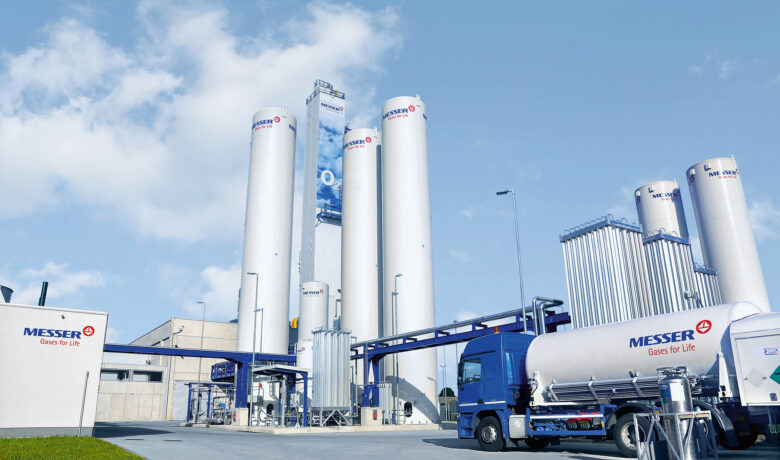
Photo Credit: Messer Benelux
2. Heat integration and electrification: future-proof your heat system
After energy efficiency, the next major lever is heat integration and electrification, where many industrial sites still have large untapped potential. While electricity decarbonisation is largely a system-level challenge, heat decarbonisation mainly takes place at site level, where process knowledge, integration and engineering make the difference.
Many production environments are historically built around central steam systems and high temperature levels, while processes actually require different temperature levels. As a result, heat is not always generated or used at the right level, and valuable waste heat is lost. Sweco therefore starts from process demand: what temperature is truly needed, where is waste heat available, which streams can be connected, and where do heat pumps or mechanical vapour recompression add value? The key often lies in using heat at the lowest possible temperature level, with buffering where necessary and smarter matching of sources and consumers.
Case: Sanofi
At Sanofi in Geel, Sweco developed a full decarbonisation roadmap for the site’s heat demand. The approach started with lowering the temperature of the low-temperature system, followed by buffering, then heat pumps and MVR for upgrading heat, and only later additional solutions for high temperatures and peak demand. The existing steam system was retained as backup for reliability. This phased approach makes electrification technically robust and operationally feasible.
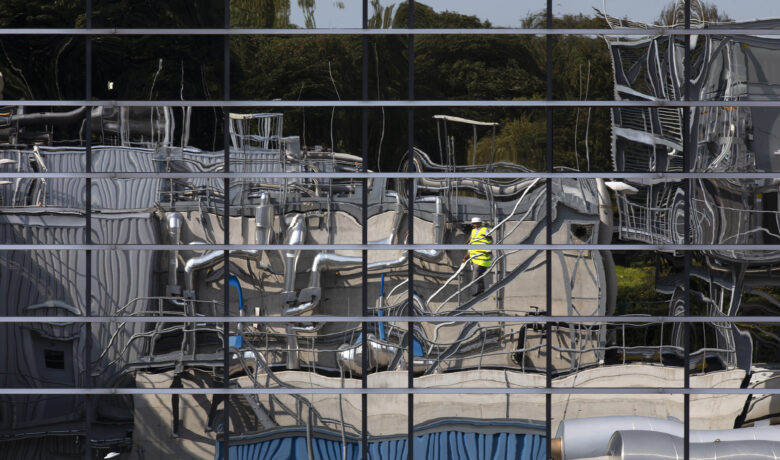
Photo Credit: Sanofi
3. Use high-value energy carriers only where they add value
Technologies such as electric boilers, hydrogen, biogas, and carbon capture receive a lot of attention in the debate on industrial decarbonization. They certainly have their place, but Sweco only considers them after more efficient measures have been fully exploited. First reduce energy consumption, then integrate heat, next electrify, and only then deploy high-value energy carriers where they are truly needed.
This is not an ideological choice, but a technical and economic logic. Heat pumps or CHP units often cover the baseload, while e-boilers, biogas, or hydrogen are better suited for peak loads, redundancy, very high temperatures, or processes with inherent CO₂ emissions. Those who invest in these technologies too early risk committing to solutions that may later prove suboptimal for the site.
4. Flexibility becomes a strategic factor
The energy transition is not only changing what companies consume, but also how they manage energy. With increasing electrification, industrial sites are becoming more dependent on an energy system characterized by variable electricity prices, grid congestion, and fluctuating renewable energy production.For industrial companies, this means that electric assets must be controlled intelligently. Heat pumps, e-boilers, and other electric consumers can help avoid peak demand, reduce energy costs, and limit the load on the grid.
Sweco looks at both behind-the-meter applications, such as peak shaving and increased self-consumption, as well as front-of-the-meter opportunities such as day-ahead optimization, imbalance management, and grid-support services (FCR: Frequency Containment Reserve, aFRR: automatic, mFRR: manual) for Elia or the Control Room. In a study on the electrification of steam production, for example, an e-boiler without market-based control did not present a convincing business case, but became profitable once day-ahead optimization was included.
5. Start today: the energy transition will not wait
One of the biggest misconceptions about decarbonization is that companies still have time to wait. In reality, grid reinforcements, permitting procedures, and investment decisions often require years of preparation. Companies that only start thinking about electrification later risk connection issues, higher costs, and delays to their roadmap. Especially now that electricity demand from heat pumps, e-boilers, charging infrastructure, and other electrical assets is rising rapidly, early planning is essential.
A decarbonization roadmap helps estimate future electricity demand in time, phase investments, and make decisions that remain sound in the long term. As a result, the roadmap becomes not only a sustainability tool, but also a strategic compass for operational reliability and competitiveness.
Sweco’s decarbonization pyramid: work from top to bottom
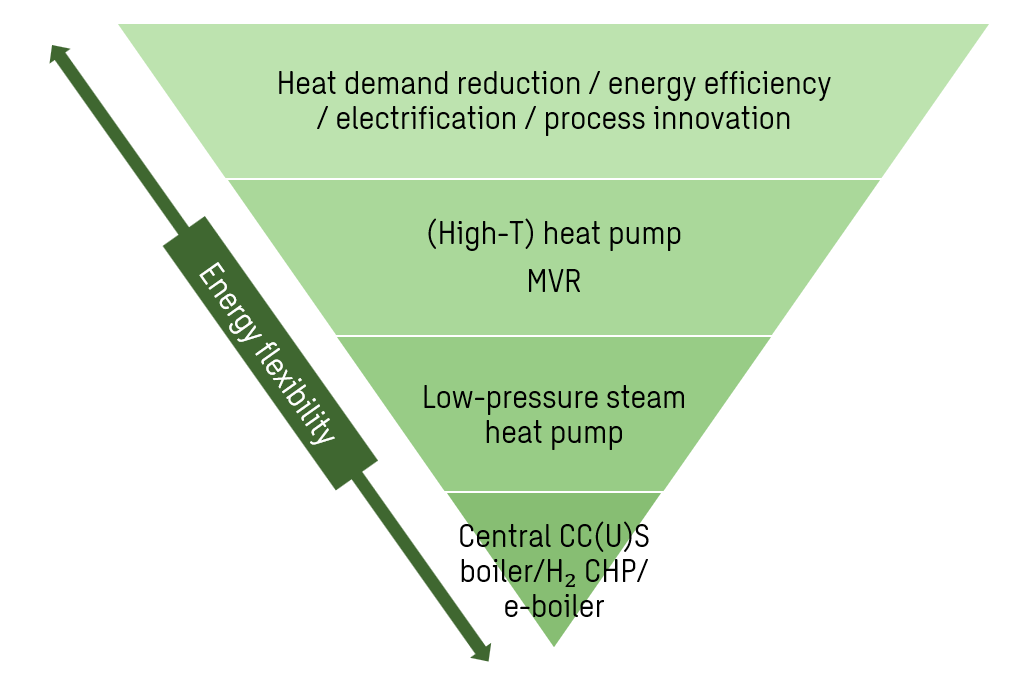
To clarify priorities, Sweco applies a decarbonization pyramid based on the Trias Energetica principle. It starts with energy efficiency and process innovation, followed by heat integration, waste heat recovery, heat pumps, and electrification. Only then do electric boilers, hydrogen, and ultimately carbon capture come into play.
This sequence matters because the greatest impact and best business cases are typically found higher up in the pyramid. Flexibility runs as a horizontal layer across all levels. There is no single silver bullet for industrial decarbonization, but there are clear fundamental principles that help companies make the right choices more quickly.
Concrete added value for industrial companies
For industrial decision-makers, a decarbonization strategy is only relevant if it is also operationally and economically sound. This is where a well-thought-out roadmap makes the difference. It does not start from the most spectacular technology, but from the reality of the site, the processes, the energy flows, and the company’s investment logic. For many industrial companies, the greatest gains still lie in energy efficiency, heat integration, and electrification.
Case: La Lorraine
In the food industry as well, the correct sequencing of measures proves decisive. In a project for La Lorraine, Sweco initially examined the installation of a new heat pump. However, the analysis showed that heat integration had to be addressed first. By capturing more waste heat through heat exchangers, the heat demand decreased, allowing the heat pump to be sized smaller. A textbook example of how the right order simultaneously increases efficiency and reduces investment costs.
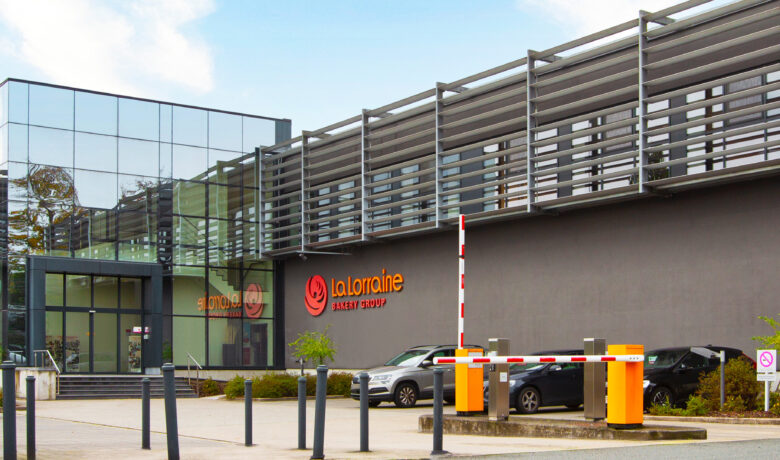
Photo Credit: La Lorraine
The best route to CO₂ neutrality
The biggest breakthroughs are not always found in the most visible technologies, but often in organizing processes, heat, residual flows, and electrical assets more intelligently.
Want to know where the greatest energy savings can be achieved? Sweco can support you with a well-founded decarbonization roadmap that brings together technical feasibility, business case, and long-term strategy. This gives you insight not only into your reduction potential, but also into the best route to make your site climate-neutral step by step.
Other News

From housing study to action-oriented housing policy
Read more
Sweco welcomes Stendess and confirms ambitions in sustainable steel engineering
Read more
Europe’s water infrastructure is under pressure. How can we invest wisely?
Read more