LFDD: why grid stability is becoming a strategic issue for businesses
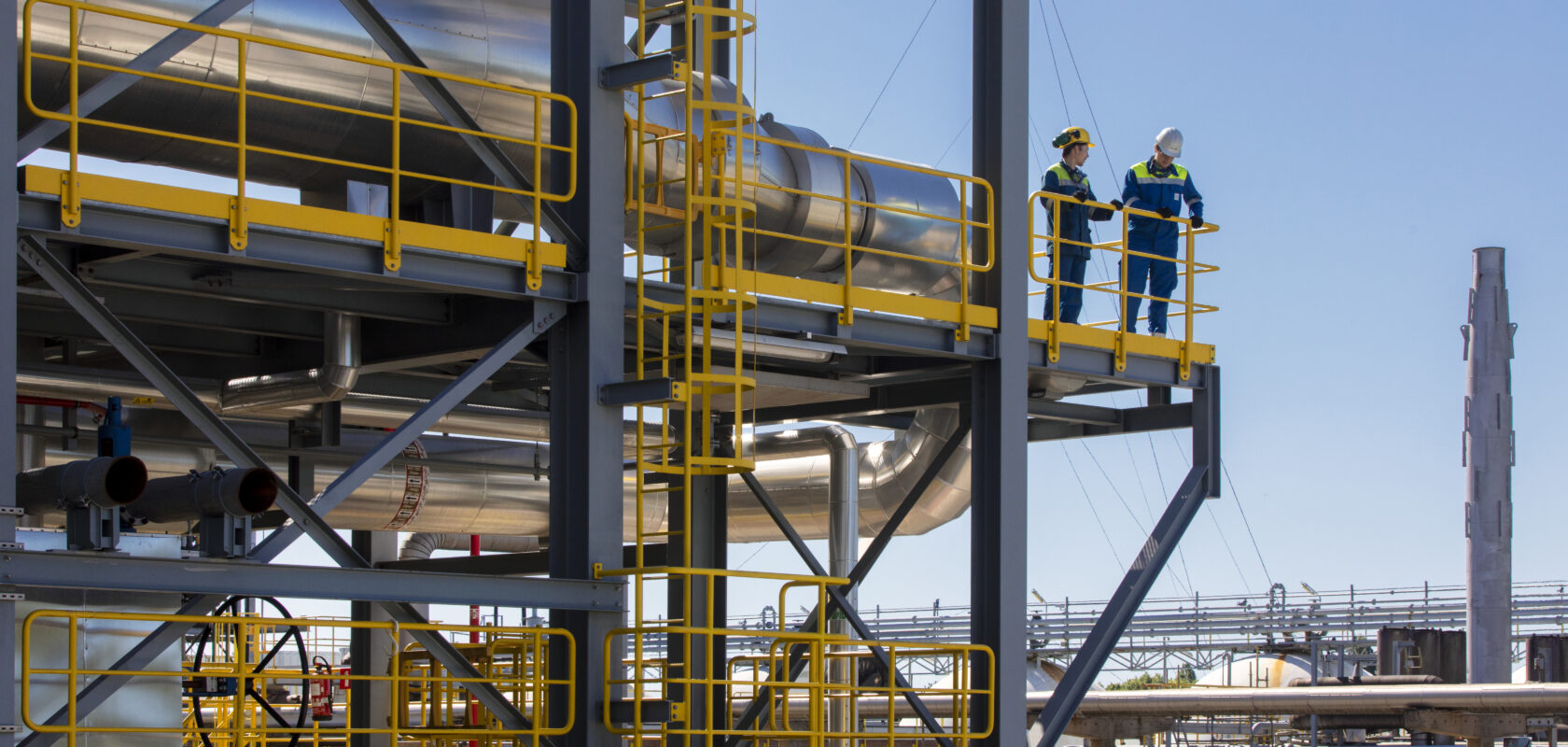
The energy transition is fundamentally reshaping the business landscape. Where energy was once mainly considered an operational cost, it is now becoming a strategic factor. Electrification, renewable energy and decentralised generation are strengthening the energy system while creating new opportunities. At the same time, we are moving towards one dominant energy carrier across all sectors: electricity. Whereas we previously relied on multiple energy sources, the reliability of the electricity grid is now becoming an even more critical issue for society.
Low Frequency Demand Disconnection, or LFDD, is a mechanism designed precisely to address this challenge. It is not a theoretical concept, but a concrete measure that directly affects businesses while playing an essential role in protecting the wider energy system.
What is LFDD and why does it exist?
The electricity grid operates most efficiently when generation and consumption remain balanced. In Europe and Belgium, minor deviations are generally absorbed effectively thanks to a strong and highly interconnected grid. Only when production and demand diverge significantly can the grid frequency begin to fluctuate. Under normal circumstances, these deviations are corrected through automatic reserves, but in exceptional situations additional measures may be required.
LFDD was developed as a final line of defence. When the frequency drops below critical thresholds, parts of electricity demand are automatically disconnected. This happens in a phased and controlled manner with the aim of preventing a total blackout. The principle is straightforward yet far-reaching: a limited impact on individual installations helps avoid a much larger impact on the entire system.

The link with electrification and the energy transition
The need for LFDD is increasing as industry and infrastructure electrify at a rapid pace. Companies are moving away from fossil fuels and switching to electric applications. At the same time, they are investing in solar panels, batteries and other forms of local energy generation.
This evolution brings production and consumption closer together, but also significantly increases system complexity. Peak loads become higher, processes become more dependent on electricity and the impact of disruptions grows. As a result, businesses are becoming increasingly integrated into the wider energy system and therefore also share responsibility for maintaining its stability.
LFDD is first and foremost a mechanism designed to safeguard the stability of the entire power system. A well-considered and strategic design can help minimise the impact on individual processes, but this will always remain secondary to ensuring the safe and reliable operation of the system as a whole.
Toon Van Schuylenbergh, Electrification for Business
How LFDD works in practice
LFDD is only activated as a last resort to protect grid stability. Initially, Elia activates automatic and manual balancing mechanisms such as FCR, aFRR and mFRR. In addition, large electricity generation facilities are required under grid code regulations to respond automatically to frequency deviations in order to support system stability. Only when these mechanisms prove insufficient and the grid frequency continues to fall below critical thresholds is LFDD activated. In the first phase, a limited share of electricity demand is disconnected. If the situation deteriorates further, a second and larger reduction follows in order to restore balance to the grid. In total, this can amount to approximately 30% of electricity demand, implemented in several stages.
An important principle is that companies themselves determine which installations can be disconnected. This requires a careful balance between operational impact and system security. Installations must be able to shut down safely, without risks to personnel or infrastructure, and without unacceptable consequences for critical processes.
Overig nieuws
Südspidol takes a major step towards the people-centred hospital of tomorrow
Read more
Stakeholder management creates space for better projects
Read more

Spatial policy plans: making today’s choices for tomorrow’s city
Read more