
Sweco Belgium
European cities join forces to create circular, climate-neutral neighbourhoods
Key Insights from the New European Bauhaus Festival 2026
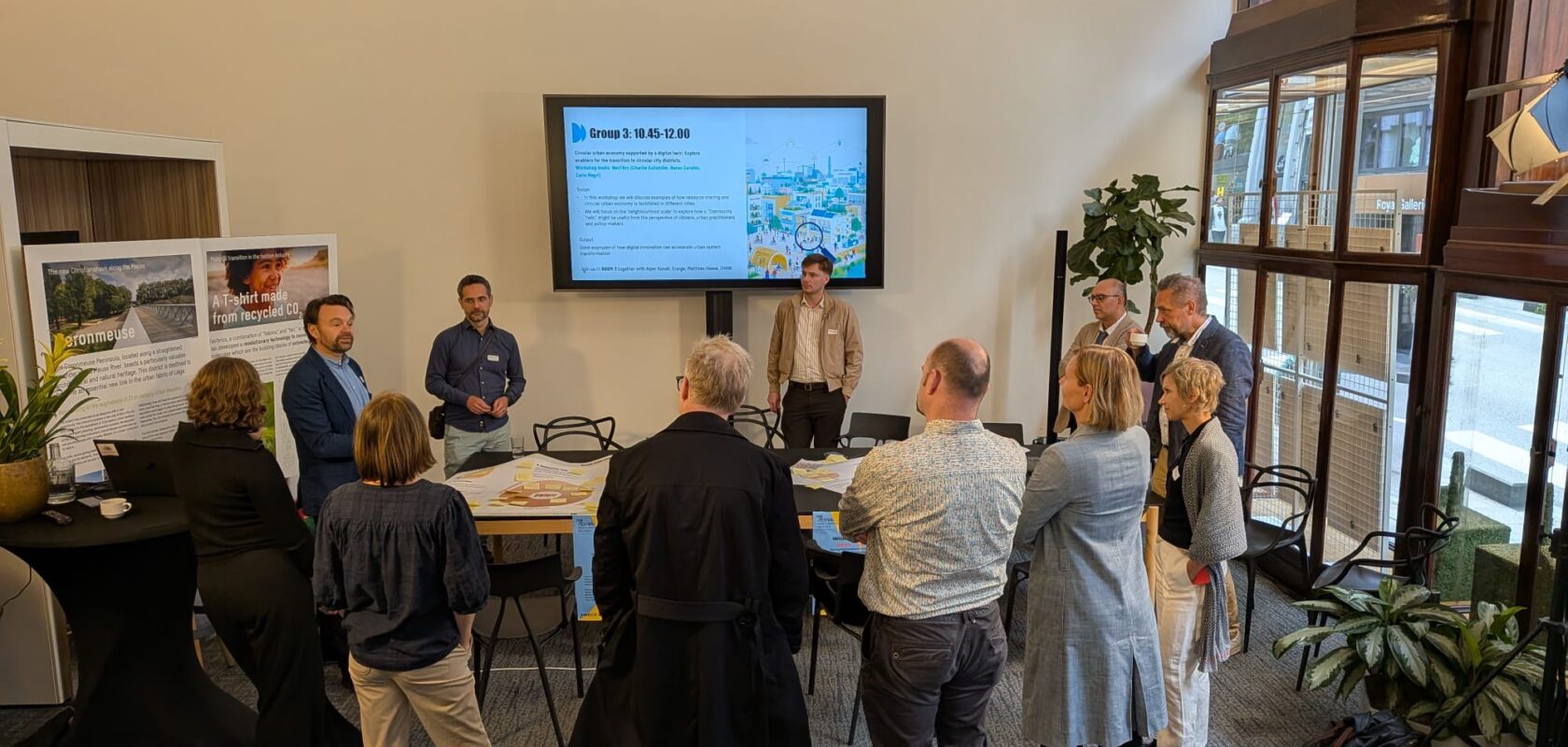
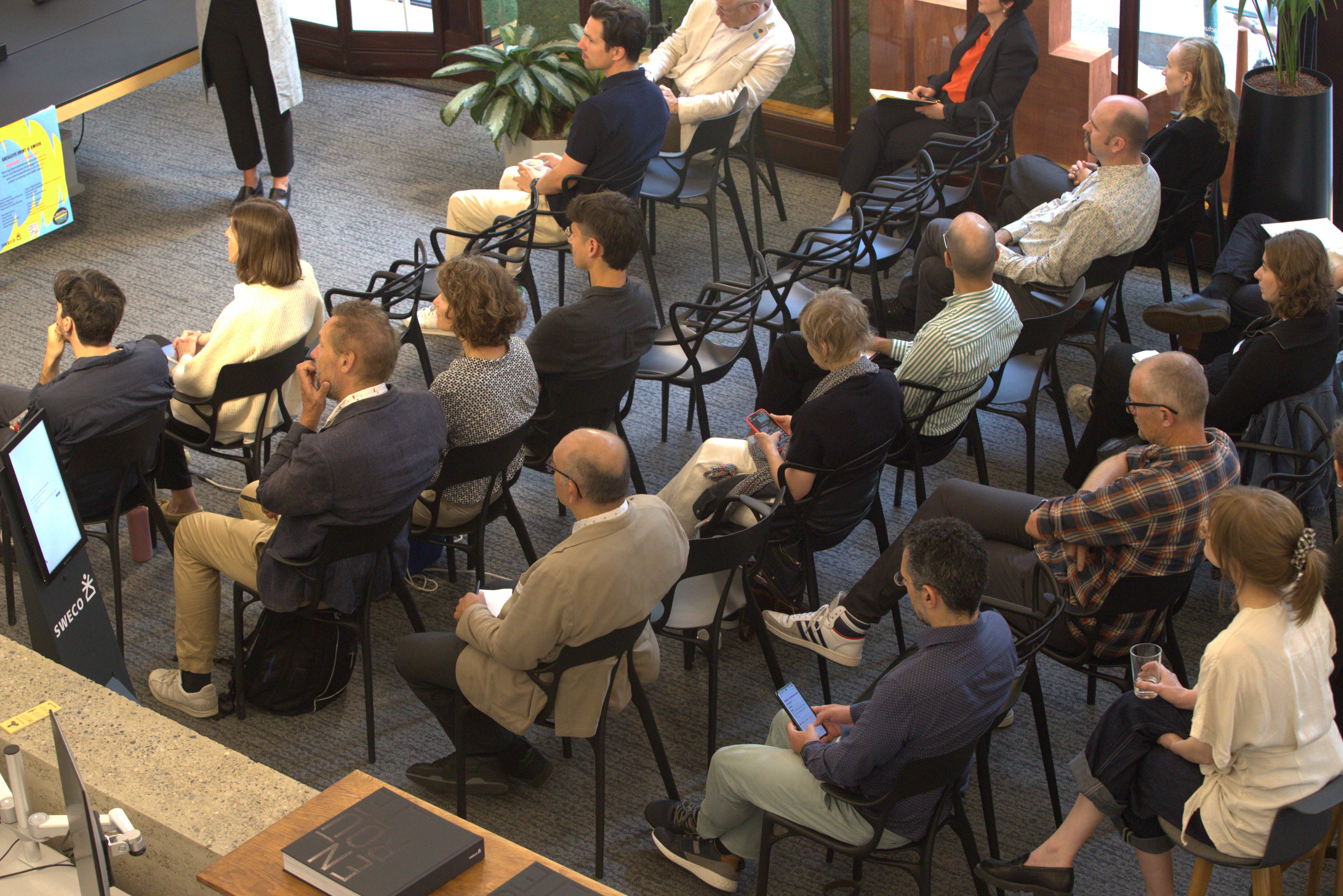
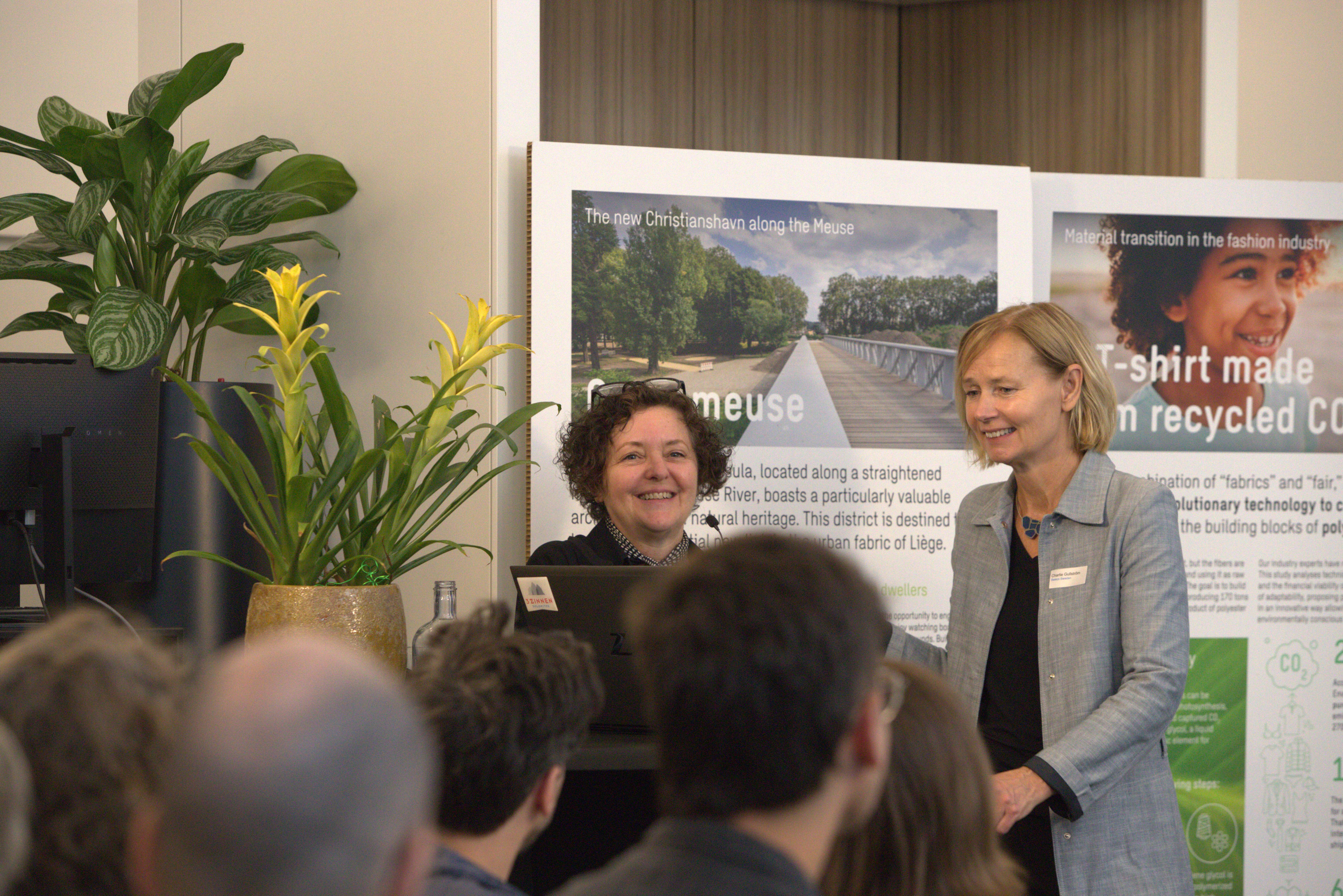
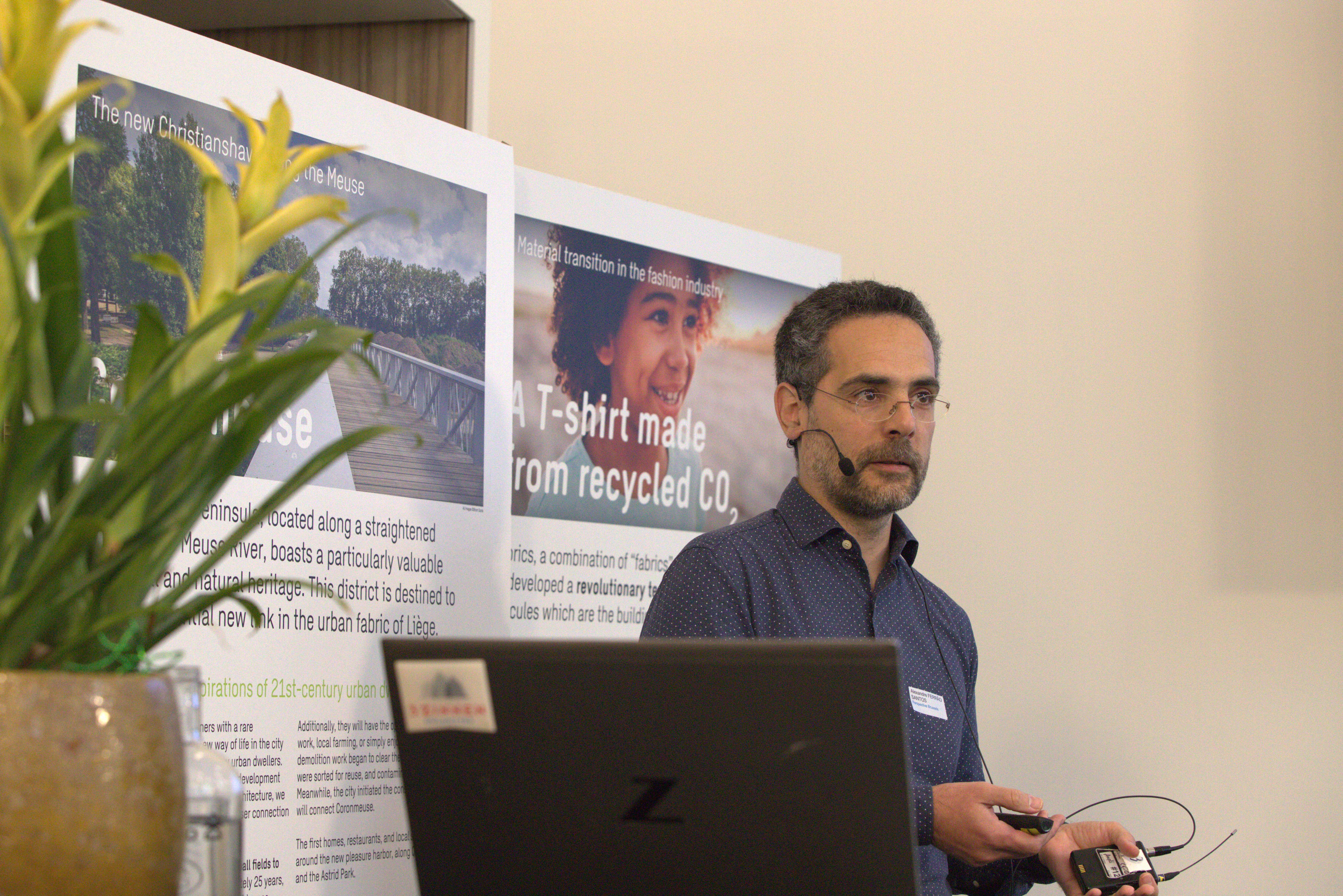
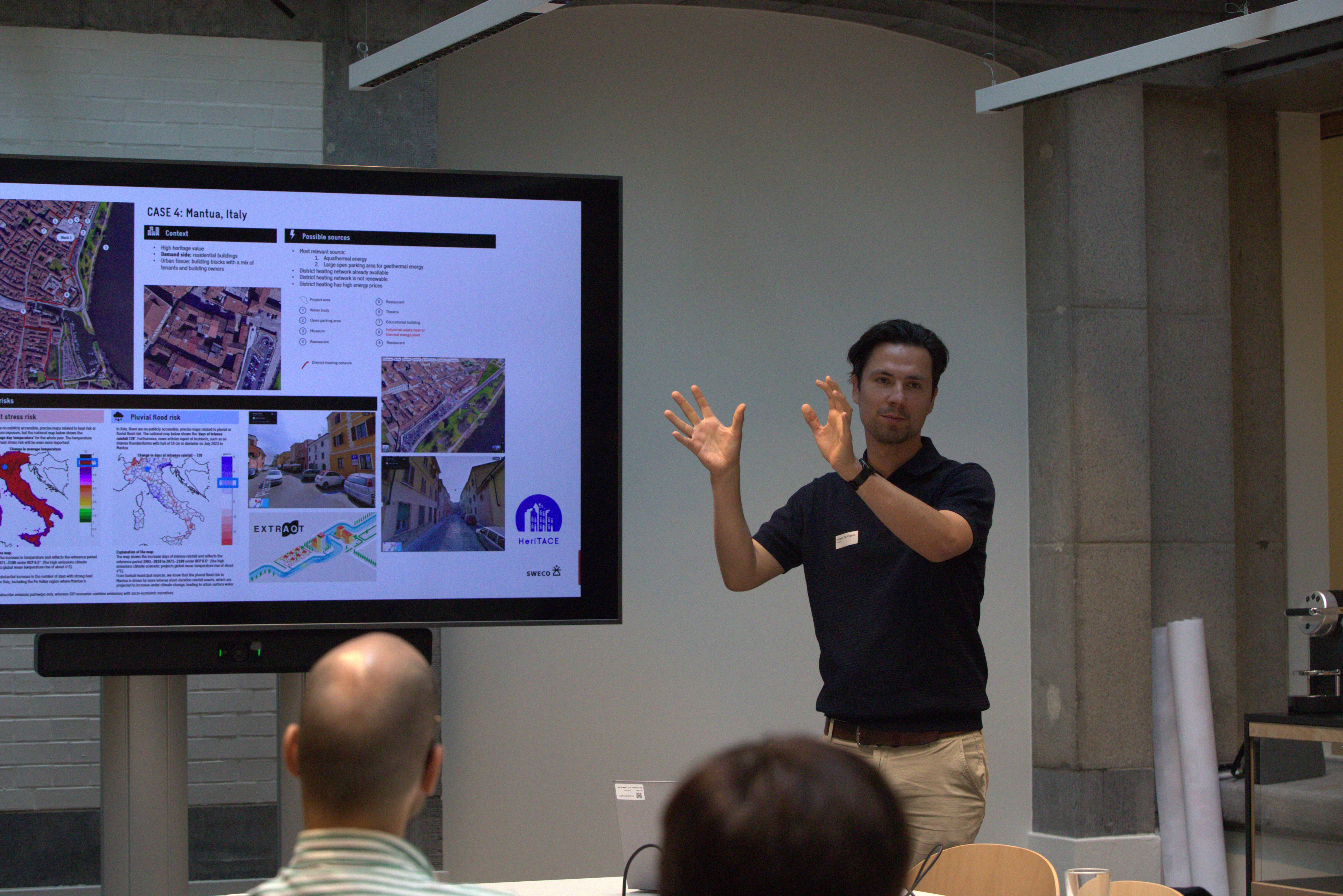
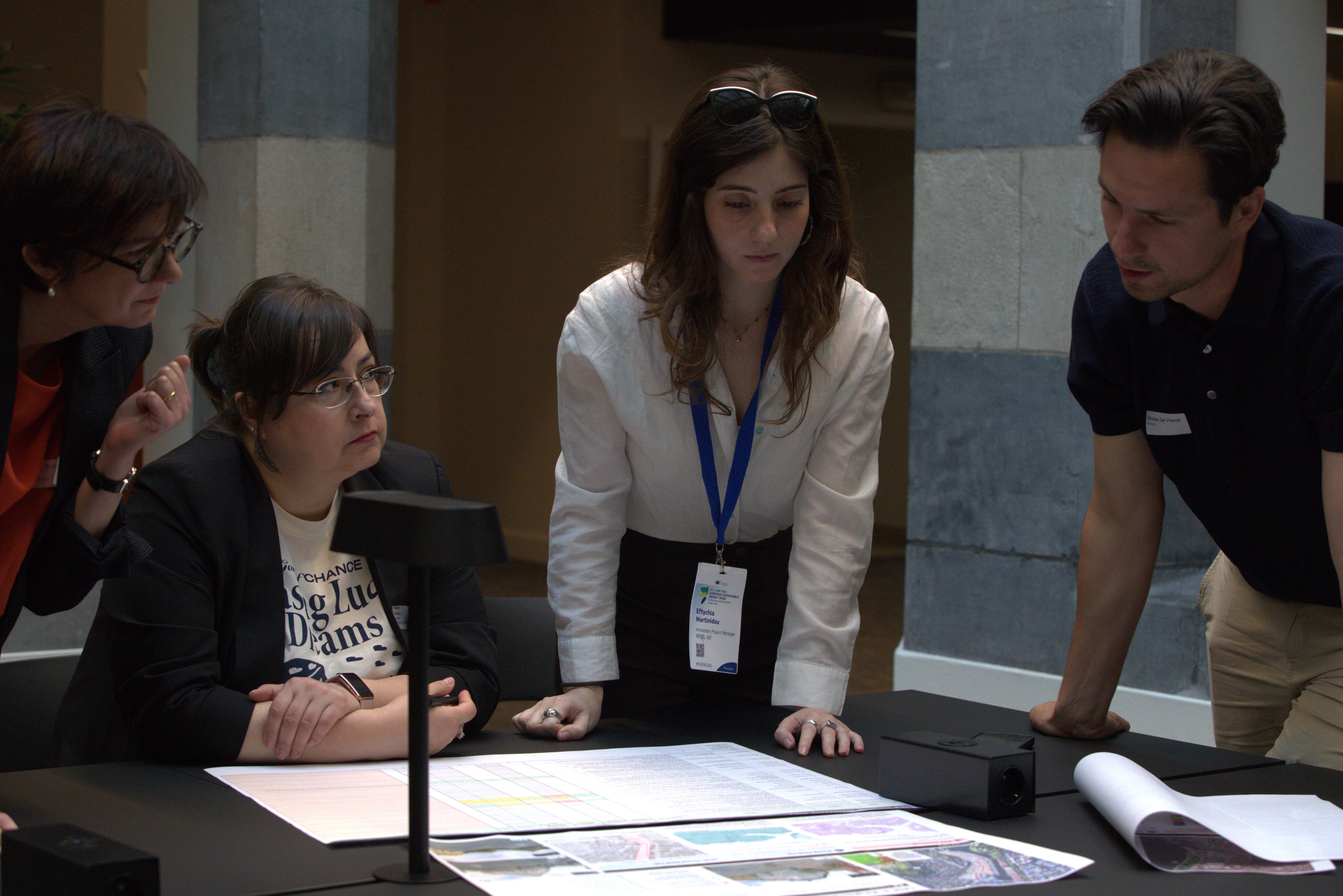
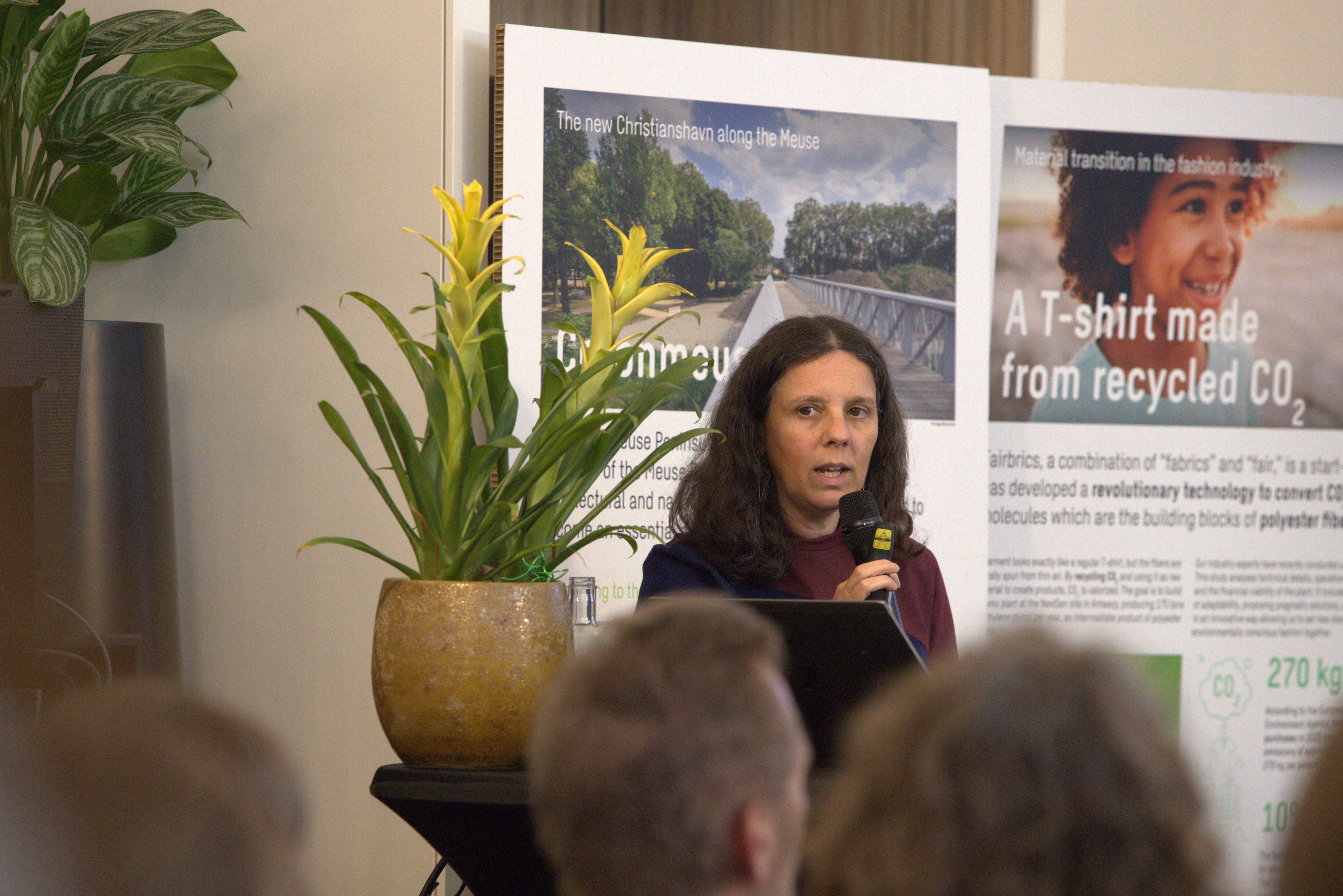
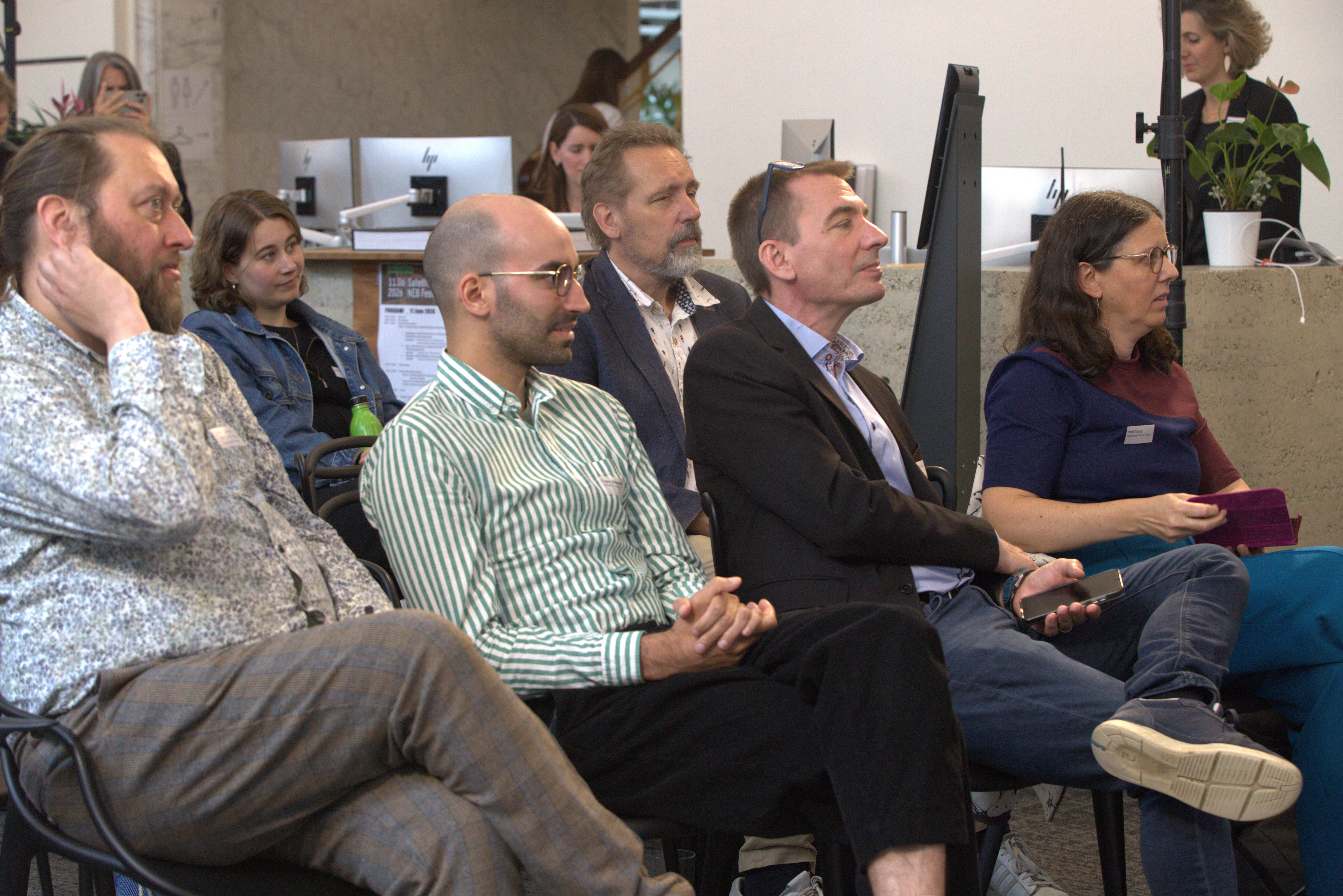
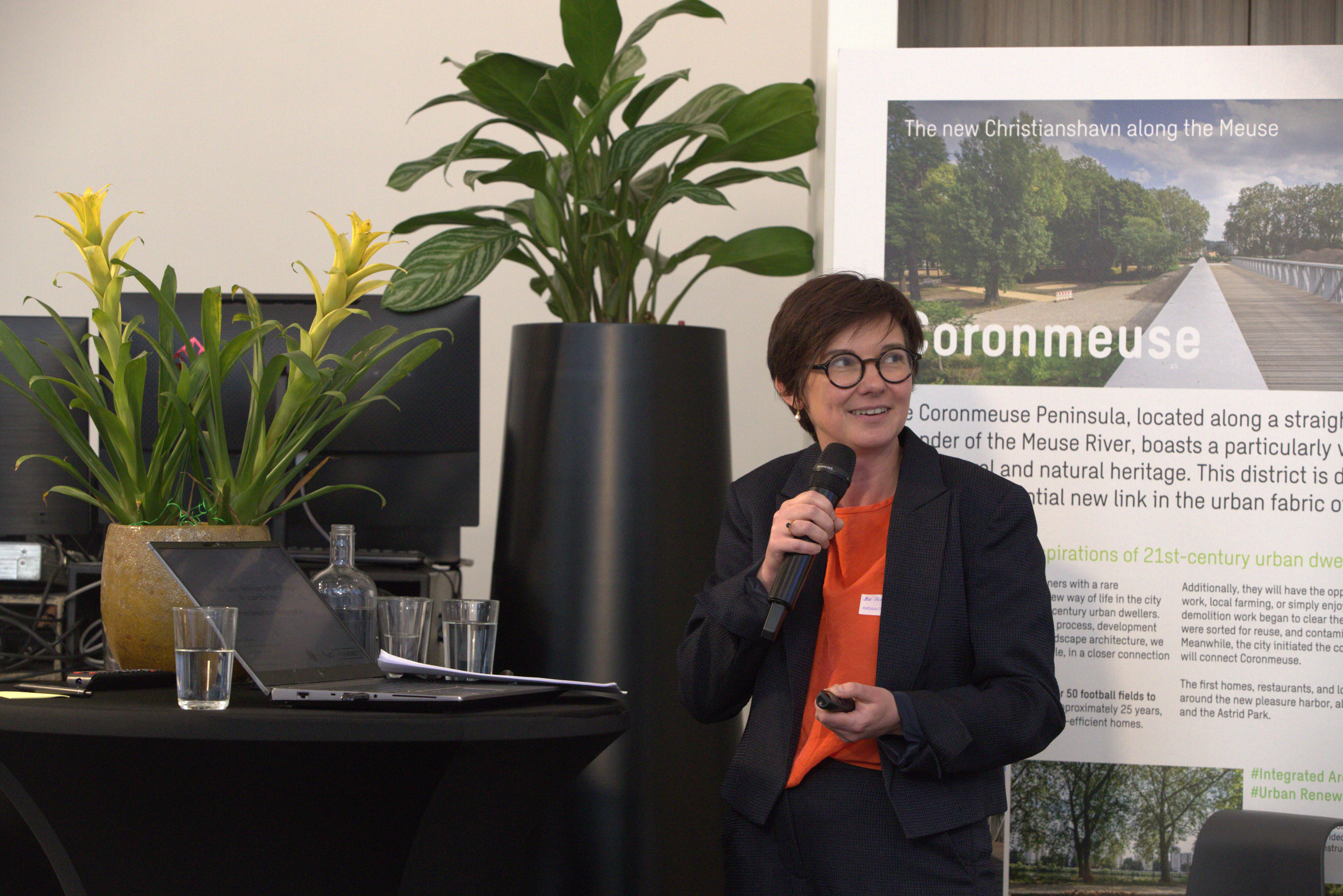
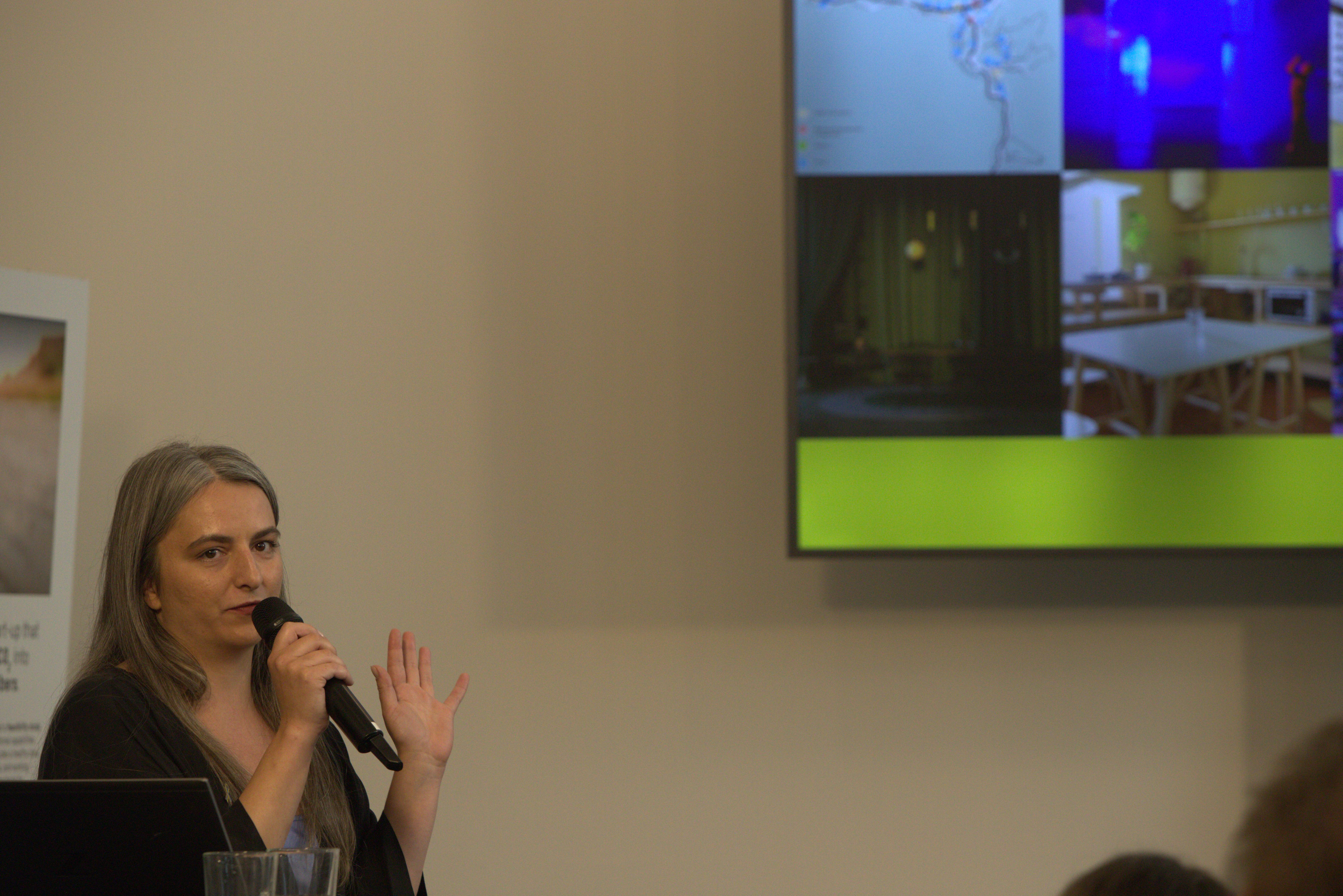
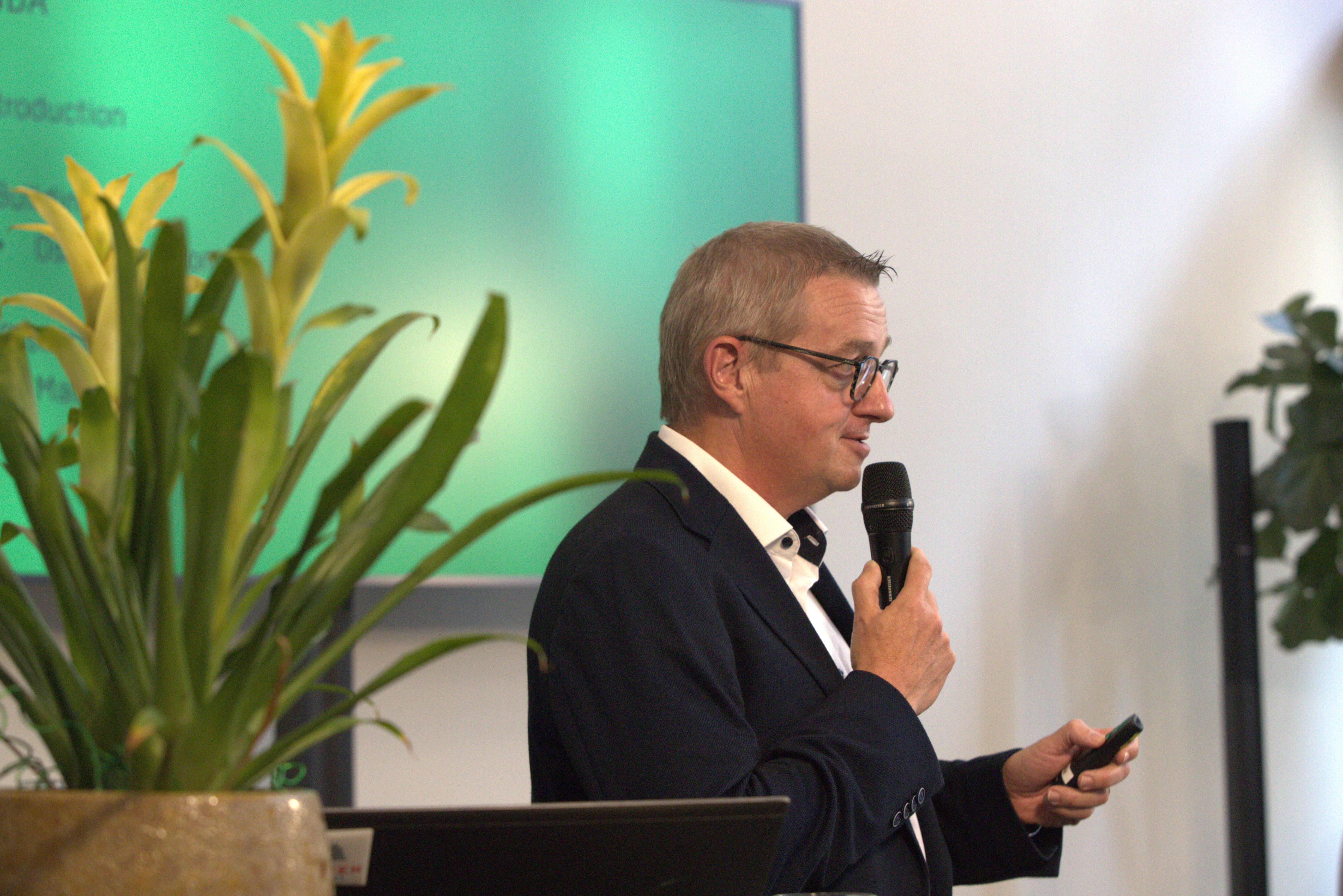
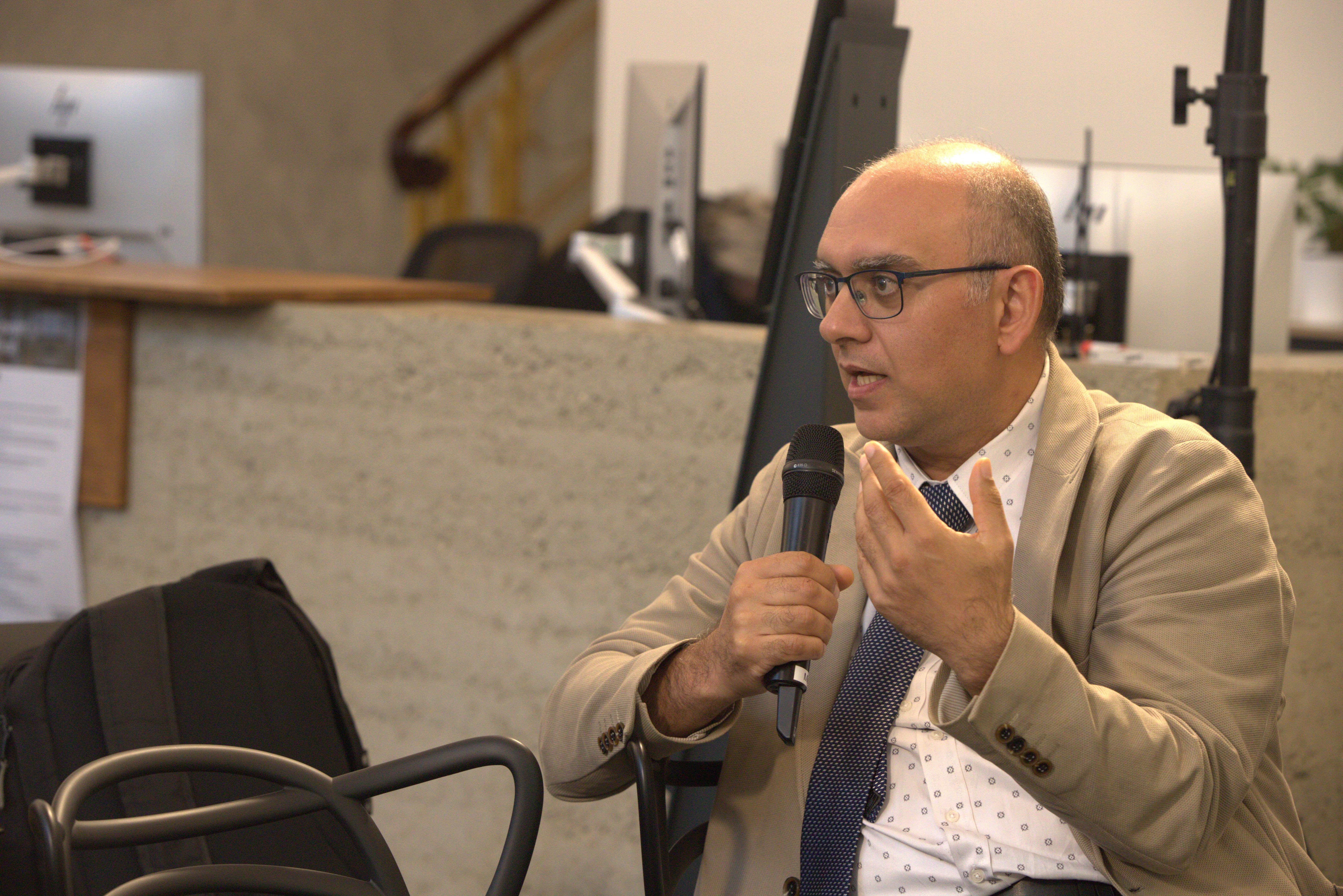
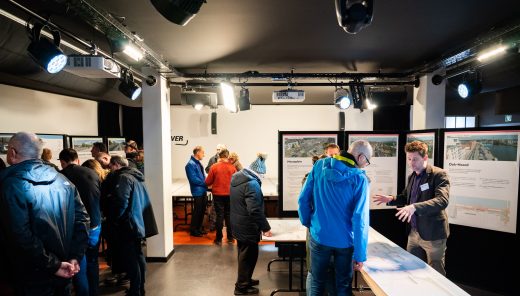
On 11 June, Brussels became the setting for an inspiring international exchange on sustainable urban development. As part of the New European Bauhaus Festival, Sweco Belgium hosted an event at the Urban Insight Lab that brought together cities, researchers, architects and policymakers around one central question: how can we build circular, healthy and climate-neutral neighbourhoods together?
The event brought together experts from Stockholm, Paris, Brussels, Ghent, Budapest, Luxembourg and Kiev. Topics such as the circular economy, adaptive reuse, digital innovation, urban health and European cooperation were at the heart of the discussions.
From European ambition to local impact
The European Commission’s New European Bauhaus initiative aims to bring together sustainability, aesthetics and inclusion in the way we shape our built environment. Throughout the event, it became clear that this ambition only becomes truly tangible when European knowledge, technological innovation and local experience are brought together.
In the opening sessions, representatives from Stockholm, Paris and Brussels shared their approaches to accelerating climate neutrality and circularity at neighbourhood level. Their perspectives ranged from health-oriented urban development and circular economic models to spatial strategies and the integration of sustainable energy infrastructure.
One key takeaway stood out: sustainable urban transformation is not only a technical challenge. It also requires new forms of governance, collaboration and participation between public authorities, citizens, businesses and knowledge institutions.
Circular neighbourhoods require more than technology
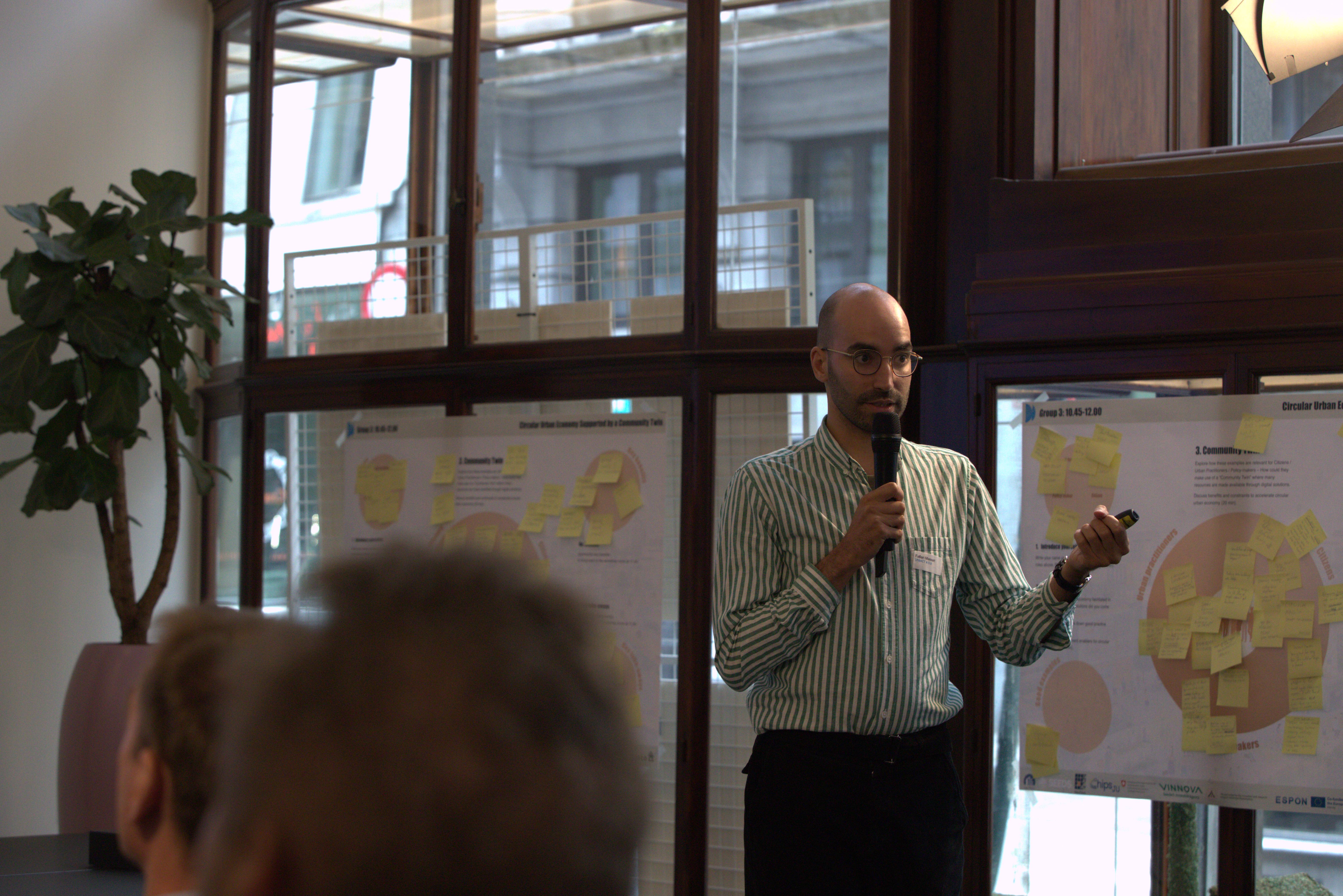
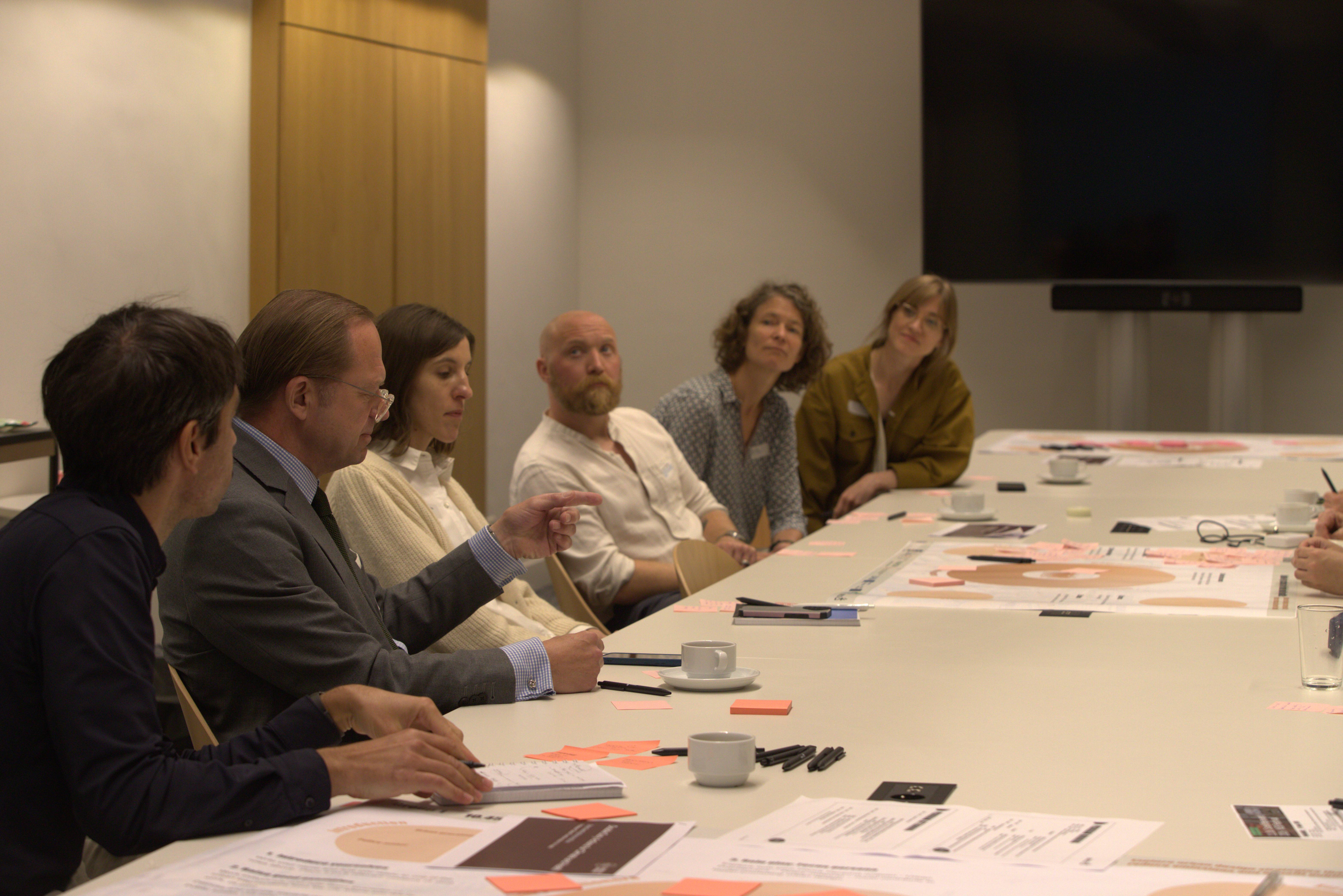
The workshops explored what it takes to successfully deliver circular neighbourhoods. We looked at how climate and health goals can reinforce one another, how circular district heating networks can be rolled out, and what role digital technologies such as digital twins can play in the urban transition.
A key conclusion from the sessions on circular district heating was that technical feasibility is only part of the equation. Governance, ownership and a fair distribution of risk are just as important. It also became clear that citizens should not be seen only as end users, but as potential co-owners of energy infrastructure. New models such as energy cooperatives and token-based participation were discussed as ways to share benefits more fairly and strengthen local engagement.
Another important insight was that heat should be recognised as a valuable urban resource in its own right, supported by viable financial and institutional frameworks. At the same time, solutions need to fit seamlessly into existing urban fabrics, without requiring disruptive or costly renovations for individual households.
The scalability of innovative solutions depends not only on the technology itself, but on the way cities, regions, businesses and citizens work together.
The potential of digital twins was also discussed in depth. By bringing data, infrastructure and urban processes together in a digital environment, cities can better anticipate future developments and make more informed decisions about sustainable investments.
The New European Bauhaus matters because it brings the right people together to accelerate the transition from vision to scalable, real-world urban impact.
Johan Van Reeth, CSO Sweco Belgium
Adaptive reuse as a driver for sustainable cities
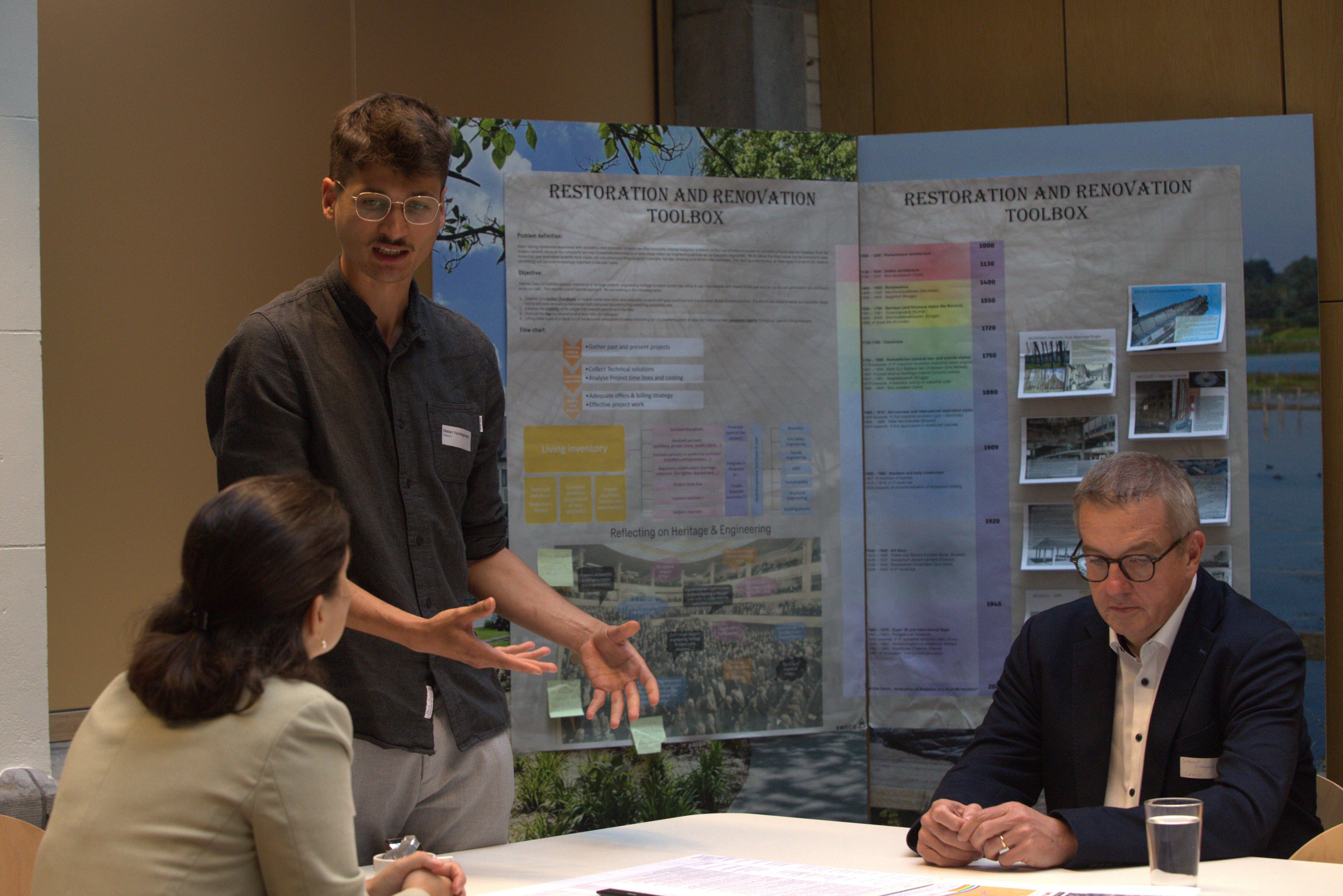
One of the highlights of the afternoon was the keynote on the adaptive reuse of existing buildings. The session underlined that heritage is not only valuable for its historical significance, but can also play a major role in decarbonising the built environment.
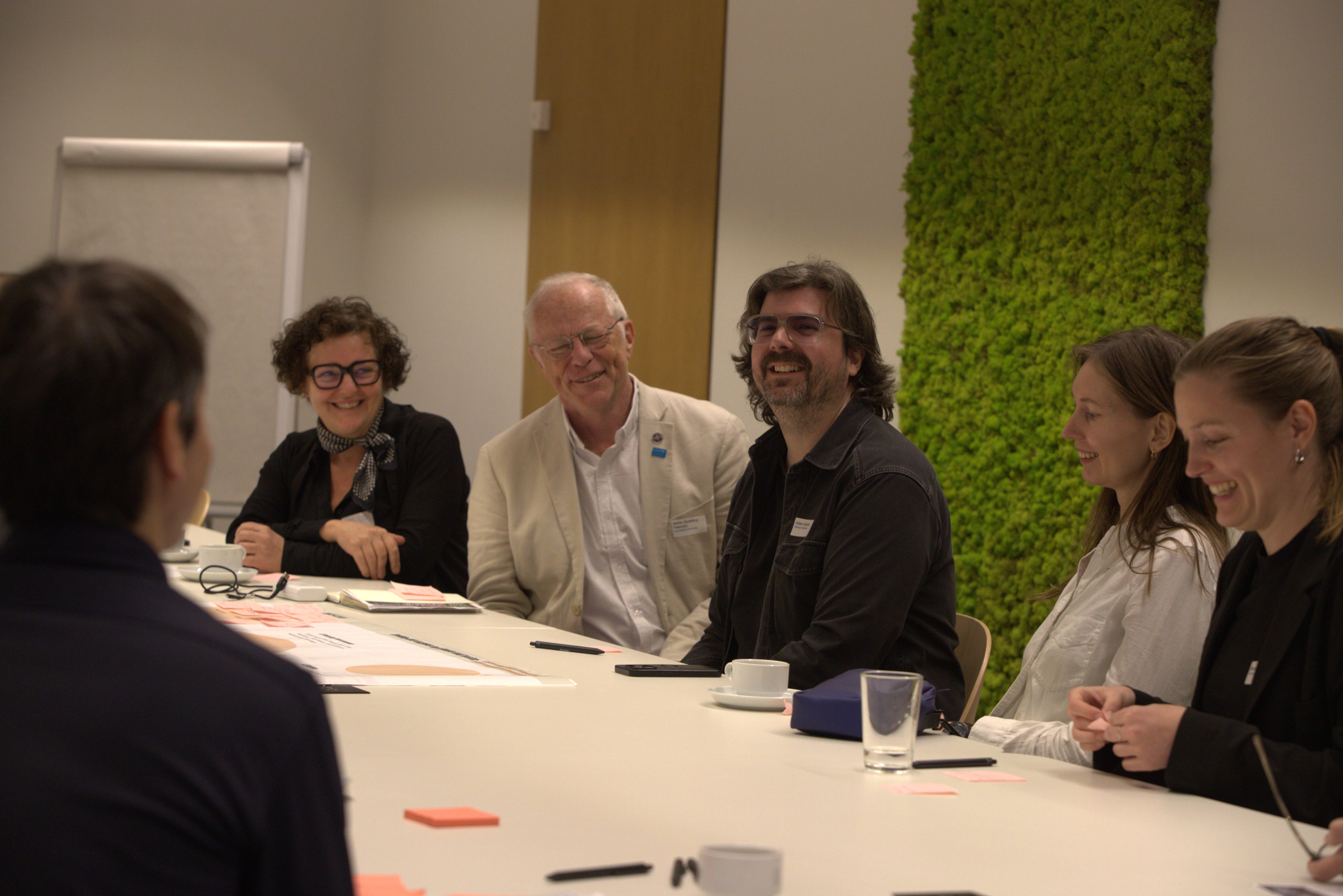
During the interactive discussions, participants reflected on questions such as: how can historic buildings be given a new purpose? How can modern technologies be integrated without compromising a building’s character? And how can buildings with a complex or difficult past be given renewed meaning in society?
The speakers emphasised that every building has a layered history, and that this evolution can help shape future interventions. By treating existing structures, materials and stories with care, architecture and heritage can become powerful drivers of circular urban development.
Healthy cities and climate policy go hand in hand
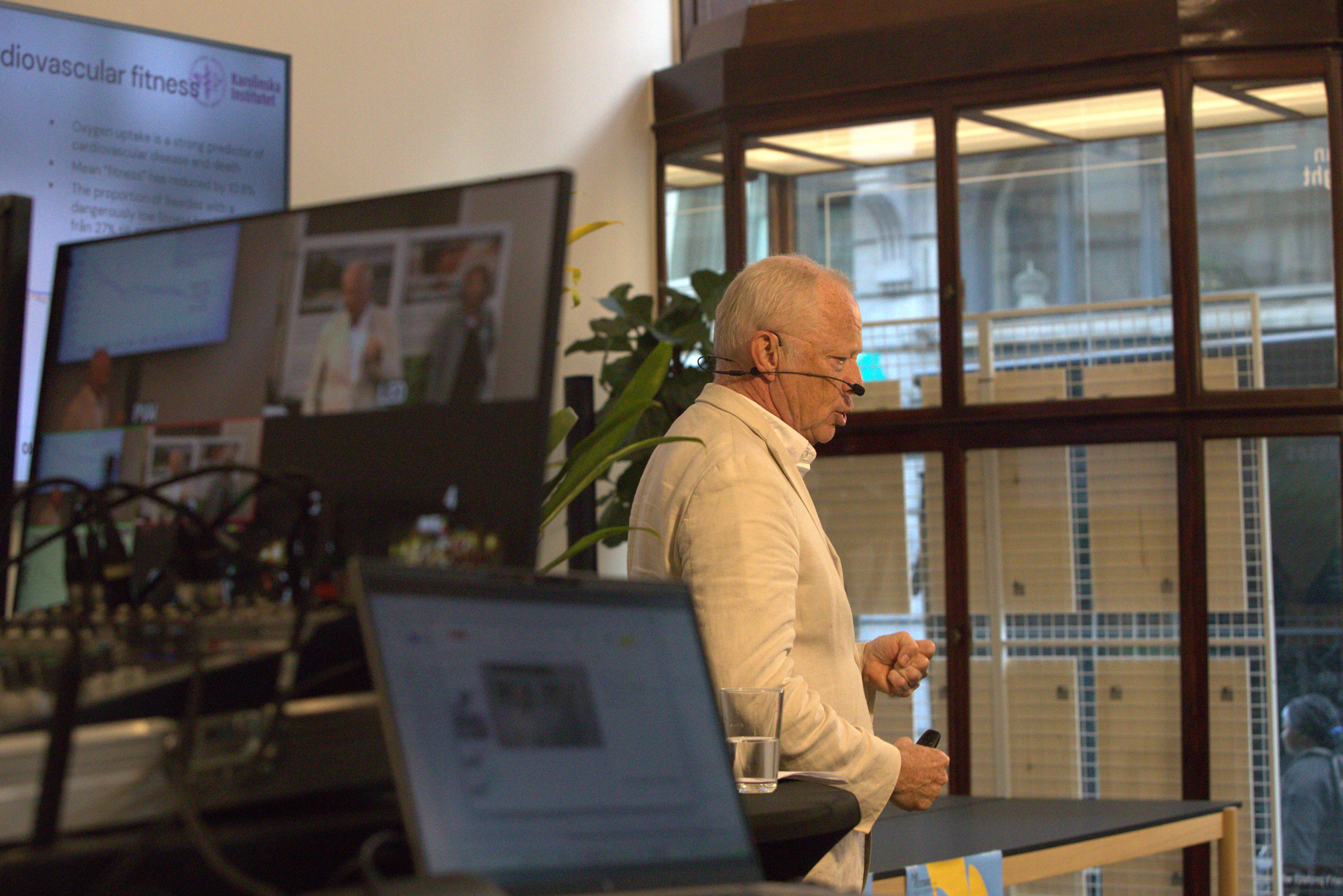
Another recurring theme was the strong connection between climate action and health. Drawing on Stockholm’s experience, participants showed that measures that improve the climate often also lead to healthier living environments.
There was broad support for making sustainable choices the easiest and most obvious choices for citizens. That requires not only technological innovation, but also adapted regulations, targeted economic incentives and an integrated policy approach.
A key insight was that cities still too often operate in separate policy silos. Yet climate, health, mobility, energy and spatial planning are deeply interconnected.
European cooperation accelerates innovation
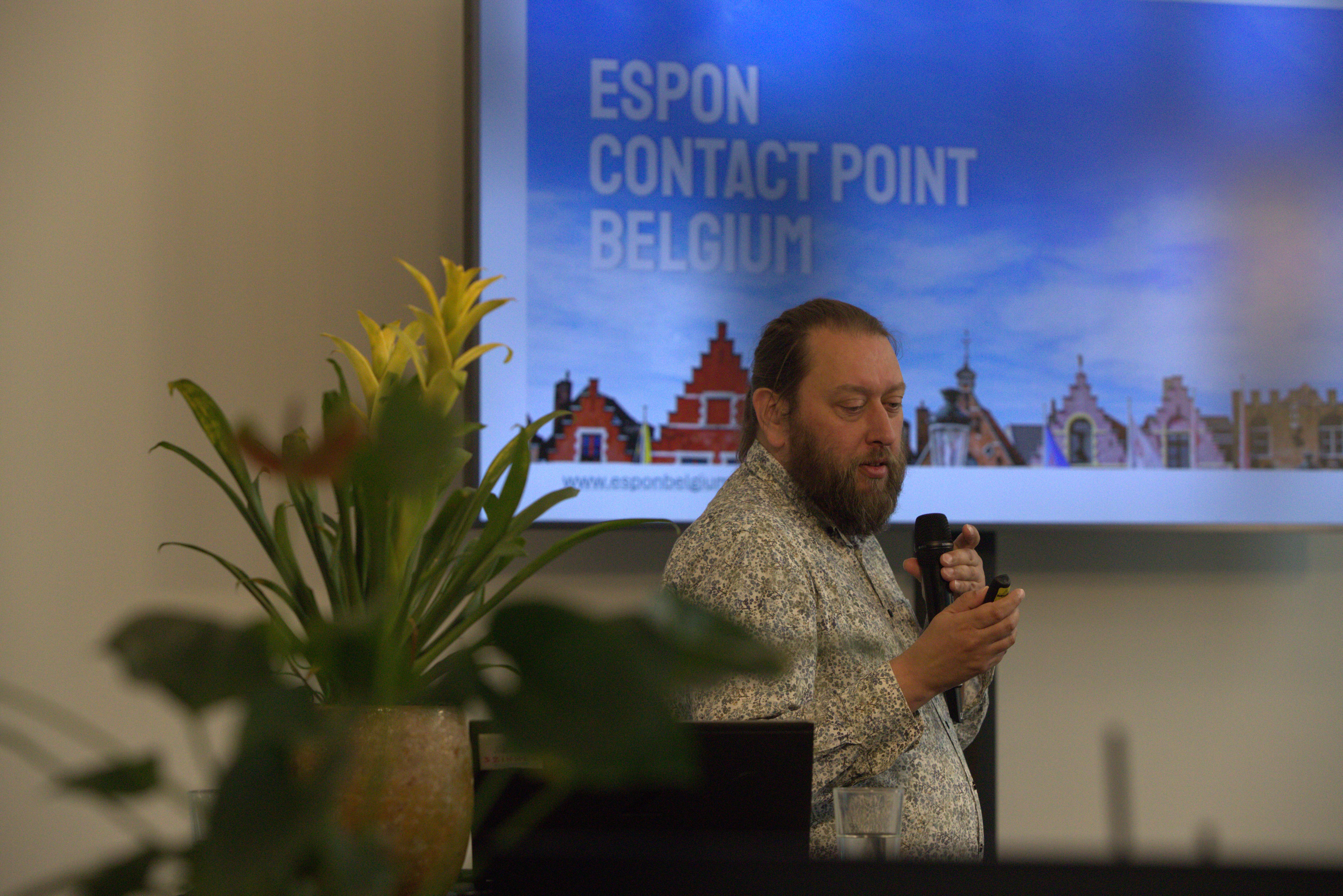
The event also highlighted the value of European cooperation programmes such as URBACT, EUI and ESPON. These initiatives bring cities together around shared challenges and create space for knowledge exchange, experimentation and innovation.
By connecting cities facing similar issues, they help create networks where good practices can be scaled more quickly. Innovative solutions for energy, circularity and urban development do not need to be reinvented each time — they can build on experiences from elsewhere in Europe.
Towards a shared memory for European cities
One of the most thought-provoking insights came from the closing discussion. Several speakers stressed that Europe needs a kind of “persistent memory”: a shared system through which cities can preserve and exchange not only regulations, but also best practices, experiences and lessons learned.
By embedding knowledge structurally and making it accessible to other cities, the pace of innovation can increase significantly. Successful approaches to the circular economy, adaptive reuse and climate adaptation can then spread more quickly and create greater impact.
The NEB Festival Satellite Event is a powerful manifestation of Sweco’s expertise and thought leadership in such important areas of sustainability and resilience.
Monica Welander, CSO Sweco Group
Building the cities of tomorrow together
With this satellite event at the New European Bauhaus Festival, Sweco once again confirmed its role as a connecting partner between cities, knowledge institutions and European innovation projects. By bringing together expertise in architecture, engineering, digitalisation and sustainability, Sweco helps public authorities and organisations turn vision into concrete action.
The insights from Brussels show that the transition to climate-neutral and circular cities is not a solitary journey, but a shared European task. Only through collaboration, knowledge sharing and an integrated approach can we build liveable, inclusive and future-proof neighbourhoods for generations to come.
Thank you to all speakers and participants for their inspiring contributions. If you would like to explore a potential collaboration or discuss an idea, please get in touch — we would be delighted to continue the conversation
Download the presentation here
Other news
Stakeholder management creates space for better projects
Read more
Spatial policy plans: making today’s choices for tomorrow’s city
Read more
From housing study to action-oriented housing policy
Read more