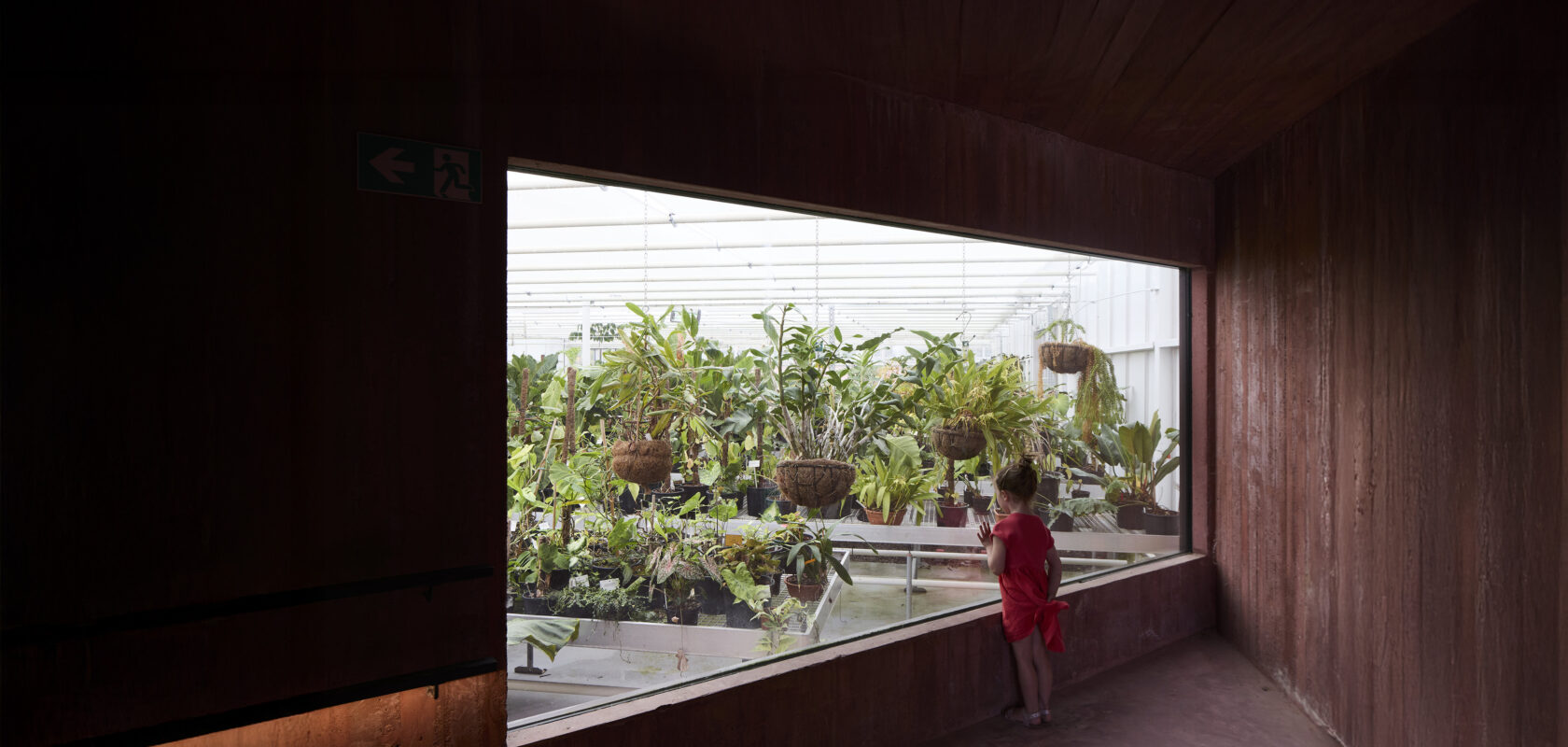
Green transition
The Green Transition is the term used to describe the move towards a sustainable, future-proof society and economy. It means a shift from fossil fuels to renewable energy and circular principles, with the aim being to combat climate change and protect nature. This requires profound changes, ranging from the decarbonisation of buildings, mobility, and energy supply to strengthening resilience in terms of climate adaptation, environmental quality, and health.
Sweco implements projects and supports clients in five major areas of transition.

Urban transition
Cities are social, economic, and cultural hubs and their carbon footprint means they are not only significant contributors to climate change, but also the places where the effects of climate change are most strongly felt. At the same time, cities can be the catalyst for a socially just Climate Transition.
The focus of the urban transition is on moving towards a sustainable, inclusive, and resilient urban or village living environment.
- It can be made sustainable by reducing the ecological footprint of towns and cities.
- It can be made inclusive by creating a space where everyone has equal opportunities and can feel at home.
- Lastly, towns and cities need to be resilient to challenges such as climate change and economic shocks.
Sweco supports the urban transition in the following numerous ways:
- policy planning
- area development and neighbourhood renovation
- sustainable urban mobility
- resilient public space
- paving and green areas and the development of urban nature
- energy security: switching to renewable electricity and heat, distribution and storage, energy efficiency
- water security: measures to combat drought and flooding, water quality, recycling
- sustainable infrastructure for community facilities
- sustainable house building and home renovations
- sustainable infrastructure for urban activity
- soil remediation

Mobility transition
The focus of the Mobility Transition is on switching to a sustainable, efficient, and accessible mobility system for both passenger and logistics transport.
Some of the things the mobility transition focuses on are:
- reducing the transport need
- switching to sustainable modes of passenger transport (collective transport, active modes, and shared mobility)
- combined logistics via water, rail, pipelines, and collective urban distribution
- the switch to renewable energy (electrification and green hydrogen)
- developing robust and safe infrastructure that has a minimal impact on the environment
Sweco is playing a major role in the mobility transition in the areas of:
- mobility planning and management
- public transport infrastructure (train, metro, tram, bus)
- cycling infrastructure
- multimodal hubs (train and bus stations, park and rides, etc.)
- ports and navigable waterways
- logistics transhipment
- charging infrastructure and shore power
- traffic nuisance, road safety, and traffic management
- a robust and sustainable transport infrastructure

Energy transition
The energy transition essentially involves building a fossil-free, efficient, and robust energy system.
This means:
- increasing energy efficiency
- switching to renewable energy
- strengthening transport and distribution networks
- expanding energy storage
Sweco is making a significant contribution to the energy transition through projects that are helping to revolutionise our energy system through:
- energy strategies and policy support
- wind turbines and PV systems
- production, transport, and storage of green hydrogen and other green molecules
- the development of electricity transmission, storage, and distribution infrastructure
- the production and distribution of green heat
- back-up systems (gas)
- the decommissioning of old energy systems
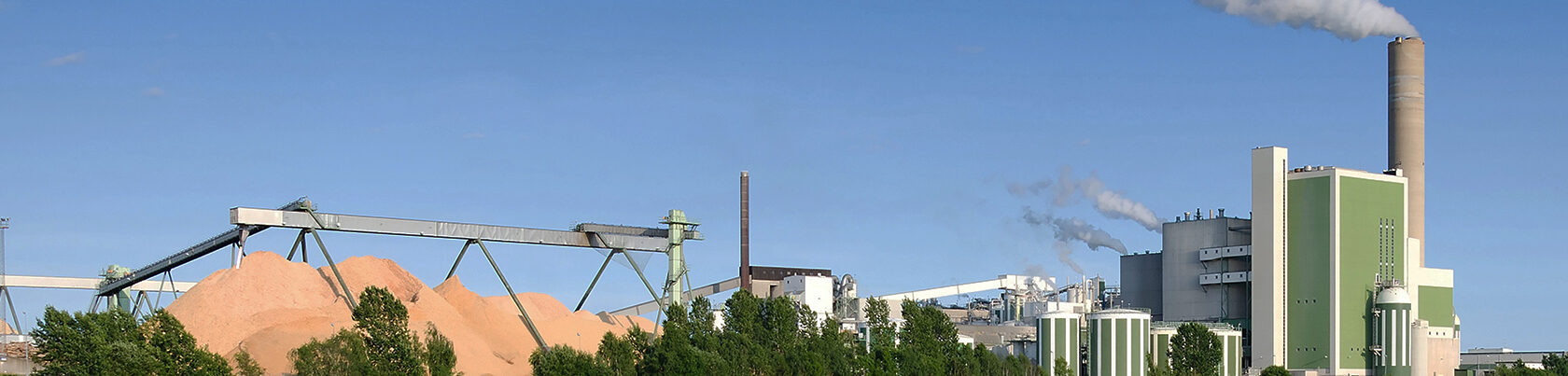
Industrial transition
The aim of the industrial transition is to increase the competitiveness and resilience of European industry, with an emphasis on sustainability and decarbonisation.
The Clean Industrial Deal is the European Union’s primary industrial strategy to reduce energy costs, encourage the production of clean technologies, facilitate the circular economy, and promote employment.
It includes:
- decarbonising (by switching to renewable energy) and increased energy efficiency
- switching from a linear to a circular economy
- modernising industrial processes based on efficiency and productivity
- reducing environmental impact by maintaining and regenerating the quality of air, water, soil, and ecosystems
- increasing the level of attention on people, in other words, the health and safety of workers and local residents, training, employment
Sweco is contributing to the industrial transition via projects that, for example, involve:
- designing circular production processes that focus on reusing products, components, materials, and raw materials
- the energy transition through energy efficiency, switching to renewable energy, energy flexibility
- purifying water, soil, and air
- producing green molecules
- carbon capture and storage
- producing medicines
- the parts of the food industry that contribute to a sustainable food chain
- research and training facilities in terms of industrial innovation
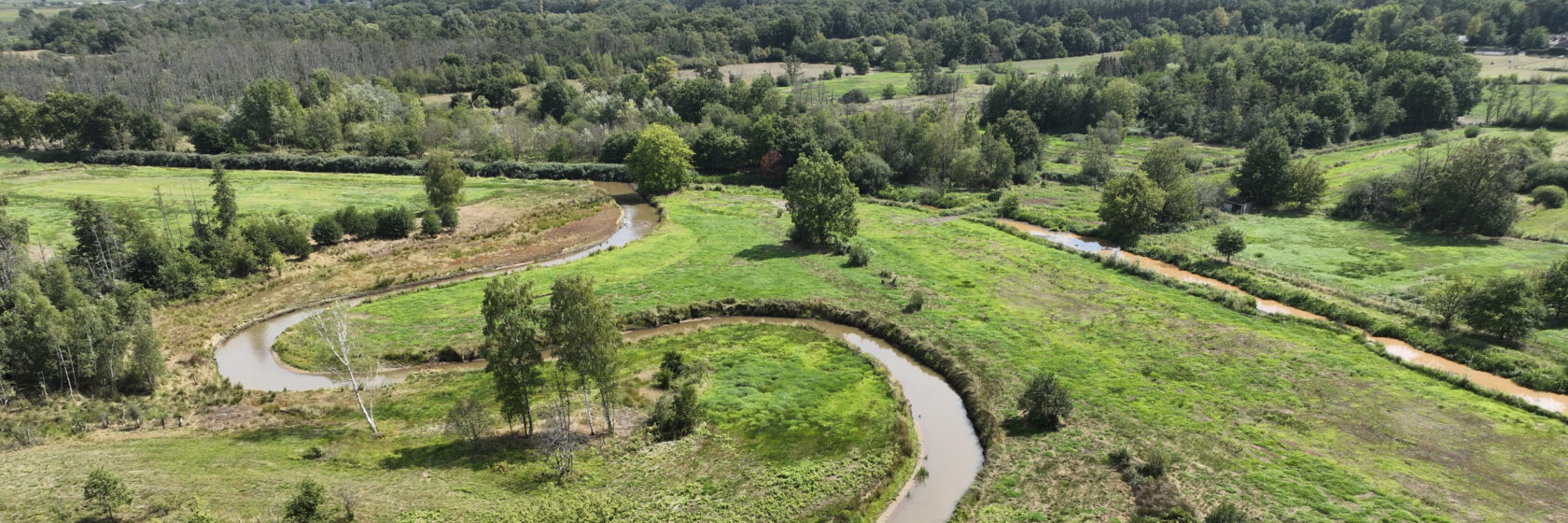
Climate transition
On the one hand, the climate transition involves mitigation (preventing further warming as much as possible by reducing harmful greenhouse gas emissions) and, on the other hand, adaptation (coping with the consequences of climate change).
The climate transition is obviously an essential element of the urban, mobility, energy, and industrial transition.
The climate transition also includes:
- carbon capture
- the protection and regeneration of bonded carbon (forests, wetlands, etc.)
- more generally: restoring nature and improving biodiversity
- regenerative agriculture and forestry
- water security (buffering, infiltration, availability, quality, circularity)
- flood protection
- financing the climate transition
Supplementary to the above-mentioned four transition sectors, Sweco is contributing to the climate transition via projects that, for example, involve:
- climate strategies and action plans
- comprehensive water strategies
- rainwater buffering and river re-meandering
- coastal protection and dyke raising
- circular water supplies
- nature restoration, development, and management
- carbon capture and transport and storage systems