
Sweco Belgium
Biodiversity in practice: From loss to gain
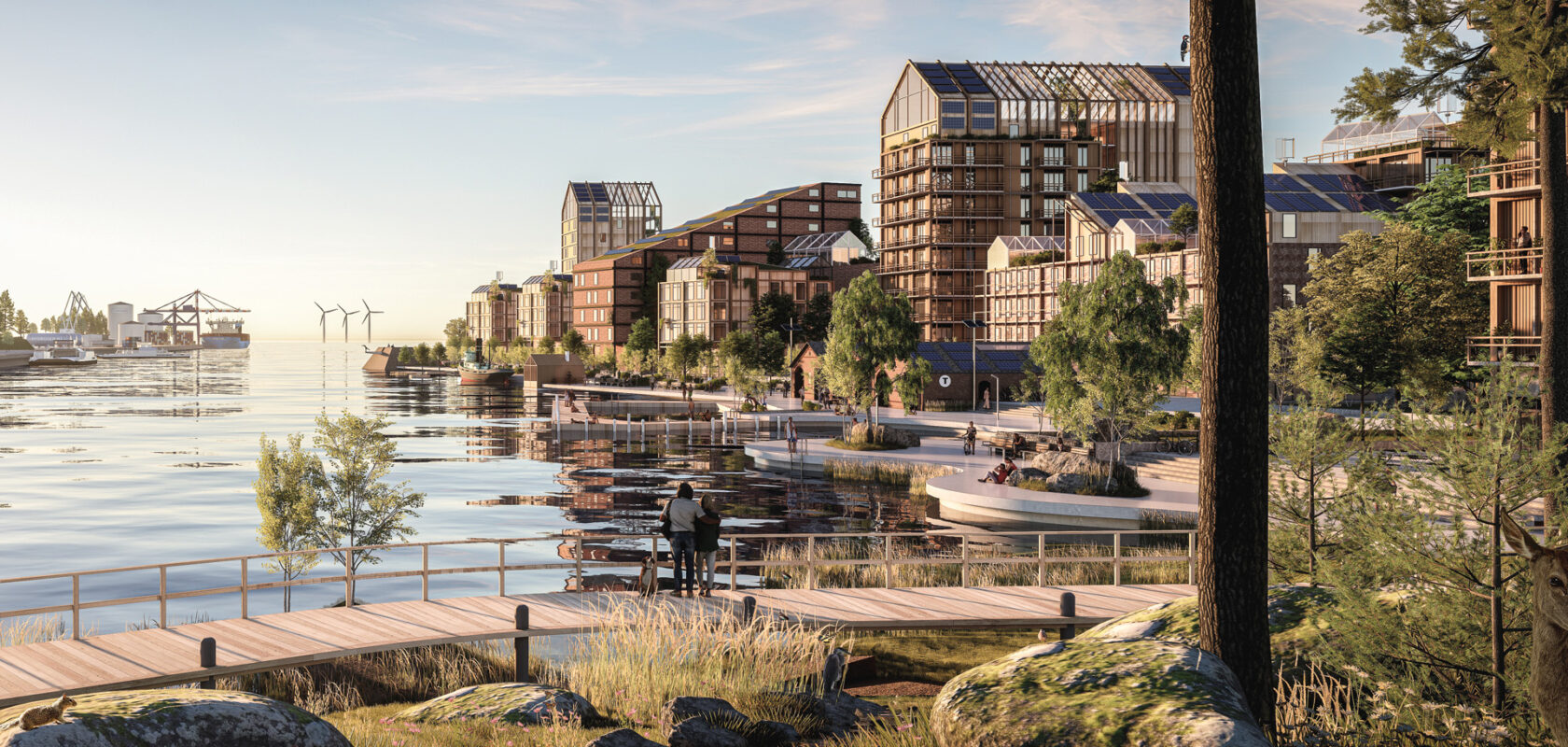
Between 2025 and 2040, investments in European infrastructure are expected to reach around €9 trillion. Sweco’s new Urban Insight report shows how the built environment, from roads and tramways to energy infrastructure and urban projects, can be designed with nature in mind.
Leveraging Data for Nature-Positive Development
Knowledge of nature is a key part of sustainable design and development. Optimising nature inventories is the first step. Ensuring a thorough understanding of species, habitats and ecological interactions allows developers to take the actions needed. Once reliable data is in place, it is crucial to measure biodiversity from loss to gain. During the design phase, innovative solutions can be incorporated to avoid, minimise and enhance biodiversity.
Using practical examples, the report shows that we can take meaningful steps to ensure infrastructure and biodiversity go hand in hand.
- Kolenspoor cycling highway, Belgium: Adaptive lighting, eco-tunnels and recycled materials decrease species impact while revitalising regional mobility.
- Avoiding loss of biodiversity and reducing the costs of road construction, Norway: Reusing existing road corridors and protecting peatlands reduces costs, emissions and habitat disturbance.
- Eindhoven municipality’s biodiversity efforts: Eindhoven collaborates with organizations, companies, and residents, using Sweco’s nature point maps to scientifically score and enhance biodiversity.
With the Kolenspoor project, we show how multidisciplinary collaboration drives sustainable, future-proof solutions. This cycling route is not only a mobility corridor but also a model for ecological integration and innovative material use.
Maarten Remans, Team Manager Roads

From Awareness to Action
The report demonstrates that when biodiversity is prioritised from the start of a project really makes a difference. Early ecological input, cross-sector collaboration and nature-inclusive design turn awareness into coordinated, nature-enhancing action. All development projects need to pick up the pace and put biodiversity first, aligning policies, budgets and planning frameworks to meet with international biodiversity goals.
By embracing nature’s complexity and designing for both ecosystems and people, Europe’s infrastructure can, from an ecological perspective, move beyond being a source of environmental pressure to become a driver of restoration, innovation and long-term value creation.
Subscribe to news from Urban Insight
Overig nieuws
Stakeholder management creates space for better projects
Read more
Spatial policy plans: making today’s choices for tomorrow’s city
Read more
From housing study to action-oriented housing policy
Read more