
Sweco Belgium
Intermittent issues solved as Nyrstar’s virtual battery stands up
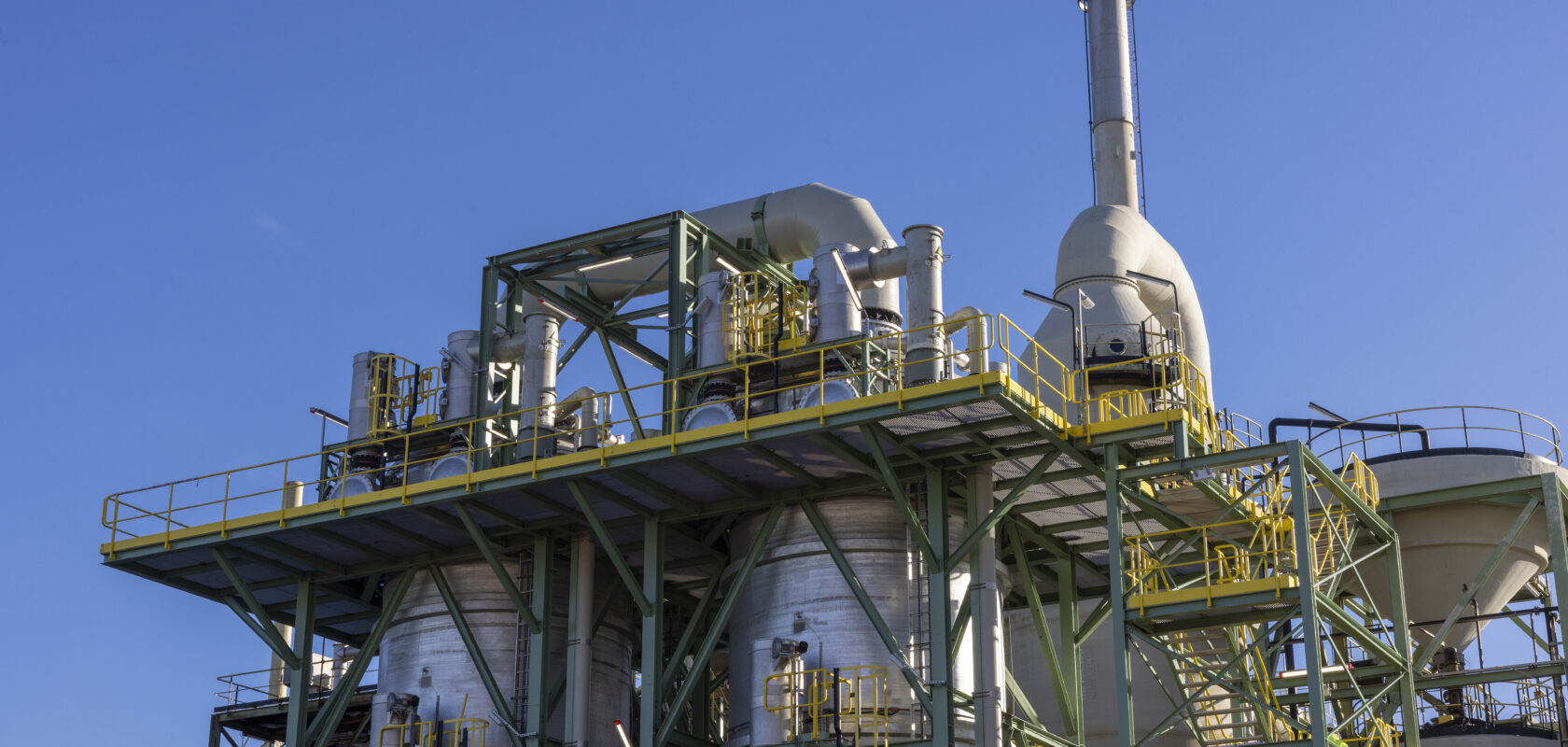
Nyrstar is exploring the possibility of using its electrolysis hall as a virtual battery. As a responsible player in the zinc industry, the zinc smelter has set its sights on adapting its production capacity to accommodate the fluctuating supply of green energy. This approach not only helps to reduce the carbon footprint of the zinc production process but also contributes to the overall stability of the Belgian grid.

What does such a virtual battery look like?
It is, of course, not comparable to a real battery. The idea is to create additional electrolysis processing capacity (+32%) so that a peak availability of green energy – when there is a lot of wind or sun – can be immediately converted into zinc. The manufacturing of zinc is highly energy-intensive, which is why Nyrstar will be producing more or less zinc depending on the availability of solar and wind power. Overall, the total zinc production remains the same, but the production process adapts to the circumstances.
Our team is responsible for developing the design basis and Total Investment Cost to bring this project to life. However, our responsibilities go beyond plot design – we also integrate input from various technical departments, both internal and external, to create a comprehensive, integrated plant design. While the electrolysis process is defined by a technology provider, we will take on the full responsibility for the civil design of the current electrolysis hall, technical building, and infrastructural aspects such as roads, bunds, and pipe racks. We also design the electrical installations, instrumentation, and automation of the production plant. In addition, we handle all Outside Battery Limits systems. Finally, we assist Nyrstar in generating the civil drawings required for permit applications.
What I find both challenging and intriguing is our pivotal role as integrators. It’s a formidable undertaking to harmonize a large number of features and processes having the technical provider Cosermo, Nyrstar and us around the table. All of this, mind you, within a notably constrained timeframe.
Hans Mory, project manager
To realize a carbon free future, the world not only needs smart technologies and collaborations, but also sustainably mined and produced metals. Zinc plays an important role in this. Zinc is one of the base metals with the lowest C02 footprint. You can find the metal in sustainable rechargeable batteries in data centers, in home batteries and in systems for storing renewable electrical energy. For example, an industrial solar park of 10 megawatts (MW) on land, contains 24 tons of zinc.
Overig nieuws
The 2021 floods: five years later, the foundations for a resilient transition
Read more
Hoeilaart sets the tone with climate-adaptive streets
Read more
Wildfires in Flanders: Why Ecology and Fire Safety Need Each Other
Read more