
Sweco Belgium
Wildfires in Flanders: Why Ecology and Fire Safety Need Each Other
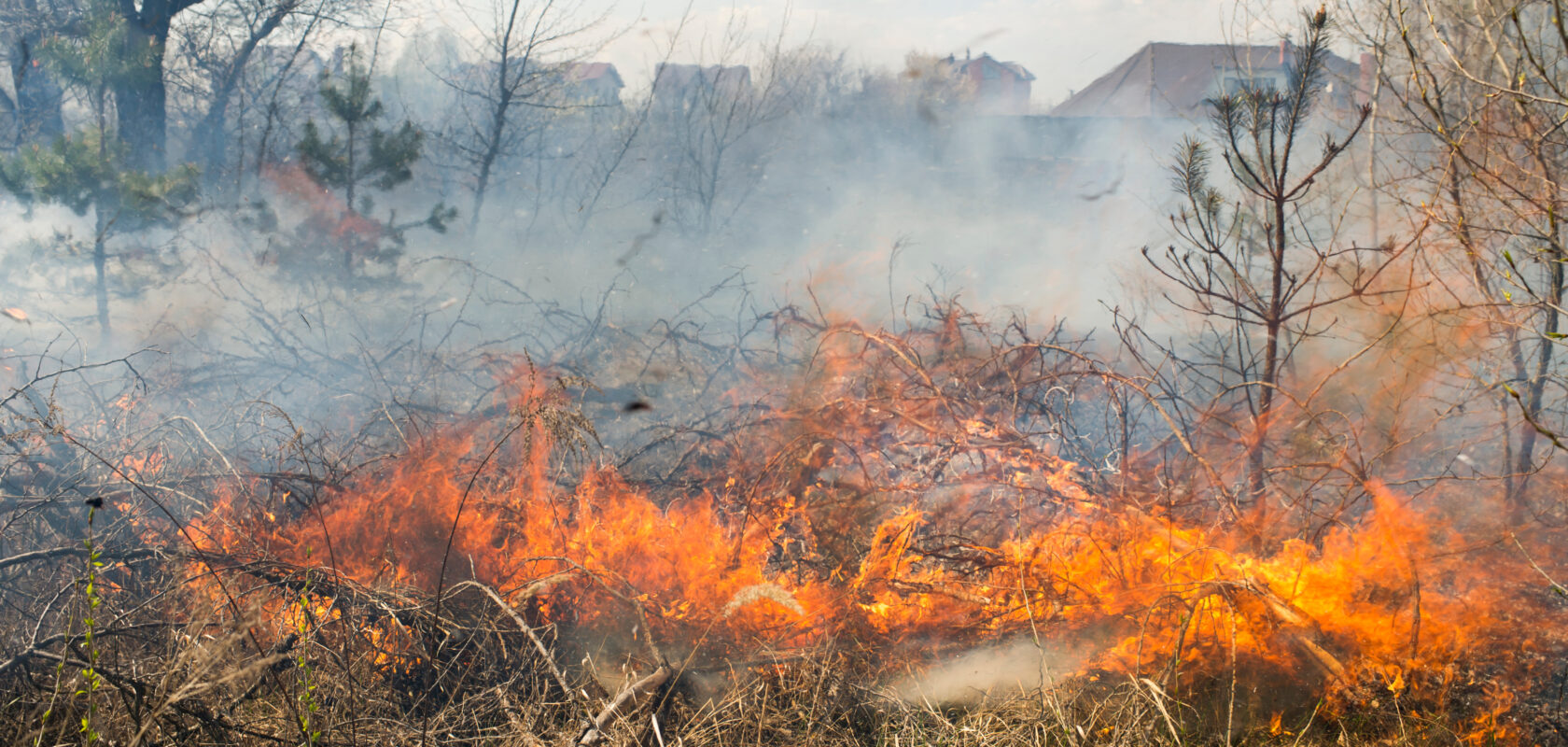
Wildfires are often associated with Southern Europe, Canada or North America. However, the risk of wildfires is also increasing in Flanders. Recent examples include the large wildfire in Hoge Kempen National Park and the 20 hectares of land destroyed by fire at the military domain in Leopoldsburg. Climate change, prolonged periods of drought and increasing urbanisation are turning wildfires into a growing challenge for governments, businesses, nature managers and emergency services. Addressing this challenge requires collaboration across multiple disciplines. At Sweco, ecologists, fire safety experts, spatial planners and water management specialists all examine the same challenge from different perspectives. Combining these areas of expertise leads to innovative solutions for a climate-resilient future.
Prevention as the starting point
Although ecology and fire safety may seem far apart at first glance, they are in fact highly complementary. This became clear during the recent Firemap Wildfire Symposium. While one discipline focuses on prevention, detection and emergency response, the other explores how landscapes can be designed and managed to reduce the likelihood and spread of wildfires.
“Fire safety experts often look upwards, towards sprinklers and buildings. Ecologists and landscape specialists look downwards, towards plants and ecosystems. Ultimately, however, we are working towards the same goal.”
Geertrui Goyens, Nature Development Consultant
Climate change is increasing the risk of wildfires
The effects of climate change are becoming increasingly visible in Flanders. Higher temperatures, prolonged droughts and more frequent heatwaves are causing vegetation to dry out more quickly, making landscapes increasingly susceptible to wildfires.
“The risk of wildfires is increasing. Only recently, Flanders experienced several major forest and vegetation fires. Twenty years ago, this was far less common.”
Gert Vandermosten, Climate Strategies Consultant
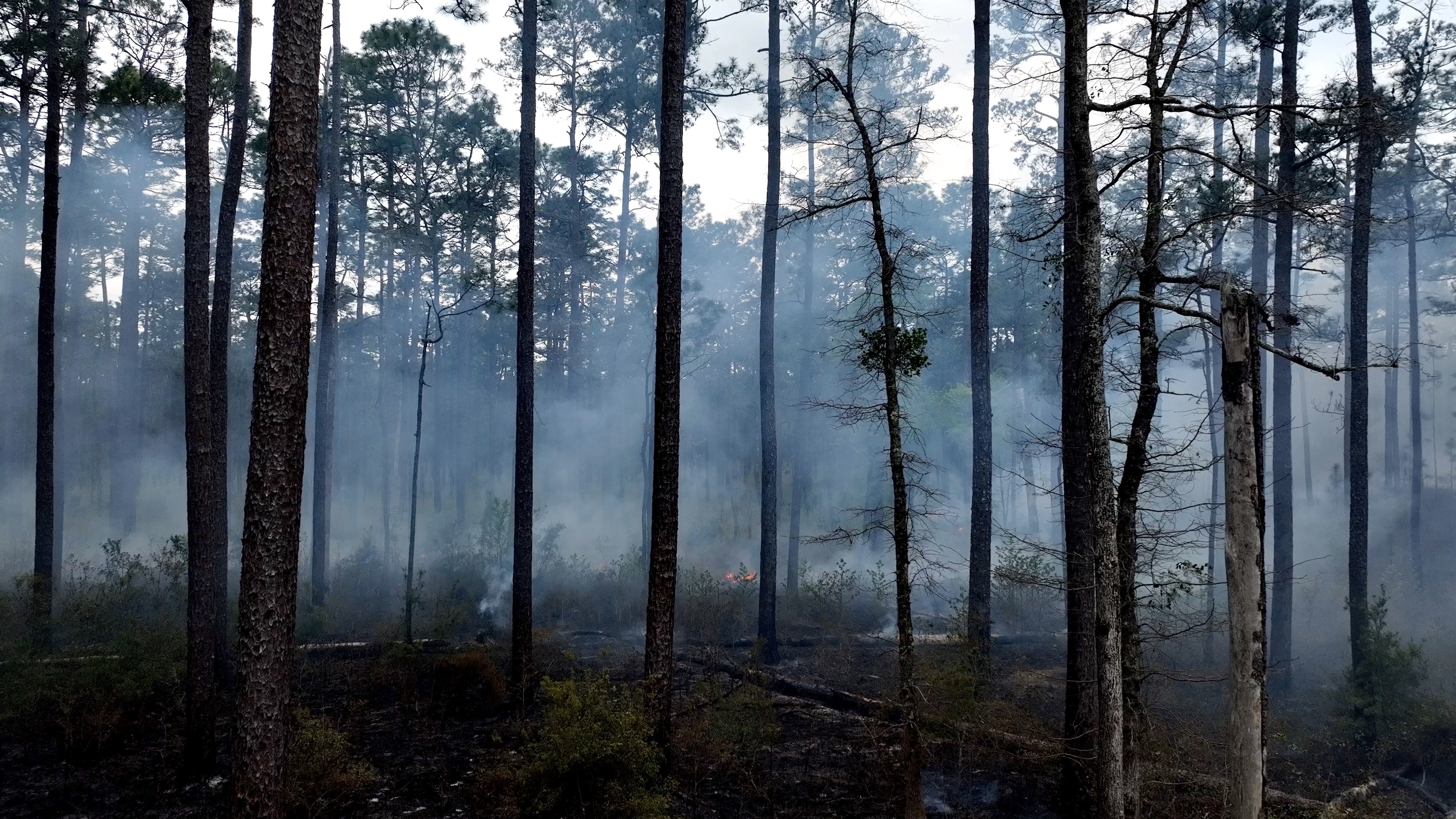
Dry heathlands and forests in the Antwerp Campine region and Limburg are becoming increasingly vulnerable. Although around 95% of wildfires are still caused by human activity, climate change acts as a significant risk multiplier, increasing both the likelihood and potential impact of these events.
Urban wildfires: cities are increasingly at risk
Beyond traditional wildfires, the risk of so-called urban wildfires is also growing. These fires originate in or near urban environments and can spread through dry vegetation to homes, businesses and critical infrastructure. Even a seemingly minor incident, such as a discarded cigarette along the roadside, can have devastating consequences. During hot and dry periods, urban heat islands significantly increase the likelihood of ignition. For emergency services, this creates a new operational reality where multiple fires can occur simultaneously, requiring rapid intervention. On 19 July 2022, the London Fire Brigade experienced its busiest day since the Second World War, receiving 2,670 emergency calls compared to the usual daily average of around 350. Most incidents involved grassland, shrubland and private gardens, destroying 41 properties and numerous vehicles.
Flanders has a unique vulnerability
A key concept in wildfire management is the Wildland-Urban Interface (WUI). These are areas where natural landscapes and the built environment meet. Unlike countries such as France or Spain, homes, businesses and public facilities in Flanders are often located directly adjacent to fire-prone natural areas. No less than 14.8% of Flanders’ territory is classified as Wildland-Urban Interface (WUI), twice the proportion found in Greece and three times that of Spain.
“In Flanders, nature reserves, businesses, healthcare facilities and residential areas are often located side by side. This significantly increases the level of risk.”
Gert Vandermosten, Climate Strategies Consultant
As a result of the region’s high population density and fragmented spatial layout, wildfires can have a much faster impact on people, buildings and economic activities.
There is no effective wildfire prevention without nature management
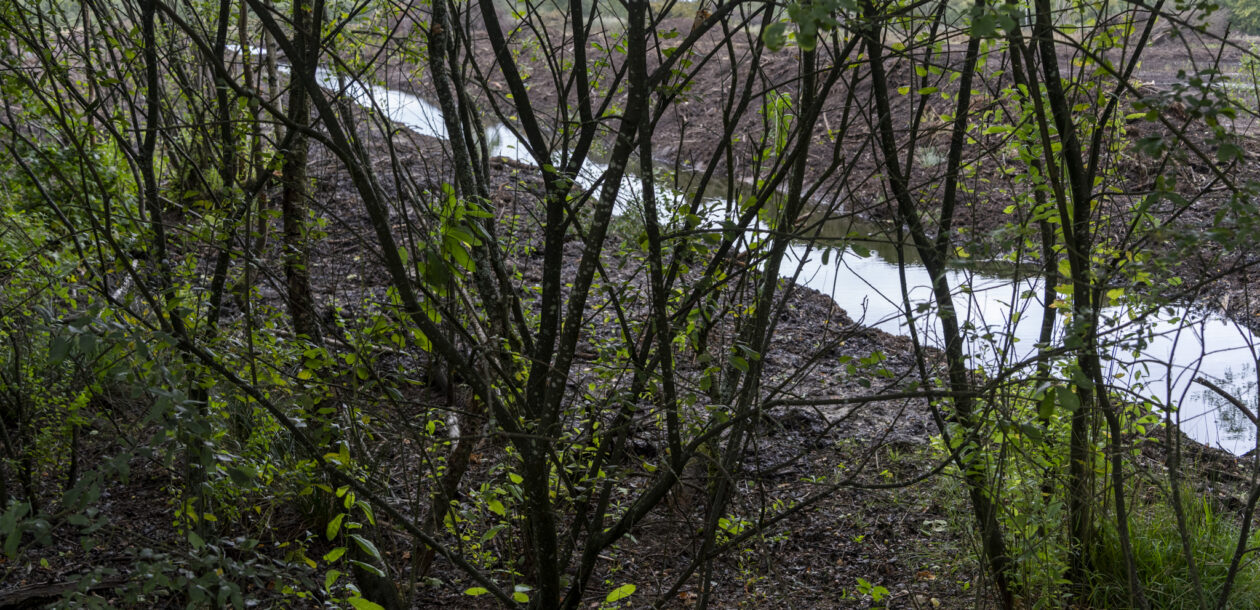
Well-designed nature management plays a vital role in reducing wildfire risk. Thoughtful decisions regarding the design and management of natural landscapes can significantly reduce both the likelihood and impact of wildfires.
Examples of measures that help slow the spread of fire and reduce its impact include:
- restoring natural water systems
- rewetting dry natural areas
- creating buffer zones
- managing highly flammable vegetation by converting coniferous forests into deciduous forests, increasing mowing frequency and applying other landscape management measures
- selecting vegetation species that are less susceptible to fire.
“Some types of vegetation are far more flammable than others. By rewetting natural areas, selecting different tree species and creating buffer zones, we can significantly improve the resilience of vulnerable landscapes against wildfires.”
Geertrui Goyens, Nature Development Consultant
Protecting our living environment through prevention
Wildfires are no longer a challenge confined to Southern Europe. Flanders, Brussels and Wallonia are also preparing for a future in which prolonged drought, extreme heat and wildfires become increasingly common. This requires a shift from reactive firefighting towards proactive risk management and prevention. By integrating wildfire risk into nature management, spatial planning and climate adaptation strategies at an early stage, we can better protect our communities, infrastructure and natural environments. Bringing together expertise in ecology, fire safety, water management and spatial planning provides a more comprehensive and resilient response to the challenges of a changing climate.
Gert Vandermosten

Geertrui Goyens

Michiel De Rop
Related insights
Stakeholder management creates space for better projects
Read more
Spatial policy plans: making today’s choices for tomorrow’s city
Read more
From housing study to action-oriented housing policy
Read more