
Sweco Belgium
Lighting design beyond illumination
Lighting design today is no longer about placing luminaires and achieving minimum lux values. Architectural lighting design has evolved into a strategic discipline that shapes spatial perception, enhances wellbeing and improves building performance. Over the past five years, European lighting standards have introduced a broader, more human-centred approach to indoor lighting. Yet in practice, many projects still focus primarily on desk illumination levels. This limited interpretation overlooks how people actually experience a space. High-quality lighting design considers the entire visual environment. It evaluates how light interacts with walls, ceilings, materials and faces. It moves from task lighting towards a complete spatial experience.
Lighting design beyond the desk
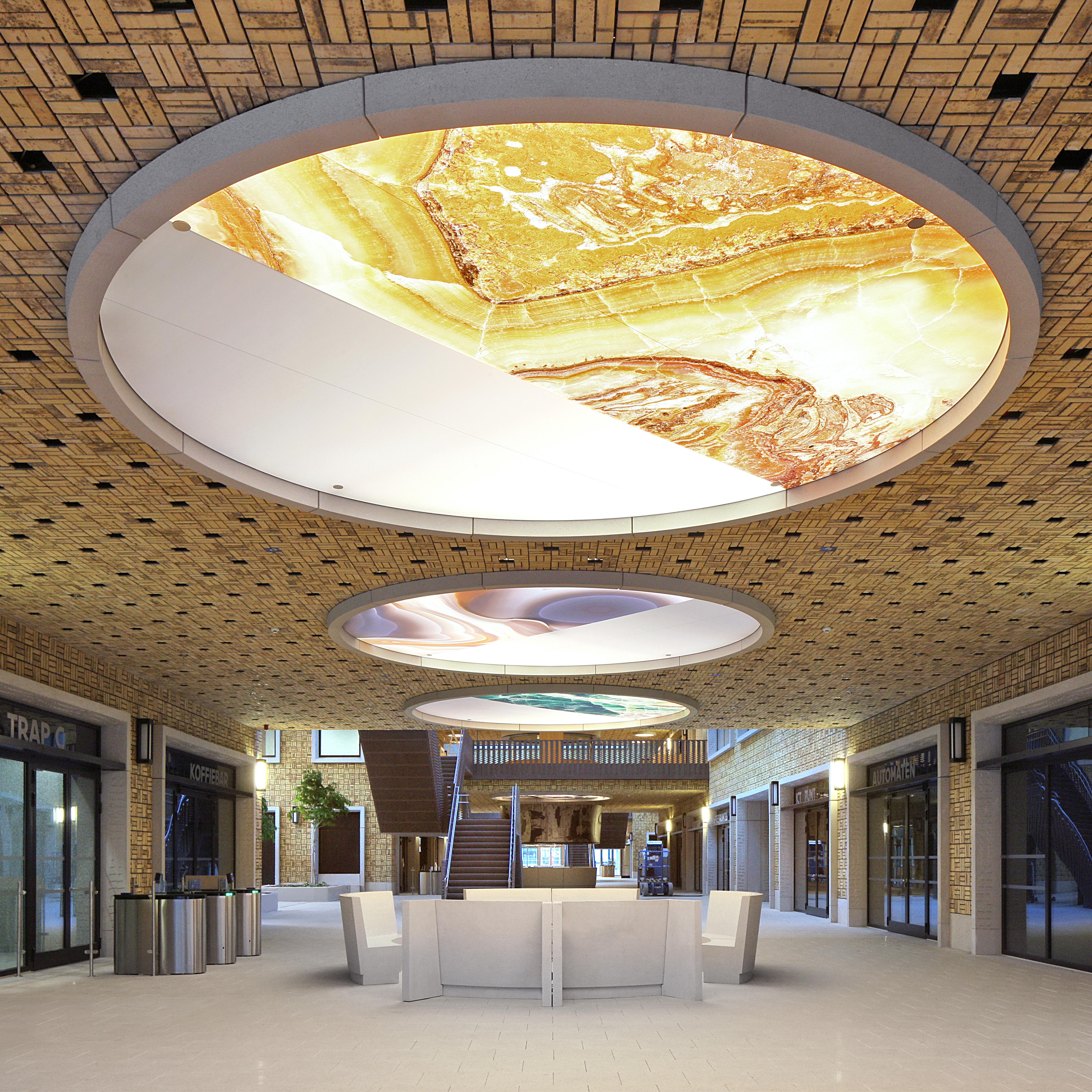
For decades, traditional lighting calculations mainly targeted horizontal illumination on work surfaces. While desk illumination remains essential, the revised standards redefine what visual comfort truly means in buildings. Modern lighting design now includes vertical illumination on walls, ceiling brightness and cylindrical illuminance to support facial recognition. Balanced luminance across the full environment ensures that spaces feel comfortable rather than flat or overexposed. These parameters directly influence how people perceive depth, read facial expressions and navigate within a space. In office environments, this affects collaboration and concentration. In healthcare buildings, it impacts orientation and patient comfort. In educational facilities, it supports focus and engagement.
By integrating vertical and ambient lighting levels from the early design phase, architectural lighting design becomes a spatial quality instead of a technical afterthought. Lighting no longer serves only the desk. It defines the atmosphere and clarity of the entire room.
Lighting design as art and science
Architectural lighting design operates at the intersection of creativity and engineering. It combines precise lighting calculations with a deep understanding of architecture, materials and human psychology. Compliance with standards such as EN 12464 and EN 1838 remains fundamental. However, lighting quality goes beyond compliance. It is about achieving an optimal balance between visual performance, ambiance and sustainability.
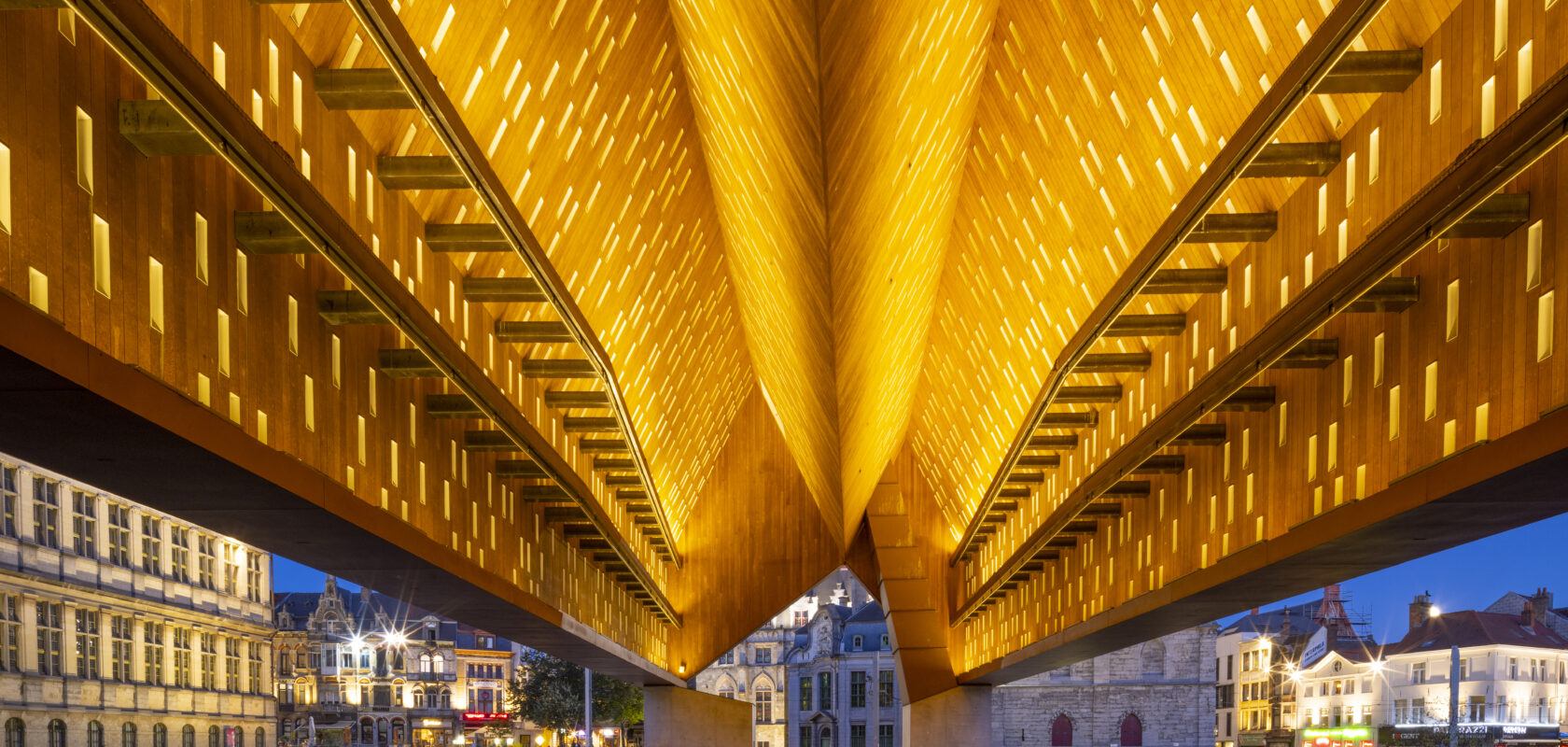
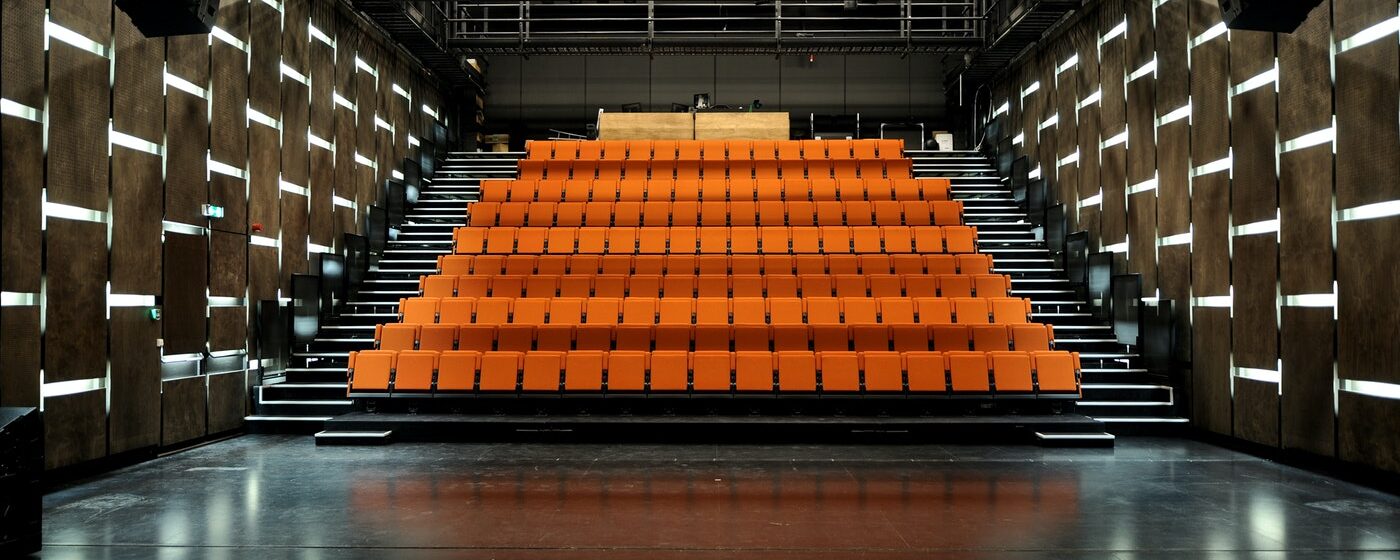
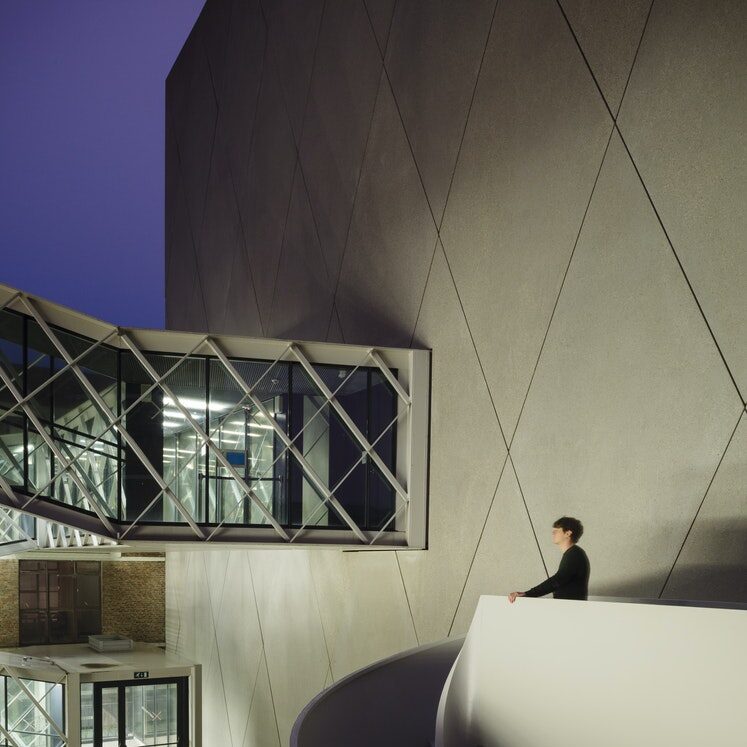
Glare control, uniformity ratios, colour rendering and contrast management all contribute to visual comfort. At the same time, lighting shapes identity. It highlights architectural form, creates hierarchy and supports the intended mood of a building. Lighting is not merely functional. It reveals architecture and gives it presence.
Lighting design as a standalone expertise
Lighting design can be integrated within a full building project, but it can also be commissioned independently. Clients often engage a lighting expert for renovation projects, office upgrades or performance evaluations of existing lighting installations. A professional lighting study analyses current illumination levels, glare, uniformity and energy consumption. It may include emergency lighting assessments, daylight integration studies and optimisation of lighting controls.
Energy efficiency is increasingly important. Lighting can represent a significant share of a building’s electricity use. Through targeted energy assessments and control strategies, operational costs can be reduced while improving user comfort. Commissioning is another crucial phase. After installation, luminaires must be carefully adjusted and programmed.
Light intensity, colour temperature and beam direction require fine tuning to achieve the intended architectural effect. Proper commissioning ensures that lighting performs optimally throughout the building’s lifecycle.
The importance of early involvement
One of the most critical factors in successful lighting design is timing. When lighting expertise is introduced late in the project, ceilings are often fixed, technical systems are already defined and spatial proportions are locked in. Adjustments then become costly and inefficient.
Involving a lighting designer during the concept phase prevents unnecessary redesign costs and technical conflicts. Lighting strategy influences ceiling integration, façade transparency, material selection and coordination with HVAC systems. Early integration ensures that architectural ambition and lighting performance evolve together.
During the concept stage, lighting designers develop a clear narrative supported by Sketches, reference images, 3D visualisations. These concepts are then verified through detailed lighting calculations to ensure compliance with current standards while safeguarding visual comfort.
This structured process protects budgets, reduces construction risks and guarantees that the final built environment matches the original design intention.
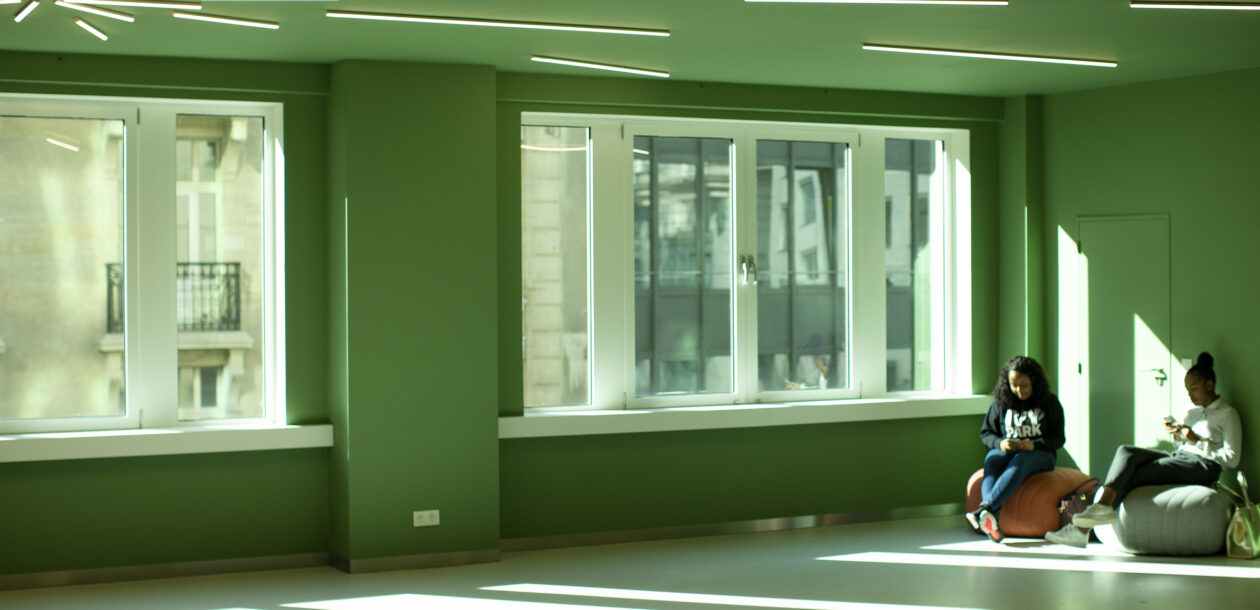
Sustainable and high-performance lighting solutions
Sustainable lighting design extends beyond selecting energy-efficient luminaires. It integrates daylight strategies, intelligent control systems and future-proof specifications that align with certification frameworks such as BREEAM and WELL. High-performance buildings depend on lighting solutions that enhance wellbeing, minimise energy consumption and maintain long-term adaptability. Whether in offices, healthcare facilities, public buildings or hospitality environments, professional architectural lighting design contributes directly to operational performance and spatial quality. Lighting is not an accessory to architecture. It is one of its defining elements. By combining technical precision with spatial sensitivity, lighting design transforms buildings into environments that are comfortable, efficient and visually compelling. In a world where user experience and sustainability are central to building design, lighting is no longer just about meeting standards. It is about redefining how spaces are seen, felt and experienced.
Photography: Bram Goots | Daniel de Kievith | Olmo Peeters | Koen Broos |

Other news
Water management without reuse is no longer fit for purpose
Read more

Industry and water: permit certainty starts with demonstrable water quality
Read more
Sweco Belgium welcomes All Soil Assistance and further strengthens its soil expertise
Read more