
Sweco Belgium
Südspidol takes a major step towards the people-centred hospital of tomorrow
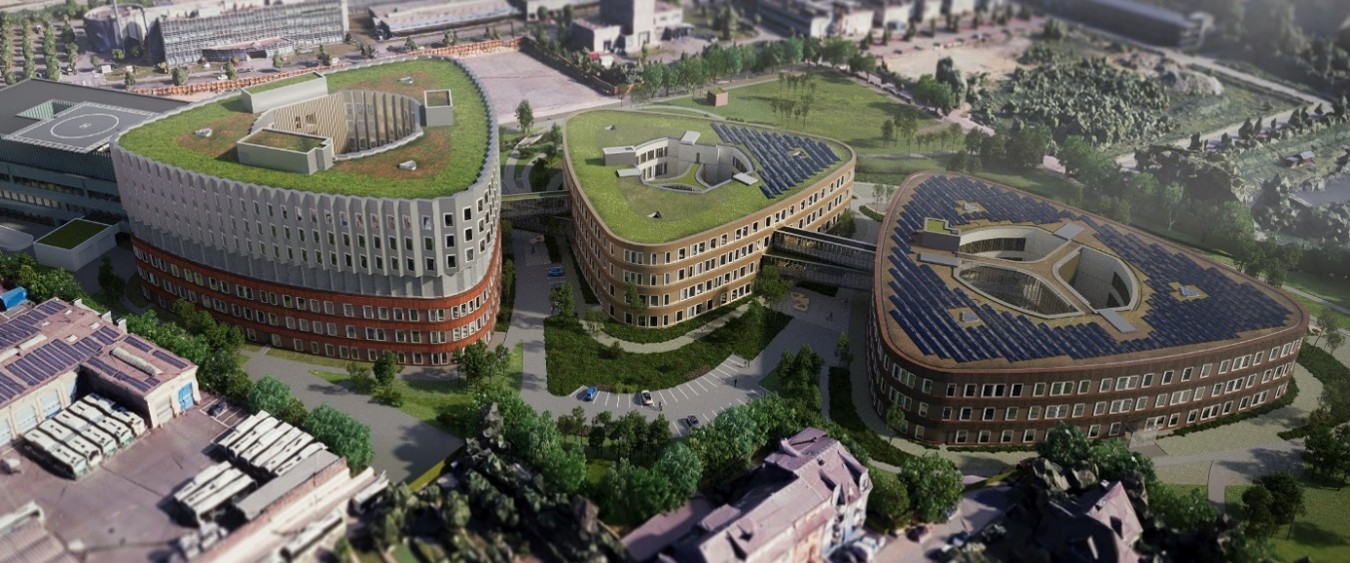
The Südspidol project for Centre Hospitalier Emile Mayrisch (CHEM) in Esch-sur-Alzette has reached a significant milestone. The consolidated preliminary design has been submitted to CHEM ahead of its planned submission to Luxembourg’s Ministry of Health and Social Security.
This achievement brings southern Luxembourg closer to a new hospital complex designed to meet evolving healthcare needs. With sustainability, adaptability and people-centred design at its core, Südspidol aims to create a healthcare environment that will serve patients, medical professionals and the wider community for generations. The project is being developed through close collaboration between CHEM, the SWECO/G.A.F./S.W.A.A. consortium and an international network of specialists.
Creating a healthcare environment centred on people
With Südspidol, Centre Hospitalier Emile Mayrisch (CHEM) is looking beyond the traditional role of a hospital. The ambition is to develop a welcoming and supportive environment where patients feel reassured during challenging moments and healthcare professionals benefit from efficient, comfortable working conditions.
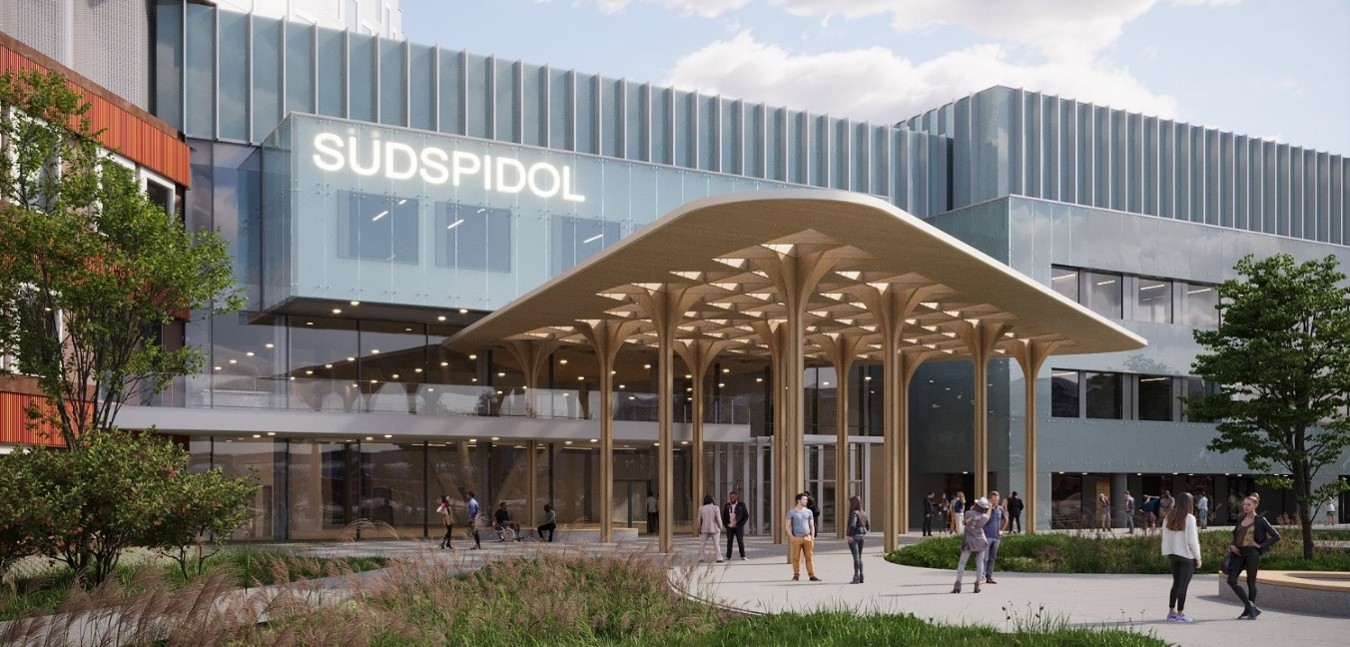
This people-centred approach influences every aspect of the design. Particular attention is given to indoor air quality, patient room comfort, peaceful recovery spaces and efficient circulation routes throughout the building. These elements are intended to improve the daily experience of patients and staff while supporting the hospital’s operational needs.
By bringing together architecture, engineering and healthcare expertise, the project aims to create a healing environment that supports recovery, promotes wellbeing and contributes to a positive healthcare experience.
Bringing multidisciplinary expertise together
Since 2024, Sweco has led the SWECO/G.A.F./S.W.A.A. consortium, combining expertise from Luxembourg, Belgium and other countries in hospital architecture, engineering, healthcare design and project management.
Building on the existing plans and studies, the multidisciplinary teams are developing an integrated design that addresses current requirements while allowing the future hospital to adapt to advances in medical technology, changing healthcare practices and evolving societal expectations.
Sweco’s Integrated Project Management (IPM) approach provides a structured framework for this international collaboration. It strengthens coordination between disciplines, supports transparent decision-making and enables effective management of budgets, risks and project priorities.
This coordinated approach is particularly valuable for a project involving more than 100 contributors from different countries, working across five languages. By connecting specialist knowledge and maintaining a shared vision, the consortium can address complex challenges while keeping the project aligned with CHEM’s long-term ambitions.
Strengthening Sweco’s local presence in Luxembourg
Since establishing its presence in Luxembourg in 2021, Sweco has focused on building strong local relationships and contributing its engineering and consultancy expertise to projects that shape the Grand Duchy’s future.
Südspidol demonstrates this long-term commitment. The project brings together an understanding of Luxembourg’s local context and regulatory environment with the specialist capabilities of Sweco’s wider international network.
This combination enables close collaboration with CHEM while providing access to the multidisciplinary expertise required for a major healthcare development. Through this approach, Sweco aims to contribute to essential infrastructure that will support communities across southern Luxembourg for years to come.
[Insert an approved quotation from an authorised project representative highlighting the importance of multidisciplinary collaboration and the people-centred vision behind Südspidol.]
[Name of spokesperson], [official job title]
Designing healthcare infrastructure for the future
Modern hospitals must be designed to respond not only to today’s healthcare requirements but also to the challenges of tomorrow. Medical innovation, digital technologies, changing patient expectations and new ways of working all influence how healthcare facilities need to function and evolve.
For Südspidol, this means adopting an integrated approach that connects architectural quality with technical performance and operational efficiency. Flexible spaces, carefully planned hospital functions and a healthy indoor environment are central considerations throughout the design process.
Sustainability is another important aspect of the project’s long-term vision. The aim is to develop a responsible and adaptable healthcare facility that responds to its surroundings and takes the needs of future users into account.
By considering these requirements from the early design stages, the project seeks to create a hospital capable of accommodating future developments while continuing to provide a supportive environment for patients and healthcare professionals.
A major step towards delivering Südspidol
The completion and handover of the consolidated preliminary design marks an important stage in Südspidol’s development. It provides CHEM with a coordinated design basis ahead of the project’s submission to the relevant Luxembourg authorities.
This milestone reflects the combined efforts of specialists from multiple organisations and disciplines. It also highlights the importance of structured project management, effective communication and a shared understanding of the objectives behind a healthcare development of this scale.
Through its leadership role within the consortium, Sweco is helping translate CHEM’s vision into practical architectural and engineering solutions. The shared ambition is to lay the foundations for a modern, resilient and people-focused hospital that will serve southern Luxembourg and future generations.
More news
Südspidol takes a major step towards the people-centred hospital of tomorrow
Read more
Stakeholder management creates space for better projects
Read more

Spatial policy plans: making today’s choices for tomorrow’s city
Read more