
Sweco Belgium
Stakeholder management creates space for better projects
Projects are now delivered in increasingly complex environments. Interests overlap, space is scarce, and people are more vocal than ever. In this Expert Talk, Michèle Jacobs and Caro De Visscher explain why stakeholder management and mediation involve far more than communication or participation alone. They require a well-considered approach, a thorough understanding of the local context, and a willingness to work with different perspectives.
A more complex environment calls for a well-considered approach
The context in which we deliver projects has changed significantly over the past twenty years. People want to know what is happening in their neighbourhood and how a project will affect their living environment. At the same time, the number of rules and procedures has increased. Requirements relating to permits, nitrogen emissions, PFAS and stormwater regulations make projects more complex, both technically and legally.
Projects also often span several policy areas. Housing, the economy, mobility, water and nature can no longer be considered in isolation. Moreover, Belgium is reaching its spatial limits. All these factors make it more difficult to retain an overview and balance competing interests.
Stakeholder management helps make this complexity manageable. It considers not only the technical and legal aspects of a project, but also the context in which it needs to be delivered. Which stakeholders are involved? What interests are at stake? Where might sensitivities or risks arise? The answers to these questions provide the starting point for an approach tailored to the project’s specific context.
Stakeholder management is not a legal requirement in itself. However, a strategic approach that takes account of stakeholders and the wider environment is becoming increasingly essential if a project is to secure the necessary consents and gain support.
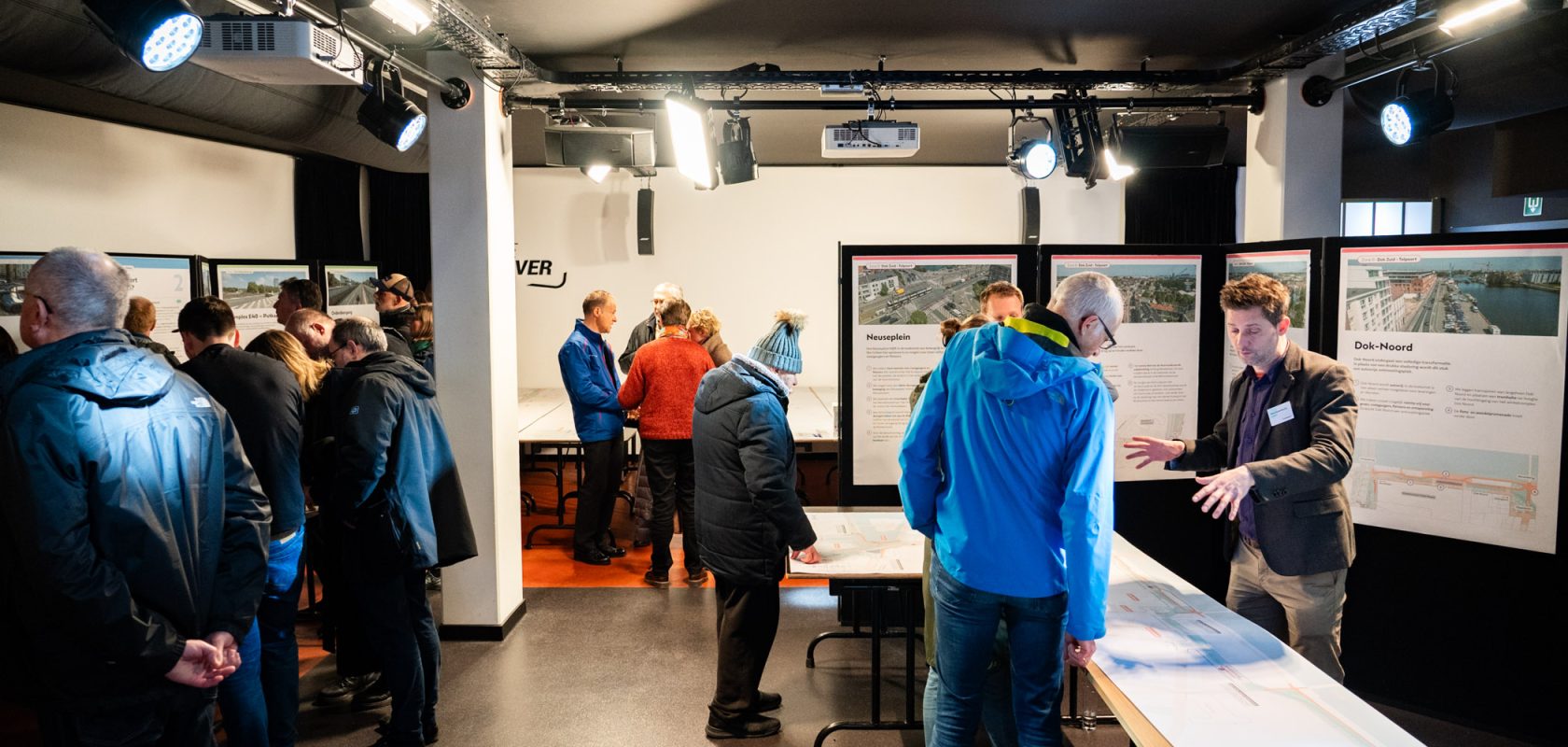
main image ©Connect
Stakeholder management is about thinking carefully about which stakeholders you need to reach at which point in the process, how you will engage with them and what you want to achieve.
Michèle Jacobs, process and stakeholder manager
Not a box-ticking exercise
Simply organising a participation event will not answer all these questions. The approach needs to reflect the stakeholders involved, the sensitivities at play and the stage the project has reached. It starts with making clear choices about the objective, target audience, timing and format. Not everyone needs to be involved in the same way: in some cases, intensive collaboration is required; in others, clear information is sufficient.
A stakeholder analysis helps underpin these choices. It begins by identifying the risks associated with both the project and its surroundings. You can then assess stakeholders’ interests and the role they may play. This helps determine where – and with whom – additional attention is required in the project approach. Local knowledge and an understanding of the area can also provide insights that the project team may not have.
The history of an area also deserves attention. Previous projects, concerns or conflicts can affect trust in a new initiative, even where the projects have little in common in substantive terms. Taking this history into account provides a better understanding of existing sensitivities and where additional care is needed.
Large infrastructure projects such as Gentspoort demonstrate the importance of considering different perspectives at an early stage. By engaging with different groups along the route over an extended period, the original design could be thoroughly assessed. These discussions resulted in tangible improvements and alternatives, allowing the project to be better aligned with its surroundings.
Listening means more than gathering input
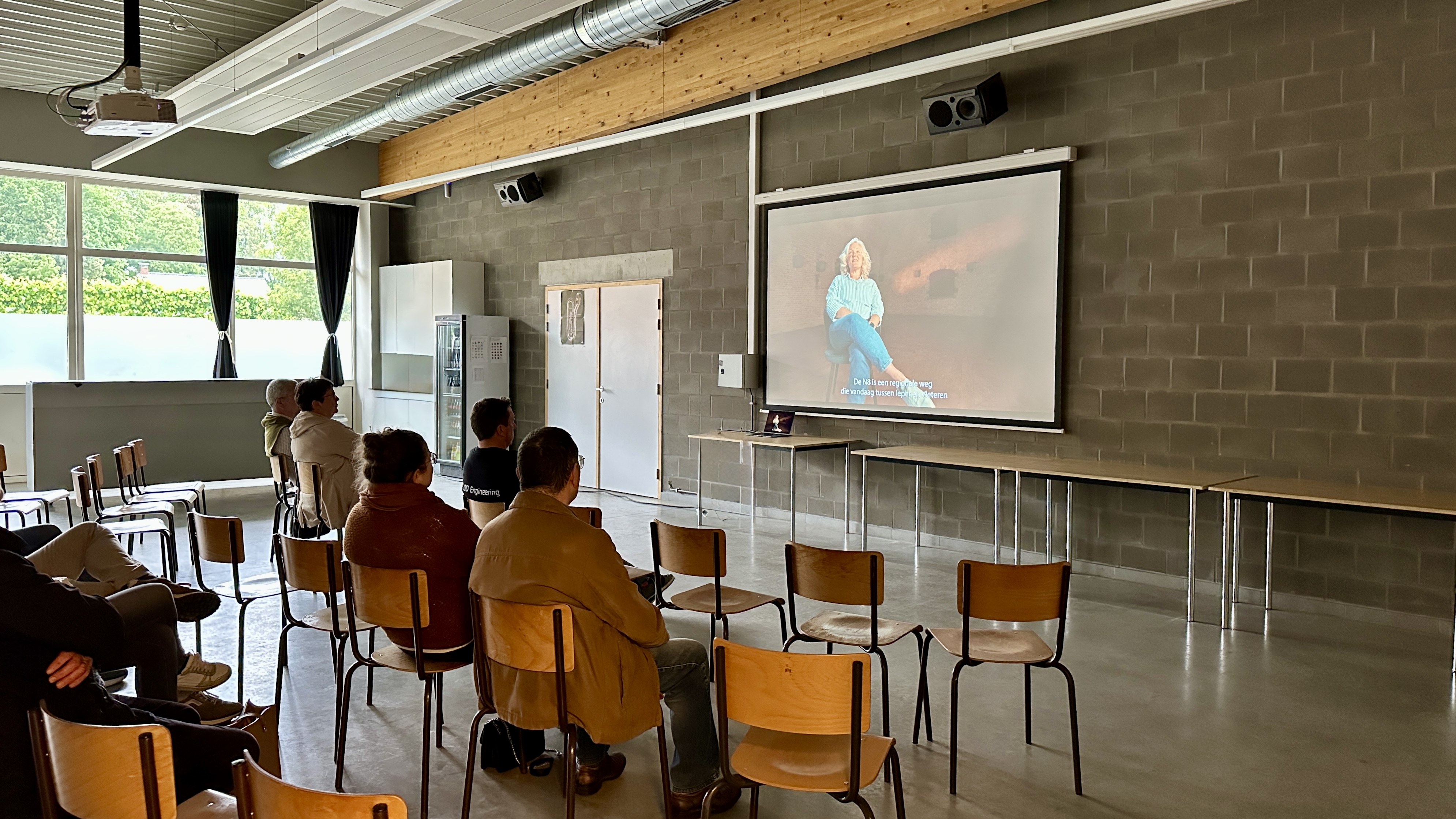
Stakeholder management only becomes meaningful when something is done with the input received. Not every suggestion will be feasible within a project’s scope or regulatory framework. However, it is important to explain clearly – through a report or feedback session – which comments will be taken forward and why other proposals cannot be adopted. This reassures participants that their contribution has been taken seriously.
Feedback is important not only for transparent communication, but also for strengthening relationships with the local community. Participation can also reveal potential tensions as well as shared interests. These insights can help identify alternatives and ensure that solutions are better aligned with the local context.
Stakeholder management requires a balance between input from the surrounding community and the project’s non-negotiable constraints. Participation may generate additional questions or adjustments and can sometimes lead to an expansion of the project scope. At the same time, this investment can result in shorter procedures, less opposition and broader support. Managing scope, timing and budget therefore remains a key balancing act.
image ©AWV
If people have a feeling that their input disappears into a black box, they will feel unheard. That can create trust issues in the process.
Michèle Jacobs, process and stakeholder manager
Addressing conflicts through mediation
By identifying interests and sensitivities at an early stage, project teams can recognise potential issues sooner and explore whether adjustments or additional consultation are needed. Stakeholder management therefore not only encourages dialogue, but also helps manage risk and steer projects more effectively.
Where a conflict does escalate, mediation can help restart the conversation. The mediator does not take sides, but gives everyone involved the opportunity to explain their interests. This requires a commitment to return to the table together. It also involves exploring what lies behind the positions that have been taken. This approach is known as multi-partiality: it helps people understand different perspectives and explore possible next steps.
Sweco can act as a mediator within its own projects or at the request of external parties. This is also possible where Sweco has not been involved in the full lead-up to a project.
One example is a process relating to the implementation of the Flemish Basic Accessibility Decree in a Flemish city. The parties involved were unable to agree on the design of a high-quality public transport network and asked Sweco to facilitate the process. Although the process was not formally a mediation exercise, it clearly had a mediating role. The focus was not only on the substantive discussion, but also on restoring collaboration between the partners involved. Their shared interest was clear: to jointly create a high-quality public transport network. In doing so, the parties depended on one another.
Rebuilding trust takes time. Gaining an understanding of each other’s perspectives is an important first step, creating room for dialogue once again. Even where a full agreement proves unattainable, it can still be valuable to gain a better understanding of concerns, restore the conversation and consider possible next steps.
For me, mediation is a form of stakeholder management: it brings parties back into dialogue when positions have become entrenched.
Caro De Visscher, process and stakeholder manager
Stakeholder management connects interests and spatial solutions
At Sweco, our stakeholder managers and mediators combine expertise in process facilitation and conflict management with experience in spatial planning and infrastructure projects. They consider not only the interests and concerns of those involved, but also how these can be translated into practical project decisions.
Our strength lies primarily in finding spatial solutions and translating them into an integrated, high-quality project.
Caro De Visscher, process and stakeholder manager
This combination makes it possible to strengthen both the process and the substance of a project. Stakeholder managers identify stakeholders, interests and sensitivities, and guide the consultation process. Where positions clash, mediation can help clarify underlying interests and create space for dialogue again. Drawing on their multidisciplinary expertise, our specialists can then explore which adjustments or alternatives are feasible.
In practice, intensive consultation with different groups can lead to significant changes to a design, helping it fit more effectively within its surroundings. This is the added value of stakeholder management: a project is more robustly developed and evolves into an integrated solution with broad support.
Do you have questions about stakeholder management or mediation for your project? Please contact our experts.
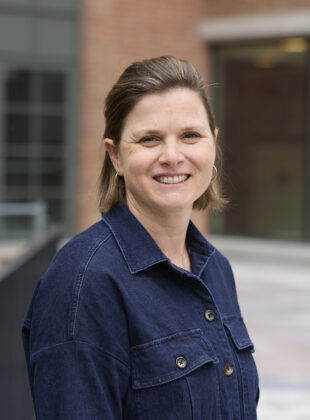
Michèle Jacobs

Caro De Visscher
Overig nieuws
Stakeholder management creates space for better projects
Read more

Spatial policy plans: making today’s choices for tomorrow’s city
Read more

From housing study to action-oriented housing policy
Read more