
Sweco Belgium
Europe’s water under pressure: how to secure water systems
Six concrete actions and practical case studies demonstrate how Europe can strengthen its water systems in the face of growing challenges, according to Sweco’s Urban Insight report ‘Too much, too little, too polluted — Taking on Europe’s water challenges’ .
Clean water is no longer a given
Across the continent, access to clean, safe water has long been taken for granted. Turning on the tap and expecting high-quality water has been a cornerstone of public health, economic development and social stability. For decades, Europe’s water services have been among the continent’s great infrastructure successes. Today, that assumption is increasingly being challenged.
The European Environment Agency (EEA) reports that 32% of Europe’s groundwater is under pressure from diffuse pollution. While floods dominate headlines, a silent crisis of scarcity is unfolding. Water stress affects roughly 20% of Europe’s territory and 30% of its population annually.
Climate change, ageing infrastructure, rising demand and contaminants such as PFAS – the so-called ‘forever chemicals’ – are putting unprecedented pressure on drinking water and wastewater systems.
Why source to tap – and back to nature – matters
Prolonged droughts, record‑breaking heatwaves and changing rainfall patterns are turning water scarcity from an exception into a recurring reality. In Europe, electricity production and cooling account for around 33% of total water abstraction, followed by agriculture (31%), public water supply (21%), manufacturing (14%) and mining (1%).
Around 65% of Europe’s drinking water is supplied by groundwater. In several countries, these resources are under increasing pressure from the use of pesticides, nitrate pollution and insufficient protection of recharge areas. At the same time, emerging micro-pollutants – including PFAS, pharmaceuticals and industrial chemicals – have now been detected in most water bodies and are difficult and costly to remove.
As a result, only a minority of Europe’s surface waters and groundwater bodies currently achieve good ecological or chemical status, underscoring the scale of the pollution challenge.
Water costs and investment gaps
Across Europe, household water use and pricing vary significantly, reflecting differences in infrastructure, consumption patterns and local policy. Average household consumption is about 125 litres per person per day, but water tariffs differ widely between countries.
Despite these differences, investment in water efficiency and infrastructure remains insufficient, especially where tariffs are low. Sweco’s analysis shows that current water prices in many countries cover only a fraction of the long-term costs needed for infrastructure renewal, climate adaptation and advanced treatment of micro-pollutants.
Implementing quaternary treatment as part of advanced wastewater treatment could increase domestic water costs by around 6%, while broader environmental and societal impacts are still largely not reflected in pricing.
6 practical solutions for moving forward
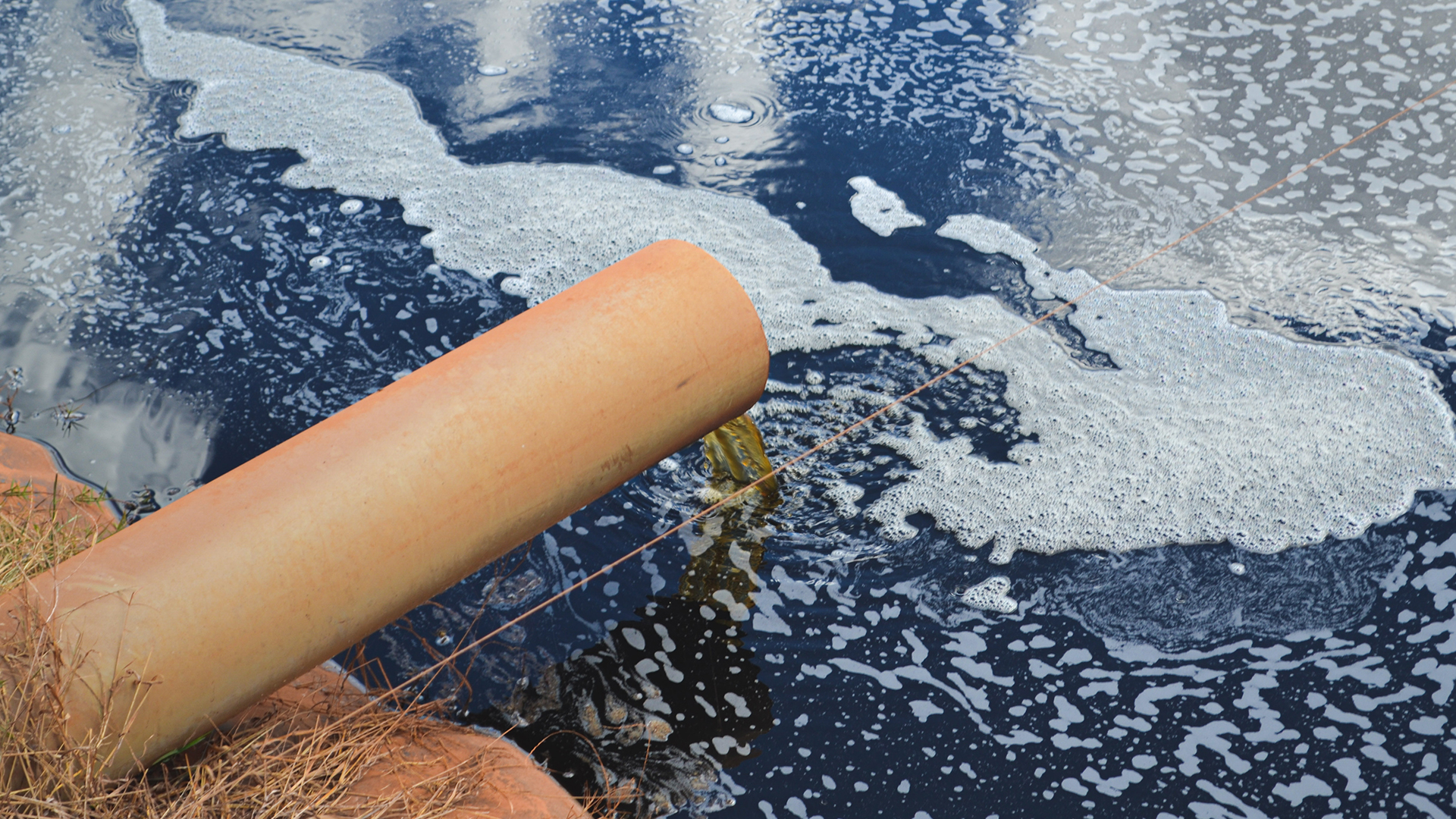
Recognising the real, long-term cost of water is essential – not to make it more expensive, but to ensure robust, resilient systems capable of delivering safe water for generations. Sweco experts recommend the following practical ways to strengthen water systems:
- Make water risk assessments a standard requirement
- Develop municipal water strategies with clear risk analyses
- Plan and finance the renewal of ageing infrastructure
- Conduct regular water risk and resilience assessments
- Integrate water risk into credit, investment and insurance decisions
- Use land-use planning and nature-based solutions to reduce risks
Water challenges do not stand alone; they are closely interconnected. An integrated systems approach is essential to manage risks and make water systems sustainably future‑proof.
Noémi Van Bogaert, Expert Water and co-auteur
Water projects in action
The report highlights a range of best practice projects to strengthen water systems across Europe. Every project demonstrates how expertise and collaboration can safeguard water supply, ecosystems and public health for generations to come. Here are a few examples:
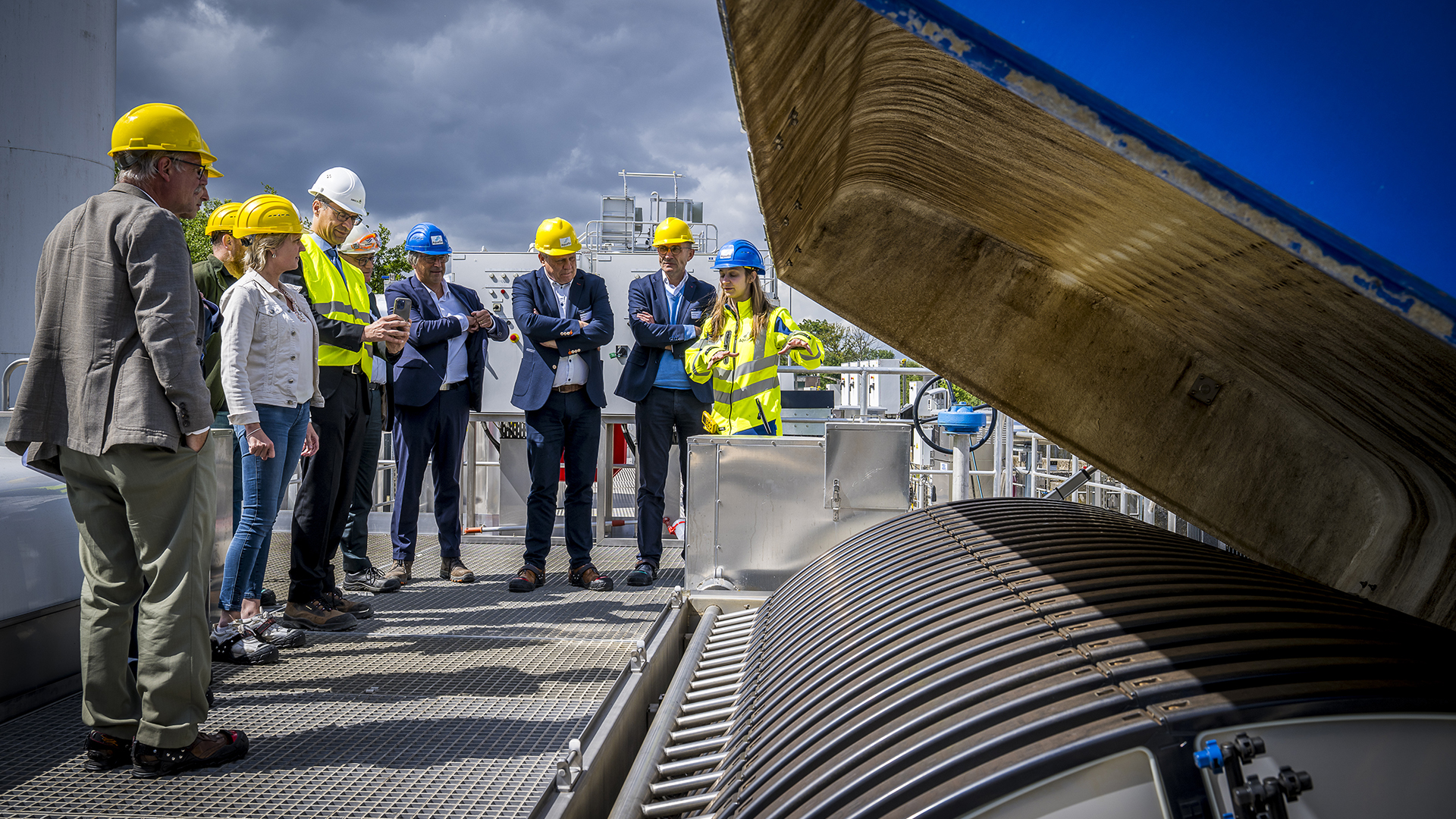
- Aartselaar WWTP, Flanders – Quaternary treatment of micro-pollutants
Full-scale plant removing pharmaceuticals, pesticides, hormone-disrupting compounds and PFAS from wastewater, enabling future water reuse and strengthening local water quality. - Circular water network in Antwerp
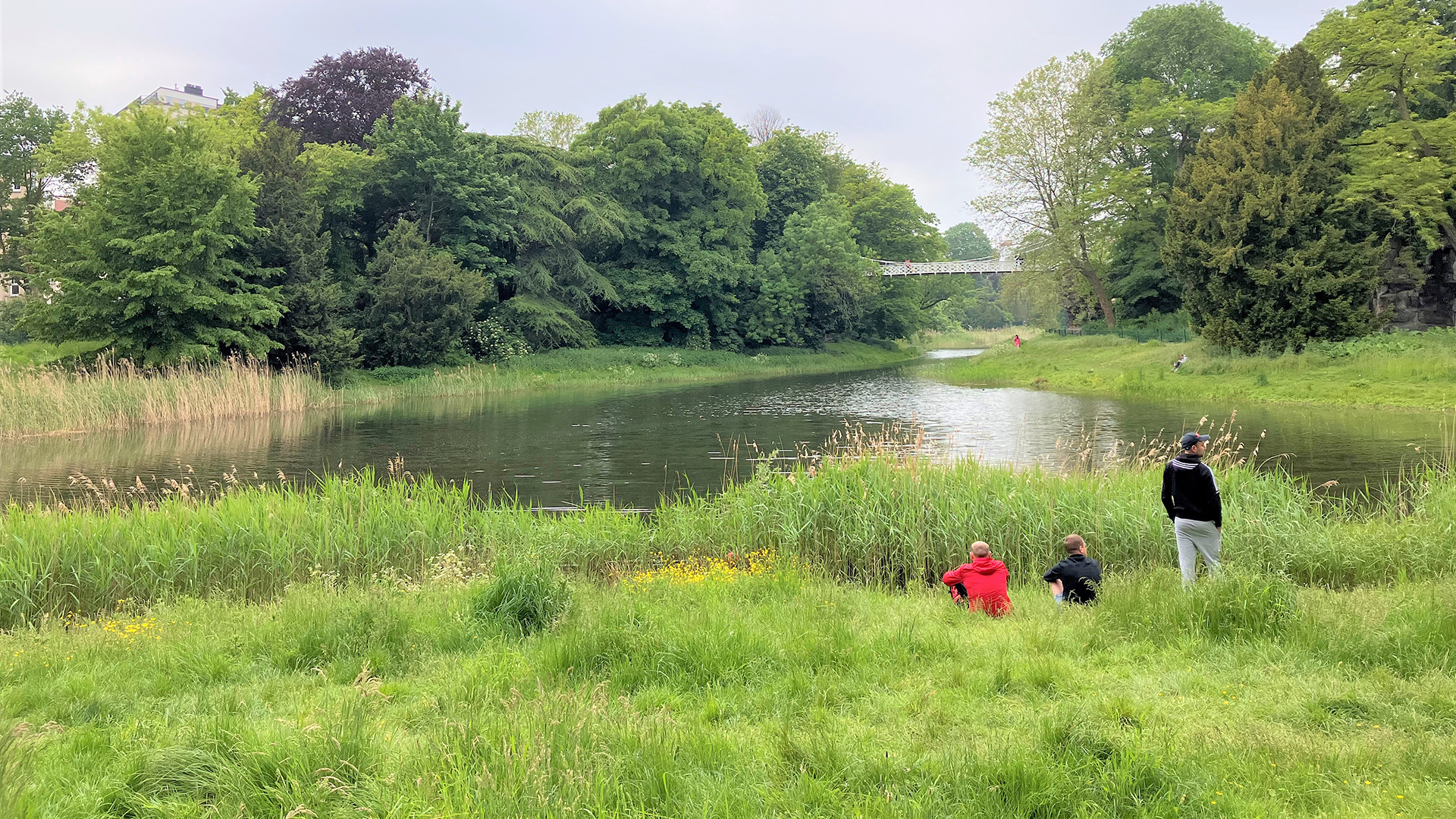
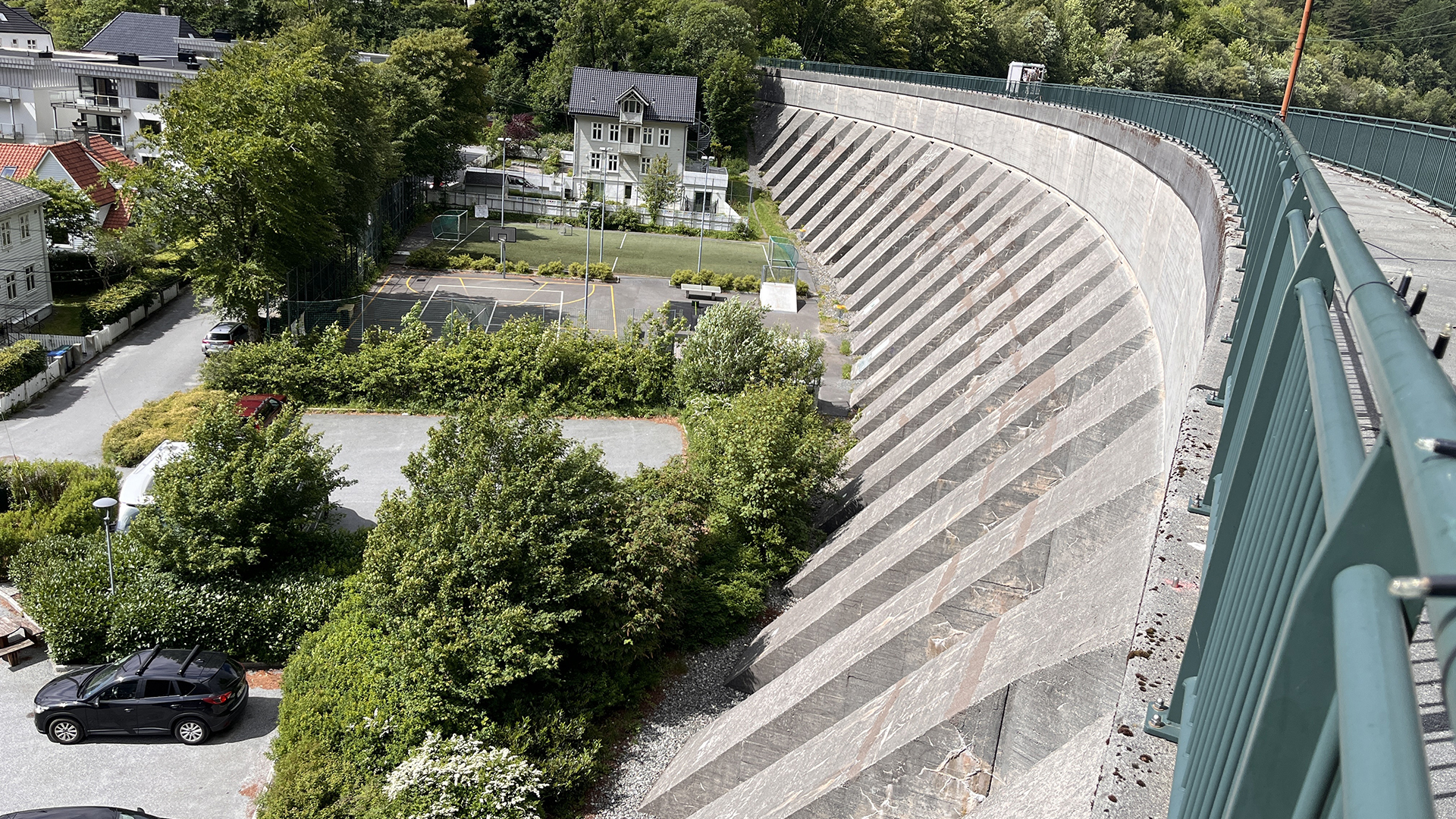
Antwerp is tackling drought and salination with a circular water network that treats water from the River Schijn and redistributes it to recharge groundwater and irrigate urban greenery. The system also explores using this low-grade water as greywater for large public buildings. - Bergen, Norway – Dam safety and flood reassessment
Reassessing key catchments and dams to safeguard drinking water infrastructure and strengthen long-term resilience.
Overig nieuws
Decarbonisation: the biggest energy gains are not where you think
Read more

Taking control of environment and energy
Read more
LFDD: why grid stability is becoming a strategic issue for businesses
Read more