Broeklin: a circular working and shopping district for the future
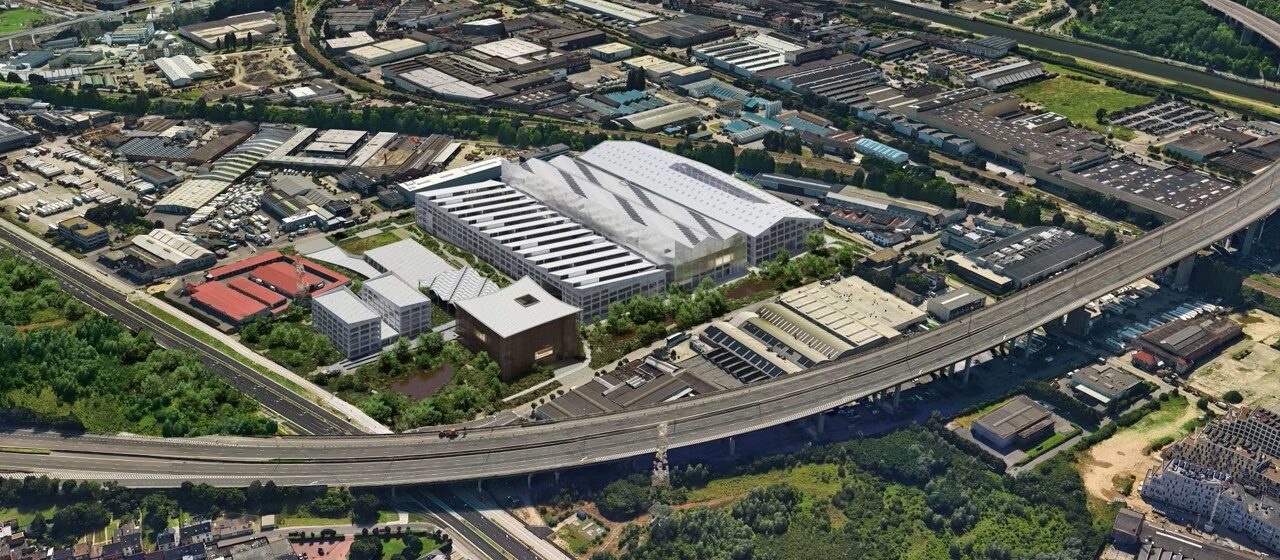
Broeklin is an innovative, circular working and shopping district located on the northern edge of Brussels. The development brings together work, retail and leisure, supporting both production and consumption with the short supply chain as a guiding principle. Residual streams are given a second life: what is waste for one function can become a valuable raw material for another. With urban agriculture integrated on site, Broeklin is designed as a sustainable and efficient closed loop. Sweco is the engineering partner for technical installations, structural design and infrastructure, and also acts as consultant for acoustics, fire safety and sustainability.
- Expertise:
- High-performance buildings
- Client
- Uplace
- Location
- Machelen
- Sweco scoop
- Brownfield development, BREEAM, WELL, Circular economy
- Partners
- ORG Permanent Modernity, Jaspers-Eyers Architects, Bureau Bas Smets
Flexible architecture embedded in the landscape
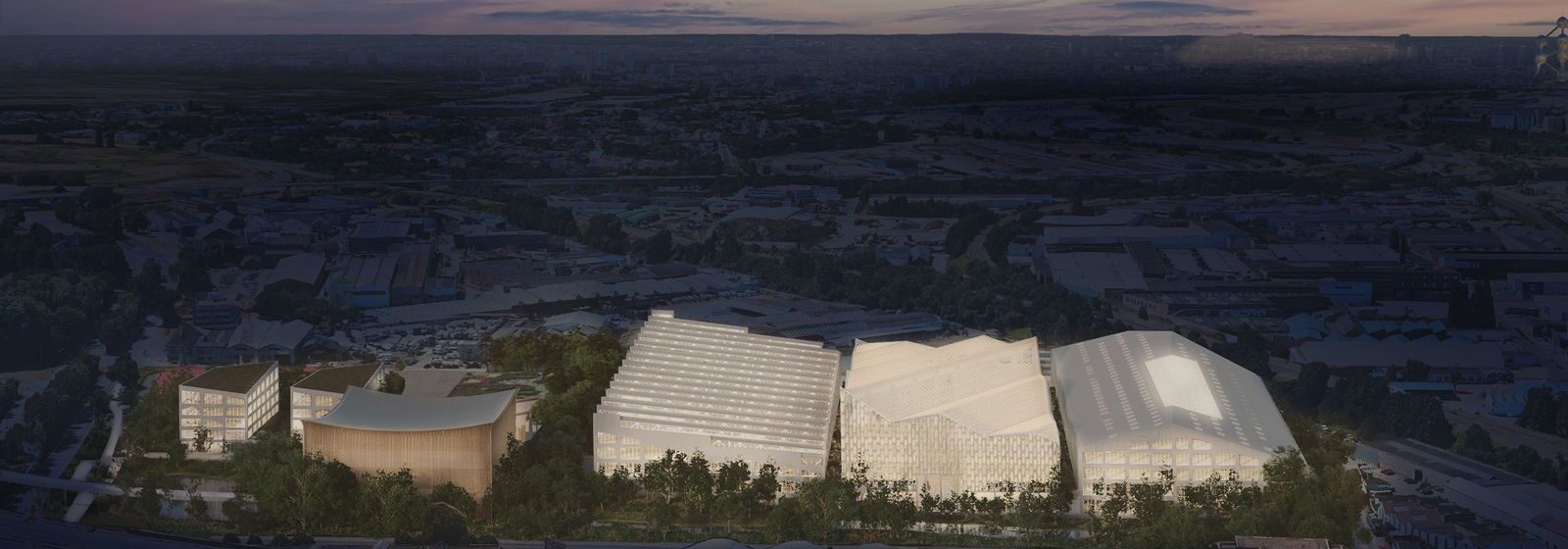
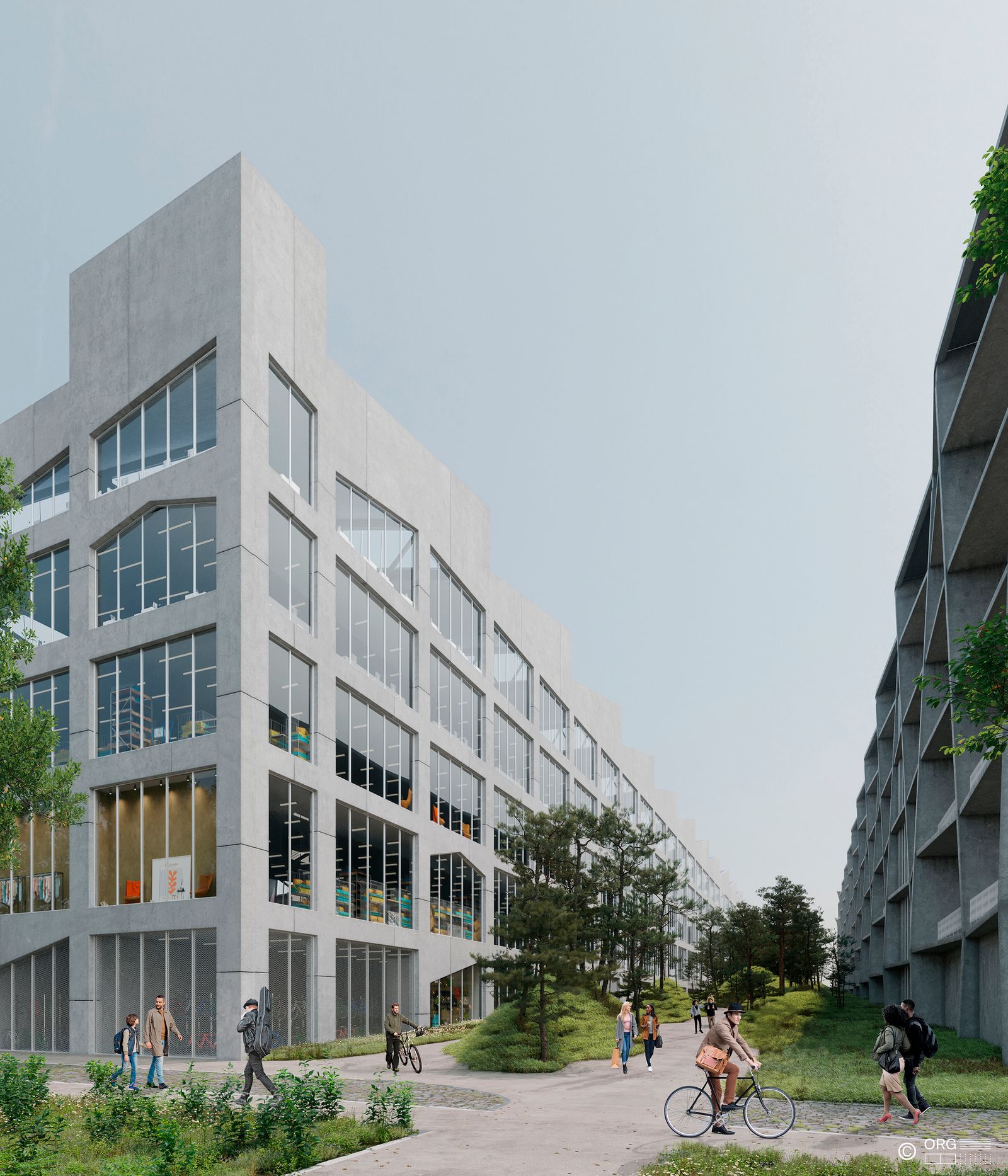
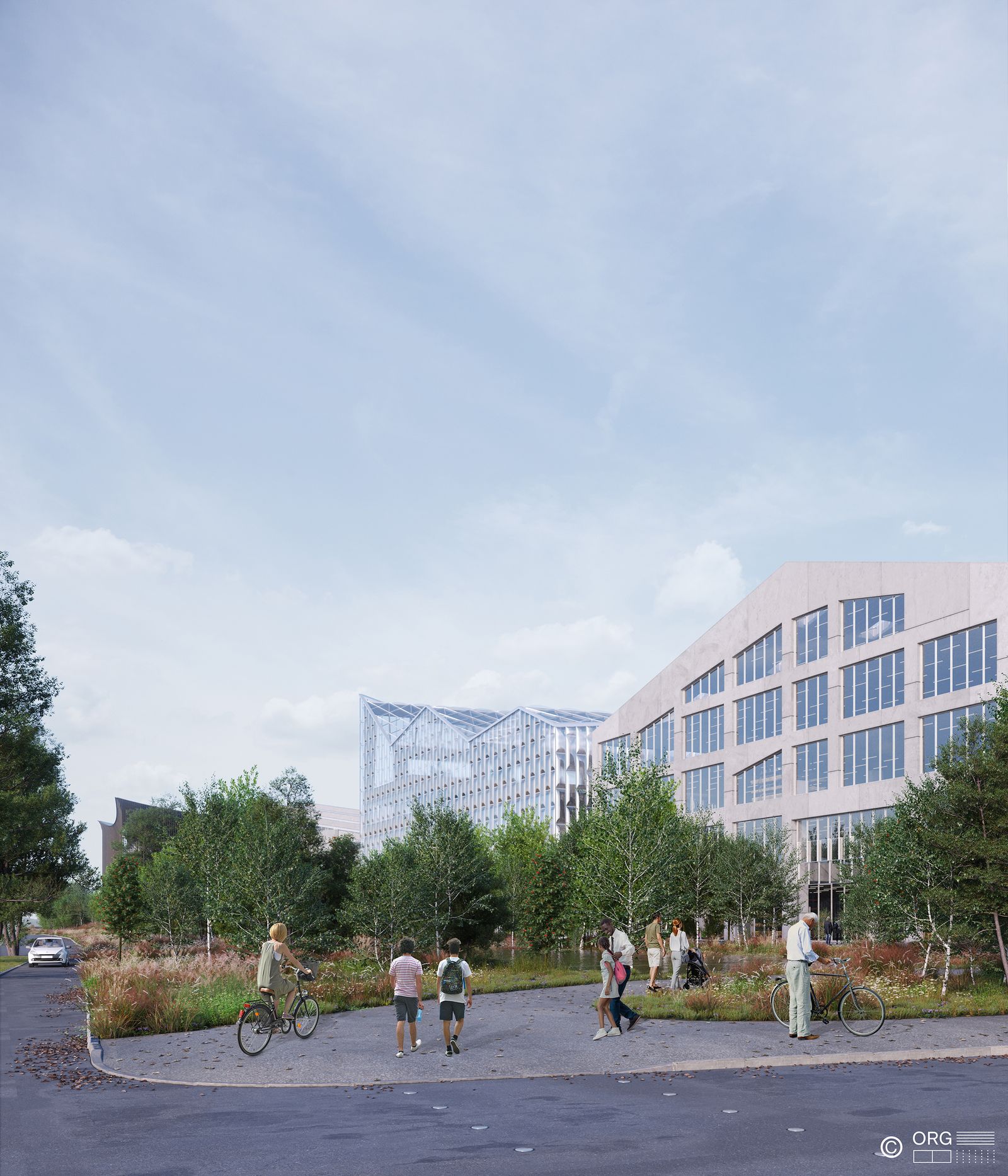
The site was designed by ORG Urbanism & Architecture and Jaspers‑Eyers, with landscape design by Bureau Bas Smets. Six large, contemporary halls form a coherent whole, together covering 150,000 m². They accommodate thousands of employees and visitors and support a broad mix of uses, ranging from retail with on‑site production or finishing to food and beverage, leisure, culture and office spaces.
The design actively brings the landscape into the buildings. Architecture and environment merge seamlessly, resulting in nearly half of the total site area being green.
Sustainability as a core principle
From the outset, the design team adopted an integrated sustainability approach in line with Sweco’s design principles. Broeklin is targeting multiple certifications (BREEAM, WELL, EU Taxonomy and LCBi), not as an end in itself, but as a means to realise its ambitions and maximise overall sustainability performance.
The sustainability strategy is structured around four key pillars: Energy, Water, Materials, and People & Environment.
Energy
- Reducing demand
Advanced insulation significantly limits heat loss and allows energy to be retained for longer. Sweco’s engineers designed highly energy‑efficient systems for heating, cooling, ventilation and lighting. Natural ventilation principles further reduce reliance on mechanical installations.
- Maximising renewable energy
The design combines several concepts for efficient heating and cooling, including Aquifer Thermal Energy Storage (ATES) and advanced cooling tower technology. Roof surfaces are optimally equipped with photovoltaic panels. As a result, Broeklin’s energy performance is 36% better than the EPB standard, well above statutory requirements.
Energy exchange between different concessions and halls is enabled through a site‑wide energy network, preventing peak loads and oversizing. Thermal buffers and batteries temporarily store surpluses, allowing energy to be deployed intelligently at a later stage and enabling effective peak shaving. This integrated approach ensures that all systems operate as one coherent whole rather than as isolated technologies.
Water
- Reducing consumption
Water efficiency is the first step. Water‑saving toilets and showerheads reduce flow rates for sanitary use, in line with BREEAM and EU Taxonomy requirements. Electronically self‑closing taps prevent unnecessary waste, while a leak detection system improves robustness in both operation and management. The landscape design further limits irrigation needs.
- Maximising reuse of rainwater and groundwater
By carefully sizing and positioning rainwater tanks and buffers, applications such as toilet flushing can be supplied entirely with recovered water. For broader reuse applications, including irrigation and cooling towers, up to 77% of demand can be met with low‑quality water, significantly reducing reliance on mains supply.
- Drainage and buffering
Permeable surfaces account for 26% of the site, combined with buffering systems that delay drainage and collect water during heavy rainfall. This approach ensures no additional burden on the sewer network compared to the pre‑redevelopment situation.
Materials
- The R‑ladder
Broeklin is based on the principles of the R‑ladder, with a strong emphasis on reduction through optimisation. Refined structural calculations prevent over‑dimensioning, vulnerable building elements are protected, and durable, high‑quality materials are selected. By deliberately leaving some internal concrete structures exposed, unnecessary finishes such as paint or suspended ceilings are avoided.
- Circular economy
Secondary materials are used wherever possible, and reuse is maximised. Where reuse is not feasible, materials with recycled content are prioritised, preferably from post‑consumer sources. For concrete, glass, aluminium joinery, insulation and metals, the proportion of primary raw materials is deliberately limited.
Broeklin aims to set a national benchmark for concrete, with a target of 30% recycled content. This corresponds to a volume of recycled aggregate equivalent to Belgium’s total use in 2025. Concrete mixes are precisely optimised to meet exposure and strength requirements and are produced close to the site to minimise transport impacts.
People & Environment
- A holistic approach to health
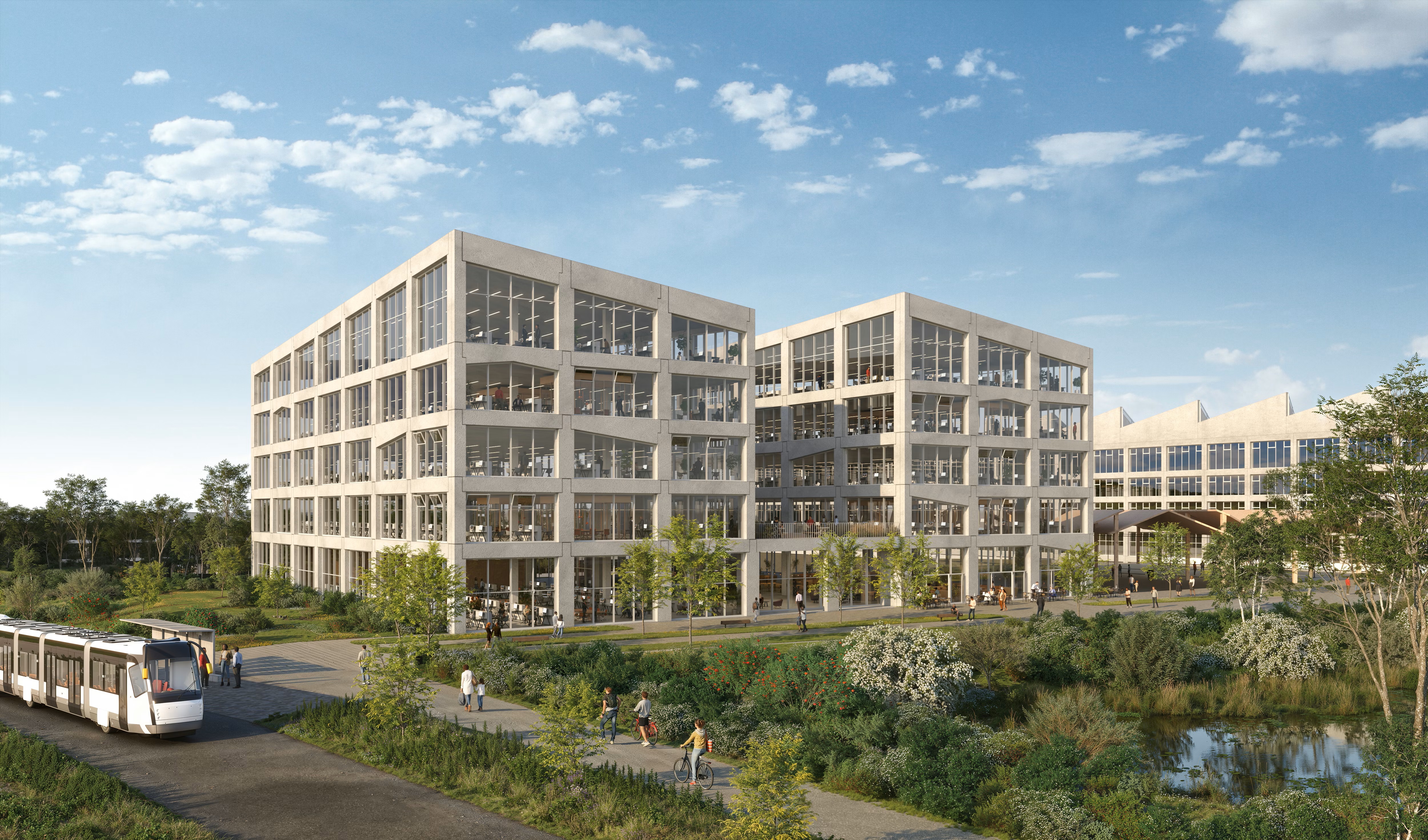
Health is understood in its broadest sense, encompassing physical, mental and social well‑being. As people spend most of their time indoors, buildings should do more than provide shelter; they should actively support user comfort and health. When designing the indoor climate, Sweco’s engineers paid close attention to temperature, humidity, air movement and air quality.
Abundant natural daylight, validated through daylight simulations, enhances visual comfort.
- Inclusion
Universal accessibility is embedded in the design through inclusive choices such as ramps and clear signage. Thoughtful wayfinding ensures the site is intuitive and easy to navigate for all users.
- Environment and biodiversity
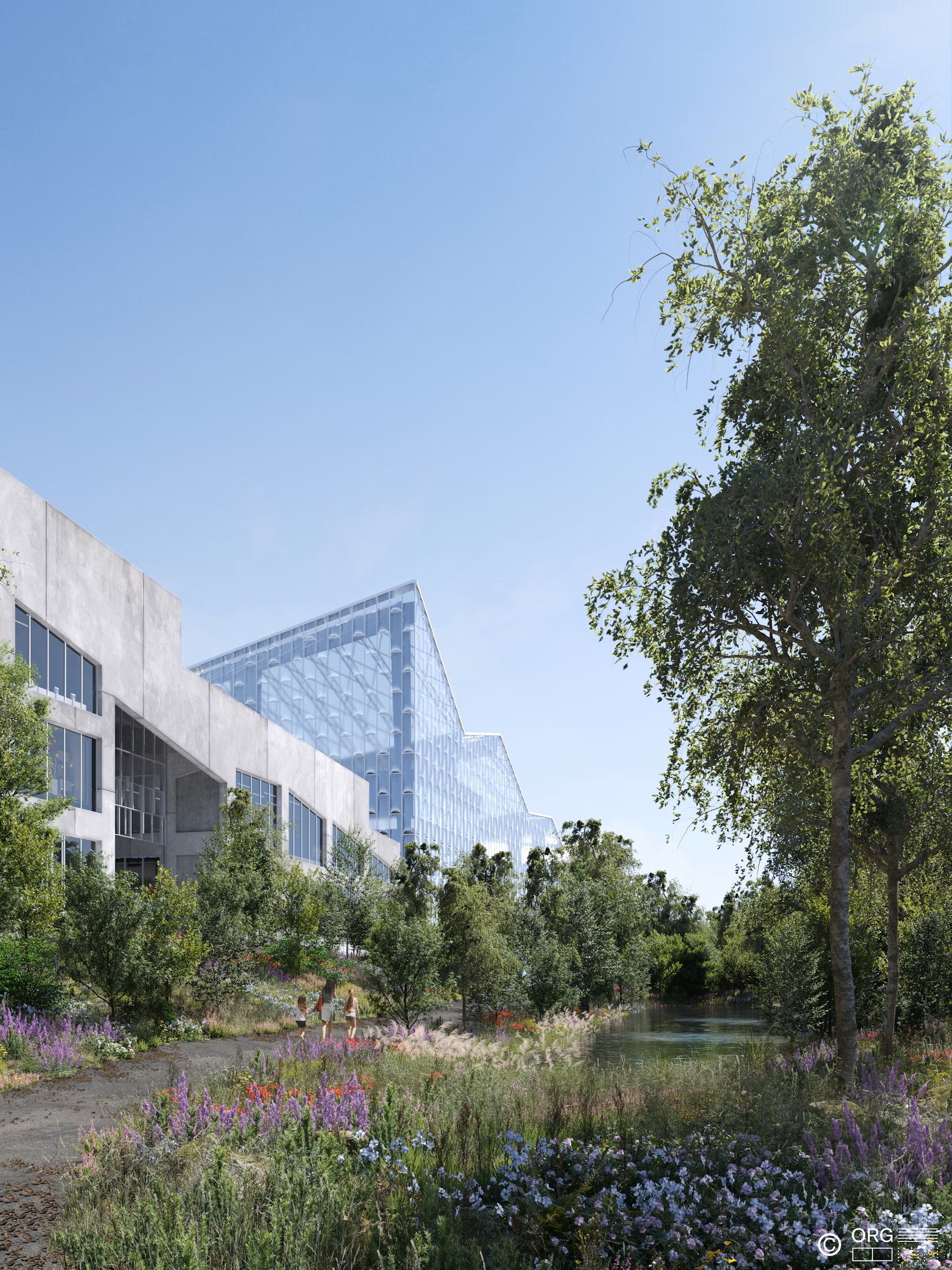
The former brownfield site has been transformed into a rich ecological landscape with strategically positioned green zones. Sweco’s infrastructure experts supported landscape architect Bas Smets in the technical development and integration of the landscape design.
The roof of Hall 4 is seeded with grasses, while façades incorporate greenery. Valley landscapes with pioneer and climate‑resilient trees connect public areas, complemented by larger forest zones focusing on native species. Water landscapes, including ponds and wadis, enhance biodiversity through water‑loving plants. Indoors, biophilic design elements such as planters, shrubs and houseplants further strengthen the connection with nature.
Safe shopping and working
Fire safety is a defining aspect of the design, given the scale and multifunctional character of the project. Sweco’s fire safety consultants assessed the development using a performance‑based approach, examining where the design deviates from prescriptive fire standards and evaluating the implications for user safety, structural integrity and environmental impact.
Their assessment covered fire detection, firefighting systems (including sprinklers), smoke and heat extraction, evacuation strategies, fire resistance, compartmentation and accessibility for emergency services. Using advanced simulations, evacuation scenarios were analysed in terms of ventilation, temperature and visibility. The design comfortably meets the required safety margins.
Acoustic comfort in a multifunctional environment
Façade insulation limits external noise intrusion, which is particularly important given the site’s proximity to major traffic routes and a nearby airport. In buildings accommodating events or recording studios, box‑in‑box constructions are used to minimise sound transmission and prevent disturbance to other users or the surrounding community.
Throughout the rest of the development, precise acoustic separation is provided between different functions. High‑performance floating floors and sound‑insulating walls prevent noise transfer between offices, meeting rooms and leisure spaces. Finally, the careful design of voice alarm systems ensures clear and intelligible communication during emergencies, adding an essential layer of safety to the acoustic strategy.
visualisations ©ORG Permanent Modernity