
Sweco Belgium
How can a village grow without losing its identity?
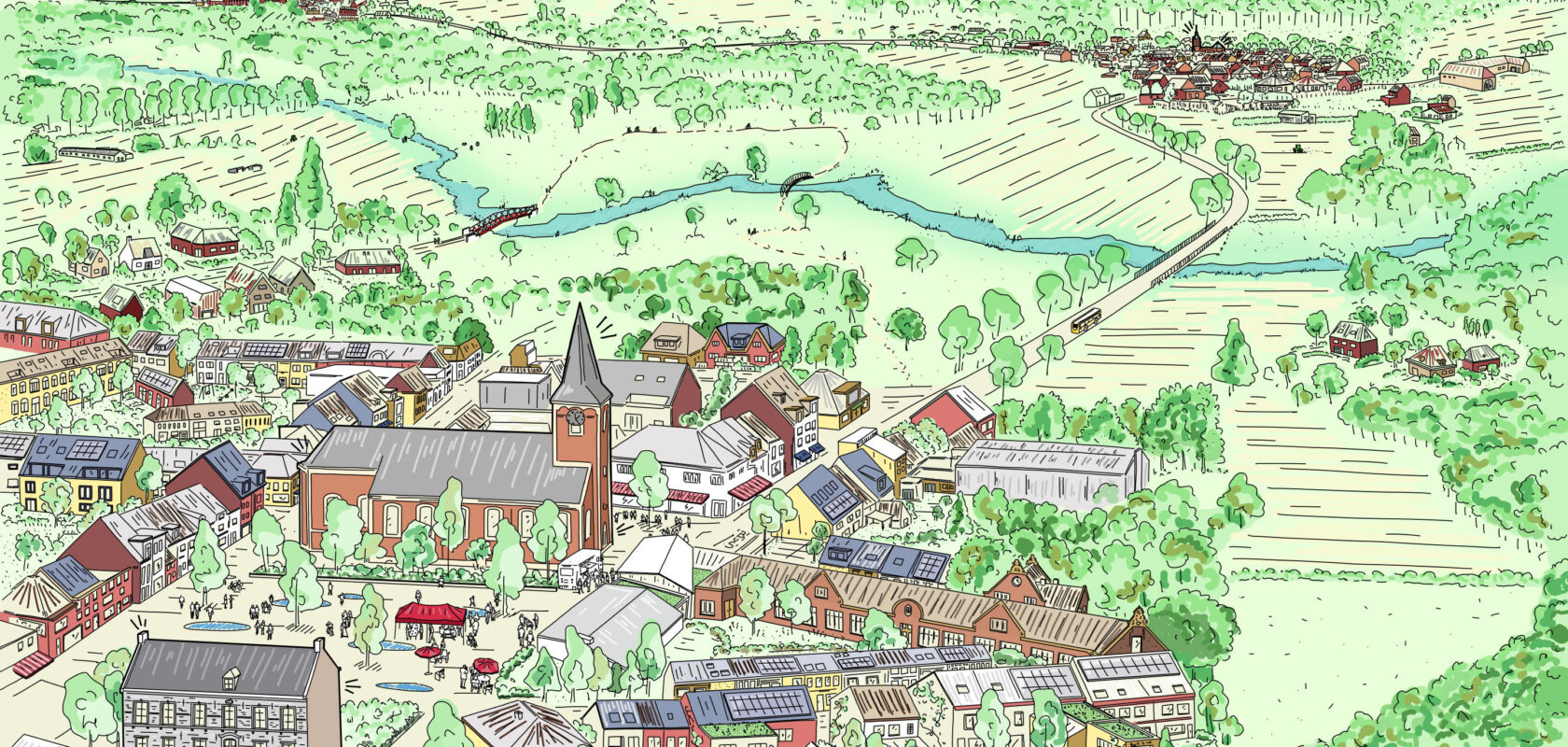
Major spatial transitions are not limited to cities. Villages, too, are grappling with housing needs, climate change, accessibility, ageing populations and social cohesion. Yet villages are still too often approached as places that must either be preserved or grow according to urban models. Neither answer is enough.
Villages need a development model of their own: selective, rooted in the landscape and focused on proximity. In this Expert Talk, Sweco experts in area development and village identity Arnout Vandenbossche, Berno Bosch and Hans Tindemans share their vision on renewing villages without erasing what makes them unique.
The village as a strategic scale for transition
Villages are fully fledged living environments with their own spatial logic: a direct relationship between the centre and the landscape, close social networks, a recognisable scale and facilities that are often vulnerable yet vital. This is precisely why they form a strategic scale for spatial transition.
The question is not whether villages will change. They already are. Households are becoming smaller, housing needs more diverse, mobility is changing, and the effects of heat, drought and flooding are becoming tangible. The real question is whether we allow that change to happen as a collection of isolated projects or guide it through a shared vision for the village as a whole.
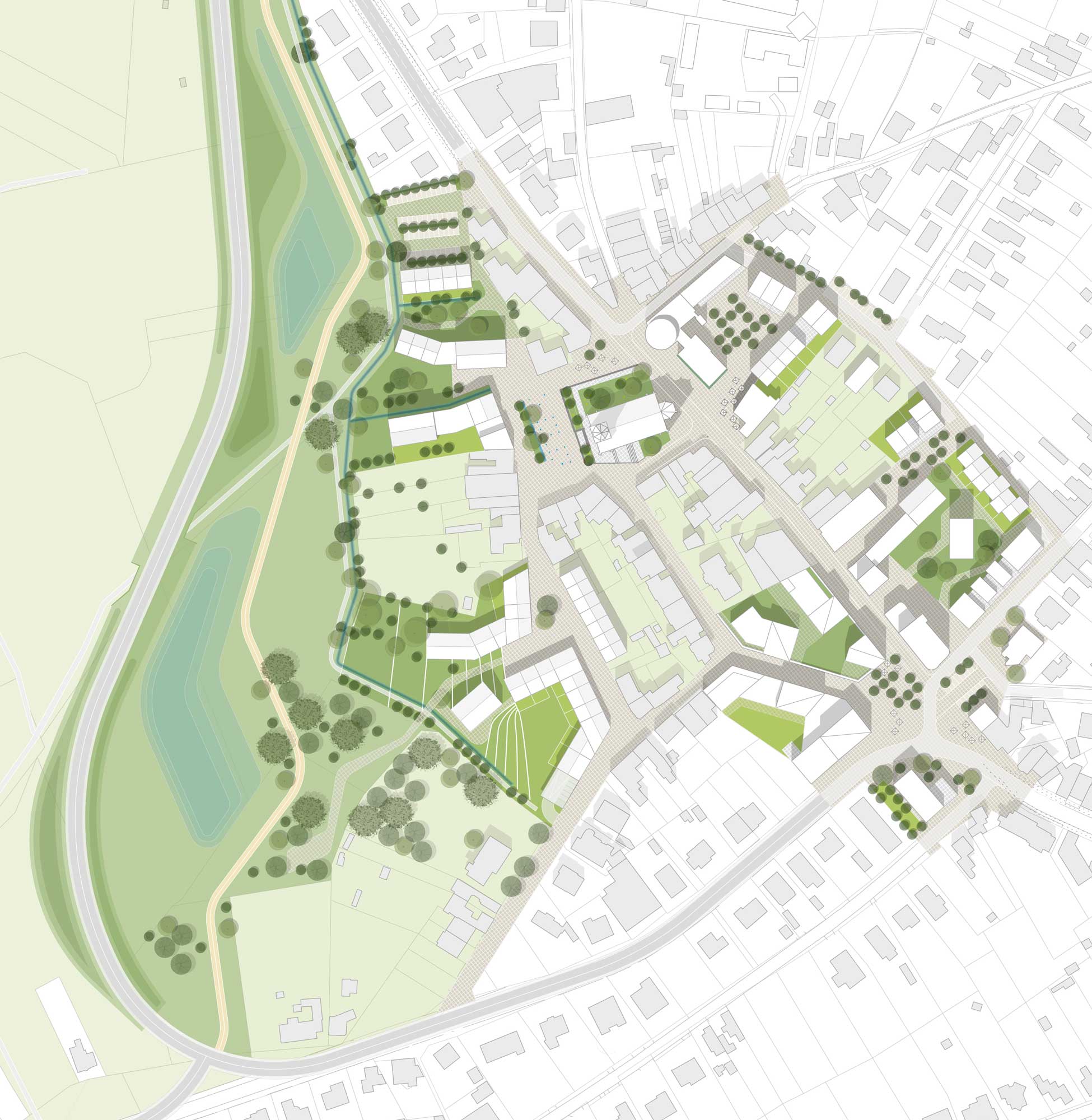
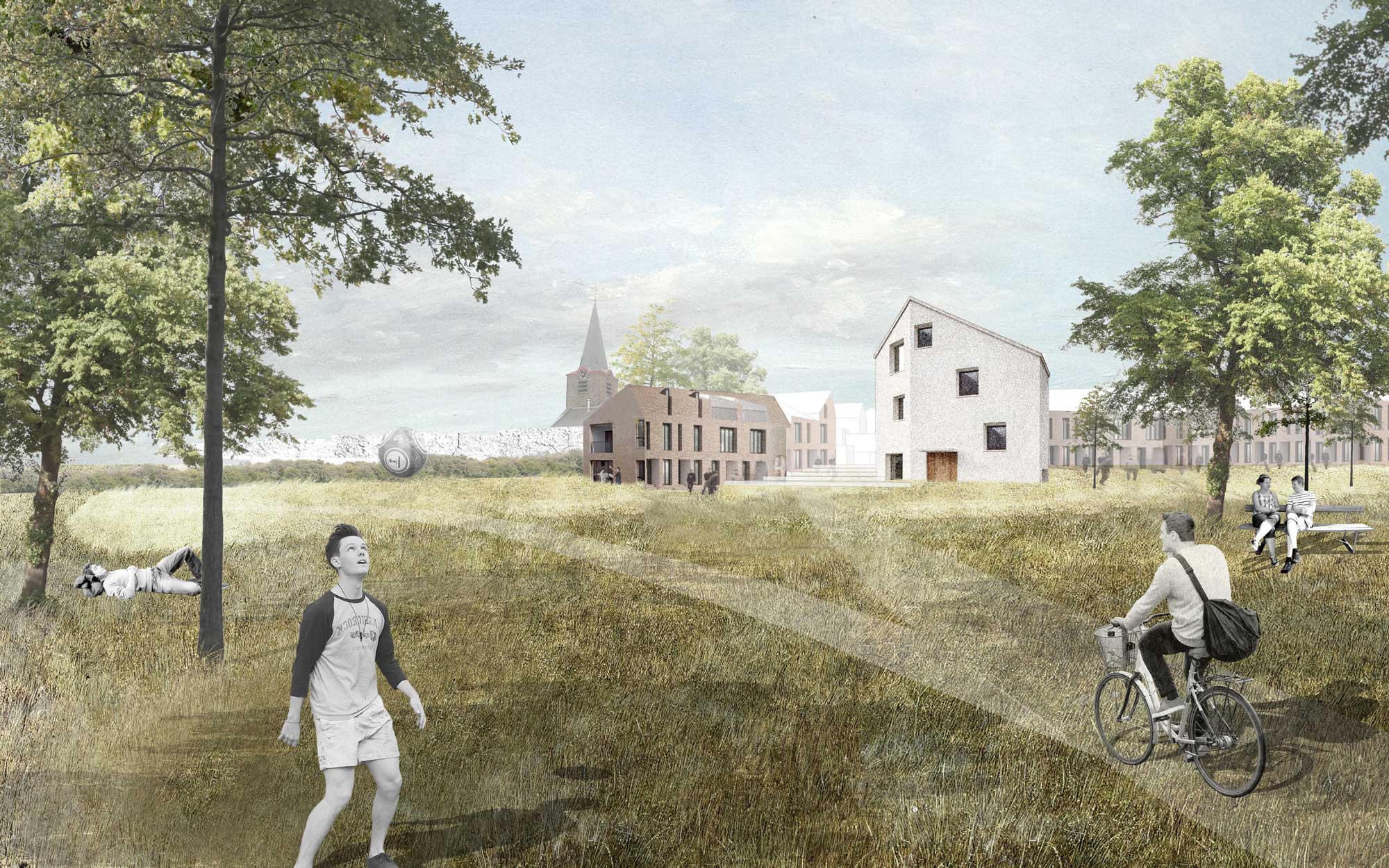
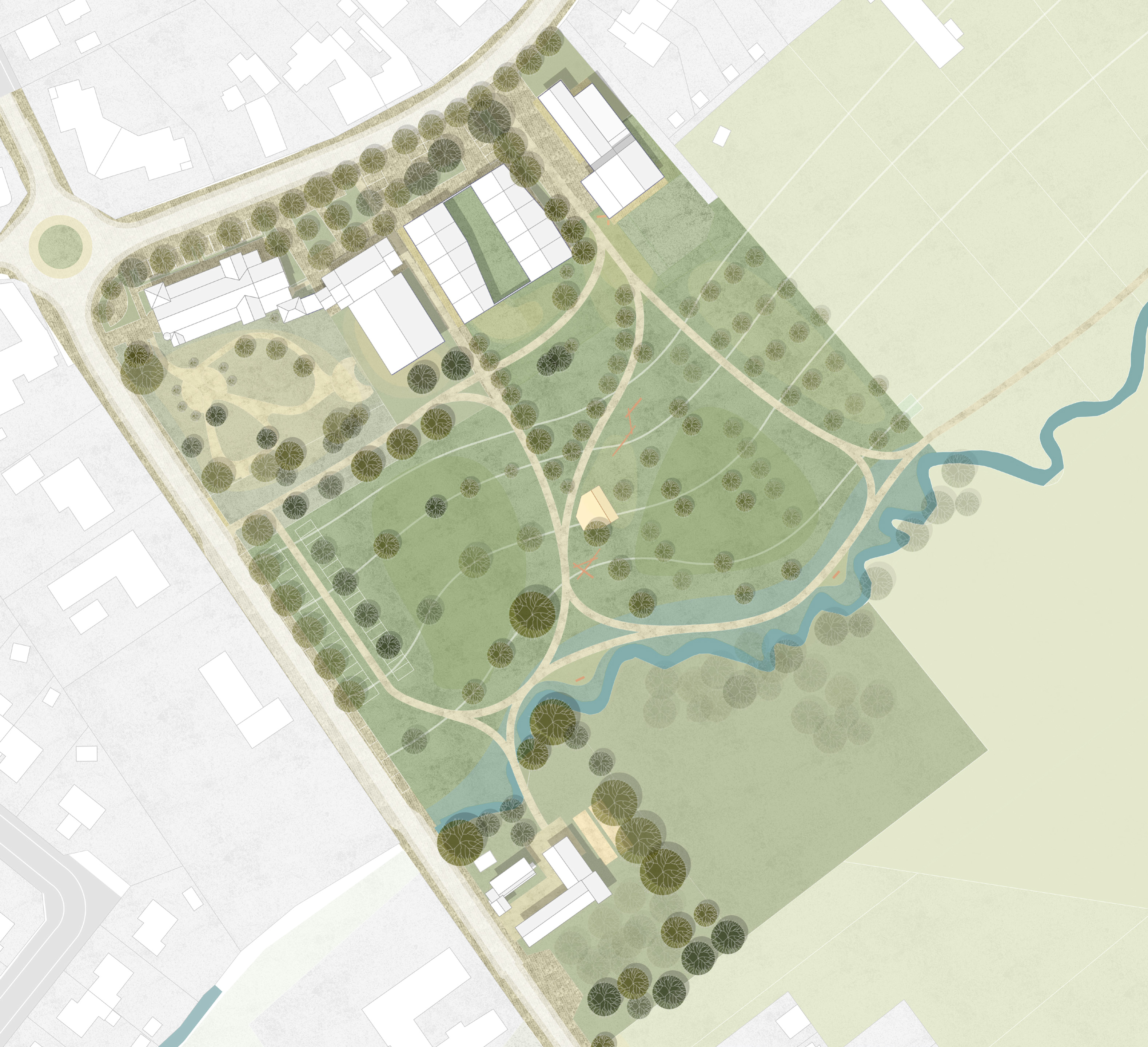
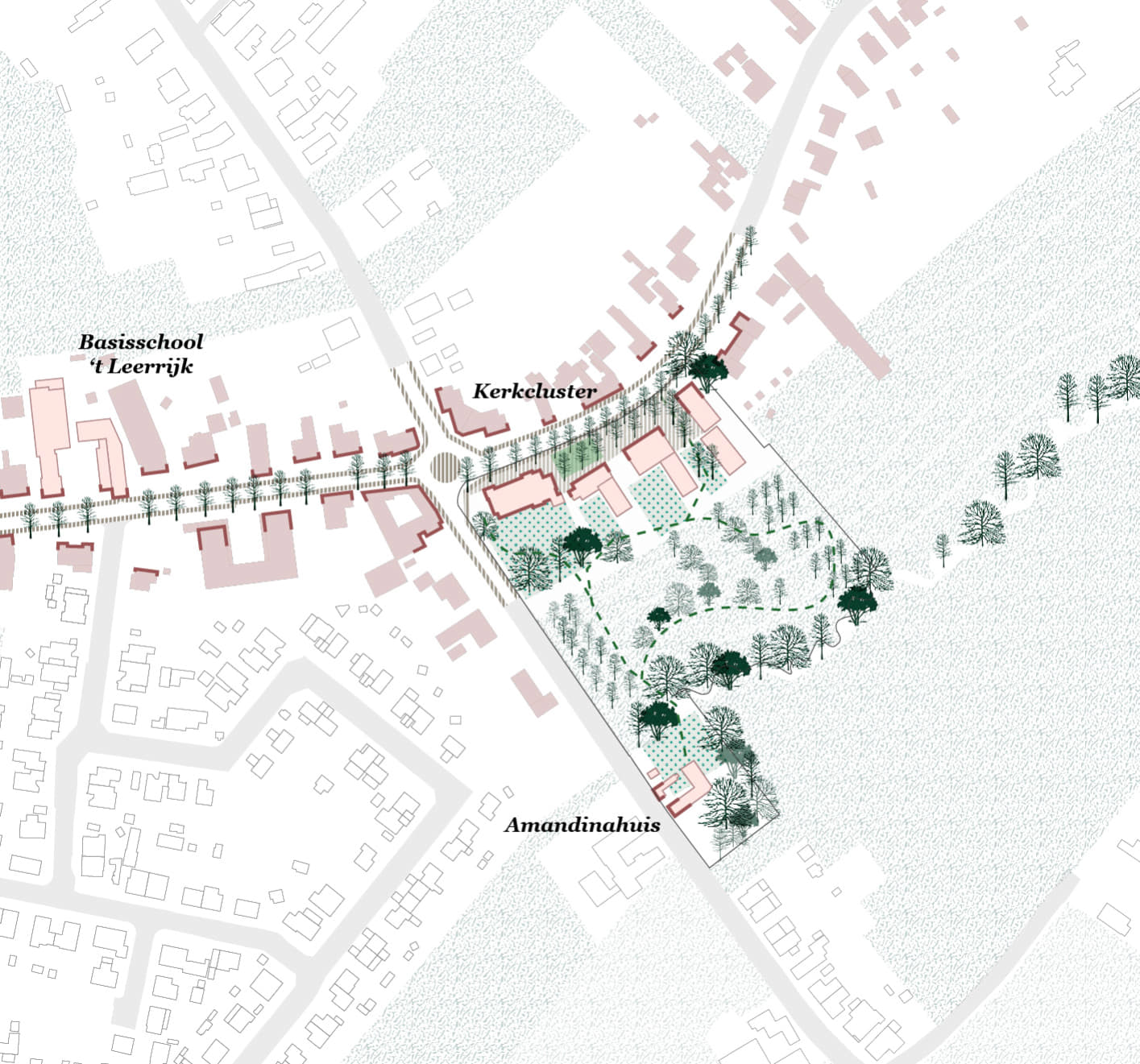
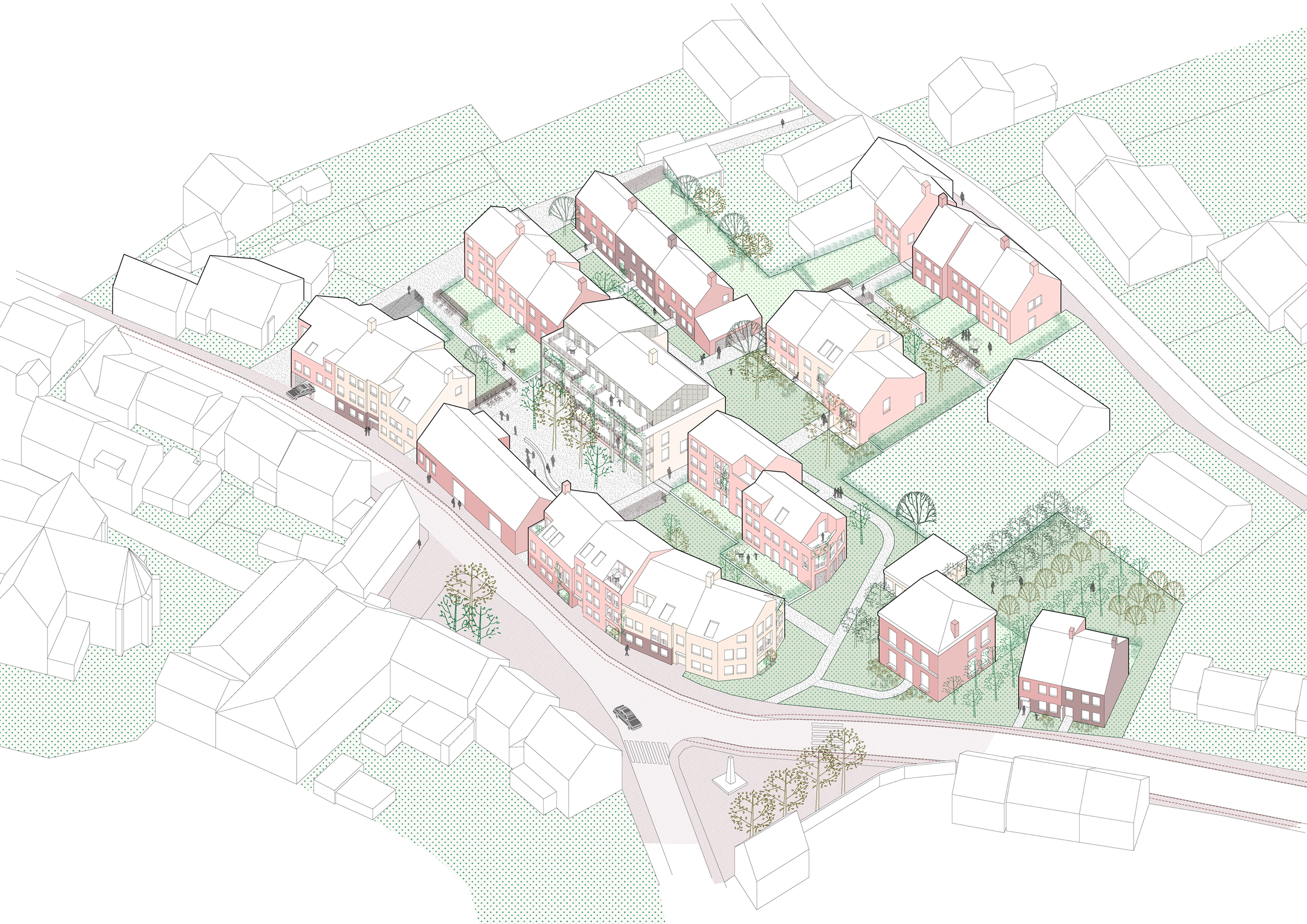
Area development starts with what is needed to strengthen the entire village. In Ten Aard (Geel), for example, the redevelopment of the historic Bloemmolens site is being used not only to add new homes but also to recreate a village heart. Different volumes build on the existing grain, while the village square, Bloemenpark, the canal dyke and the industrial past shape the collective identity and provide the public framework for the development.
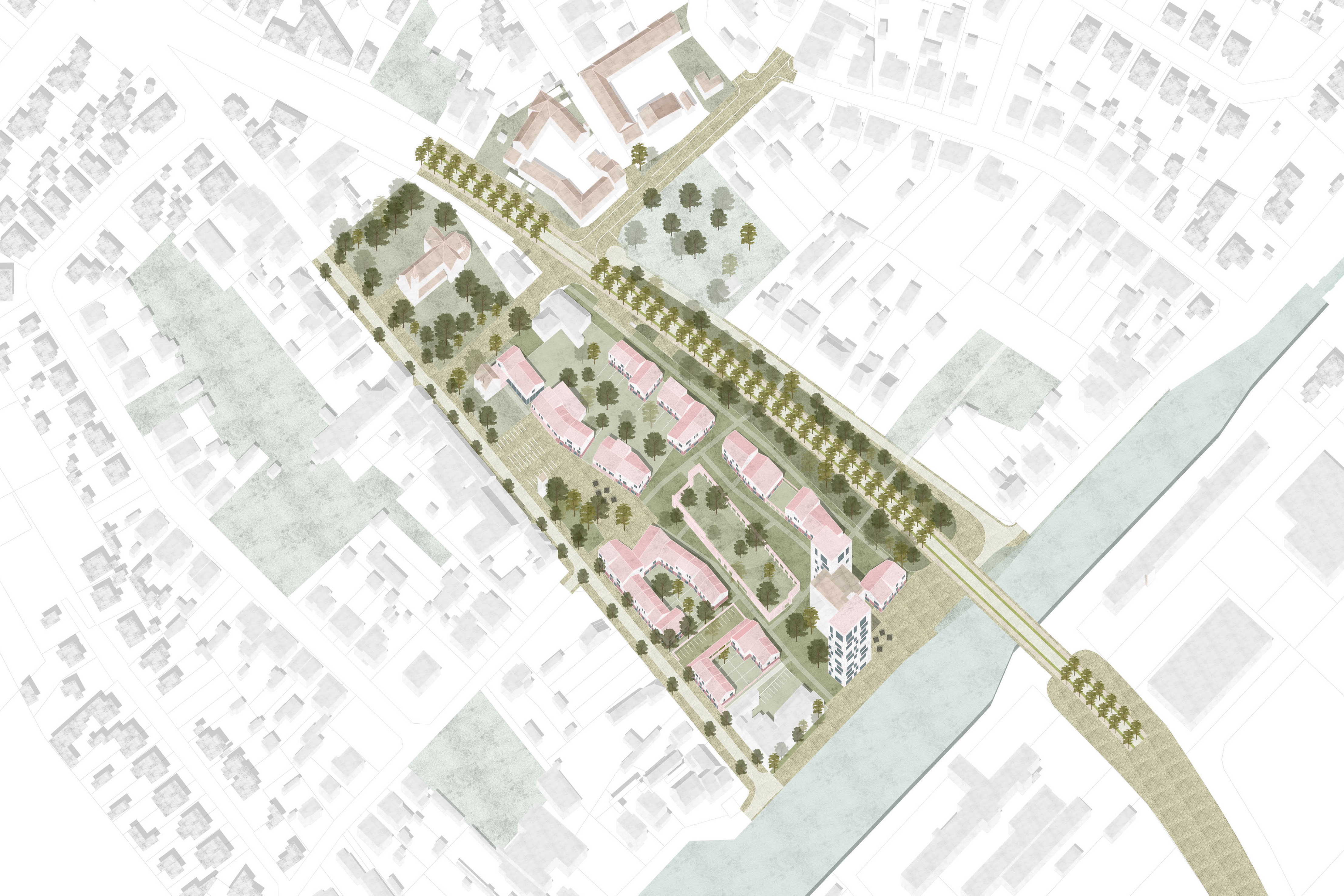
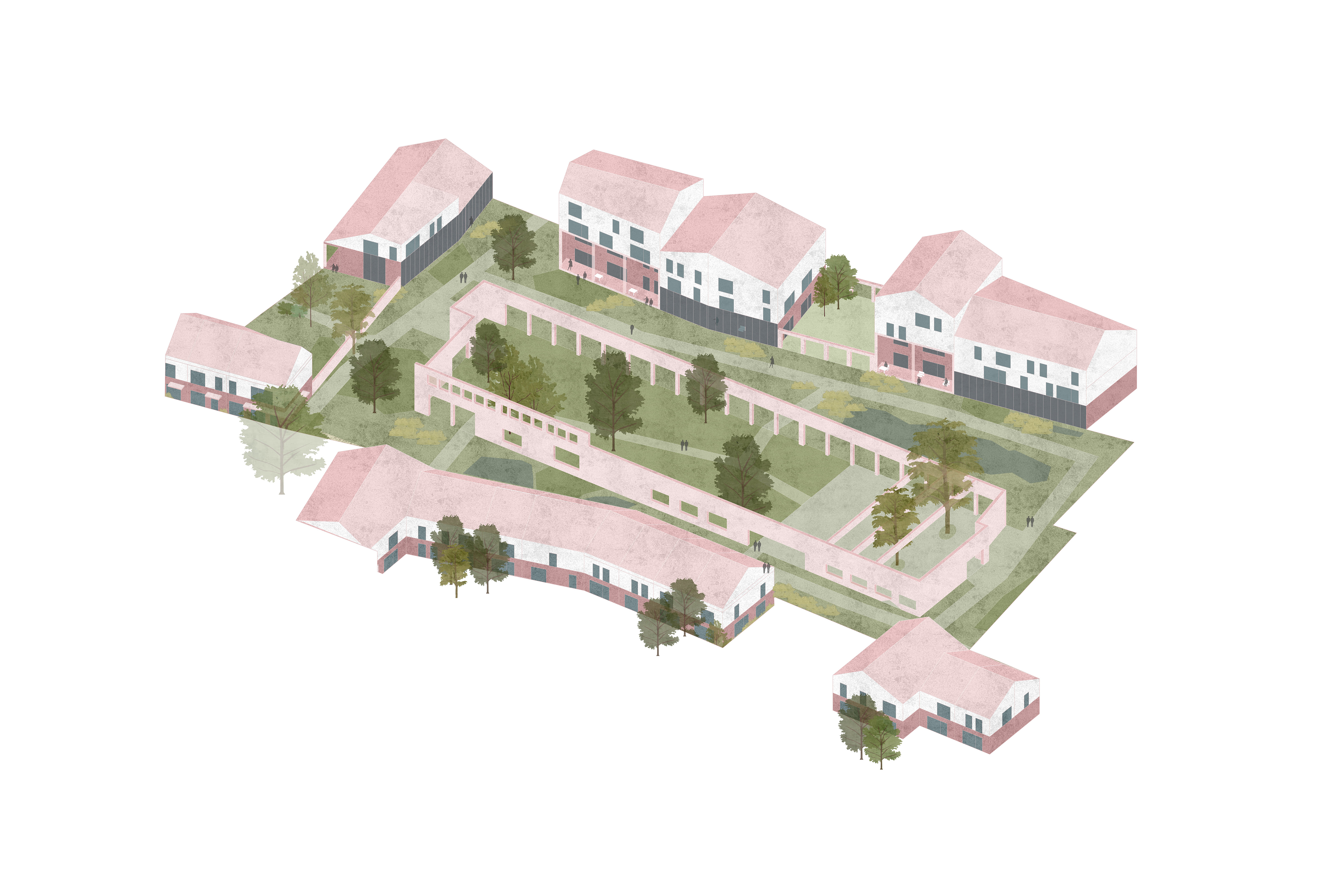
“In Ten Aard, we used the planned area development to recreate a village heart, with public spaces connecting the existing village and the new neighbourhood.”
Arnout Vandenbossche, urban designer at Sweco
Village identity is not an image, but a relationship
A village does not become ‘village-like’ through façade materials, pitched roofs or nostalgic design. Village identity emerges from the relationships between buildings and landscape, public space and daily routines, familiar places and the community that uses them. It lies in the scale of a street, the transition from yard to square, a view towards the landscape and the opportunity to meet naturally.
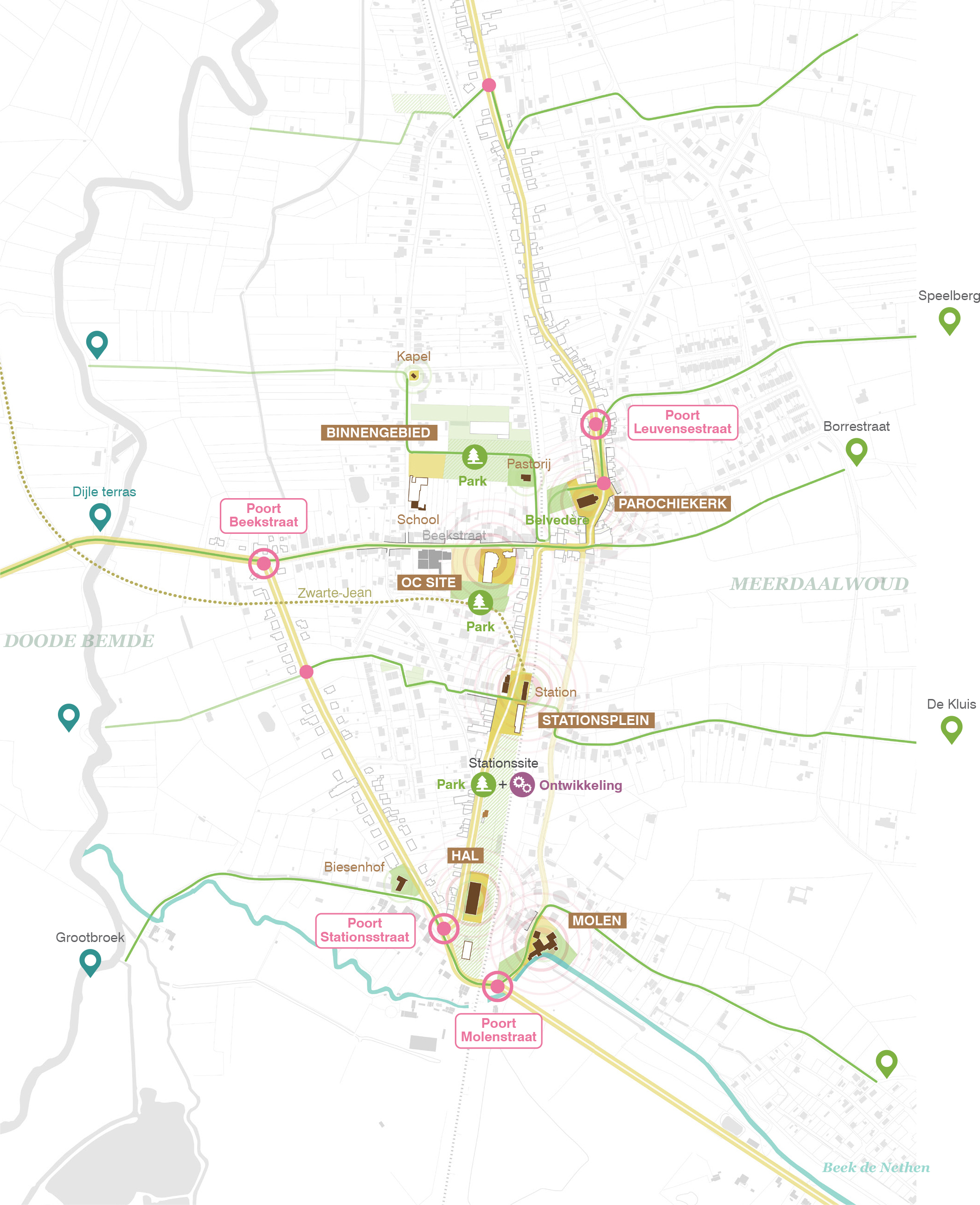
Good design therefore begins with reading the place: its historical structure, scale and grain, topography, blue-green network, heritage, routes and informal uses. We applied this approach in Sint-Joris-Weert. Green village gateways make the centre recognisable, landscape routes connect the Dijle valley with Meerdaal Forest, and heritage and defining ensembles take a prominent place in the spatial structure as carriers of identity. The landscape becomes a structure that helps organise the centre.
“Village identity is not a style you can copy. It emerges when new development builds on the relationships that make a place recognisable and liveable.”
Hans Tindemans, strategic planner at Sweco
Proximity matters more than density
The debate on village development is often reduced to density: how many homes can a centre accommodate? But density alone says little about quality. Proximity is the better measure: can residents naturally combine housing, amenities, greenery, social interaction and sustainable mobility?
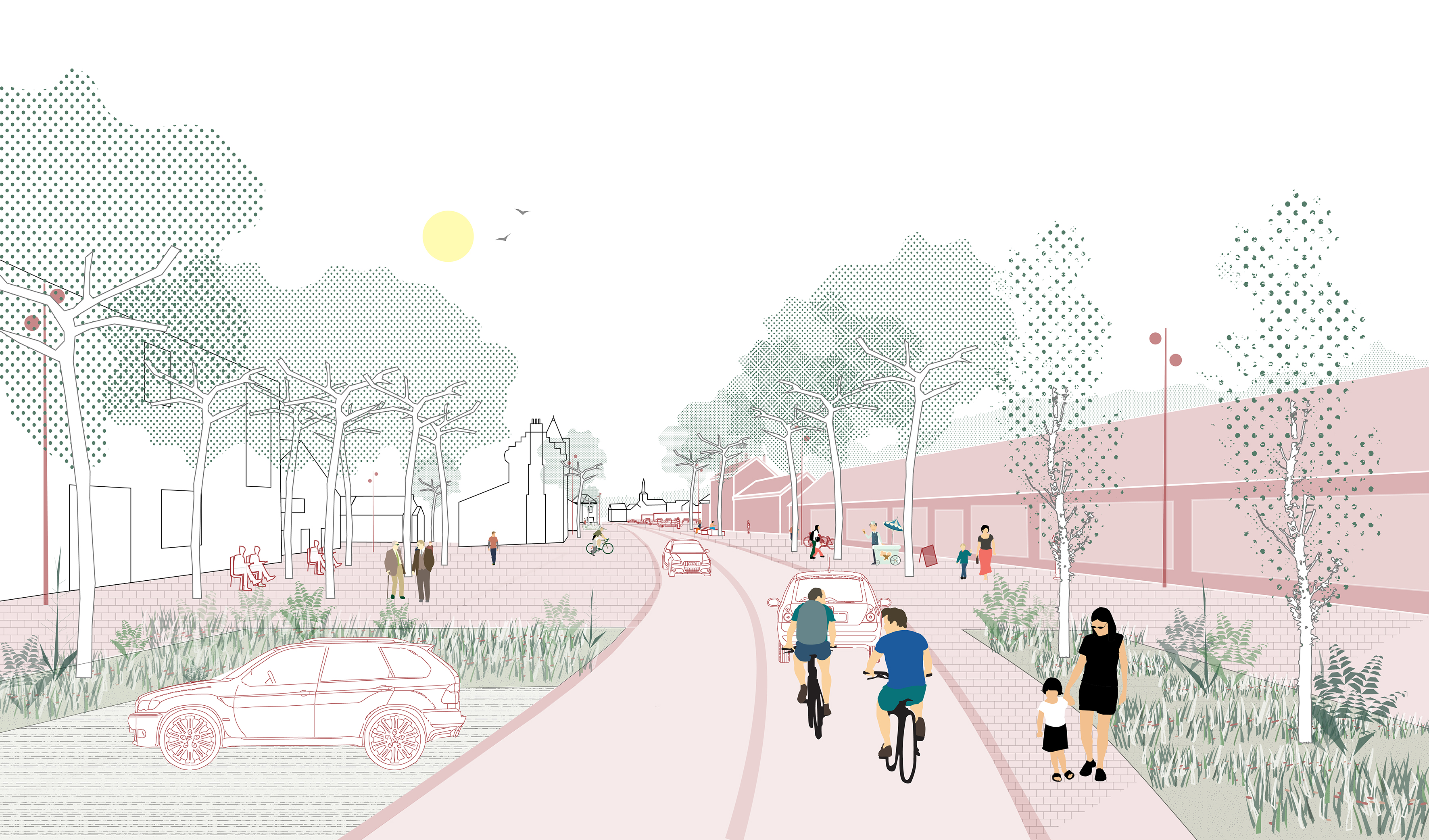
Selective densification can support shops, public transport and local services, provided it strengthens the existing structure. In the spatial quality plan for Linden, we therefore link targeted growth to the restoration of historical and landscape structures, road safety and concrete design guidelines. Growth thus becomes a lever for strengthening the centre, rather than for generic apartment development.
Public and semi-public space support village life
A future-oriented village needs places where communal life can take shape. Not only public space, but also semi-public meeting places near schools, sports clubs, shops or terraces play an important role. These accessible ‘third places’ allow people of different ages and backgrounds to meet informally and spend time together. They help determine whether children can move about independently, older people can participate, and local amenities remain visible and accessible.
This requires a network of complementary places rather than one isolated square. In Rotselaar, mobility, landscape and centre development come together around three structures: the valley edge, the main route and the quiet zone. Together, they create a connected village landscape with housing, play areas, green open spaces, wider pavements, peripheral parking, a low-traffic village centre, stronger retail and a sequence of squares and places.
Participation is also part of that social infrastructure. Local knowledge reveals informal uses, vulnerable places and unexpected opportunities. Involving residents leads to better spatial choices.
From isolated projects to long-term direction
The greatest threat to village quality is fragmented change. When housing, roads, public space and amenities are each developed according to their own logic, the cohesion that makes a village recognisable disappears.
Long-term direction is therefore essential. Master plans and spatial quality plans must be translated into planning instruments, design guidelines, phasing and support for design teams. In Sint-Joris-Weert, for example, the ambitions and spatial strategies were converted into concrete design principles for green central axes, landscape routes and defining ensembles, ensuring that the vision remains intact through implementation. The spatial vision ties in with the broader ‘Sint-Joris-Weert Transformeert’ project. The spatial quality plan combines densification and amenities in an accessible centre with safer public space and the preservation of surrounding open space.
Sweco’s approach connects built-up and open space with mobility, ecology, water management, property assets, financial feasibility, procedures and stakeholder management. After all, area development is about organising public and private investment around a shared vision for the future.
The village compass: eight principles for area development in villages
- Read what is already there. Map the landscape, heritage, scale and everyday use before making new choices. Start from the village’s unique DNA.
- Preserve what is valuable. Protect open space, heritage assets, recognisable structures and amenities that shape the village’s identity and liveability. Heritage should be seen not only as something to preserve, but also as a lever for high-quality, future-oriented village development.
- Reconnect what has become fragmented. Reconnect public places, amenities, active mobility and the surrounding landscape. Many villages still derive their identity from their close relationship with the landscape. Alongside historical links, new opportunities for the future should also be explored.
- Strengthen what creates proximity. Invest first in public space, local functions and meeting places that support everyday life. See the village not as an isolated entity, but as part of a network of centres that complement and reinforce one another.
- Add selectively. Only then introduce new homes and functions, in places where they demonstrably strengthen the centre and its amenities. Village-friendly construction practices are essential.
- Improve quality of life through climate adaptation. Depaving, greening and better water management simultaneously create higher-quality public space and strengthen the village’s social and spatial liveability.
- Put people first. Working with local residents, authorities and other stakeholders creates a supported process that responds to the village’s real needs, opportunities and ambitions.
- Safeguard quality through to implementation. Embed the shared vision in instruments, phasing, cooperation and long-term guidance.
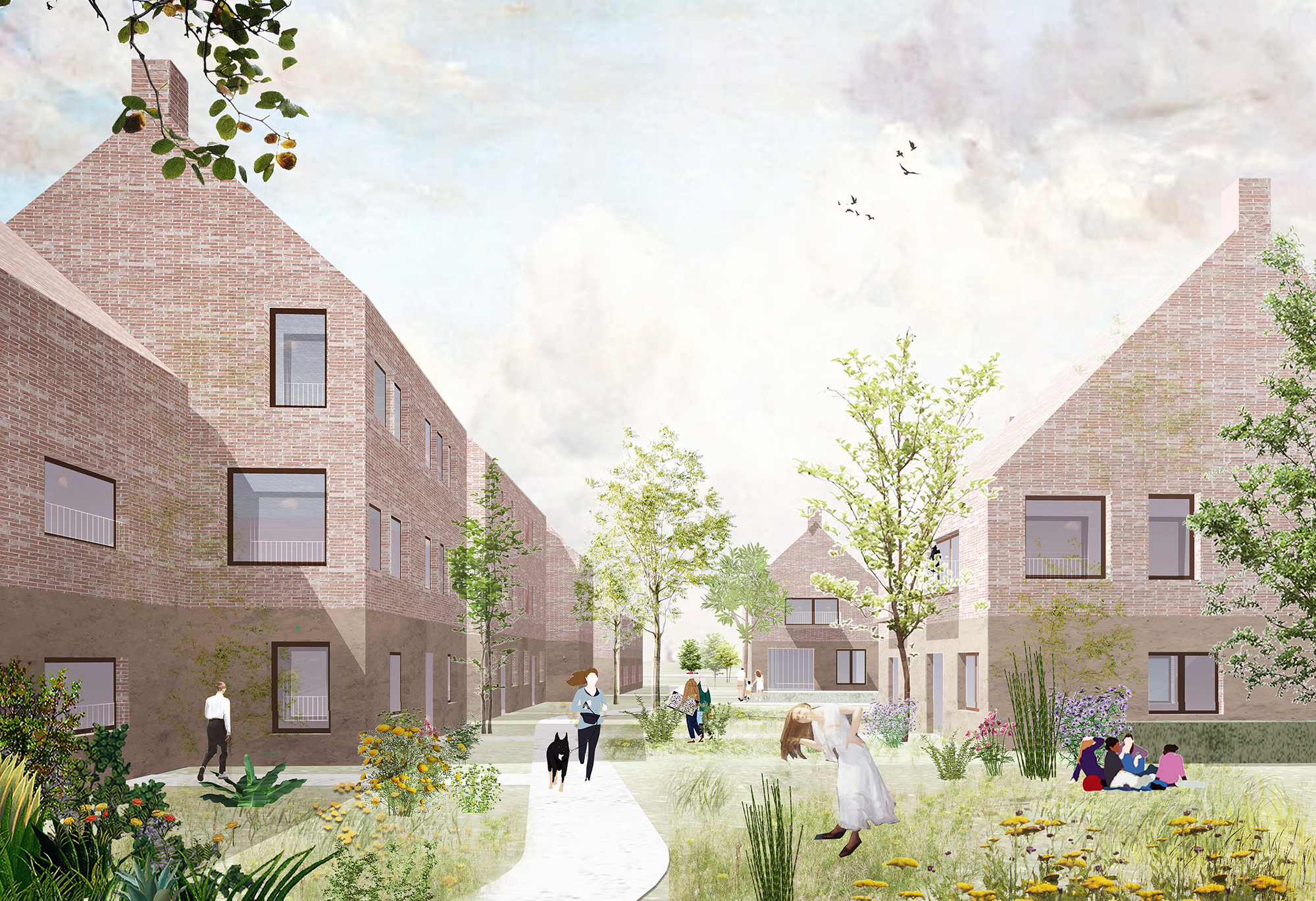
Not preservation or urbanisation, but targeted transformation
Villages such as Ten Aard, Sint-Joris-Weert, Linden and Rotselaar each require a different answer. Their principles can be transferred, but the design must remain tailor-made. We do not need to freeze villages to preserve their identity, nor do we need to make them grow according to urban models.
We must use change purposefully to strengthen both proximity and recognisability, restore the relationship between village and landscape, support amenities and enable new forms of housing.
Other News
Xenon at Park 7 achieves WELL Platinum certification: when a building actively supports health and well-being
Read more
How can a village grow without losing its identity?
Read more
Südspidol takes a major step towards the people-centred hospital of tomorrow
Read more