
Sweco Belgium
New federal rules for radioactive soil contamination: are you prepared?
Radioactive soil contamination requires a well‑considered, multidisciplinary approach. Sweco combines in‑depth expertise in radioactivity and radiation protection with many years of experience in soil investigations, soil remediation, landfills and isolation techniques. This enables us to guide you from the initial risk assessment to safe and feasible solutions, always tailored to your technical and financial context.
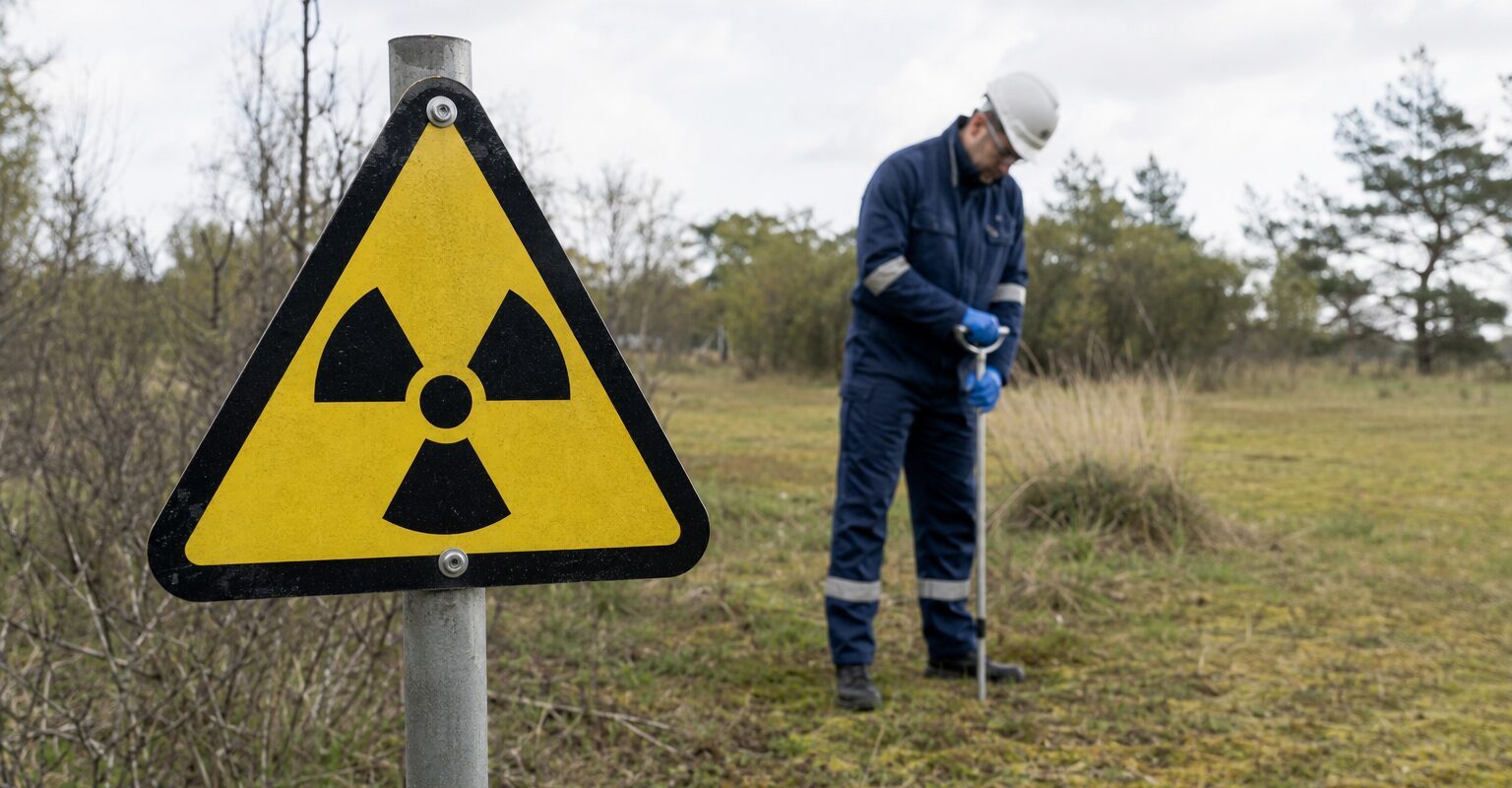
Cover image: AI generated image, © Sweco
Obligations for companies and public authorities
With the Soil Remediation Act (WSB) of 20 November 2022 and the Royal Decree of 26 June 2024, Belgium now has a new and clear legal framework for soils contaminated with radioactive substances. The legislation clarifies how federal and regional competences interact and what role recognised experts play.
What does this mean in practice for you as a company, public authority or site manager? When are you obliged to carry out investigations? And how do you handle this correctly? In this article, we clearly outline the new rules and their impact.
Why new federal rules for radioactive soil contamination?
Since the St. Michael’s Agreement (1993), environmental policy has been a regional competence, while protection against ionising radiation has remained a federal responsibility. In practice, this division has long caused uncertainty: how exactly should radioactive soil contamination be addressed?
Through ARBIS (Article 72/1), the Federal Agency for Nuclear Control (FANC) already had the task of developing protection strategies for contaminated zones. However, soil contamination was never concretely defined. With the Soil Remediation Act and its implementing Royal Decree, this gap has now been closed, creating a clear framework that connects federal and regional responsibilities.
Soil Remediation Act and Royal Decree: what exactly changes?
The Soil Remediation Act and the accompanying Royal Decree clearly define how soils with radioactive contamination must be investigated and, if necessary, remediated. Central to this is the introduction of the recognised expert in soil contamination. The FANC can require you to carry out an exploratory soil investigation, which must always be conducted under the supervision of such a recognised expert.
Based on the results, the expert assesses whether a descriptive investigation and possible remediation are required. He or she manages the remediation project, supervises the works and ensures the mandatory reporting. Throughout the entire process, there is close consultation with the FANC. Where radioactive waste may arise, NIRAS is also involved to provide advice.
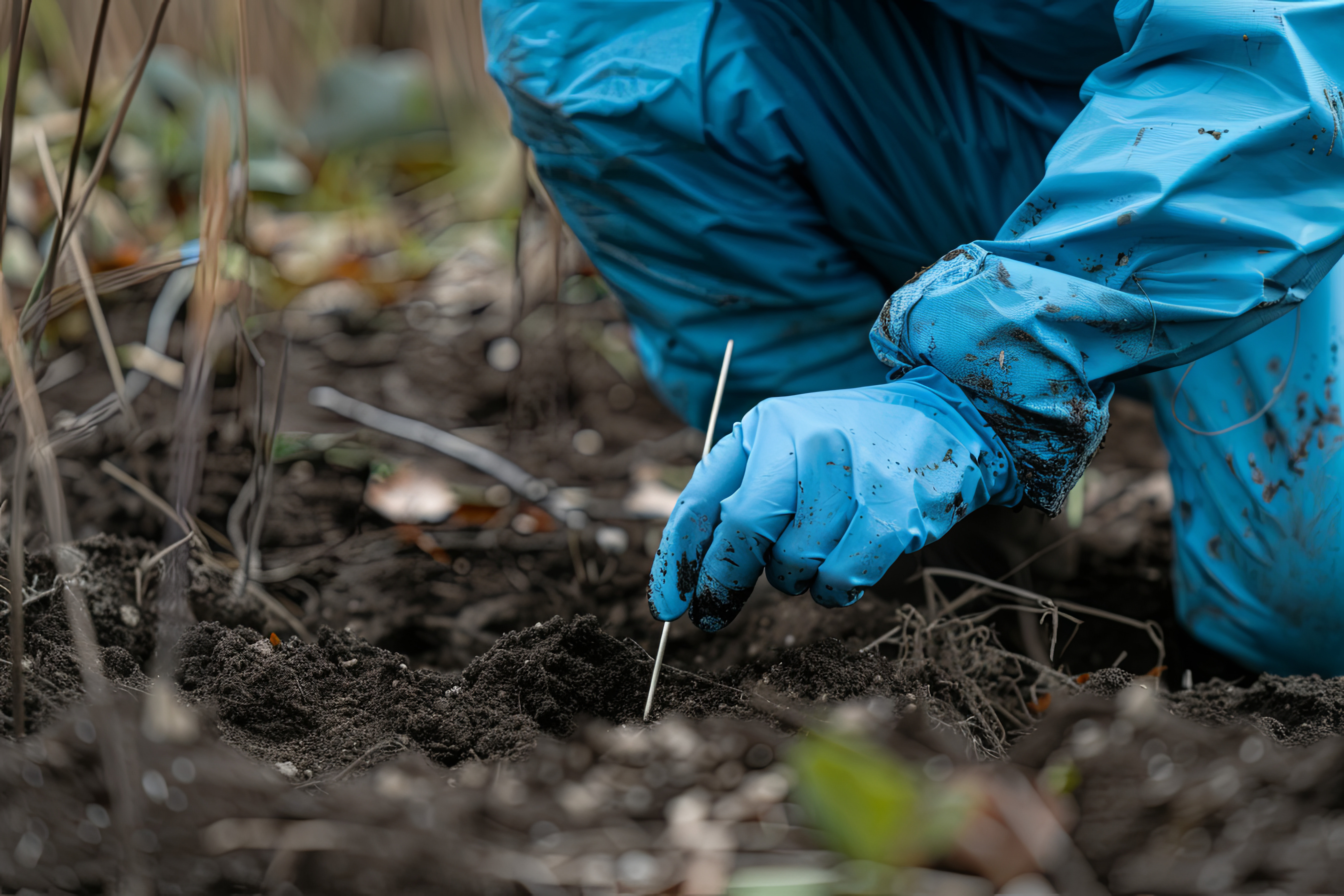
Photo: © AdobeStock
The role of the recognised soil expert
A key element of the new regulations is the introduction of the recognised expert in soil contamination. This recognition aligns with existing regional recognitions as a soil remediation expert in Flanders, Brussels and Wallonia. Sweco is recognised in all three regions and therefore has the right foundation to act for you within this federal framework.
In addition, a specialised supplementary training course is required, focusing on radioactivity and radiation protection. This training is provided by experts from organisations such as SCK‑CEN, ISIB and the FANC, and offers a solid theoretical basis in nuclear physics, radiation protection, radionuclides in the environment and the safe handling of radioactive materials. The theory is complemented by practical exercises and field measurements.
Within Sweco, Marc Vankerkom, Team Manager Soil & Environment and industrial engineer in nuclear energy, passed the examination to become a recognised expert in soil contamination.
Which sites are at risk of radioactive soil contamination?
The new legislation is particularly relevant if your site has historical links to activities involving radioactive substances or materials with Naturally Occurring Radioactive Material (NORM).
This includes, among others:
- Phosphate production (e.g. Rhône‑Poulenc, UCB, Prayon, Tessenderlo Chemie)
- Radium and uranium extraction (Union Minière, Umipray)
- Nuclear industry (SCK‑CEN, BelgoProcess, Belgonucléaire)
Historical pollution: an underestimated risk
Industrial processes can concentrate radionuclides in residual products. In the past, these were often dumped or discharged, leading to:
- historical landfills containing radium, uranium or phosphogypsum;
- soil and (water) sediment contamination due to former discharges into watercourses.
Today, these sites are being systematically investigated and, where necessary, remediated.
Radioactivity: closer than you might think
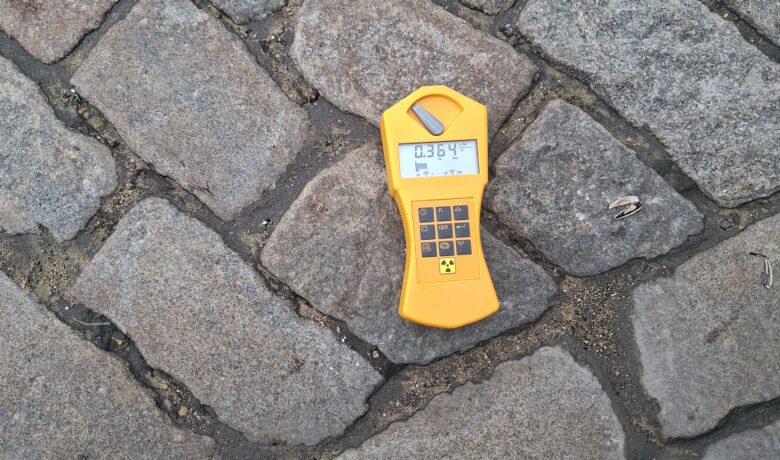
Radioactivity is not only associated with industry or nuclear installations. It is also present in everyday life. A well‑known example is Palace Square in Brussels, where granite cobblestones exhibit naturally elevated radioactivity.
The average background radiation in Brussels is about 0.1 µSv/h, while the cobblestones locally reach up to 0.3 µSv/h. This remains well within safe limits. Attending the Royal Military Parade is therefore perfectly safe. This clearly illustrates the importance of correct interpretation: elevated measurement values do not automatically imply an unacceptable risk.
Photo: radiation measurement with a Geiger–Müller counter, © Sweco
Tackling radioactive soil contamination with Sweco
Although the FANC will formally notify the relevant parties in due course, you can already turn to Sweco for guidance today. Thanks to our combination of strong regional soil expertise, in‑depth knowledge of radioactivity and radiation protection, and experience with remediation, landfills and isolation techniques, we can respond quickly and efficiently within the new federal framework. Always with due regard for your technical and financial reality.
Want to know more about radioactive soils and remediation?
Would you like to know whether the new legislation affects your site? Or do you need a concrete risk assessment? Get in touch with our experts. Together with you, they will determine which steps are required and how Sweco can best support you.
Werner Staes
Business Unit Manager Environmental Services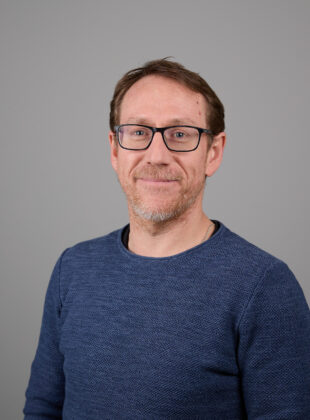
Marc Vankerkom
Team Manager Soil & EnvironmentOther News
How participation turned the tide for the Bossuit–Kortrijk Canal
Read more
Wijnegem embraces its new cycling link over the Albert Canal
Read more
Decarbonisation: the biggest energy gains are not where you think
Read more