
Sweco Belgium
Virtual Reality: experience your project before it is built
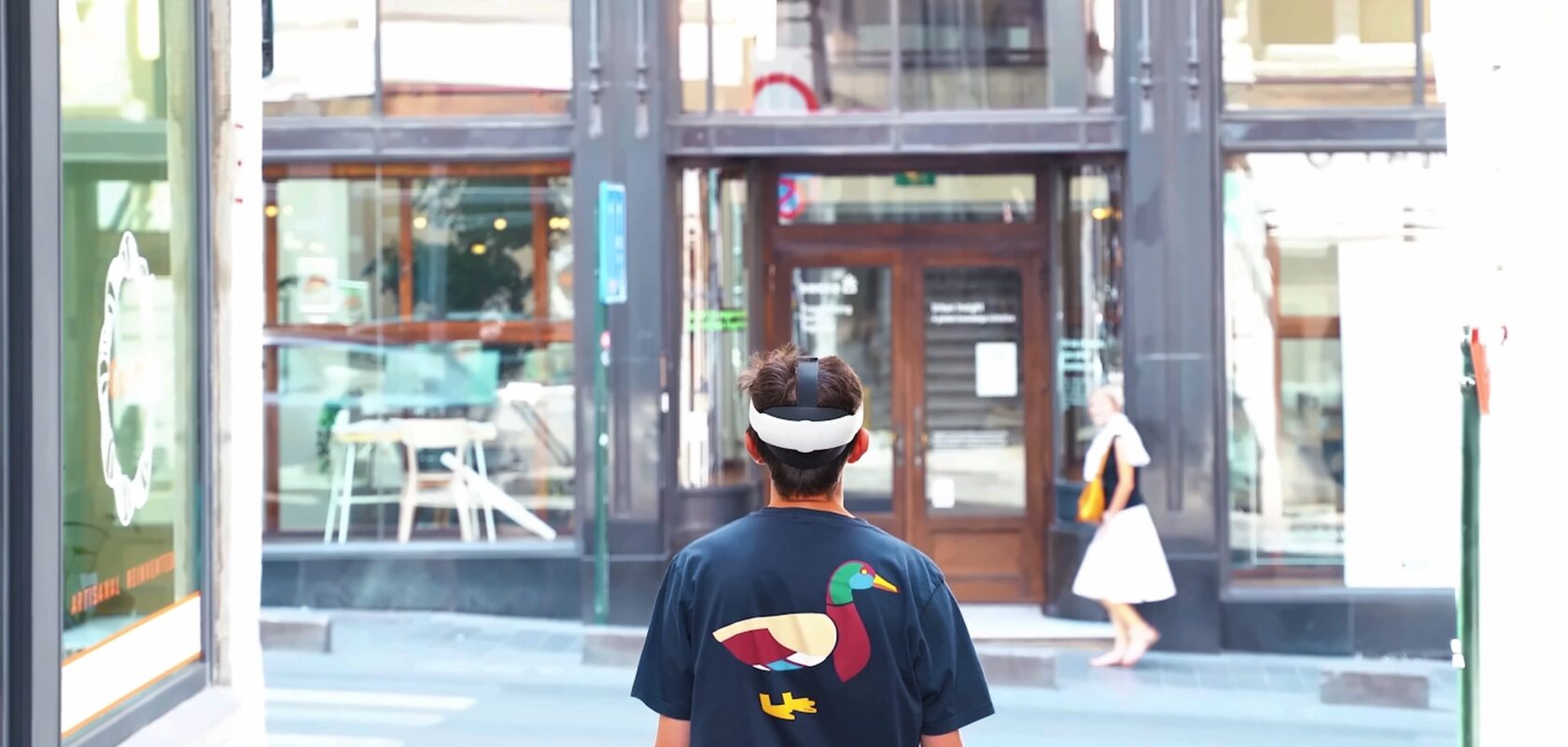
What if you could walk through your project before construction even begins? Experience the size of a room, inspect technical installations or compare different design scenarios as if you were already there?
At Sweco, Virtual Reality (VR) brings digital models to life. It allows engineers, designers and clients to experience projects at full scale, helping them understand complex designs, review technical solutions and make more informed decisions before they become physical reality.
From digital model to real experience
3D models already provide project teams with detailed information about a design. VR takes this one step further. Instead of looking at a model on a screen, users can step inside it and experience the design at a 1:1 scale. This provides a completely different perspective on dimensions, proportions and spatial relationships.
For a client, this could mean experiencing how large a future room will feel or understanding how much space will be available around a workstation. For engineers, it means being able to examine technical elements from different angles and better understand how they interact within the available space. The result is a digital model that becomes much easier to understand, discuss and evaluate.
Better design reviews through VR
VR can support projects throughout different stages of the design process, but it becomes particularly valuable during detailed design.
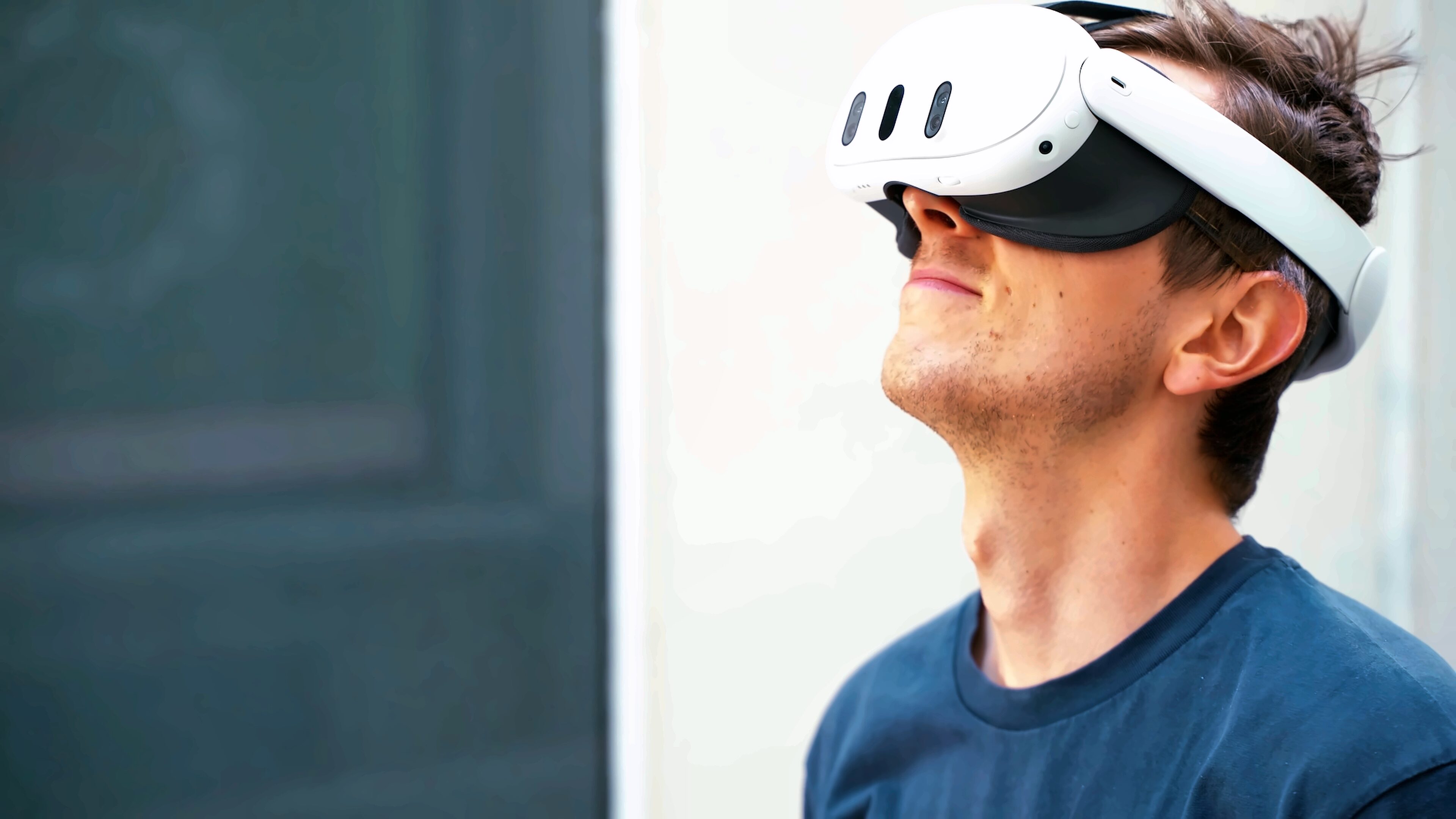
Project teams can enter the model to review technical solutions, explore different scenarios and validate whether the proposed design works as intended. Within Sweco, VR is used for design validation and technical reviews, but it can also support client confirmation and approval during earlier design stages.
This immersive way of working can make complex discussions more tangible.
Instead of trying to explain an issue using plans or a computer screen, the project team can virtually stand in front of it. Everyone sees the same situation from the same perspective, creating a stronger shared understanding of the challenge and possible solutions.
Making technical complexity tangible
The potential becomes particularly clear in technically complex projects. Consider the renovation of an existing building where mechanical, electrical and plumbing systems need to be redesigned within an already defined structure. By bringing these elements together in VR, engineers can explore the model from within, examine technical aspects and compare different scenarios before solutions are implemented on site.
This creates an additional layer within the digital design and review process. Drawings, BIM models and engineering expertise remain essential, while VR provides a more intuitive way to understand their spatial implications.
Bringing clients closer to the design process
For clients, one of the strongest benefits of VR is accessibility. Not every stakeholder works with technical drawings or 3D models every day. An immersive environment makes a design much more tangible. Clients can virtually enter their future building and experience the spaces themselves before construction starts. That changes the type of conversations project teams can have.
Does this room feel large enough? Is the layout intuitive? Is there sufficient space around a workstation? How does a particular design decision affect the experience of the environment? By experiencing these questions rather than only discussing them, stakeholders can provide more informed feedback and gain a clearer understanding of the proposed design.
More than visualisation
VR is sometimes perceived primarily as an impressive way to present a project. Its real potential goes further.
Within an integrated digital design process, VR can contribute to:
- design validation and technical reviews;
- evaluation of different design scenarios;
- spatial understanding at full scale;
- multidisciplinary collaboration;
- clearer communication of complex designs;
- client involvement and feedback;
- support for design decisions and approvals.
The objective is not to replace existing engineering tools. VR complements them by translating complex digital information into an environment people can experience intuitively.
Digitalisation that improves project decisions
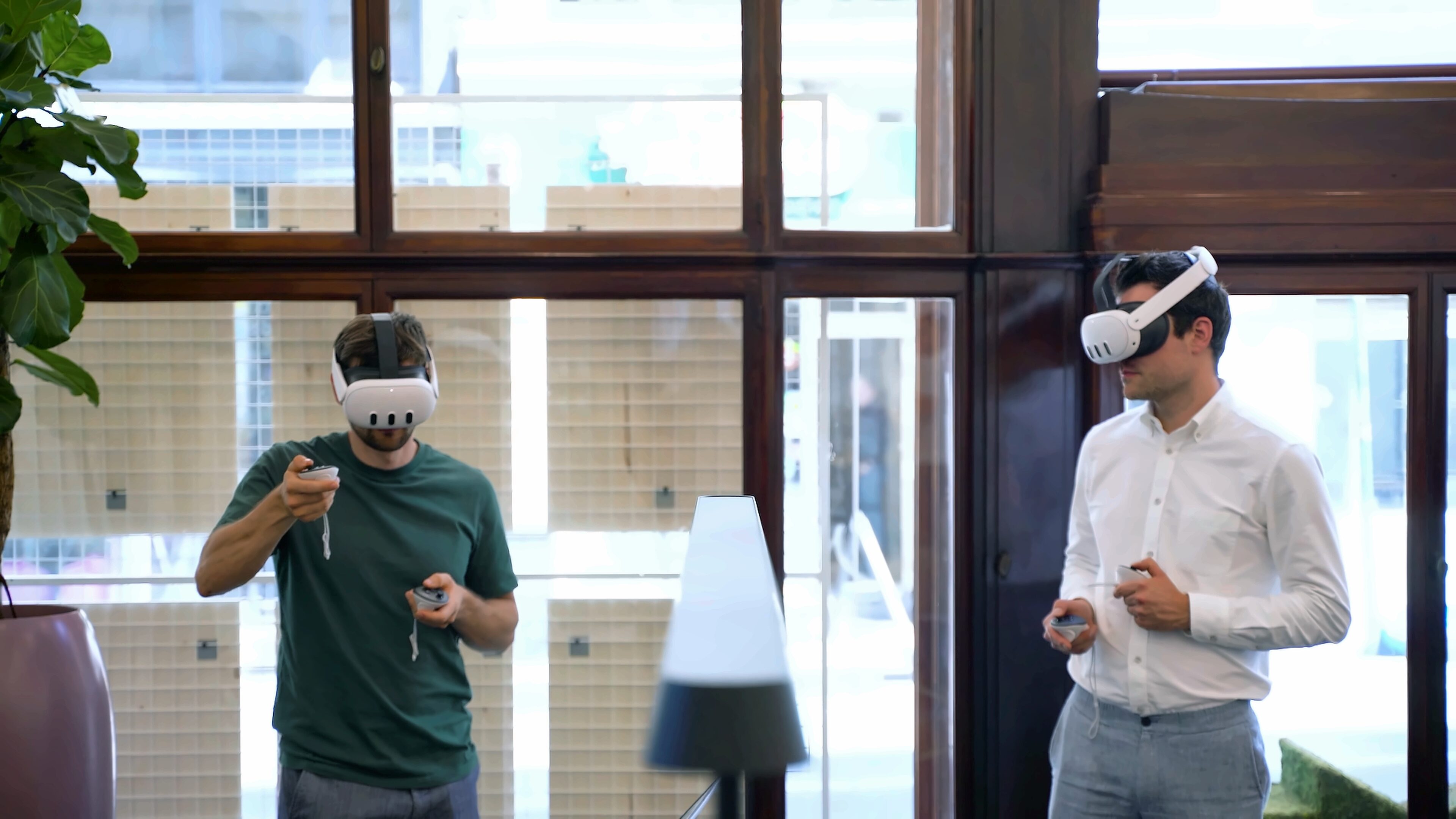
Technology creates the most value when it improves the way people work together and make decisions. That is why the adoption of VR is also important. Within Sweco, hands-on sessions and roadshows are used to introduce teams to the possibilities of VR and demonstrate how the technology can add value to real projects. As digital models become increasingly central to engineering and design, immersive technologies provide new ways of interacting with that information. With VR, a project no longer has to remain something you look at on a screen.

Discover our digital solutions
At Sweco, we combine engineering expertise with digital technologies to improve how projects are designed, understood and delivered. From BIM and digital twins to data-driven solutions and immersive technologies such as Virtual Reality, digitalisation helps us transform complex information into better project decisions.
Other news
Stakeholder management creates space for better projects
Read more
Spatial policy plans: making today’s choices for tomorrow’s city
Read more
From housing study to action-oriented housing policy
Read more