
Sweco Belgium
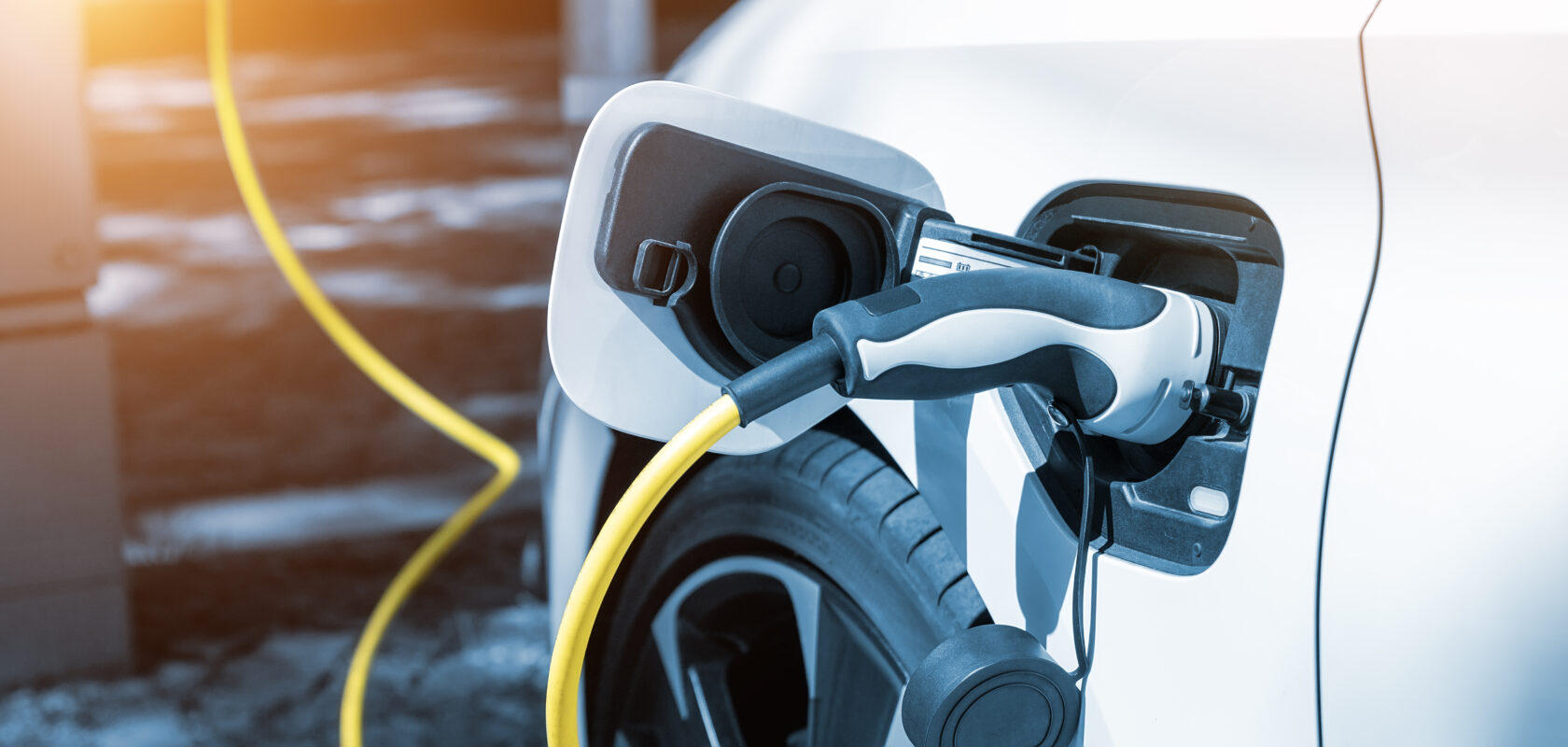
Why a charging station is much more than just a charging station
The electrification of mobility is well underway. More and more organisations are investing in electric vehicles and charging infrastructure. However, what often begins as a practical investment quickly develops into a strategic challenge. Installing a charging point is relatively straightforward. Preparing a building for tomorrow’s energy needs is far less so. More and more organisations are discovering that charging infrastructure goes far beyond a few charging points in a car park. It marks the starting point of a broader transformation in which buildings evolve into smart, data-driven energy systems that actively respond to comfort, sustainability, available power and energy costs.
The energy transition is taking place in and around our buildings
Electric vehicles are no longer the exception. Their number continues to increase year after year, and this trend will continue over the coming decades.
For buildings, this represents a fundamental shift. Whereas electricity was previously used mainly for lighting, ventilation, heating and cooling, buildings must now also supply energy to dozens or even hundreds of vehicles.
At the same time, other systems are becoming increasingly electrified. Heat pumps are replacing fossil-fuel heating systems, batteries are storing locally generated energy and solar panels are becoming a standard component of the energy supply.
Not only is energy consumption changing, but so too is the way energy is purchased and charged. Capacity tariffs, dynamic energy prices, local generation and flexibility markets are making energy management more complex than ever.
Energy is no longer simply a fixed cost. It is becoming an actively managed resource.
Organisations that succeed in managing this transition will be able to control their energy costs and maximise the opportunities created by the energy transition. Those that continue to operate according to traditional principles risk facing increasingly higher costs.

Why a charging point never operates in isolation
At first glance, a charging point may appear to be a straightforward technical installation. In reality, every charging session affects the entire energy system of a building. Even on industrial sites, charging points are often among the largest energy consumers. It is not only energy consumption, but especially the required power that can have a major impact on the grid connection and energy costs. The available power must be continuously distributed between building systems, users, electric vehicles, heat pumps, battery systems, solar panels and future expansions.
- The question therefore shifts from: “How many charging points do we need?”
- to: “How do we ensure that all energy systems work together optimally and that the available energy is used as efficiently as possible?”
This requires a fundamentally different approach.
From charging infrastructure to intelligent energy management
Many organisations still view charging infrastructure as a separate project. In reality, it is only one component of a much larger energy system.
Intelligent energy management brings all energy flows within a building together in a single integrated environment. By continuously collecting and analysing data and translating it into smart controls, organisations gain insight into how energy can be used most effectively at any given moment.
This makes it possible to:
- automatically adapt charging power to the available capacity;
- avoid peak demand and additional grid costs;
- maximise the use of locally generated solar energy;
- control battery storage intelligently;
- structurally reduce energy costs;
- enable future expansions without major infrastructure upgrades.
The result is a building that no longer simply consumes energy, but actively manages it.
Data are becoming the engine of the energy system
Modern buildings generate enormous amounts of data. Yet a large proportion of this information remains underused. The challenge is not only to collect data, but above all to make it accessible. Openness, interoperability and avoiding vendor lock-in are therefore becoming increasingly important. A charging point or heat pump will often remain in service for twenty years or more. Software and data need to provide the same level of future-readiness.
When all available data are brought together in one intelligent platform, new possibilities emerge. For example, it becomes possible to predict how much energy a building will require later in the day. Based on weather forecasts, building behaviour and user patterns, energy can be deployed proactively wherever it creates the greatest value.
A building could, for example, be intelligently preheated early in the morning, while vehicles are charged later in the day primarily using locally generated solar energy. This helps avoid peak demand, increases self-consumption and reduces dependence on the electricity grid. The combination of environmental and economic optimisation therefore becomes a reality.
Smarter buildings require an integrated vision
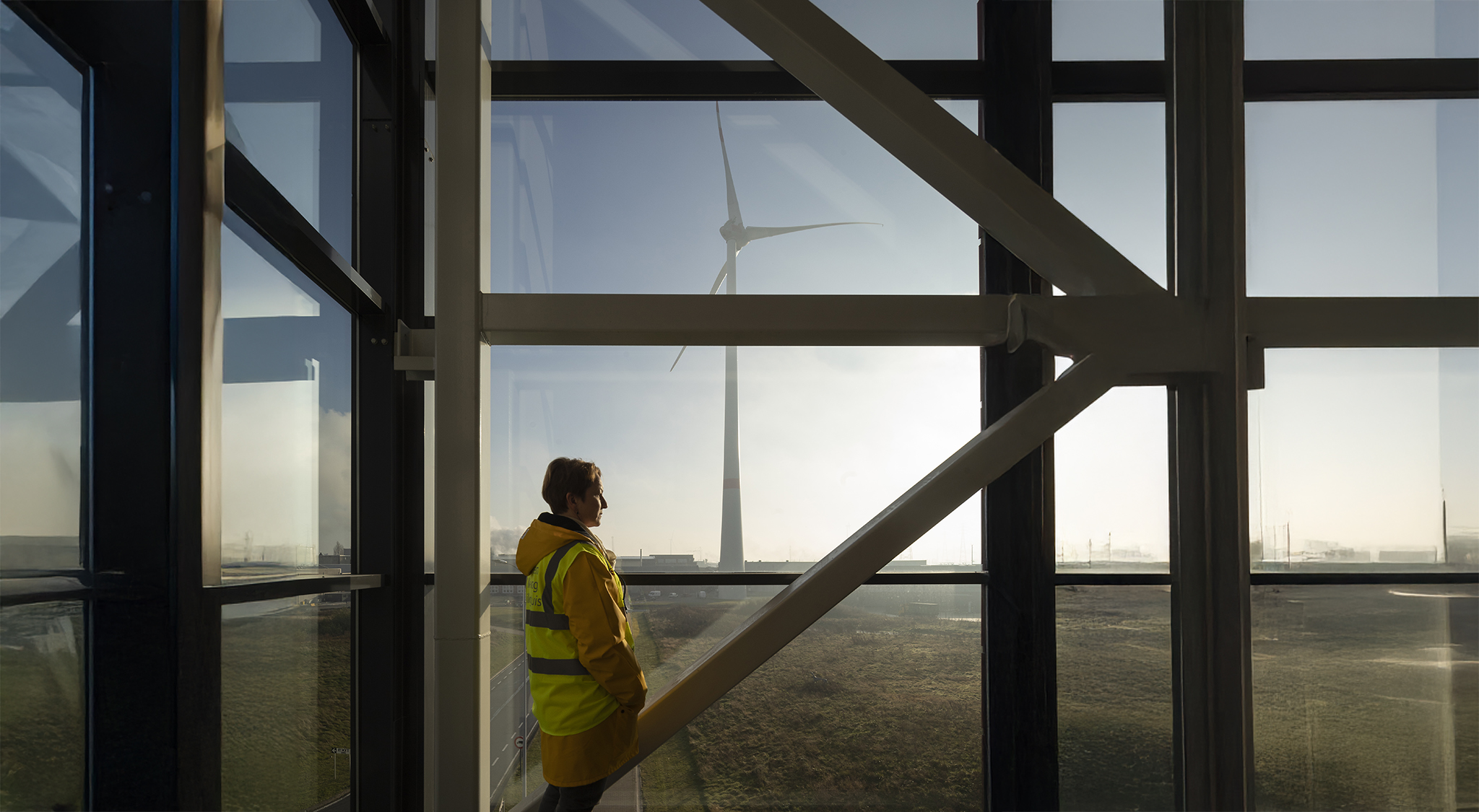
The energy transition is not driven by technology alone. It requires an integrated vision in which engineering, digitalisation and operational management reinforce one another. Organisations that achieve the greatest return on their investments therefore no longer consider individual installations in isolation, but view the building as one interconnected ecosystem.
Energy, mobility, comfort, maintenance and technical systems are continuously coordinated to optimise the overall performance of the building. This also means that investment decisions are no longer based solely on CAPEX. Operational costs throughout the entire life cycle of a building are becoming at least equally important. Successful organisations therefore combine technical expertise with smart digital tools that transform data into actionable insights, concrete actions and measurable results.
Ultimately, a charging point is never just a charging point. It is often the first visible component of a much broader evolution towards smart, sustainable and future-ready buildings.

The next step in building performance
Charging infrastructure is not the end point, but the beginning of a broader evolution. Buildings are becoming increasingly intelligent, energy is becoming more dynamic and users expect higher levels of comfort, flexibility and sustainability. Organisations that invest in an integrated approach today are not only creating capacity for electric mobility, but are also developing buildings that are ready for the challenges of tomorrow.
Ultimately, the energy transition is not about charging points. It is about buildings that manage their energy intelligently, continuously adapt to changing conditions and create lasting value for their users.
More news
Stakeholder management creates space for better projects
Read more

Spatial policy plans: making today’s choices for tomorrow’s city
Read more

From housing study to action-oriented housing policy
Read more