Ports & waterways
Redeveloping Oosterweeleiland untangles a key port bottleneck
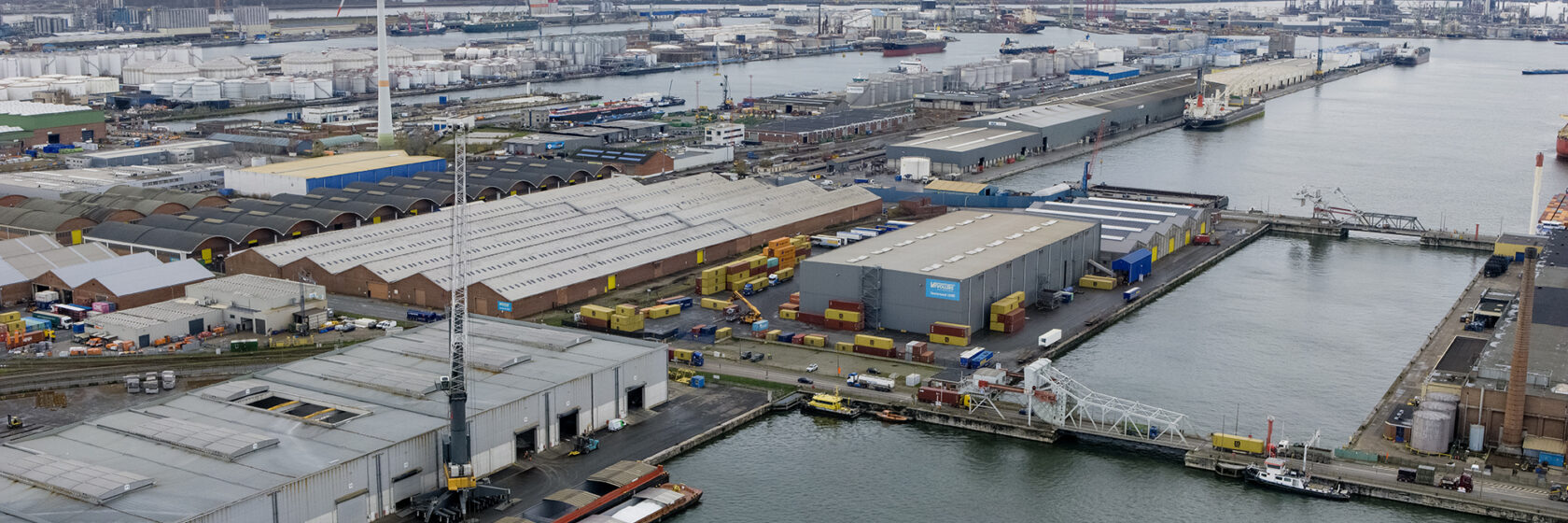
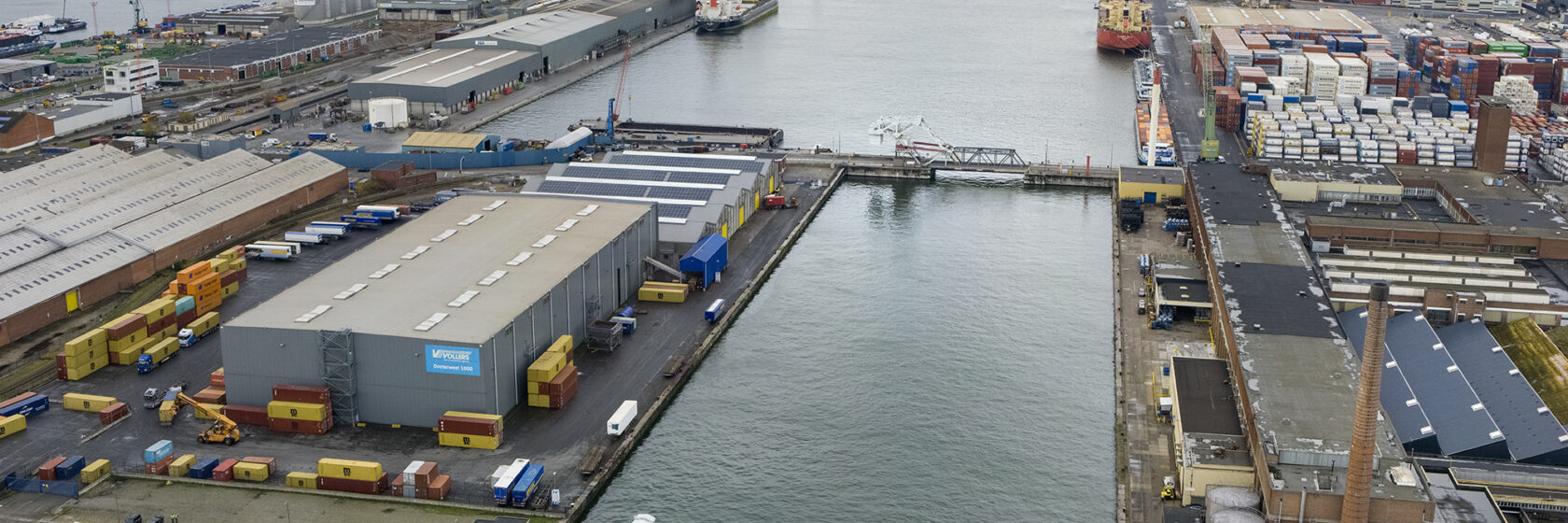
Renewing vital port infrastructure without disrupting the surrounding businesses: that is the challenge on Oosterweeleiland. In the Port of Antwerp, the Wilmarsdonk Bridge and Oosterweel Bridge have reached the end of their service life. Sweco is developing the new scenario for replacing both bridges and redesigning the public realm. With a multidisciplinary design approach, we are making rail, road and water futureproof.
- Expertise:
- Transport & Mobility, Water
- Client
- Port of Antwerp-Bruges
- Location
- Oosterweeleiland, Port of Antwerp
- Services
- Multidisciplinary design study, permits, EIA, project management, stakeholder management and support during execution
Replacing bridges in an active port environment
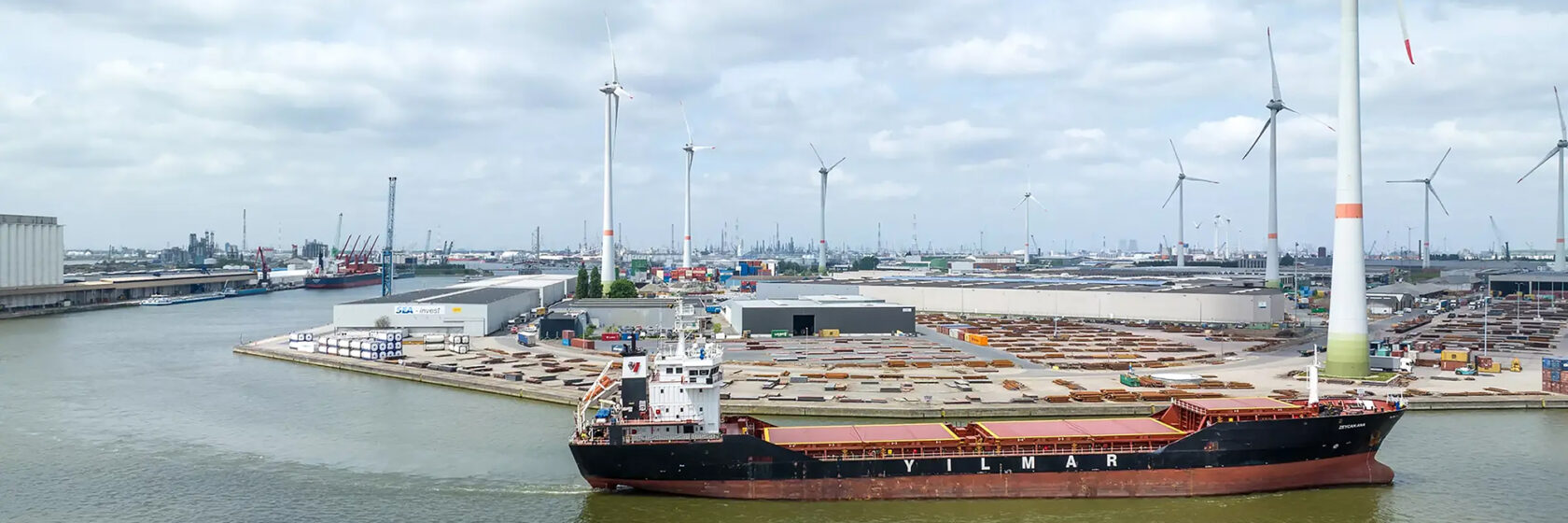
The Wilmarsdonk and Oosterweel bridges are ageing links in the Antwerp port area. This renewal momentum is an opportunity to improve the overall functioning of Oosterweeleiland by untangling the connections between the different transport modes. For this ambitious redevelopment, Sweco is responsible for the complete design. The project is located in an older part of the port, where existing businesses must remain operational and rail, road and shipping traffic are closely interconnected.
Movable railway bridges and an elevated Oosterweel Bridge
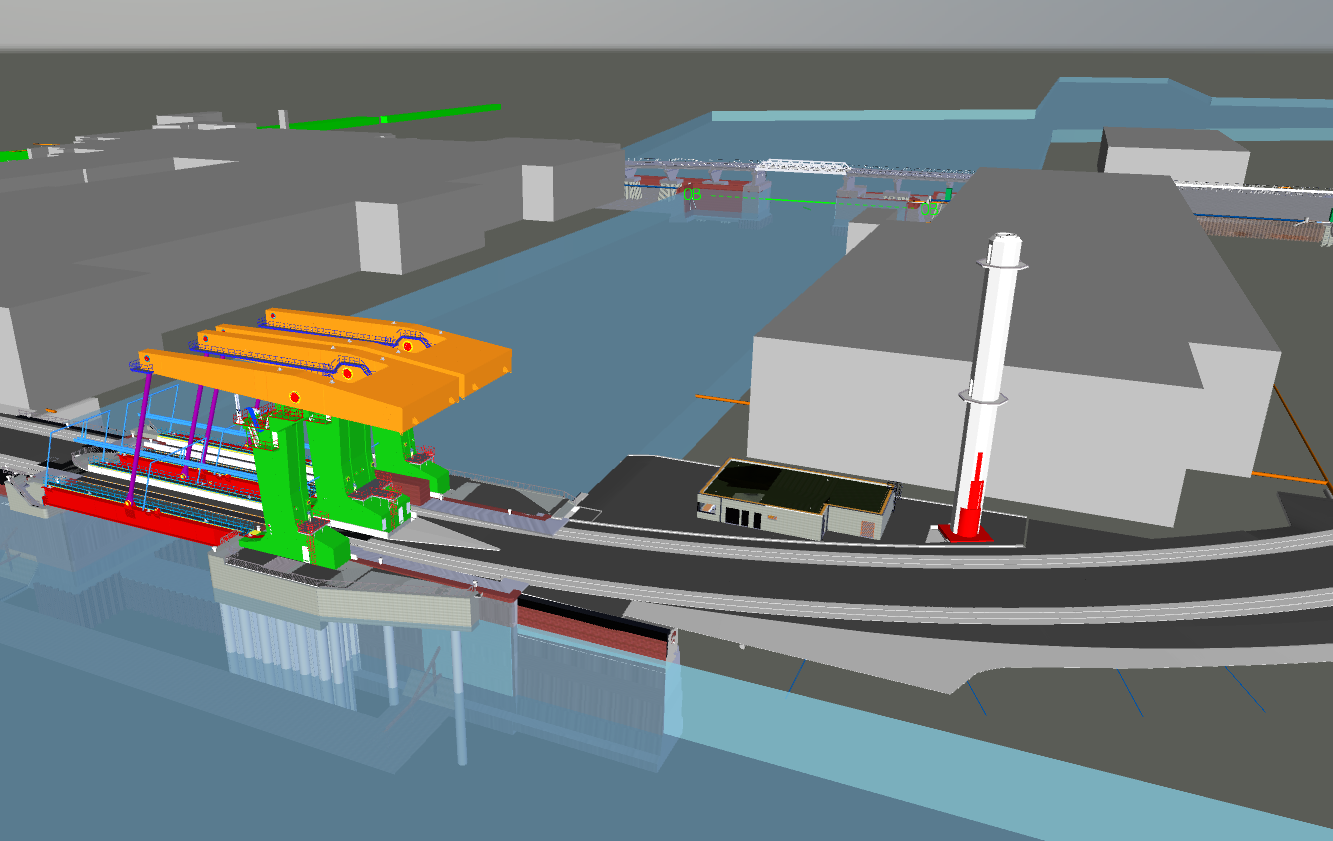
The Wilmarsdonk Bridge will be replaced by two movable railway bridges in steel, located near the existing bridge. The associated emergency control building, radar tower and technical installations are also part of the study. The foundation will largely be renewed and extended with combi-walls in and alongside the existing dock, creating a robust rail connection for the companies on and around Oosterweeleiland.
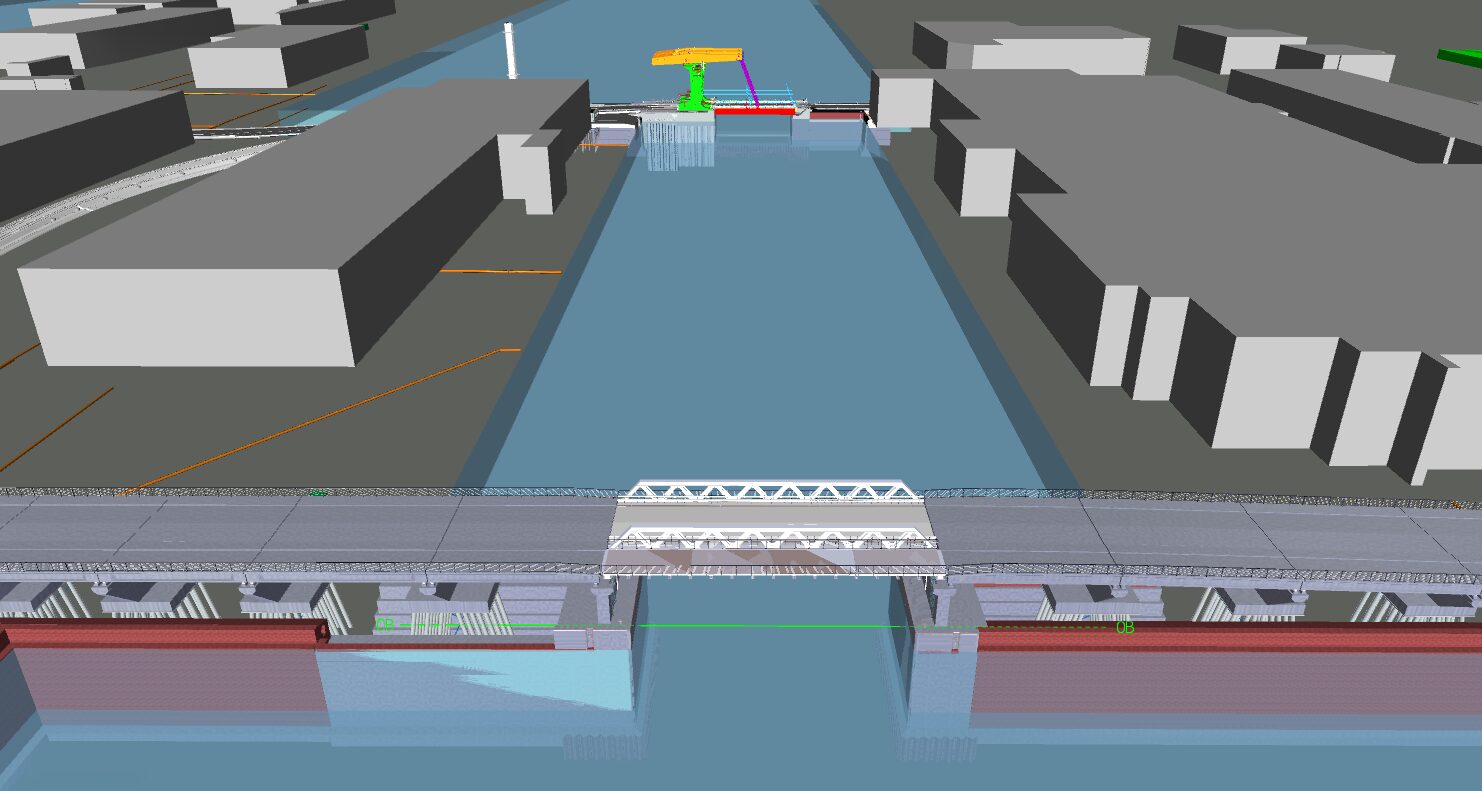
The iconic Oosterweel Bridge will be replaced by an elevated fixed bridge in steel. The approach ramps will partly consist of concrete viaduct structures and partly of reinforced earth. At the same time, the entire access system for rail and road traffic will be reorganised, with attention to separated traffic flows, safe cycling infrastructure and stronger cohesion between infrastructure and port operations.
Multidisciplinary design for rail, road, water and utilities
We see rail, road and water as one dynamic system. New roads, safe cycling infrastructure, separated traffic flows, rail works, signalling, sewerage, demolition and phasing all come together in one integrated design. Utility coordination is also complex: several directional drillings cross the project area, including two beneath the docks. Part of the utility network will be placed in an immersed utility duct.
From feasibility to tendering and construction team
Sweco covers all project phases: from feasibility and design principles to preliminary design, start and project notes, detailed design, phasing study, environmental permit, EIA study and tender documents. This is followed by support during execution and further optimisation in a construction team with the contractor. This approach makes it possible to continuously align technical choices, permit procedures, phasing and nuisance mitigation.
Port context calls for smart phasing and stakeholder management
Working on Oosterweeleiland means designing in an environment that never stands still. Existing companies must remain accessible, port activities must continue and the impact on rail, road and water traffic must remain manageable. That makes phasing, stakeholder management and project management essential. Sweco safeguards the overall coherence, aligns disciplines and translates the port context into an executable design.
Disciplines included in the design study
- EIA study and environmental permit, including urban planning and environmental aspects, dewatering, treatment systems and CTE investigation
- Steel and concrete calculations, movable structures for the Wilmarsdonk bridges and Machinery Directive compliance
- HVAC, technical installations, electricity, EI&A
- Rail works, signalling, sewerage works, utility installation, demolition and phasing
- Stakeholder management in a port context and project management
Untangling the port bottleneck, keeping things moving
With the redevelopment of Oosterweeleiland, we strengthen the accessibility and operational reliability of a strategic location in the Port of Antwerp. Two new movable railway bridges create redundancy and smooth rail access. The elevated Oosterweel Bridge, new road access and safe cycling infrastructure bring order to a complex traffic node. This keeps the port moving while preparing its infrastructure for the decades ahead.
Photos: © Tom D’haenens | Simulations: © Splendid