
Sweco Belgium
From GHG inventory to climate action: how municipalities can turn climate data into a workable plan
For municipalities, developing a greenhouse gas inventory is an important first step. But measuring emissions is not the end goal. The real challenge begins afterwards. Which sectors should be prioritized? Which measures will have the greatest impact? Who within the municipality should take ownership? How much will implementation cost? And how can progress be monitored and communicated over the coming years? For municipalities starting or updating their climate plans, especially smaller and mid-sized municipalities with limited internal capacity, moving from GHG data to coordinated climate action can be challenging. The good news is that municipalities do not have to build that process from scratch.
A GHG inventory gives you the starting point
A credible climate strategy starts with understanding where you are today.An emissions inventory establishes that baseline. It helps a municipality understand its emissions and consumption and identify which sectors should receive the most attention. Futureproofed’s climate planning methodology therefore starts with the baseline before moving towards measures, targets and actions.
But collecting data alone does not create a climate plan. The next step is turning that information into decisions. A municipality needs to translate its baseline into priorities and answer practical questions such as:
- Where can we achieve meaningful GHG reductions?
- Which actions are realistic for our community?
- What resources and investments will be required?
- Which departments and stakeholders need to be involved?
- How do we track whether our actions are actually delivering results?
This is where a structured climate management approach becomes valuable.
Move from targets to concrete actions
Climate plans can easily become extensive documents filled with ambitions, scenarios and long-term objectives. Their real value, however, lies in implementation. Futureproofed for Cities is designed to help municipalities turn climate ambitions into actionable decisions. Municipalities can develop quantified climate plans, get started with a library of measures, adapt information to local priorities, and assess both carbon impact and financial implications. By presenting clear, evidence-based scenarios, the platform also helps municipalities build political support, enabling elected officials, such as mayors and municipal councils, to evaluate, endorse and prioritise climate-related projects.
A scalable approach to municipal climate action
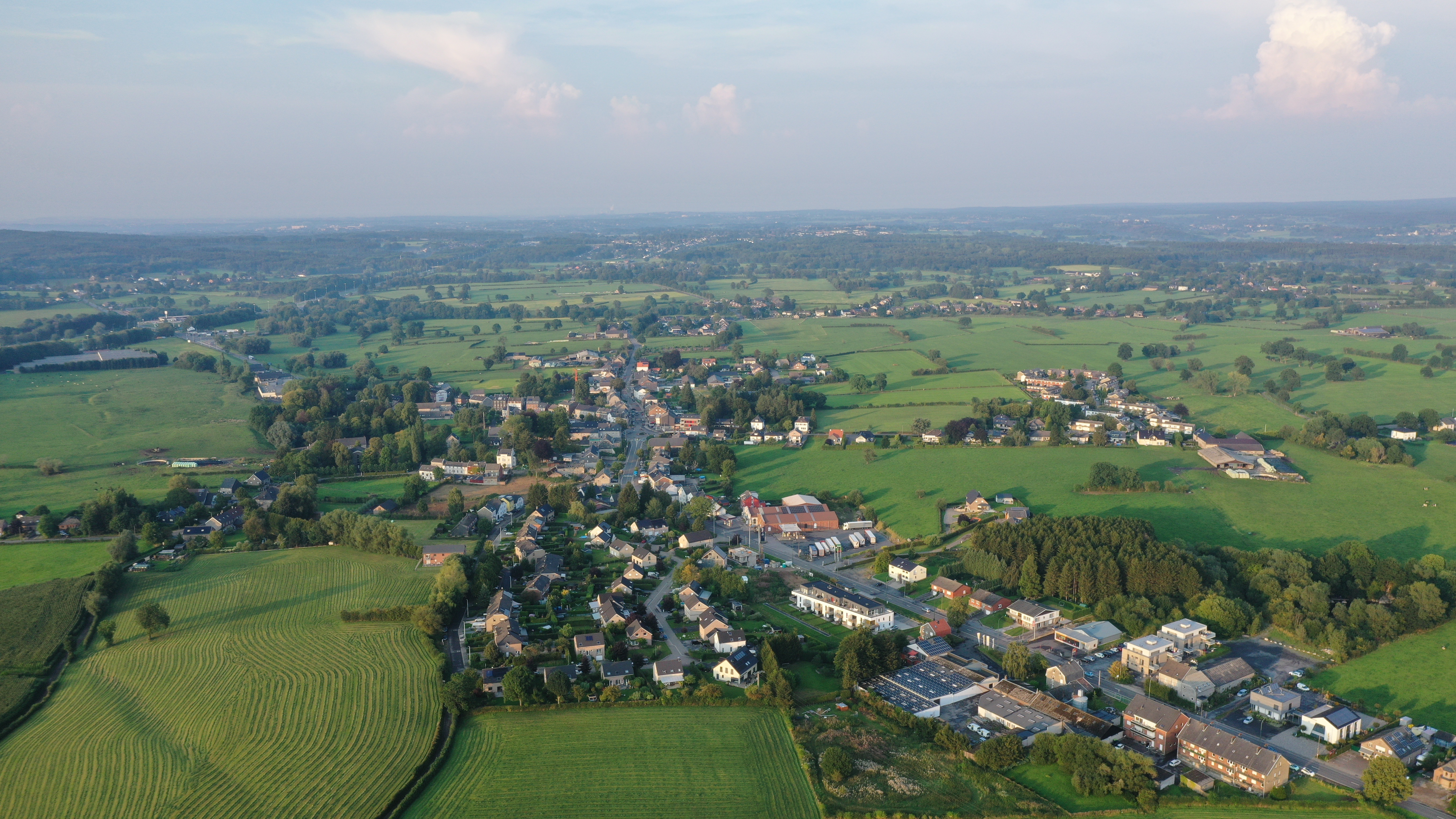
Capacity is an important consideration for smaller municipalities. A community of 3,000 residents will not have the same resources as a city of several hundred thousand. Yet both may be expected to understand their emissions, establish priorities and develop credible climate action. The solution should therefore not be to make every municipality develop its methodology, tools and processes independently. Futureproofed combines technology with climate expertise. The platform provides the structure for developing and managing a climate plan, while experts can support with GHG inventories, climate strategies, stakeholder engagement, climate reporting and implementation of climate projects. This allows the level of support to reflect the municipality’s needs and internal capabilities. Some municipalities may primarily need a structured digital environment. Others may require more extensive assistance with their GHG inventory, the development of mitigation measures or the broader climate strategy.
One municipality at a time, without losing the regional picture
Climate action does not necessarily stop at municipal boundaries. Smaller municipalities may work together through regional or intermunicipal structures. Regional organizations may want to support municipalities individually while still understanding progress across the entire territory. Futureproofed was designed with this type of multi-level collaboration in mind. Individual municipal accounts can be aggregated into a regional overview. This gives regional coordinators a bird’s-eye view of participating municipalities and makes it possible to follow and compare progress while municipalities retain their own climate plans and actions. This creates an interesting model for regions with many smaller municipalities:
local ownership combined with regional coordination.
Instead of developing one generic climate plan for an entire region, each municipality can work according to its own context, priorities and level of ambition, while a regional organization can facilitate coordination and gain visibility across the participating communities.
Dynamic climate planning
Another important shift is to stop viewing a climate plan as a document that is completed once every few years. Priorities change. Projects progress. New data becomes available. Budgets change. Technologies and communities develop. Climate management therefore needs to be done continuously with a dynamic character. Futureproofed centralizes information and documents, allows responsibilities to be assigned, and supports structured monitoring of emissions, trends and progress against climate targets.
This turns climate planning into a cycle:
Measure → prioritize → plan → implement → monitor → improve
That is a fundamentally different approach from producing a climate report and revisiting it several years later.
Involving citizens and stakeholders into the transition
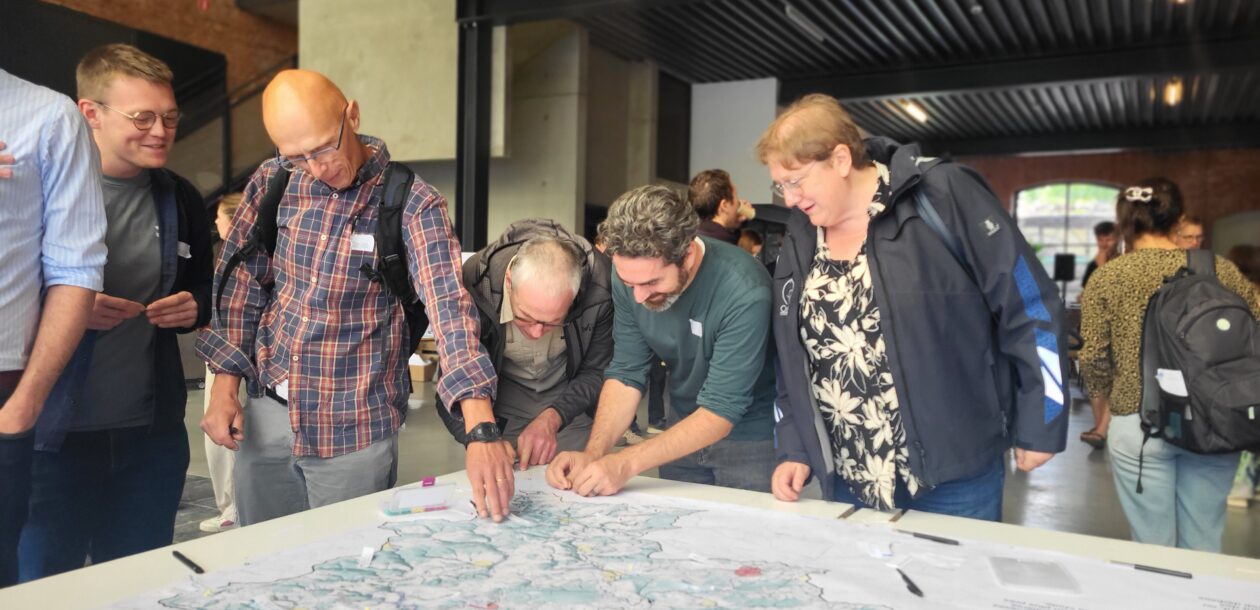
Municipal climate action mostly extends beyond the municipal administration. Residents, businesses, schools, public organizations and other local stakeholders mainly influence emissions and can contribute to solutions. That makes communication and engagement part of climate implementation, rather than something that happens after the technical work is finished. The Futureproofed for Cities platform supports municipalities in communicating progress and engaging citizens, encouraging to involve stakeholders and make climate initiatives visible. This matters because a technically sound climate plan can only deliver its full potential when stakeholders understand what is being done and expected, why it matters and how they can contribute.
From climate ambition to implementation
For municipalities beginning their climate planning journey, the objective does not have to be to create the perfect plan from day one. The priority is to establish a solid baseline, identify the most relevant opportunities and create a process that can evolve over time. For municipalities that already have a GHG inventory, that can mean turning existing data into priorities, measures with targets and projects. For municipalities that are earlier in their journey, Sweco can provide additional expertise from start to end around GHG inventories and climate plan development alongside the Futureproofed for Cities platform. And for regional organizations supporting multiple municipalities, the same approach can create a common structure without taking away local ownership. The result is not simply another climate plan. It is a way to continuously measure, manage and accelerate local climate action.

Futureproofed for Cities
Futureproofed for Cities combines a collaborative carbon management platform with climate expertise. It helps municipalities structure their climate plans, monitor emissions and actions, collaborate across departments and communicate progress to stakeholders. For regions and intermunicipal organizations, individual municipal accounts can also be brought together into a regional view, creating a scalable approach to climate management across multiple communities.
From your first GHG inventory to an actionable climate plan, the goal is the same: turn climate data into decisions, and decisions into measurable action.
Other news
From GHG inventory to climate action: how municipalities can turn climate data into a workable plan
Read more

Sweco supports NMBS-SNCB with site supervision and quality control on station projects
Read more
Portfolio management: existing buildings as a lever for liveable cities
Read more