
Sweco Belgium
From Smooth Snake to Deer: Ecovalley Zwarte Berg Rolls Out the Green Carpet
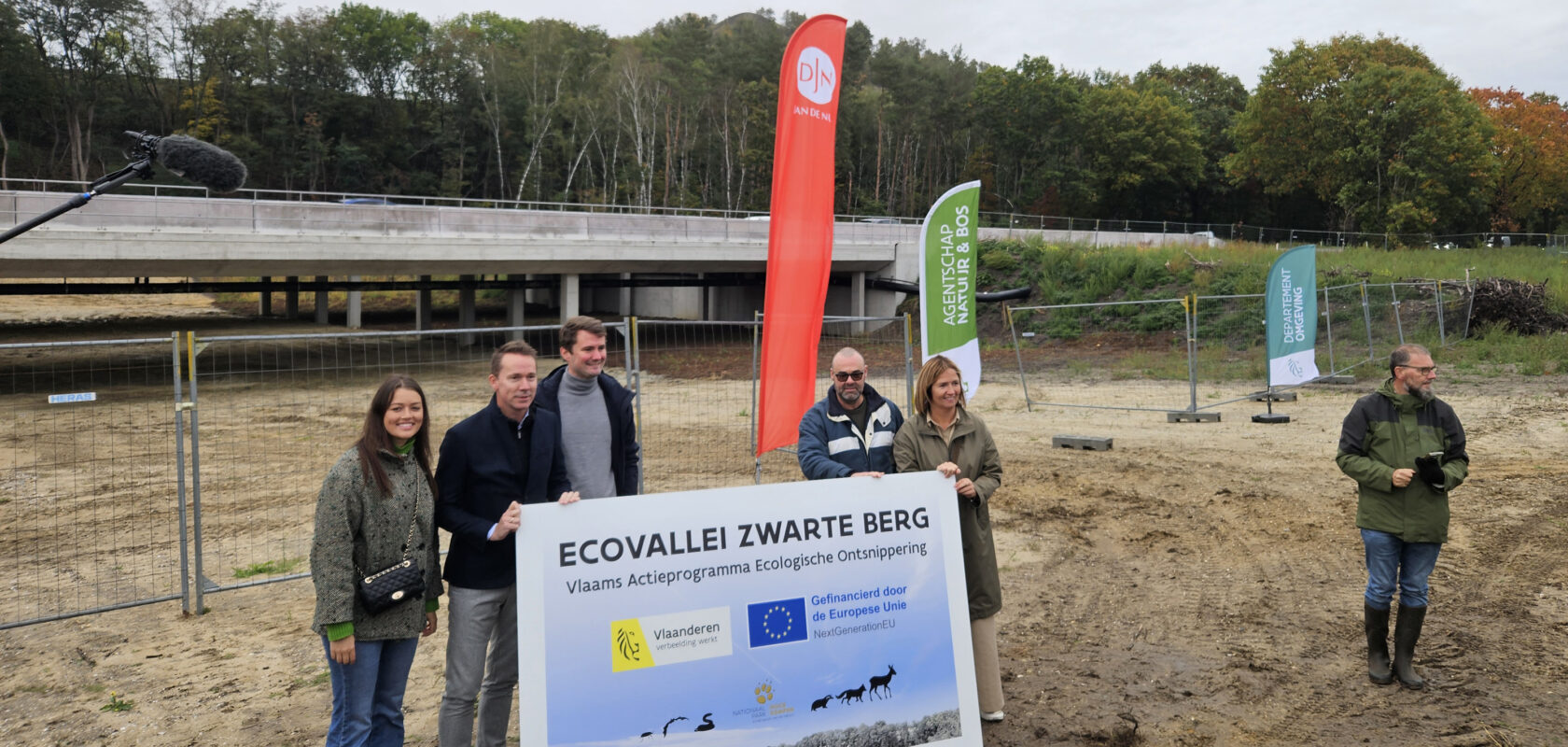
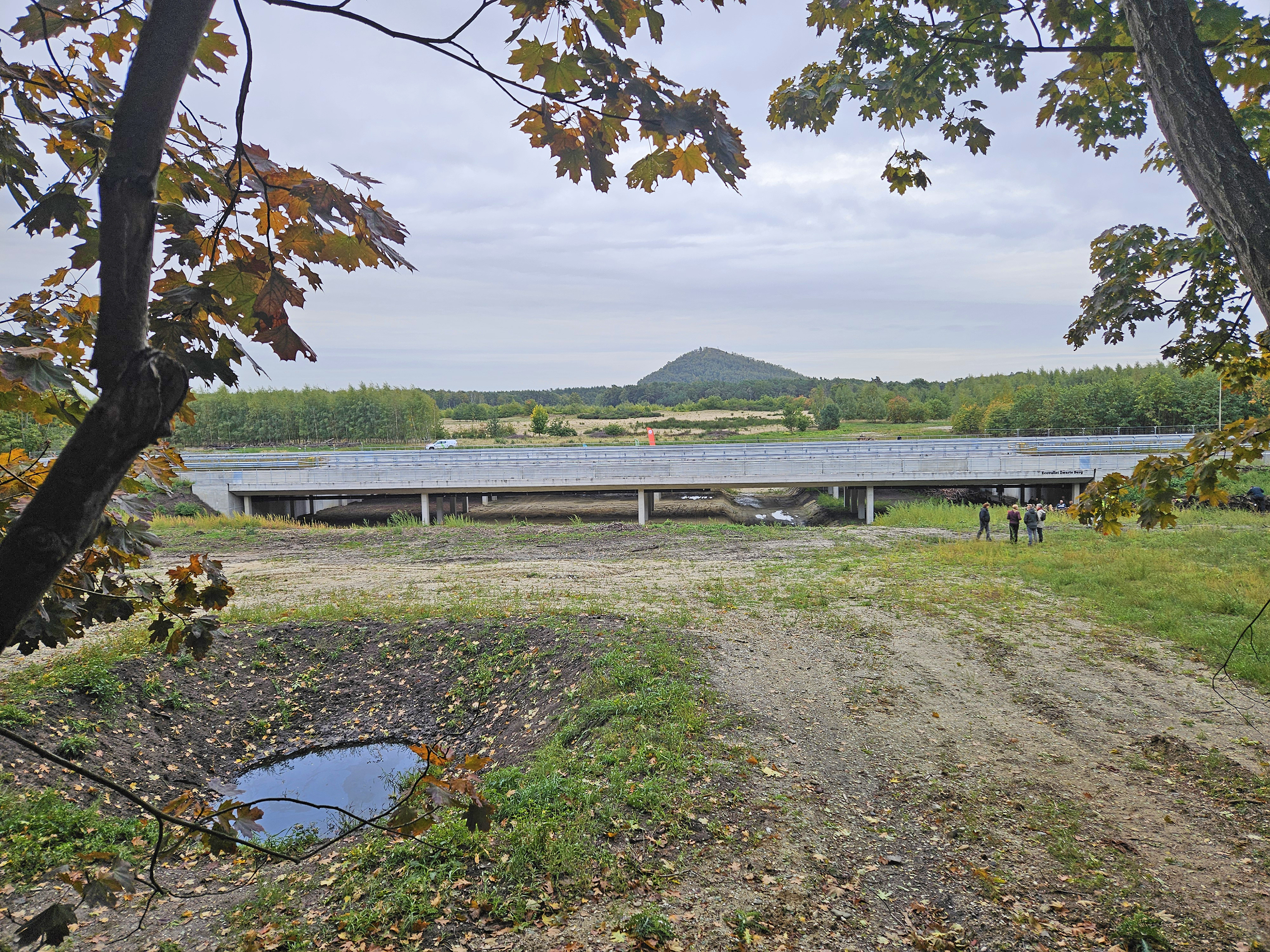
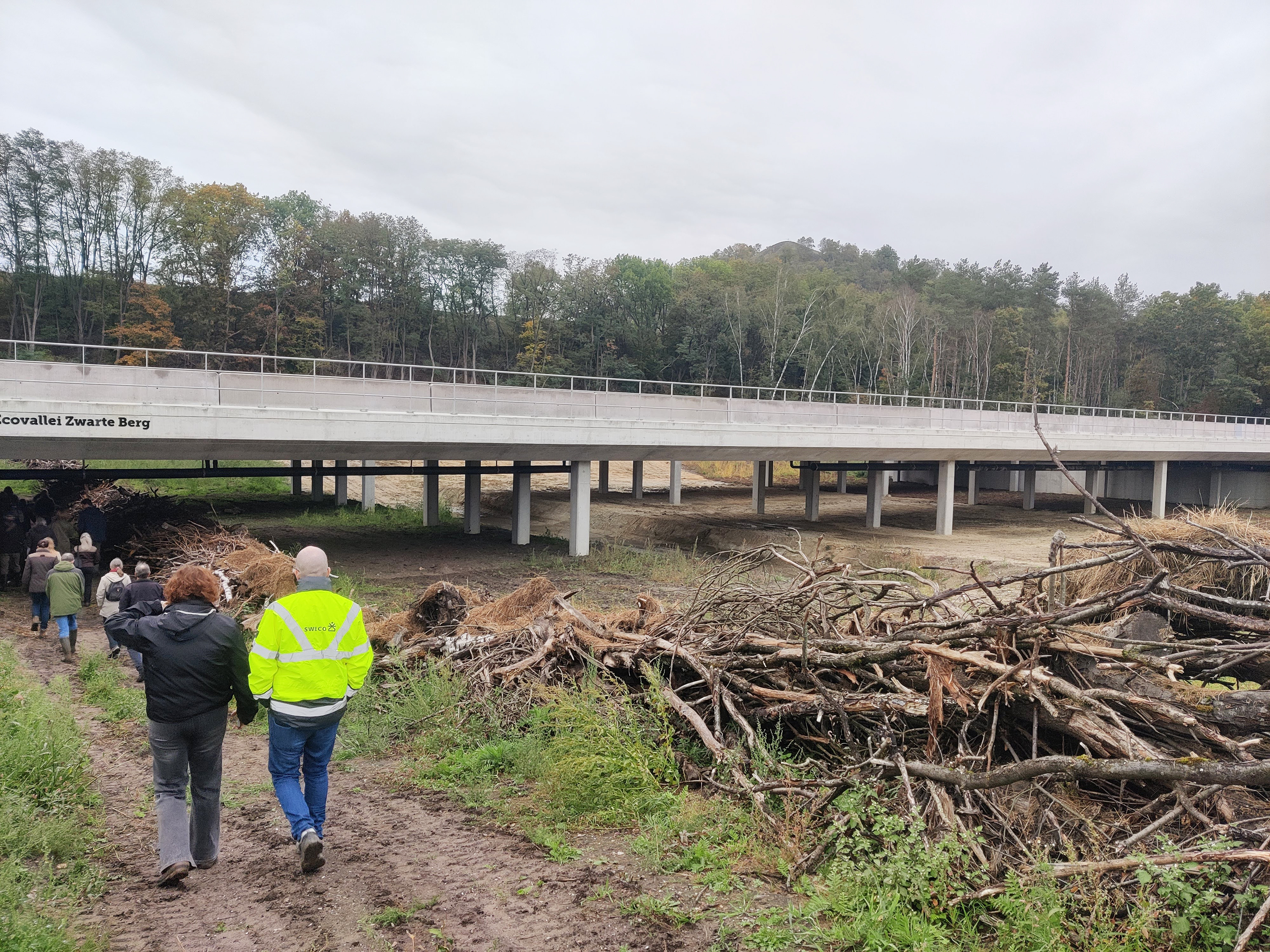
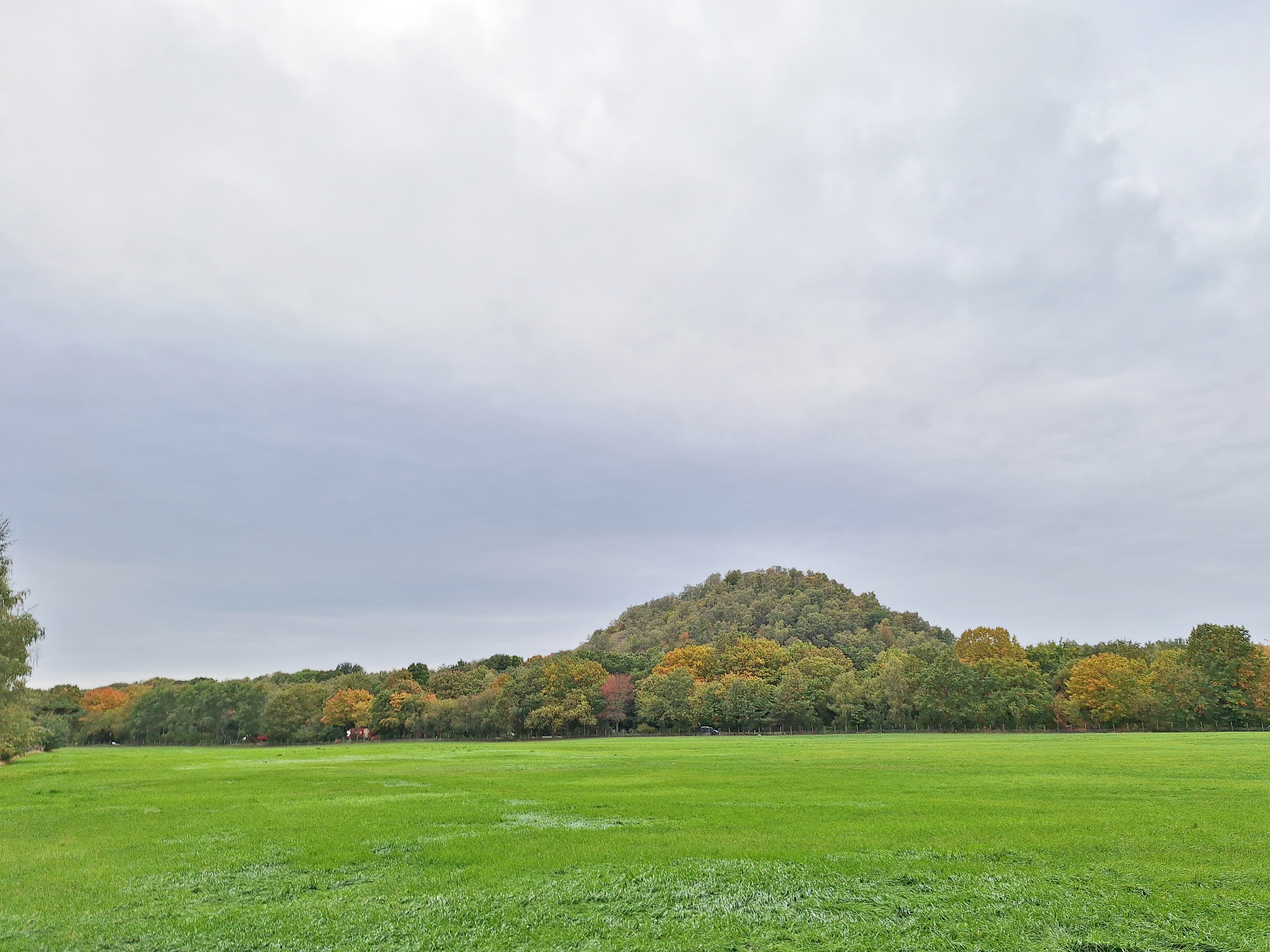
Minister of Environment Jo Brouns has officially opened the Zwarte Berg Ecovalley in Oudsbergen. What was once an insurmountable barrier – the busy N76 in central Limburg – is now a safe passage for wildlife. The ecovalley reconnects the Zwartberg nature reserve and the Houthalen-Helchteren military training grounds with the nature area around the Klaverberg.
Commissioned by Jan De Nul, Sweco designed this ecovalley near the Zwartberg spoil tip. The project is a showcase of integrated design in a challenging context: a nature reserve with strict permitting conditions. Construction was carried out under a design-and-build contract by Jan De Nul en De Werkvennootschap, commissioned by the Department of Environment, in collaboration with the Agency for Nature and Forests and the Agency for Roads and Traffic.
Our ecologists delivered, among other things:
- Site selection advice based on target species
- Design of wet, dry, and shrub zones
- Forest compensation and EIA screening during the permit application
- Ecological supervision during construction
- Stakeholder management
Why not an ecoduct?
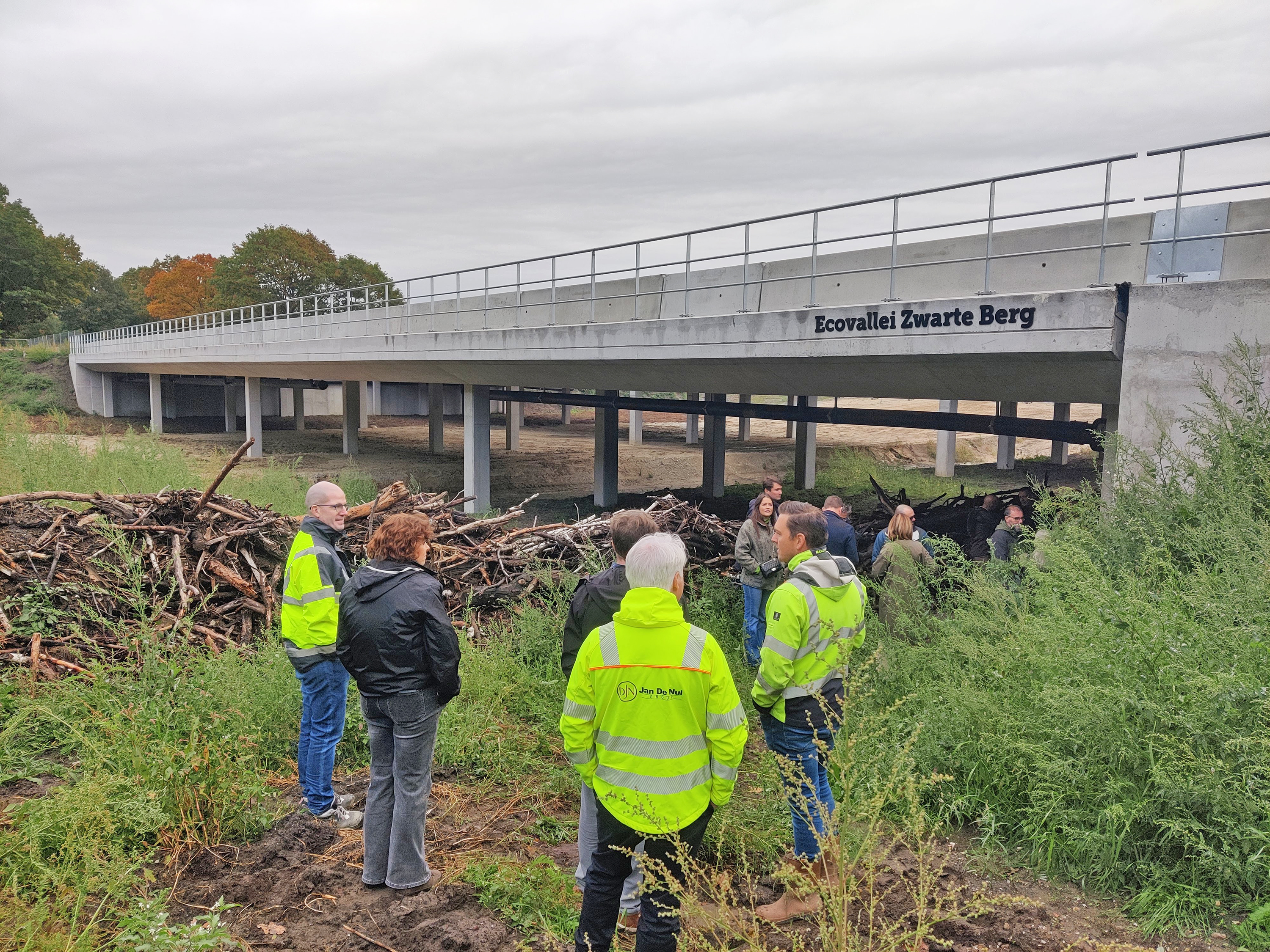
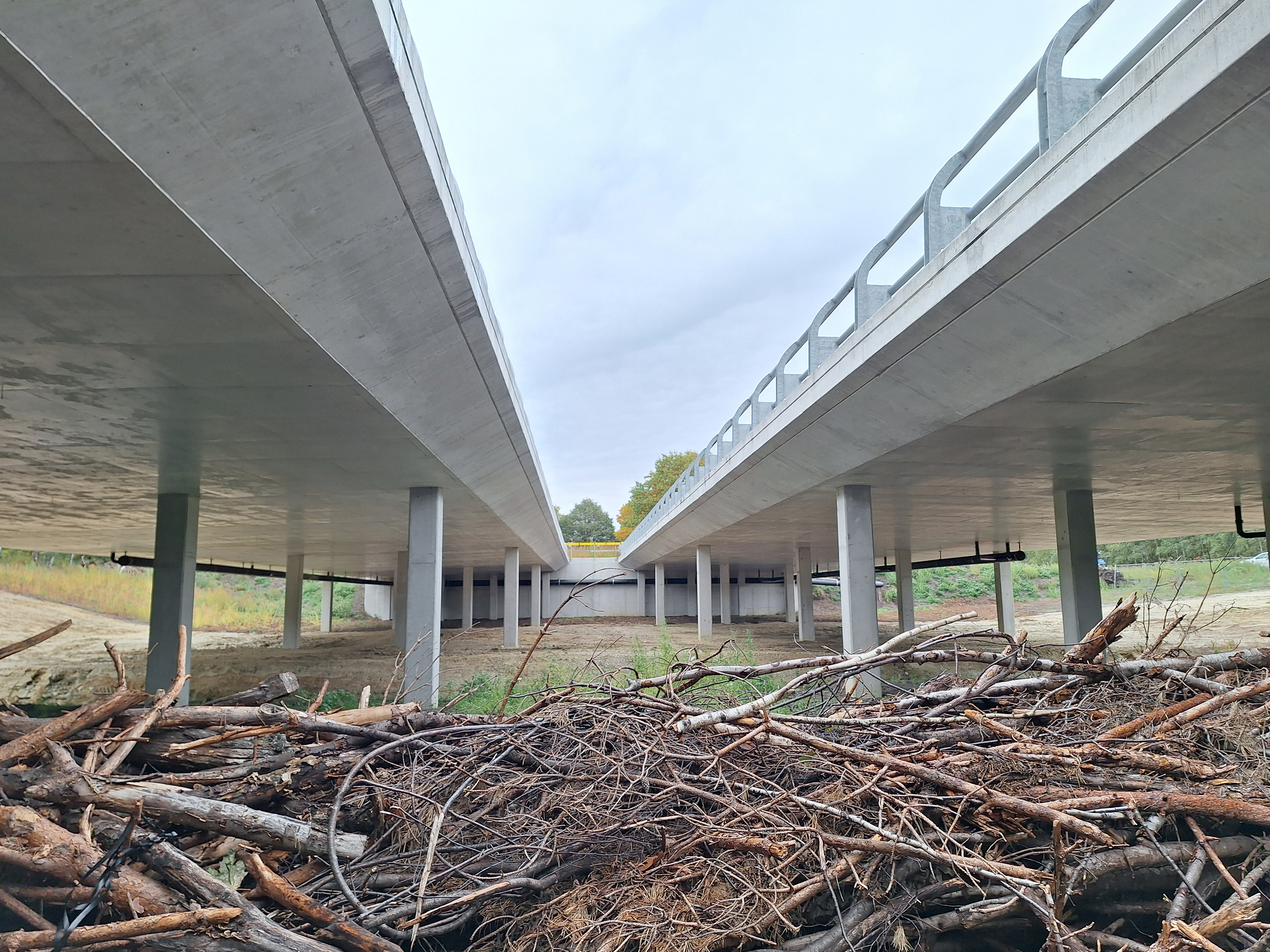
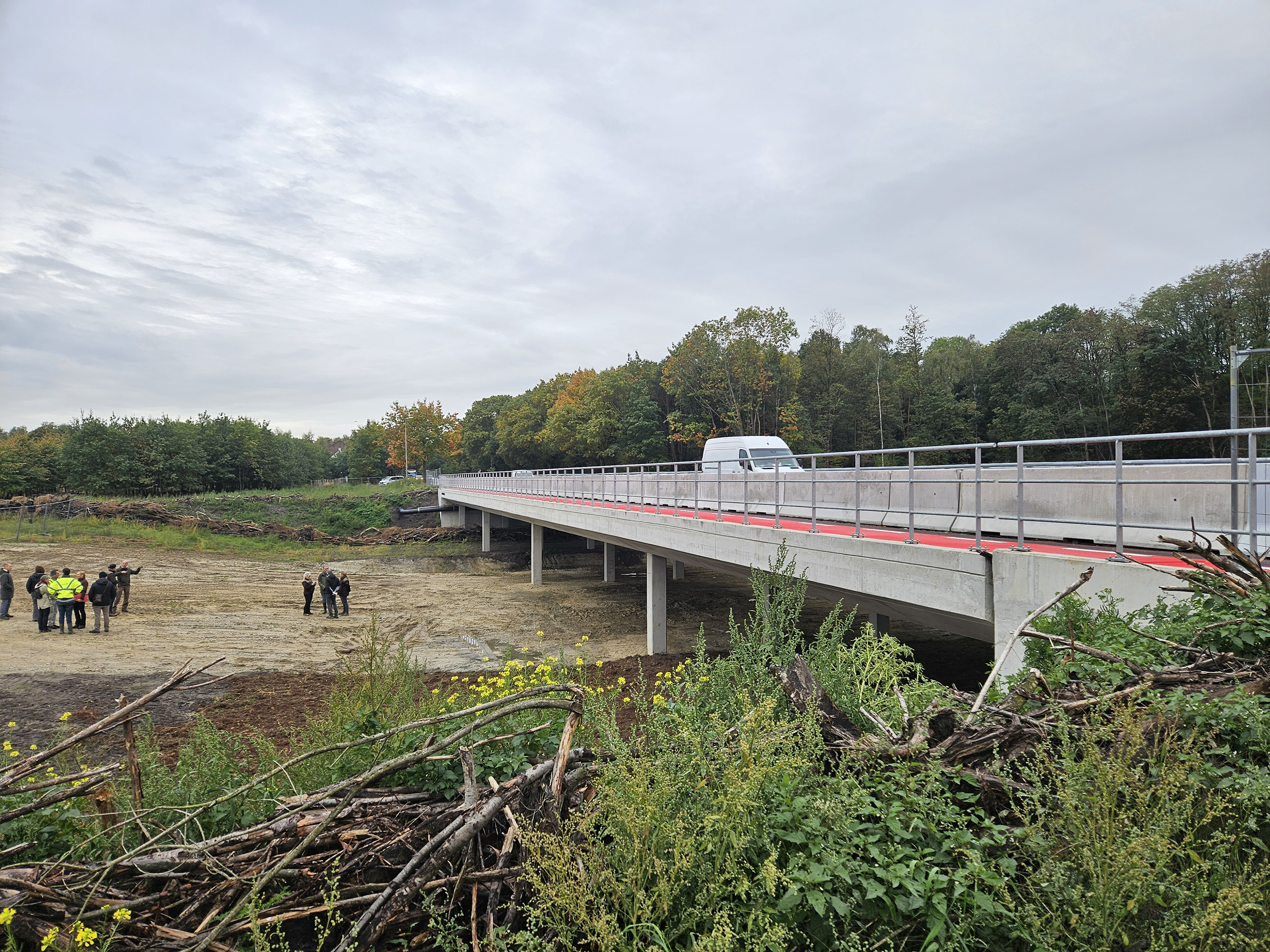
An unusual choice: no bridge, but an underpass. Why? Exceptional transport requires a clearance of 10 meters. An ecoduct would need massive earth embankments to support the bridge, heavily impacting the landscape visually. To allow enough light and warmth, we included an opening between the bridge sections. This creates optimal conditions for heat-loving species such as the smooth snake.
Every ecological corridor consists of a dry zone, a shaded strip with shrubs, and a wet zone. This diversity ensures that many different species can use it. We aim not only for common species but also for target species that are very rare in the rest of Flanders.
Koen Maes, biologist at Sweco
More Connected Nature in Flanders
Flanders is investing heavily in reconnecting fragmented nature areas. Think wildlife fences, ecoducts, and tunnels: measures that help animals cross roads safely. In 2025 alone, Limburg gained three new eco-passages: the Dilserbos ecoduct over the N75, the ecoduct over the N71 in Lommel, and now the ecovalley under the N76 in Oudsbergen. Our experts in civil engineering, landscape, and ecology work as one multidisciplinary team on these projects, contributing to ecosystem restoration and a coherent nature network.
These initiatives are part of the Flemish Ecological Defragmentation Action Program (VAPEO). The VAPEO plan includes projects along regional roads that will reconnect animal habitats in the coming years, including eco-passages.
Sustainable Civil Engineering: From Design to Execution
For every project, we look beyond the construction phase. A life cycle analysis helps us make sustainable choices: less material use, low-CO₂ concrete, and a neutral soil balance to minimize environmental impact. For the ecovalley, we deliberately chose an underpass instead of a bridge, significantly reducing the Environmental Cost Indicator. We also analyzed life cycle costs, focusing on low-maintenance design. The result? A semi-integral structure without bearings, minimal joints, and local rainwater infiltration.
This comprehensive Do No Significant Harm approach clearly appealed to our client. The DNSH principle comes from the European taxonomy. A classification system for sustainable activities. By following these rules, we contribute to a more sustainable Europe, as envisioned in the European Green Deal.
Bart Steenwegen, Project Manager at Sweco
Other News
Stakeholder management creates space for better projects
Read more
Spatial policy plans: making today’s choices for tomorrow’s city
Read more
From housing study to action-oriented housing policy
Read more