
Sweco Belgium
Part B connections are changing: what does this mean for BESS projects?
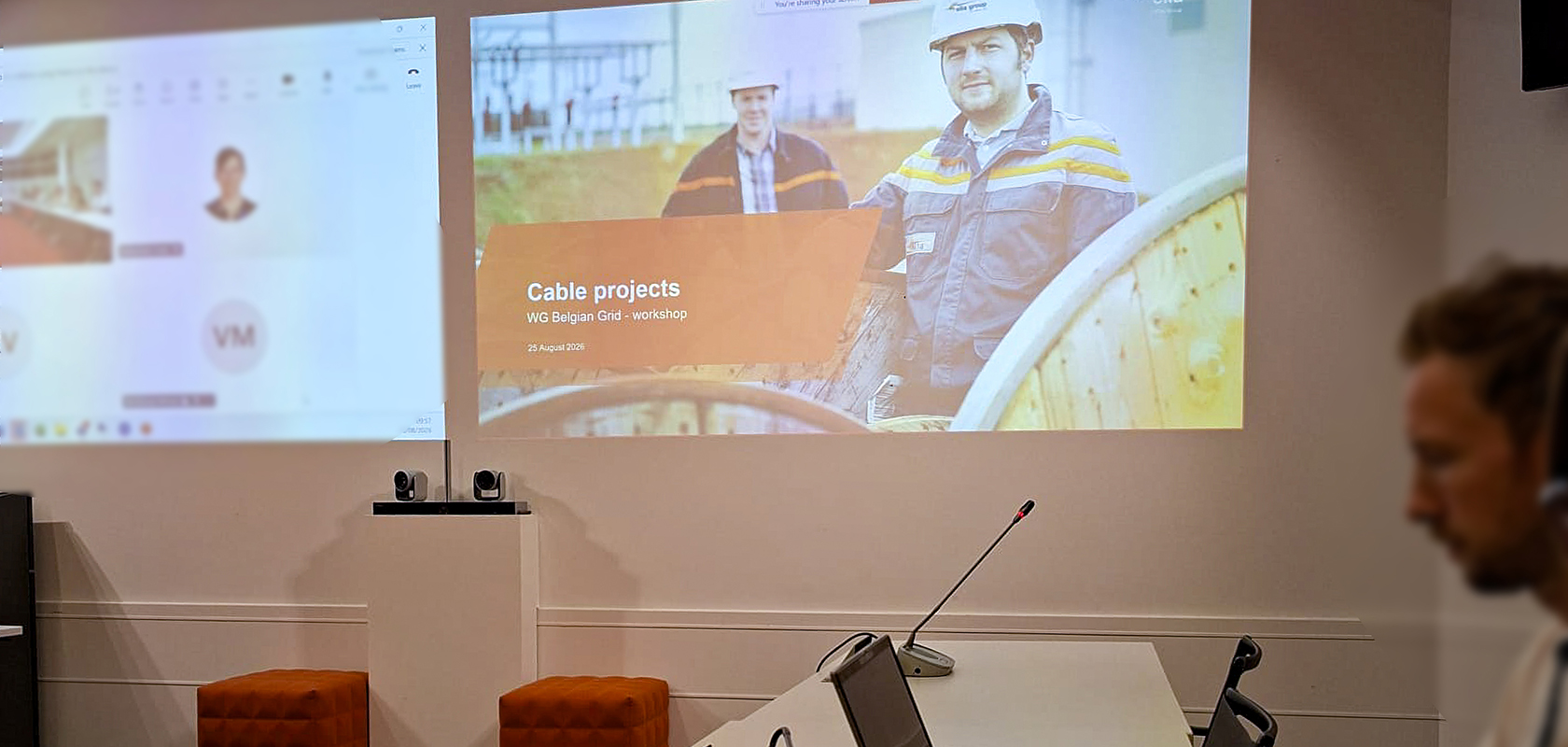
Today, Elia is presenting its new approach to Part B connection projects. From 1 September 2026, the transmission system operator will change how it allocates resources to Part B cable projects. This will make it more attractive for project developers to manage the design and permitting of the cable route between an Elia substation and their installation themselves.
The growth of solar and wind energy is putting increasing pressure on the electricity grid, making large-scale battery energy storage systems (BESS) ever more important for balancing energy production and consumption. However, the success of a BESS project depends on more than battery capacity. Permitting, spatial integration, cable routes and grid connection are key to determining how quickly the system can be connected to the electricity grid in a safe and technically feasible way.
Why BESS is gaining momentum
Our energy system is becoming increasingly variable. At times, there is a surplus of solar or wind energy; at others, demand rises suddenly. Battery storage helps absorb these fluctuations.
A BESS can:
- store energy during peak production;
- release energy when demand increases;
- contribute to a more stable electricity grid.
The technology is ready. The main challenge lies in delivery.
Permitting and grid connection determine the lead time
In BESS projects, crucial questions need to be addressed early on:
- Where can the project be integrated, both spatially and technically?
- How will the grid connection be organised?
- How can a robust and convincing permit application be developed?
A clear dossier makes all the difference: not only technically correct, but also logically structured and easy for all stakeholders to understand.
The cable route: greater responsibility for developers from 2026
In many projects, the cable route receives less attention, as it is typically provided by transmission system operator Elia. Yet this is often where the greatest complexity lies. A cable route may cross infrastructure, affect different properties and involve multiple stakeholders. This has an impact on timing, feasibility and permitting risks.
From September 2026, changes to the allocation of Elia’s resources will make it more attractive for project developers to design and permit the cable route between an Elia substation and their own installation themselves. This makes early decision-making even more important:
- a well-considered permitting strategy covering both the BESS and the cable route;
- a cable route and cable design aligned with stakeholders;
- close coordination between design, permitting and construction.
That is why the cable route should be included in the permitting strategy from the outset. This helps avoid surprises later in the project.
Large-scale battery storage plays a key role in the energy transition. But anyone looking to deliver projects faster needs to look beyond MW and MWh.
Permitting, cable routes and grid connection must be part of the project strategy from day one.
Dispatch Moonstone: BESS in the Port of Antwerp
A concrete example is Dispatch Moonstone in the Port of Antwerp: a large-scale battery storage project of 300 MW / 1,200 MWh in an industrial environment. Sweco supported the permitting process and also included the full cable route between the Elia connection and the battery park’s high-voltage substation in its approach.
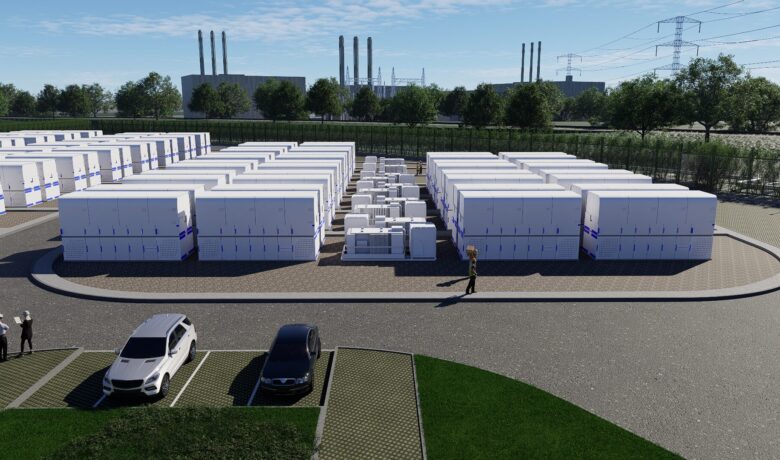
Photo Credit: © Dispatch-Project Moonstone
Other news

From housing study to action-oriented housing policy
Read more

Sweco welcomes Stendess and confirms ambitions in sustainable steel engineering
Read more
Europe’s water infrastructure is under pressure. How can we invest wisely?
Read more