
Sweco Belgium
Why Wildfires Are Becoming a Challenge for Belgium
Wildfires are often associated with Southern Europe, California or Australia. However, awareness is also growing in Belgium and Flanders that wildfire risks are becoming increasingly relevant. Longer periods of drought, rising temperatures and more extreme weather conditions mean that wildfires are no longer a distant concern.
According to experts, the urgency to better prepare critical infrastructure, buildings and communities for this new reality is increasing. Wildfires are evolving from being solely an environmental issue into a major challenge for emergency management, climate adaptation and fire safety, posing risks not only in forested areas but also in urban environments.
Climate change is increasing wildfire risk
Climate change is playing a central role in the growing risk of wildfires. Global average temperatures are rising by approximately 0.25°C per decade, while Europe is warming at roughly twice that rate. Higher temperatures and prolonged dry periods cause vegetation to dry out more quickly, making it far more susceptible to ignition.
Weather patterns are also changing. Rainfall is becoming more intense and less evenly distributed, while extended periods of drought are occurring more frequently. As a result, the season during which wildfires can occur is becoming significantly longer.
This combination of drier vegetation, longer heatwaves and more extreme weather conditions increases the likelihood of rapidly spreading wildfires with severe consequences for surrounding communities and ecosystems.
Wildfires also pose a risk to infrastructure and businesses
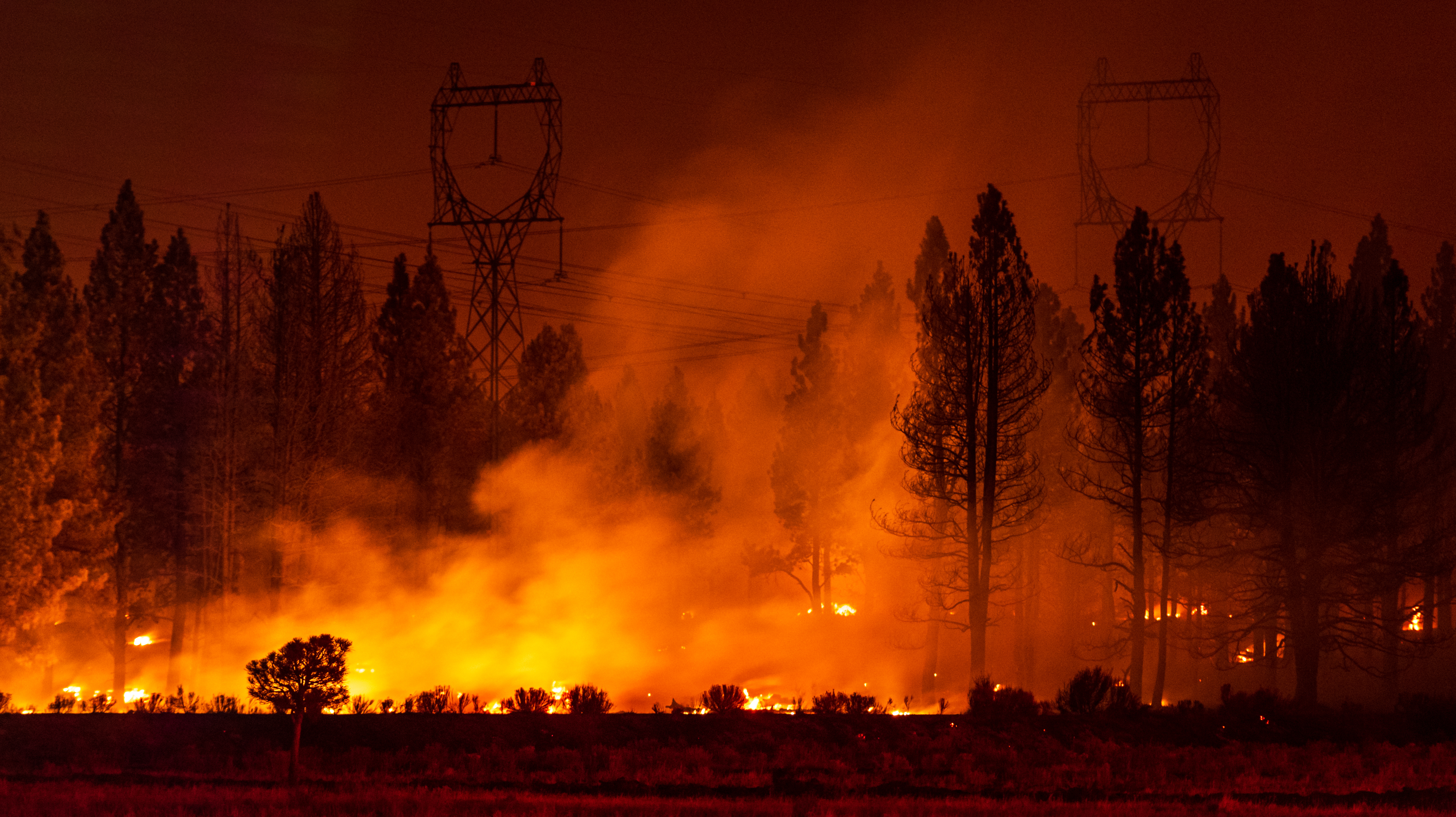
The impact of wildfires extends far beyond natural landscapes. Critical infrastructure and economic activities are increasingly exposed to wildfire risks. High-voltage power lines, energy infrastructure, transport networks and industrial facilities are often located in or near natural areas. As a result, a major wildfire can cause power outages, operational disruptions and significant economic losses for businesses and households. Conversely, these facilities may also escalate the impact of a wildfire on their surroundings, potentially triggering cascading effects.
At the same time, residential developments, healthcare facilities and other buildings are increasingly being integrated into green and forested environments. While this enhances quality of life, it also creates new risks as the interface between nature and the built environment expands. For hospitals, nursing homes and other critical facilities, evacuation planning and operational continuity are therefore becoming increasingly important.
From reactive response to proactive emergency management
Traditionally, wildfire management focused primarily on intervention and firefighting. Today, this approach is increasingly shifting towards resilience, supported by a continuous cycle of prevention, risk management, response and recovery.
An integrated approach to wildfire management includes:
- risk assessments of wildfire-prone areas
- preventive measures for critical areas and infrastructure
- evacuation and crisis management plans
- fire-safe design of buildings and their surroundings
- scenario analyses and emergency preparedness
- collaboration between public authorities, emergency services and infrastructure operators
For organisations, this means that wildfire risks increasingly need to be incorporated into broader climate and safety strategies, developed in consultation and collaboration with the various stakeholders involved.
Fire safety in a changing climate
The increasing risk of wildfires demonstrates that fire safety extends beyond the traditional focus on buildings alone. The design of the surrounding environment, the landscape, infrastructure connections, the interface between buildings and nature, and the impact of climate change are all becoming increasingly important. This became clear during the so-called urban wildfire in London, where a wildfire in an urban area destroyed 19 homes.
Countries such as the United States, Canada and Australia have been investing in specialised wildfire strategies for many years. In Belgium, awareness is still less developed, but early indications show that demand for expertise is growing.
The combination of climate adaptation, emergency management and fire safety is therefore becoming increasingly important for public authorities, infrastructure operators, healthcare organisations and businesses operating in or near natural areas.
“Wildfires are no longer a future scenario limited to Southern Europe or North America. In Belgium too, we need to consider how to make our infrastructure, buildings and communities more resilient to a changing climate. Prevention, preparedness and integrated emergency management will play a crucial role.”
Michiel De Rop, Fire Safety Engineer
Preparing for a new risk profile
Wildfires are expected to occur more frequently in Northwestern Europe as well. This requires not only adapted emergency response capabilities, but also a fundamentally different approach to spatial development, infrastructure and safety.
By investing in prevention, risk assessment and integrated emergency management today, organisations can strengthen their resilience and limit the impact of future wildfires. Wildfires are no longer solely an ecological issue, but also a strategic challenge for safety, continuity and climate resilience.
Moreover, the risk is no longer confined to natural areas. Urban wildfires, including roadside fires, park fires and fires on private land, demonstrate how wildfire risks can extend into urban environments. Recognising this broader context is essential to fully understand and manage the risks we face today.

Michiel De Rop
Other news

The parking ladder: take control of parking policy, one step at a time
Read more

Approved by children: designing safe school environments
Read more

More eyes at sea: Sweco designs offshore platform concept for marine monitoring and enforcement in the North Sea
Read more