

Sweco Belgium
Asset management helps infrastructure withstand every stress test
How do you manage bridges, tunnels and other civil engineering structures that must last for more than a century? According to Jan Stappaerts, Business Unit Manager Information Engineering & Surveying at Sweco, good asset management does not begin with maintenance. Its foundations are laid during design, guided by one central question: how do we ensure that infrastructure retains its value throughout its entire life cycle?
Infrastructure is often designed as a project, with a budget, schedule and completion date. But bridges, tunnels, roads and quay walls do not cease to exist once the project team leaves. On the contrary, that is when the longest phase of their service life begins. Infrastructure management and maintenance can continue for decades, sometimes for 100 or 150 years.
“That is precisely the challenge. We need to see infrastructure less as something we deliver and more as an asset that we manage throughout its entire life cycle. That requires a different way of designing, thinking and collaborating.”
Jan Stappaerts, Business Unit Manager Information Engineering & Surveying at Sweco
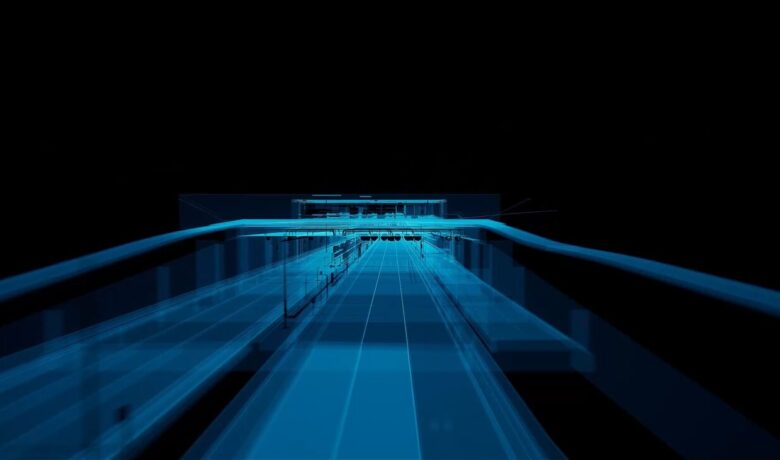
Why is there so much focus on the life cycle?
Jan Stappaerts: “Because infrastructure has an exceptionally long service life. Design and construction may take only a few years, but management often spans several generations. Yet our sector still thinks too much in terms of projects: what does it cost now, when will we deliver, will we meet the deadline? The real value to society only becomes visible during use.”
According to Jan, this calls for a fundamental shift. It is not only the initial investment cost that matters, but also maintenance, accessibility, replaceability, inspectability and sustainability.
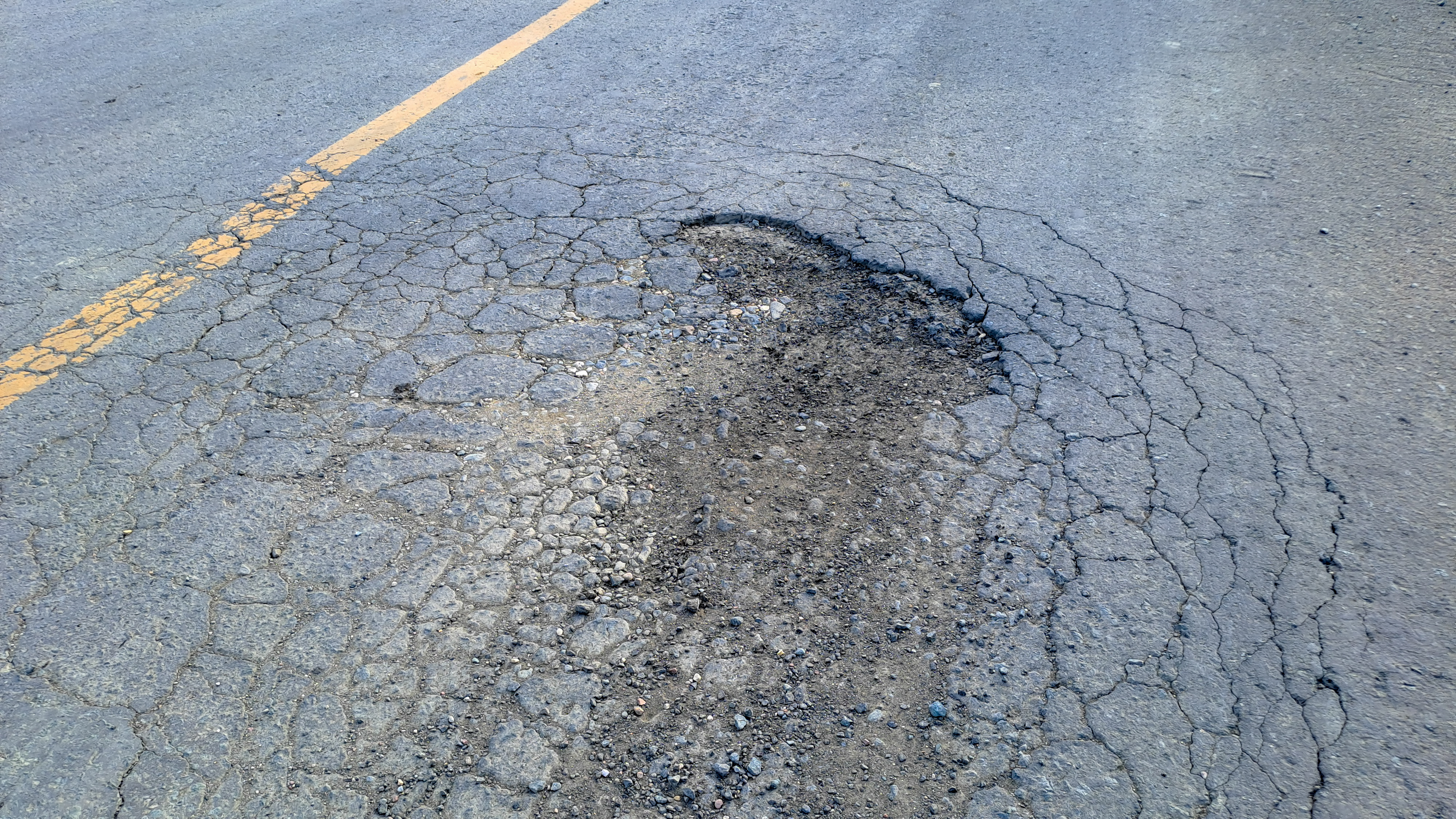
“Take asphalt,” he says. “A more expensive solution may seem less attractive on paper. But if it needs to be replaced less often, it may actually be more efficient in the long term. Asset management helps us make these choices rationally.”
This approach requires designers and clients to consider maintenance access, failure mechanisms and replacement strategies at an early stage. Information must not be lost after handover; it should evolve with the asset, from design data and as-built information to inspection reports, damage records and completed interventions.
Does an attractive 3D model still make a difference?
Jan: “A 3D model is valuable, but it is only the visible tip of the iceberg. The real value lies in the information linked to objects. Think of lighting, fans, cables, sensors, bridge components or tunnel systems. If you know what each object is, which properties it has, where it is located and how it relates to other elements, you can manage it much more effectively later on.”
During design, 3D geometry is crucial for visualisation and clash detection. As a project moves towards construction and operation, however, the focus shifts to accurate data and information. BIM is therefore not merely 3D modelling, but an information process that supports collaboration, coordination and communication throughout an asset’s entire life cycle.
“Overmodelling is a pitfall,” Jan warns. “You can add enormous amounts of detail, but if that detail has no value for future operation or maintenance, you mainly create extra cost. The question should always be: what information does the asset manager need to make better decisions?”
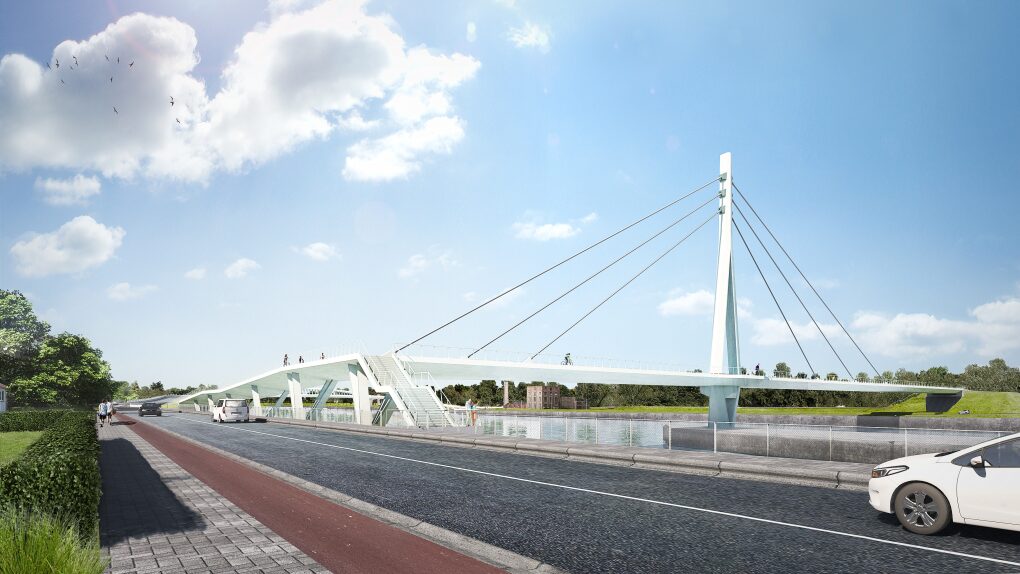
BIM simulation of the Wijnegem bicycle bridge © ZJA
BIM, AIM and OTL: which language can all parties understand?
Jan: “Standardisation is essential. If everyone names objects differently or records different properties, information becomes difficult to reuse. That is why the Object Type Library, or OTL, is so important. It provides a common language for infrastructure data.” The OTL defines which object types exist, which attributes belong to them and how objects are logically or spatially connected. It is a semantic data standard that makes information uniformly available throughout the infrastructure life cycle.
“You can compare it to Lego bricks,” says Jan. “You build complex infrastructure from standardised components. This basic structure helps transfer information correctly from design to construction and then to operation.” Delivering OTL-compliant models is a well-established practice across Sweco’s teams. PPS Kunstwerken, SAS Slijkens and the Dijle bridge are good examples of OTL-compliant projects.
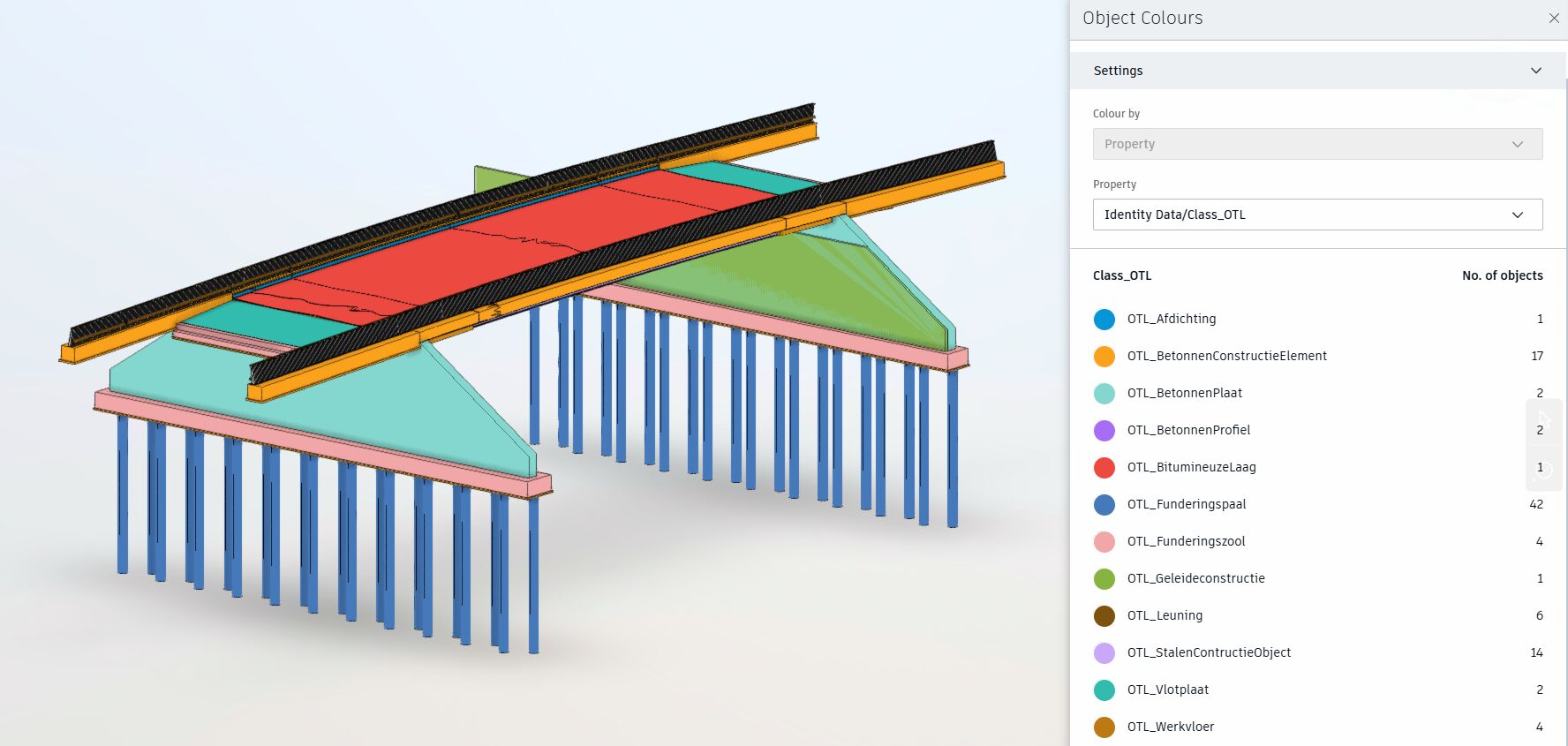
PPS Kunstwerken © Sweco
How do digital twins bridge design, operation and maintenance?
Jan: “A digital twin is a central, up-to-date and decision-oriented system that brings together geometric, technical, operational and real-time data. This allows you not only to see what has been built, but also how an asset behaves.”
A digital twin is best described as a digital replica that enables monitoring, analysis and simulation. Sensors, IoT applications, simulation models and AI algorithms play a central role. They can record and analyse vibrations, deformation, temperature, humidity, traffic loads and wear patterns, for example.
Jan: “The strength lies in the accumulation of data. The longer you measure, the better you understand patterns. You can see, for instance, how a bridge reacts to weather, loads or traffic intensity. This makes maintenance more predictable and efficient.”
Can you give an example of data-driven asset management?
Jan: “Bridge monitoring is a clear example of data-driven asset management. By using sensors to continuously collect information about stresses, deformation, standing water, loads, traffic and structural behaviour, you gain a much more complete picture of how a bridge performs in practice.”
The Henneaulaan bridge on the northern R0 is one such smart bridge. Sensors monitor it throughout its entire service life, tracking corrosion, stability, loads, deformation, cracking, concrete integrity, expansion joints, noise, impacts and lighting. This shifts management from periodic checks to continuous insight.
“That is exactly the added value of data,” says Jan. “You do not wait until a problem becomes visible; you identify trends earlier. If you measure traffic intensity, for example, you can schedule maintenance when disruption will be lowest. If you detect anomalies early, you can intervene faster and more precisely.”
Combined with a digital twin, these data become even more valuable. Remote monitoring, fewer physical inspections, faster anomaly detection and lower total life-cycle costs make asset management more predictable for both managers and users.
Who is actually the ‘customer’ in asset management?
Jan: “In infrastructure, we often think the commissioning authority is the customer. But the real customer is the person who uses the infrastructure: the cyclist, driver, pedestrian, passenger, skipper or local resident. If a bridge is technically perfect but unpredictable to use, its value to society is limited.”
This means data and information models must support not only technical choices, but also understanding of what infrastructure means to users. Safety, comfort, availability and predictability become just as important as structural performance or maintenance costs. The better you understand the user experience, the more effectively you can reduce disruption and align infrastructure with human behaviour.
A cycle bridge may be technically well designed, but if cyclists often have to wait because shipping has priority, the connection feels less reliable. The asset still functions, but its value in use declines because availability and predictability are lacking.
“Customer experience may sound like a commercial term, but it is crucial for infrastructure,” says Jan. “People do not judge an asset by the model or technical calculation. They judge it by availability, safety and reliability.”
Why is maintenance so often overlooked?
Jan: “New infrastructure is visible. You can cut a ribbon, organise an opening and showcase an investment. Maintenance is less visible, especially when it is done well. That is precisely why we need to explain asset management better. Good maintenance prevents problems that would be much more expensive and disruptive later.”
Because maintenance often becomes visible only when something goes wrong, its urgency remains difficult to grasp. Yet maintenance needs accumulate and the societal consequences grow when interventions are postponed. A life-cycle approach makes these choices visible: what must we do today to keep infrastructure safe, reliable and available tomorrow?
“Asset management forces us to take a more rational view,” says Jan. “Not only of today’s cost, but of value over 50 or 100 years. That is a difficult message, but a necessary one.”
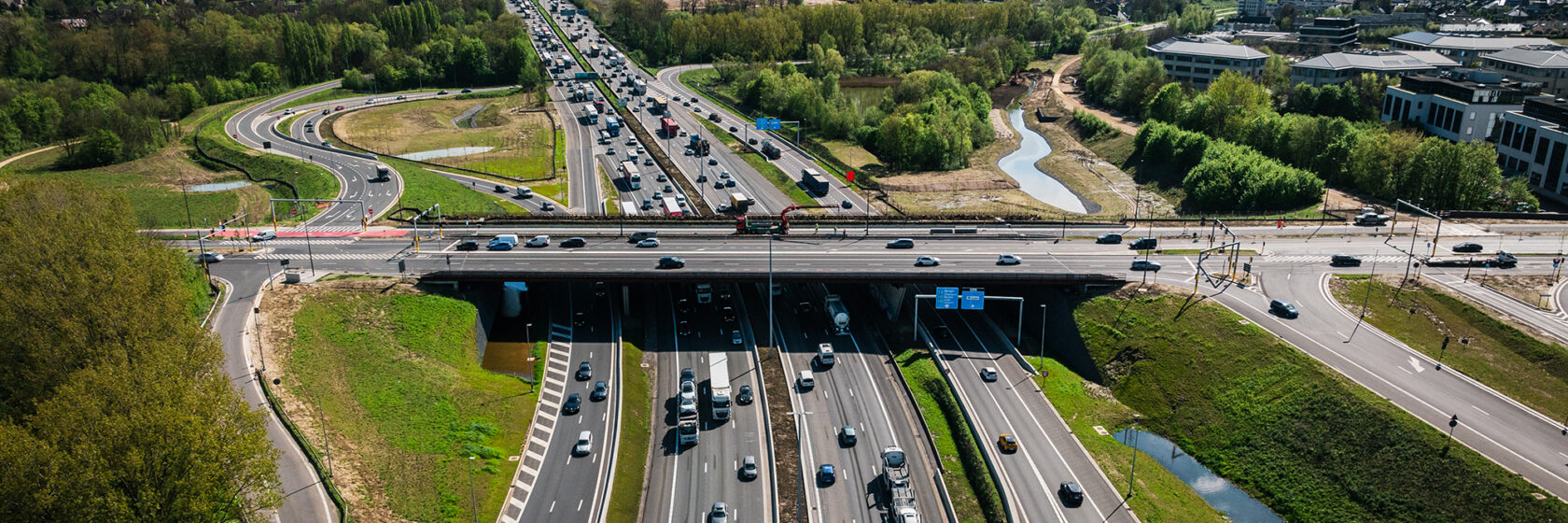
Photo © Adobe Stock

What added value does Sweco provide in asset management?
Jan: “Sweco operates at the intersection of design, data, engineering and management. This puts us in a strong position to help clients bridge the gap between project delivery and long-term management. We can ensure that information does not stop at handover, but remains useful for maintenance, monitoring and future decisions.”
Good information management creates value for all stakeholders. Public authorities can make better-informed investment decisions. Contractors and designers work with clearer conditions. Asset managers receive consistent, up-to-date data aligned with their processes. Users benefit from infrastructure that is safer, more reliable and more available.
According to Jan, Sweco’s strength lies in collaboration. BIM, AIM, OTL and digital twins are not ends in themselves. They only work when people, processes and technology are aligned.
“Change management is at least as important as software,” says Jan. “You need to bring teams on board, clarify roles, agree standards and show why information management improves their work. Only then does BIM become a lever for better asset management.”
Photo © Faye Pynaert
How do you convince clients and policymakers of such a long-term story?
Jan: “By making it concrete. Asset management may sound technical, but ultimately it is about familiar questions: how do we keep bridges safe? How do we avoid disruption? How do we plan maintenance more intelligently? How do we make better use of public funds?”
That is why Jan sees great value in storytelling: it makes complex material understandable to a wider audience. Concrete cases, images, data and user examples help demonstrate what asset management delivers in practice.
“Technical expertise is necessary, but not sufficient,” Jan concludes. “We must also be able to explain why this matters. For asset managers, for policymakers and, above all, for the people who rely on our infrastructure every day.”
Other News

Asset management helps infrastructure withstand every stress test
Read more

Meet Sweco at the IWA World Water Congress & Exhibition in Glasgow
Read more
Smarter on the way with mobility management
Read more